
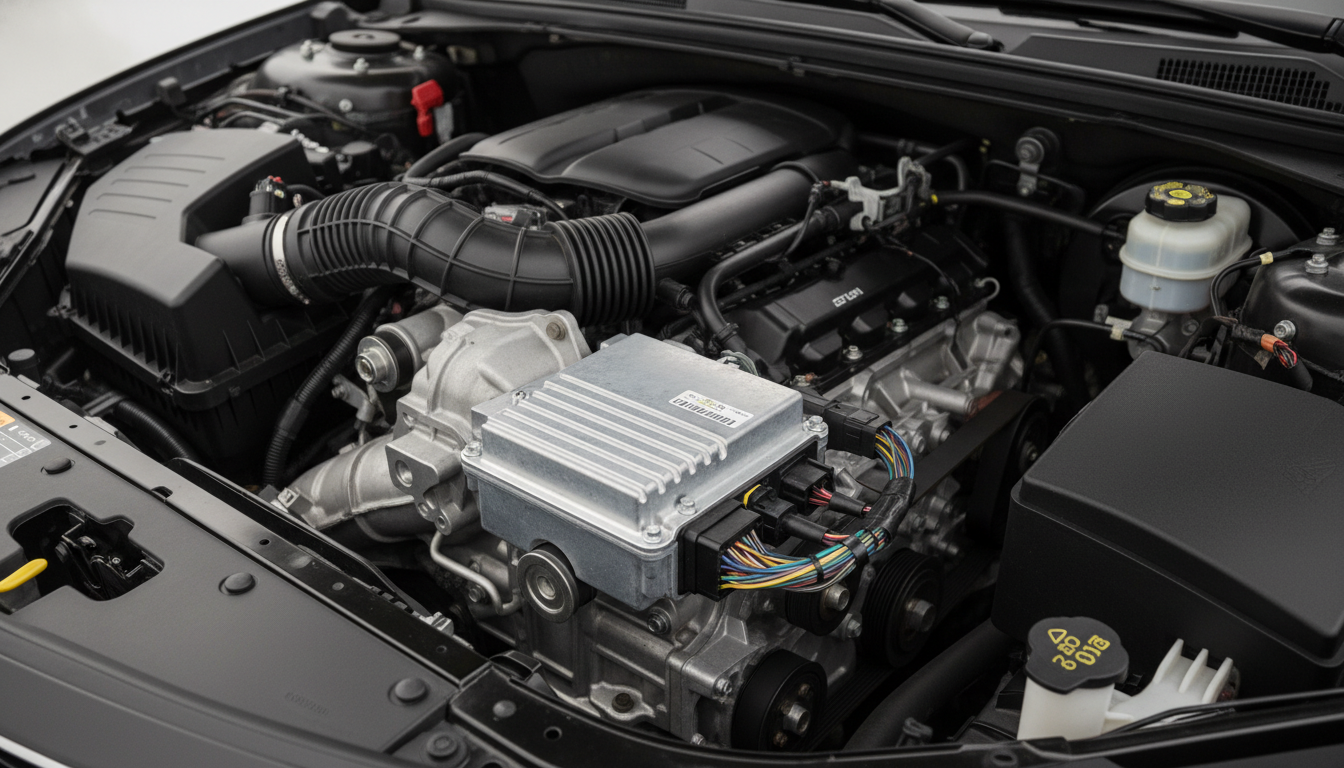
2014 Impala Transmission Control Module Location Guide
This concise guide helps Chevrolet Impala owners find a clear solution to a common vehicle issue. Bulletin PI1039, issued in Aug‑2013, supports service teams with module identification and underpins the steps presented here.
Save time and money by using this page to avoid long searches and costly guesses. Our team of experts has years of experience answering customer questions about service and maintenance.
Read this now and you can shorten the repair process, protect your warranty, and compare price and services without wasting days on the wrong site. The write-up explains what to expect from reviews, support, and the service process so you can make an informed choice.
If you have a specific question about your Chevrolet Impala year or a related issue, this introduction points you to practical next steps and reliable support from experienced technicians.
Understanding the Role of the Transmission Control Module
A properly tuned control unit ensures smooth shifting and protects other drivetrain parts.
The transmission control module acts as the brain of the transmission electro-hydraulic control system. It manages shift points, reads sensors, and adjusts pressure so gear changes stay smooth in a Chevrolet Impala.
Bulletin PI1039 gives technicians guidance to identify the tcm and ecm. That helps when diagnostics point to electronic faults or when a repair is needed.
Choosing an original part for replacement preserves quality and long-term performance. Proper service prevents a small issue from becoming a costly repair.
Experts often field the same question: how does the valve body interact with the electro-hydraulic control module? The valve body routes hydraulic pressure while the electro-hydraulic part times and meters that pressure.
| Service | Benefit | When to choose |
|---|---|---|
| Diagnostic | Finds root cause | Unusual shifting or warning lights |
| Repair | Lower price | Minor faults or software updates |
| Replacement | Restores full function | Severe electronic failure |
Locating Your 2014 Impala Transmission Control Module Location
Finding the transmission control module under the dash saves time and cuts guesswork during a repair. Bulletin PI1039 notes the TCM sits beneath the left side of the instrument panel on applicable models.

Accessing the Interior Panel
Start by removing the interior trim under the left side of the instrument panel carefully. Use basic trim tools and unplug any connectors only after noting their positions.
Identifying the Module Housing
With the panel off, look for the TCM housing near wiring harnesses and the valve body. Proper identification of these parts makes a repair or replacement far safer and faster.
| Action | Why | Tip |
|---|---|---|
| Remove trim | Access housing | Work slowly to protect parts |
| Inspect connectors | Find faults | Label clips before unplugging |
| Confirm housing | Plan repair | Visit our page or shop for reviews and answers |
Experts recommend taking your time. Rushing the process risks damage, adds expense, and lowers the quality of the service.
Safety Protocols for Handling Electro-Hydraulic Control Components
Safe service of the transmission electro-hydraulic control begins with certified technicians and proper equipment. GM bulletins stress these procedures are for trained professionals who have the right tools and safety steps.
Importance of Professional Certification
Certified technicians reduce the risk of electrical damage and incorrect repairs. The electro-hydraulic control module is sensitive and must be handled with care.
Use of an original part keeps quality high and protects the vehicle. Specialized tools are needed to service the valve body and related components safely.
| Requirement | Why it matters | Benefit |
|---|---|---|
| Technician certification | Ensures correct procedures | Fewer re-repairs and faster service |
| Original parts | Maintains system quality | Longer life and warranty support |
| Special tools | Protects electronics and hydraulics | Saves time and money |
| Strict safety steps | Prevents damage to body and wiring | Safer outcome for customers |
Before any repair or replacement, verify the technician’s certification. That check can save time, money, and future questions about the product and services.
Professional Repair and Replacement Considerations
When a fault appears, choosing professional service can protect your vehicle and save long-term costs.
Check GM guidance first. Bulletins do not always apply to every year or build; contact your local GM dealer for specific service and warranty eligibility.
Replacing the transmission electro-hydraulic control unit is complex. It requires trained technicians, correct parts, and careful handling of the valve body and related components.
Our experts have years of experience helping customers find the right solution for an electronic drivetrain issue. Choosing an original part preserves quality and reduces the risk of repeat repair.
| Option | Benefit | Consideration |
|---|---|---|
| Dealer repair | Factory procedures, warranty check | Higher price, guaranteed standards |
| Independent shop | Lower price, experienced techs | Verify training and reviews |
| DIY | Lower parts cost | Risk of damage, longer process |
Compare price and reviews before you decide. For a focused guide on module placement and service options, see the transmission control module location page. Professional replacement today can save time and money over repeated fixes.
Conclusion
Use this guide to complete a safe, confident repair of the tcm and related transmission control items on your Chevrolet Impala. The steps here make locating parts and confirming faults a manageable task for owners and techs.
Following professional guidance preserves part quality and keeps the vehicle running well for years. When in doubt, choose trained service to protect your warranty and avoid extra costs from repeated repairs.
If you have more questions, this page links to reviews, product details, and answers to common customer questions. That helps save time and money today and prevents future issues with the valve body and related parts.
FAQ
Where is the transmission control module located on a 2014 Impala?
The module sits inside the vehicle near the valve body and electro-hydraulic control assembly, accessed by removing an interior panel in the trunk or under the rear seat depending on trim. Check the service manual for exact panel removal steps before attempting access.
How can I safely access the electro-hydraulic control module housing?
Disconnect the battery, wear ESD protection, and follow the vehicle-specific panel removal procedure. Work in a dry, well-lit area and keep fasteners organized. If unsure, have a certified technician handle access to avoid damaging connectors or the valve body.
What symptoms indicate the module or electro-hydraulic control is failing?
Common signs include erratic shifting, limp-home mode, warning lights, and unusual noises from the valve body area. These symptoms often affect drivability and should prompt diagnostic scanning and visual inspection of the module and wiring.
Can I replace the module myself, and what parts should I buy?
Experienced DIYers can replace the unit if they follow safety steps and have the right tools. Purchase an OEM or high-quality aftermarket transmission electro-hydraulic control module and any required gaskets, harness clips, or replacement valve body bolts. Programming or relearn procedures may be required after install.
Do replacement modules require programming or calibration?
Yes. Many replacement modules need vehicle-specific programming or adaptive relearn using a professional scan tool. A shop with transmission experience can complete programming, which ensures proper shift timing and longevity.
How long does a professional repair or module replacement typically take?
A trained technician usually completes diagnosis and replacement within a day, often two to three business days if programming or parts ordering is necessary. Turnaround depends on part availability and whether a valve body service is required.
What warranty and quality options should I look for when choosing parts or a shop?
Look for OEM or certified remanufactured modules with a warranty of at least 12 months. Choose shops with ASE-certified technicians or transmission-specialty experience and clear reviews. Warranties that cover both parts and labor provide the best protection for costly electro-hydraulic components.