How Long Should a 2016 Chevy Malibu Last With Proper Maintenance?
With consistent maintenance, a 2016 Chevy Malibu can often provide about 150,000 to 200,000 miles of service, and well-kept examples may go beyond that. Its actual lifespan depends more on service history, driving conditions, and repair decisions than mileage alone.
You can make a better ownership or buying decision by understanding the Malibu’s common reliability concerns, maintenance needs, and warning signs of costly repairs. The vehicle’s engine, transmission, electronics, and overall condition all affect what its remaining miles may cost you.
Expected Service Life
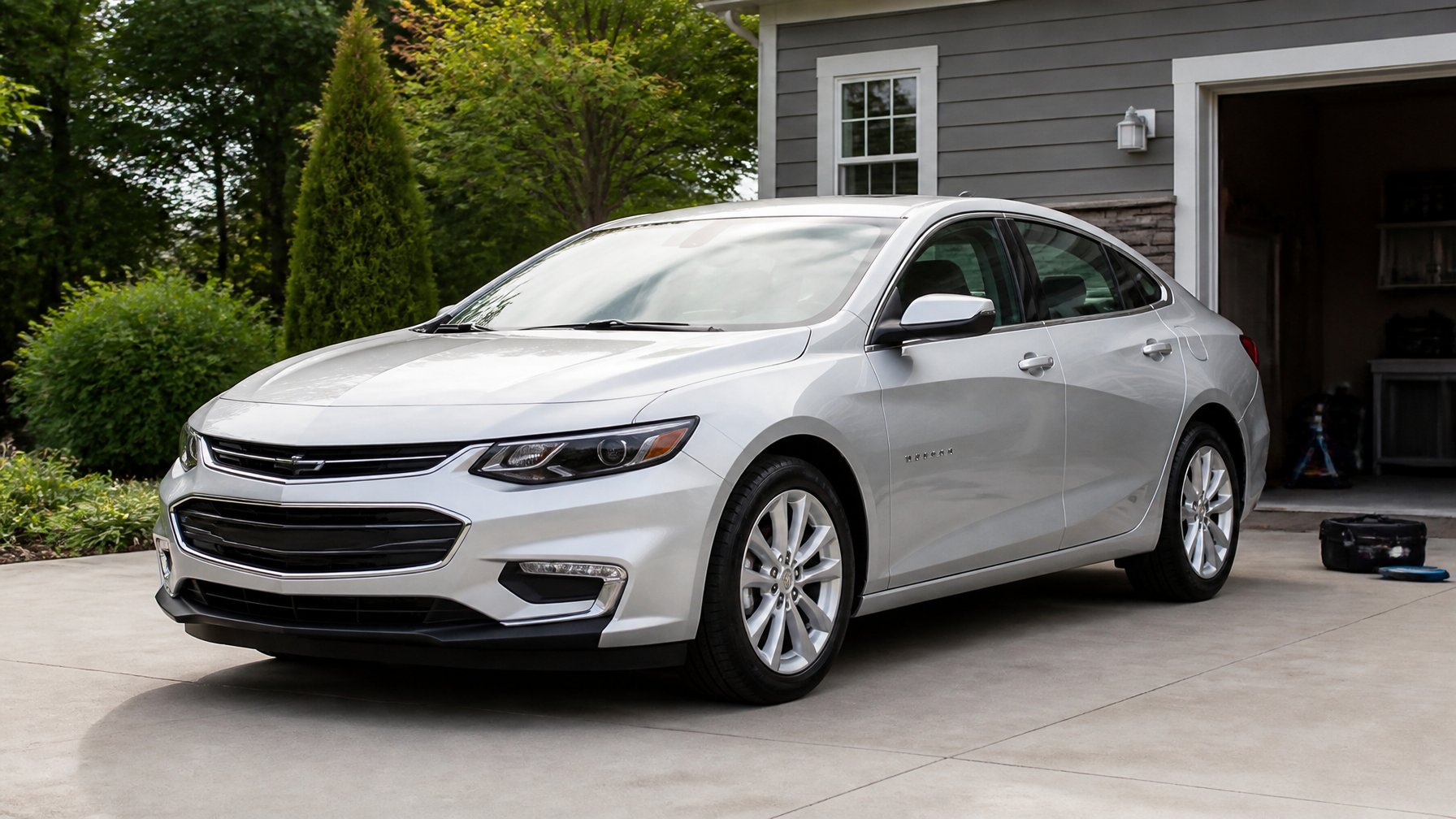
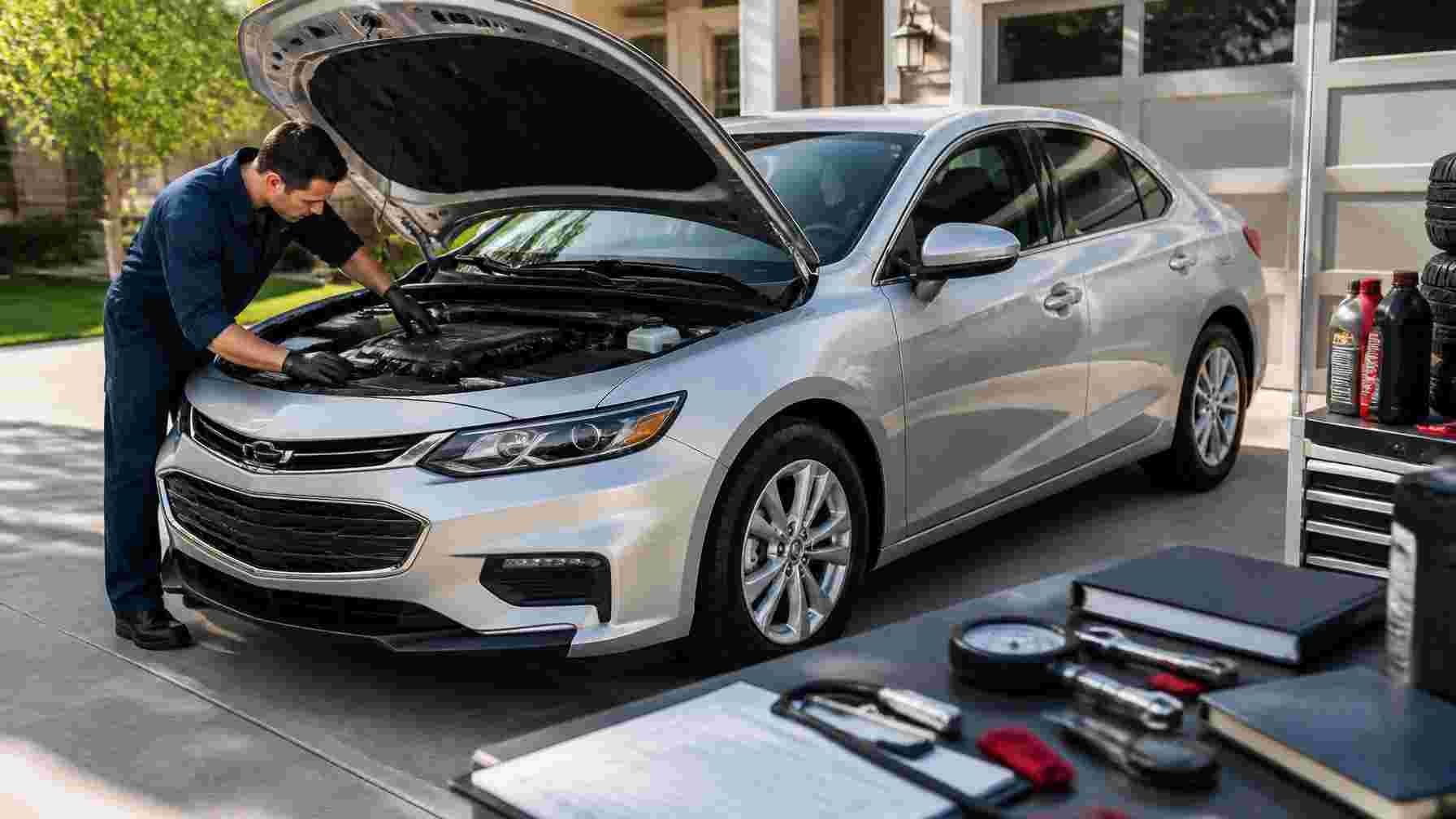
With consistent maintenance, you can reasonably expect a 2016 Chevrolet Malibu to provide 150,000 to 200,000 miles of service. Mileage, maintenance history, engine condition, and repair decisions determine whether your car reaches the upper end of that range.
Typical Mileage Range
A properly maintained 2016 Malibu commonly lasts about 150,000–200,000 miles before major repairs may become frequent enough to affect its value. Some well-maintained examples can exceed 200,000 miles, but that outcome is not guaranteed.
| Condition and care level | Reasonable mileage expectation |
|---|---|
| Inconsistent service or unresolved repairs | 120,000–160,000 miles |
| Regular maintenance and prompt repairs | 150,000–200,000 miles |
| Excellent records, gentle use, and major repairs as needed | 200,000+ miles |
You can improve your chances of reaching higher mileage by changing oil on schedule, monitoring coolant and oil levels, servicing the transmission when Chevrolet recommends it, and correcting warning lights quickly. Reports on 2016 Malibu mileage longevity also place a maintained car in the 150,000-to-200,000-mile range.
As mileage rises past 100,000 miles, budget for wear-related work such as brakes, tires, suspension components, wheel bearings, batteries, and possibly cooling-system repairs. A complete maintenance record matters more than the odometer number alone.
Expected Years of Ownership
If you drive about 15,000 miles per year, a 2016 Malibu with a 150,000-to-200,000-mile lifespan can serve you for roughly 10 to 13 years from new. In September 2026, most remaining examples are already about 10 model years old, so their remaining life depends heavily on current mileage and prior care.
For example, a Malibu with 90,000 miles could have approximately 60,000 to 110,000 miles of potential service remaining if you maintain it well. At 12,000 miles per year, that equals about five to nine more years, although expensive repairs can change the practical ownership decision.
You should inspect the vehicle before relying on projected lifespan. Check for transmission shift problems, turbocharger or engine concerns on turbo models, cooling-system leaks, suspension noise, and incomplete recall work. Industry estimates commonly place Chevrolet Malibu service life near 150,000 to 200,000 miles with proper maintenance, but your vehicle’s repair history provides the more useful prediction.
Key Factors That Affect Durability
Your maintenance records, typical driving environment, and engine/transmission combination have the greatest effect on how long your Malibu remains dependable. With consistent care, estimates of 150,000 to 200,000 miles for a 2016 Malibu are reasonable, although individual results vary.
Maintenance History
A complete service history matters more than a low odometer reading. Check that previous owners changed engine oil and filters on schedule, addressed warning lights promptly, and completed brake, tire, coolant, and battery service as needed.
For a turbocharged Malibu, regular oil changes using the specified oil are especially important. Old or low oil can accelerate wear in the turbocharger and internal engine components.
You should also confirm that the transmission received the correct fluid service when required. Rough shifts, delayed engagement, slipping, or a transmission warning message deserve a professional inspection before they develop into a more expensive repair.
Useful records to look for include:
- Oil-change invoices and mileage documentation
- Cooling-system repairs or coolant replacement records
- Spark-plug and air-filter service
- Brake-fluid, tire-rotation, and alignment records
- Documentation of completed recalls or software updates
Driving Conditions
Frequent short trips can shorten component life because the engine may not reach full operating temperature long enough to evaporate moisture from the oil. Stop-and-go commuting also places more demand on the brakes, transmission, cooling system, and battery than steady highway travel.
If you drive in severe winter weather, road salt can corrode brake lines, suspension hardware, exhaust components, and body panels. Wash the underbody periodically during winter and inspect it for rust at routine service visits.
Hot climates create different demands. High temperatures put added stress on coolant hoses, the battery, air-conditioning parts, and engine cooling capacity. Watch the temperature gauge, maintain the correct coolant level, and repair leaks quickly.
Aggressive acceleration and repeated hard braking can wear tires, suspension parts, and brakes faster. Smooth inputs and allowing the engine to warm up before heavy acceleration reduce unnecessary strain.
Powertrain Configuration
The 2016 Malibu lineup includes different engine configurations depending on trim and production version, including naturally aspirated and turbocharged four-cylinder options. Your specific engine affects service needs, fuel requirements, and potential repair costs.
A naturally aspirated engine generally has fewer forced-induction components, while a turbocharged engine adds the turbocharger, related plumbing, and greater sensitivity to oil quality. Neither configuration automatically determines lifespan; maintenance and operating conditions remain more important.
If your Malibu has a turbo engine, let it idle briefly after sustained high-speed or heavy-load driving when practical, and avoid delaying oil service. Listen for unusual whistling, rattling, loss of power, or persistent check-engine lights.
Before buying or budgeting for repairs, verify the engine by VIN rather than relying on trim labels. The engine choice and service habits affect Malibu longevity, so matching maintenance records to your actual powertrain gives you a more reliable picture of durability.
Common 2016 Chevrolet Malibu Reliability Concerns
A 2016 Malibu can provide many more miles when you address drivetrain symptoms early and verify completed recall work. Pay close attention to warning lights, shift quality, battery voltage, and the operation of the touchscreen before you buy.
Engine And Turbocharger Issues
The 1.5-liter turbocharged four-cylinder needs consistent oil changes with the correct oil specification. Delayed oil service can contribute to turbocharger wear, oil-consumption concerns, and reduced performance over time.
During a test drive, check for blue exhaust smoke, turbo whine, hesitation under acceleration, rough idle, or an illuminated check-engine light. Ask for records showing oil-change intervals, spark-plug replacement, and repairs related to the cooling system or turbo plumbing.
The 2.0-liter turbo engine provides stronger acceleration but also adds heat and complexity. A pre-purchase scan for stored diagnostic codes can identify intermittent misfires, boost-control faults, or sensor problems that may not trigger a warning light during a short drive.
Owner-reported reliability data identifies powertrain concerns among the areas worth checking on a 2016 Chevrolet Malibu reliability review. Do not assume that a quiet engine alone confirms good mechanical condition.
Transmission Performance
The 1.5-liter Malibu uses a six-speed automatic transmission, while the 2.0-liter version uses an eight-speed automatic. You should expect prompt engagement when shifting from Park to Drive and smooth, predictable changes through every gear.
Watch for harsh upshifts, delayed engagement, shuddering at steady speed, slipping, or a sudden flare in engine rpm. These symptoms can point to transmission-fluid issues, control-module calibration needs, internal wear, or a driveline problem.
Drive the car long enough to reach normal operating temperature, because some shift problems appear only after warming up. Test gentle acceleration, moderate throttle, highway passing, and several stops and restarts.
Review the vehicle identification number for open campaigns before purchase. One review compiling complaint and recall information notes significant 2016 Malibu powertrain and recall concerns, so confirm that a Chevrolet dealer completed applicable repairs.
Electrical And Infotainment Problems
Electrical problems can affect the Malibu’s infotainment screen, Bluetooth connection, backup camera, keyless entry, instrument-panel displays, and remote functions. A weak or aging battery can also create misleading warnings and intermittent electronic faults.
Before buying, cycle every major feature several times:
- Start the car after it has sat for several minutes.
- Pair a phone and test audio, calls, and USB charging.
- Check the camera, climate controls, power windows, locks, lights, and steering-wheel buttons.
- Confirm that no warning messages remain after startup.
Screen freezes or connection failures may require software updates, module repairs, or replacement hardware. Check that the vehicle has documented service history and investigate any recurring electrical complaint rather than accepting it as a normal minor inconvenience.
Maintenance Practices That Support Longevity
Routine oil and fluid service, stable engine temperatures, and early inspection of wear items help you avoid repairs that can shorten a 2016 Chevy Malibu’s useful life. Maintenance history matters more than mileage alone; well-maintained examples can often reach 200,000 miles or more.
Oil Changes And Fluid Service
Change the engine oil and filter when the Oil Life Monitoring System indicates service is due. Do not stretch an oil change past the recommended interval simply because the car has low annual mileage; oil can collect moisture and contaminants during short-trip use.
Use oil that meets the viscosity and GM specification listed for your specific engine in the owner’s manual. The 2016 Malibu was sold with different powertrains, so one oil type does not apply to every version.
Ask for a fluid-condition check at each oil service. Pay particular attention to these items:
- Transmission fluid: Have a technician inspect it for leaks, odor, or abnormal discoloration. Rough shifts, hesitation, or shuddering warrant prompt diagnosis.
- Brake fluid: Replace it at the manufacturer’s interval, or sooner if testing shows excessive moisture.
- Engine air filter: Inspect it regularly and replace it when dirty, especially in dusty driving conditions.
- Tire rotation: Rotate tires about every 5,000 to 7,500 miles to reduce uneven wear and protect handling.
A documented service record also helps you identify patterns before small issues become expensive repairs.
Cooling System Care
Check the coolant reservoir with the engine cold and keep the level between the marked range. A gradual coolant loss is not normal; inspect for seepage around hoses, the water pump, radiator, thermostat housing, and reservoir rather than repeatedly topping it off.
Use the specified Dex-Cool–compatible coolant and the correct water-to-coolant mixture. Mixing incompatible coolant types can reduce corrosion protection and create deposits that restrict flow.
Watch the temperature gauge while driving. Stop and investigate if the engine overheats, the warning message appears, or you smell sweet coolant odor, because continued overheating can damage the head gasket, cylinder head, and turbocharger components on turbocharged models.
Cooling-system service should include checking the pressure cap, drive belts, electric cooling fans, and radiator condition. Maintenance guidance for the 2016 Malibu also identifies the transmission period as an important time to monitor for problems, making early leak and temperature checks useful.
Brake And Suspension Inspections
Have brake pads, rotors, calipers, hoses, and parking-brake operation inspected during tire rotations or at least twice yearly. Replace pads before they wear into the rotor, since metal-to-metal contact can turn a routine pad replacement into a rotor and caliper repair.
Pay attention to pulsation, pulling, grinding, a soft pedal, or increased stopping distance. These symptoms need inspection promptly, particularly because some owners have reported premature original brake-pad and rotor wear on this model year.
Inspect the suspension whenever you notice uneven tire wear, steering wander, clunks over bumps, or vibration. Worn struts, control-arm bushings, ball joints, and sway-bar links can affect tire life and reduce vehicle control.
Request an alignment after suspension repairs or after significant pothole impacts. Keeping tires properly inflated and aligned reduces stress on steering and suspension parts while improving predictable braking and handling.
Signs the Vehicle May Be Near Major Repairs
Warning lights, stored diagnostic codes, persistent noises, and abrupt driving changes can identify developing engine, transmission, electrical, or suspension faults. Address these symptoms early, especially if they repeat after you restart the vehicle.
Warning Lights And Diagnostic Codes
Do not ignore a check-engine light that stays on, flashes, or returns after clearing. A flashing light can indicate an active misfire that may damage the catalytic converter; stop driving hard and arrange prompt diagnosis.
Use a scan tool to record all codes before repairs. Codes only identify a system that needs testing, not the failed part. For example, an airflow-related code may result from an intake leak, a dirty sensor, wiring damage, or a turbocharger-control problem on a 1.5L model.
| Warning or code pattern | What you should do |
|---|---|
| Oil-pressure or overheating warning | Stop safely and shut off the engine; do not continue driving. |
| Battery/charging light | Test the battery, alternator, cables, and grounds soon. |
| Reduced Engine Power message | Have the throttle, intake, turbo controls, and related wiring inspected. |
| Transmission warning or harsh-shift code | Check fluid condition and seek diagnosis before repeated driving. |
Review reported 2016 Chevrolet Malibu owner complaints for recurring areas, but base repair decisions on your vehicle’s actual codes and test results.
Unusual Noises Or Drivability Changes
A new noise that changes with engine speed, vehicle speed, braking, or steering deserves attention. Knocking, metallic rattling, loud ticking, or a persistent whine can point to internal engine wear, an accessory-drive component, a wheel bearing, or transmission-related trouble.
Pay attention to changes you can consistently reproduce. Rough idle, hesitation under acceleration, surging, stalling, hard shifts, delayed engagement into Drive, or vibration at highway speed often signal more than routine wear.
If your Malibu loses coolant or oil between services, has a sweet coolant smell, produces persistent exhaust smoke, or leaves fluid on the ground, schedule an inspection. Record when the issue occurs—cold start, uphill acceleration, braking, or cruising—and whether warning lights appear.
Those details help a technician separate an intermittent sensor fault from a developing mechanical repair.
Assessing a Used Example
A 2016 Malibu’s remaining life depends more on documented maintenance, current mechanical condition, and repair history than its odometer alone. Verify its exact engine and trim from the VIN before you evaluate its service needs.
Service Records
Ask for dated invoices, not only a handwritten maintenance log or a vehicle-history report. Records should show regular oil and filter changes, tire rotations, brake work, battery replacement, coolant service, and transmission-related maintenance when applicable.
Confirm that the seller addressed recalls and warranty campaigns through a Chevrolet dealer. You can check open recalls with the VIN through NHTSA, then ask for paperwork showing completed repairs.
Pay close attention to the engine listed on the records. The redesigned Malibu used 1.5L turbo, 2.0L turbo, and hybrid powertrains, while the Malibu Limited used the older 2.5L four-cylinder; engine choice and consistent maintenance affect expected lifespan.
Look for gaps of more than a year or roughly 10,000 miles without oil-change documentation. On a turbocharged model, skipped oil service can increase the risk of turbocharger, timing-system, and internal-engine wear.
Pre-Purchase Inspection
Arrange an inspection at an independent repair shop or Chevrolet dealer before you buy. The inspection should include a scan for stored and pending diagnostic trouble codes, even if the check-engine light is off.
Ask the technician to inspect for oil or coolant leaks, worn suspension components, uneven tire wear, brake condition, and corrosion underneath the car. They should also test the battery, charging system, air conditioning, power windows, infotainment functions, and every warning light at startup.
During the road test, drive the Malibu from a cold start and at highway speed. Watch for delayed shifts, harsh engagement, slipping, vibration under acceleration, steering pull, wheel-bearing noise, or engine hesitation.
Request a written estimate for every needed repair. A low purchase price can lose its advantage quickly if the car needs tires, brakes, suspension work, and major powertrain repairs soon after purchase; a used-Malibu reliability review also emphasizes documented service history as a key buying factor.
Mileage Versus Condition
Do not reject a Malibu solely because it exceeds 100,000 miles. A properly serviced example with 120,000 highway miles, clean records, good tires, and no active faults may be a better purchase than a 75,000-mile car with neglected maintenance.
Compare the odometer with the vehicle’s physical condition. Excessive seat wear, cracked steering-wheel material, heavily worn pedals, mismatched tires, or severe paint damage can indicate harder use than the mileage suggests.
Use this checklist when comparing vehicles:
- Lower mileage: Worth paying more only when maintenance records and inspection results support the price.
- Higher mileage: Needs a lower price that leaves room for age-related repairs.
- Condition concerns: Rust, warning lights, fluid leaks, and transmission symptoms matter more than mileage.
- Driving history: Highway use usually causes less stop-and-go wear than short urban trips.
Many Malibus can reach approximately 150,000 to 200,000 miles with proper care, but that range is not a guarantee for any individual car; typical Malibu lifespan estimates should serve as a planning reference rather than a buying decision.
Repair Costs and Ownership Value
Routine service is usually manageable, but a transmission, turbocharger, engine, or hybrid-system repair can change the financial case for keeping your Malibu. Your decision should compare the confirmed repair estimate with the car’s condition, mileage, market value, and maintenance history.
Major Component Replacement Costs
Budget separately for ordinary wear items—brakes, tires, battery, fluids, and suspension parts—and for high-cost powertrain work. RepairPal estimates average annual maintenance and repair costs for a 2016 Chevrolet Malibu at $565, although your actual cost depends on mileage, location, and shop rates.
The most expensive repairs usually involve:
| Component | Why it affects ownership value |
|---|---|
| Transmission | Internal failure or replacement can cost enough to outweigh the value of a high-mileage car. |
| 1.5L turbo system or engine | A turbocharger, cooling-system issue, or internal engine damage requires a specific diagnosis before you approve repairs. |
| Hybrid drive components | Hybrid-specific repairs need a qualified shop and may carry higher parts costs than conventional-model repairs. |
| Air-conditioning system | Compressor or major refrigerant-system work can be costly, especially when multiple components fail. |
Ask for a written estimate that separates diagnosis, parts, labor, taxes, and any warranty. Also check the VIN for open recalls and confirm whether the repair shop uses new, remanufactured, or used parts.
When Repairing Still Makes Sense
Repairing your 2016 Malibu usually makes sense when it has a solid body, no major rust or collision damage, consistent service records, and no evidence of multiple major failures. A documented history of oil changes, transmission service where applicable, cooling-system maintenance, and prompt repairs adds value because it reduces uncertainty about the car’s remaining life.
Compare the repair total with the cost of replacing the vehicle, not only with its trade-in value. A needed brake job or battery replacement does not justify replacing an otherwise dependable car, while an engine or transmission failure may require closer review.
You should be more cautious if the car has high mileage, recurring warning lights, poor shifting, coolant loss, oil-consumption concerns, or several overdue maintenance items. Obtain a second opinion for any large diagnosis, especially before authorizing powertrain replacement.
If the repair restores reliable operation and leaves your total investment below the cost of a comparable replacement vehicle, keeping it can remain practical.
Extending the Remaining Life of the Vehicle
You can help a 2016 Chevy Malibu reach its expected service life by correcting minor faults early and reducing avoidable strain on the engine, transmission, brakes, and suspension. With consistent care, a well-maintained Malibu may reach 200,000 miles or more, although its condition and maintenance history matter more than mileage alone.
Addressing Small Issues Promptly
Do not ignore a check-engine light, overheating warning, rough idle, delayed shifting, fluid leak, or unusual noise. A failing ignition coil or spark plug can cause misfires that damage the catalytic converter, while a small coolant leak can become an overheating event that harms the engine.
Check the engine-oil level regularly, especially if your Malibu has higher mileage or uses a turbocharged engine. Change oil and the filter according to the owner’s manual or the oil-life monitor, using the specified oil grade; running low on oil can accelerate turbocharger and timing-component wear.
Have a technician inspect recurring issues rather than repeatedly clearing warning lights. Keep records for services, repairs, tire rotations, brake work, and any completed recall campaigns.
| Issue you notice | Action to take |
|---|---|
| Steering shake or uneven tire wear | Check alignment, balancing, and worn suspension parts |
| Brake squeal, pulsation, or longer stopping distance | Inspect pads, rotors, calipers, and brake-fluid condition |
| Slow coolant loss or sweet odor | Locate the leak before the engine overheats |
Adopting Careful Driving Habits
Let the engine run gently for the first few minutes after a cold start. You do not need a long idle period, but avoiding hard acceleration until oil circulates and the engine begins warming reduces stress on internal components.
Use smooth throttle inputs and leave enough following distance to brake gradually. Hard launches, abrupt stops, and frequent high-speed driving increase wear on tires, brake pads, wheel bearings, transmission components, and engine mounts.
Avoid carrying unnecessary heavy cargo, and do not tow beyond your specific Malibu’s rated capacity. Extra load raises heat and strain, particularly during climbs and hot weather.
Use quality fuel from busy, reputable stations and follow the fuel-octane requirement listed for your engine. If you make mostly short trips, take an occasional longer drive after the engine reaches operating temperature; this helps reduce moisture buildup in the oil and allows the battery to recharge fully.
Frequently Asked Questions
A well-maintained 2016 Chevy Malibu commonly reaches 150,000 to 200,000 miles, while service history, engine type, and repair needs determine whether it remains practical to keep longer. You should inspect transmission behavior, turbocharger condition, electronics, and recall completion before buying one.
What is the average lifespan of a 2016 Chevy Malibu?
You can reasonably expect a 2016 Malibu to last about 150,000 to 200,000 miles when you follow its maintenance schedule and address repairs promptly. Some well-cared-for examples exceed 200,000 miles, particularly those driven mostly on highways.
A documented record of oil changes, transmission service, coolant replacement, and repairs matters more than mileage alone. Reported estimates place a properly maintained Malibu at around 200,000 miles or beyond.
Is the 2016 Chevy Malibu a reliable car?
The 2016 Malibu offers average reliability rather than class-leading reliability. You may have few major problems with a maintained example, but certain cars develop issues with the transmission, infotainment system, electrical components, or turbocharged engine hardware.
Reliability also differs by configuration. The redesigned Malibu used 1.5-liter and 2.0-liter turbo engines, while some 2016 cars used the earlier Malibu design with a 2.5-liter four-cylinder or 2.0-liter turbo engine.
Can a 2016 Chevy Malibu last 200,000 miles or more?
Yes, your 2016 Malibu can reach 200,000 miles, but it will likely require consistent preventive maintenance and occasional substantial repairs. At that mileage, you should expect wear items such as suspension components, wheel bearings, engine mounts, cooling-system parts, and sensors to need attention.
You should change oil at the specified interval with the correct oil grade, avoid ignoring warning lights, and repair fluid leaks early. A low purchase price does not offset a neglected service history or an unresolved transmission problem.
What are the most common problems with a 2016 Chevy Malibu?
You may encounter rough shifting, delayed engagement, or shuddering from the automatic transmission. Test-drive the car from cold, at city speeds, and during firm acceleration to check for these symptoms.
Other reported concerns include touchscreen or infotainment malfunctions, battery-related electrical issues, and turbocharger or intake-system problems on turbocharged models. You should also check whether all applicable recalls have been completed using the vehicle identification number.
The earlier-design 2016 Malibu and redesigned 2016 Malibu have different engines and equipment, so verify the exact trim and build configuration before ordering parts or assessing known issues.
Which Chevy Malibu model years should buyers avoid?
You should be especially cautious with 2008–2010 and 2013 Malibu model years because they have a less favorable reputation for complaints and reliability concerns than many other years. Check the individual vehicle’s maintenance, repair, and accident records rather than rejecting a car based only on model year.
The 2016 Malibu is not automatically a model year to avoid, but you should inspect it carefully because it was a transition year with two different body styles. A pre-purchase inspection can identify leaks, transmission faults, stored diagnostic codes, suspension wear, and signs of poor collision repair.
How can regular maintenance extend a 2016 Chevy Malibu’s lifespan?
Follow the oil-life monitor and use the manufacturer-specified oil and filter. For turbocharged engines, timely oil changes help protect the turbocharger and reduce the risk of internal engine wear.
Replace engine air filters, spark plugs, coolant, brake fluid, and transmission fluid according to the maintenance schedule and driving conditions. Severe heat, short trips, stop-and-go driving, and towing can justify more frequent service.
Check tire pressure monthly and rotate tires on schedule to reduce uneven tire and suspension wear. Keep records for every service visit, since detailed documentation helps you track recurring problems and supports the car’s resale value.