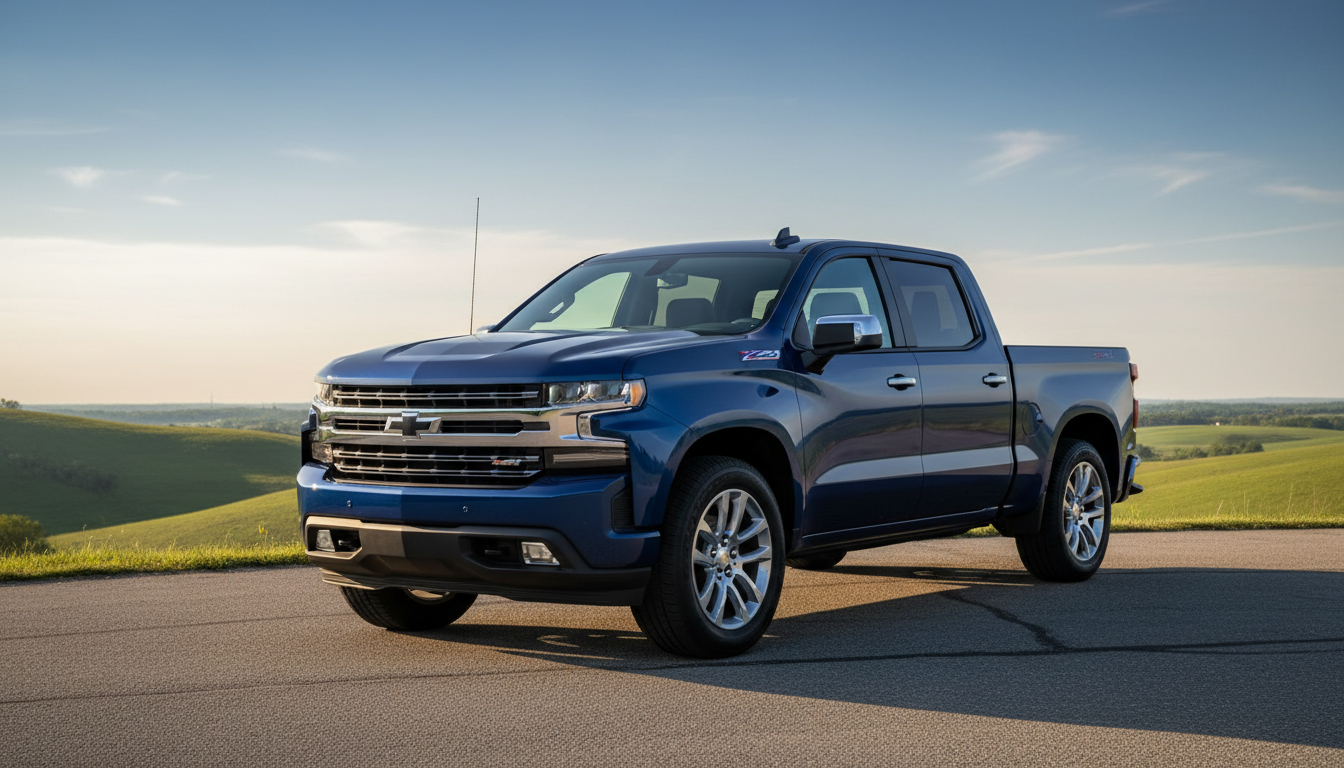
Best and Worst Years for Chevy Silverado 1500 (Buy This, Not That)
The Chevrolet Silverado 1500 is an American truck icon, but its reliability varies wildly depending on the generation. Buying the right model year means getting a legendary workhorse that can easily cross 300,000 miles. Buying the wrong year means thousands of dollars in surprise transmission rebuilds and collapsed engine lifters.
If you are hunting for a reliable used truck, you need to look past the shiny paint and focus directly on the powertrain history.
The Short Answer (Quick Reference):
- The Worst Years (Avoid or Inspect Heavily): 2014–2015 (Notorious for the 8L90 transmission shudder, hard shifting, and early EcoTec3 A/C condenser failures) and 2007–2009 (Peak Active Fuel Management/AFM lifter collapse issues on the 5.3L V8).
- The Best Years (Safe Bets): 1999–2006 (The legendary GMT800 generation, widely considered bulletproof), 2012 (The sweet spot of the GMT900 era with fewer AFM bugs), and 2018 (The most refined and reliable year of the K2XX generation).
Whether you need a daily driver or a dedicated towing rig, this guide breaks down the documented recall data, engine options, and the specific mechanical red flags—like excessive oil consumption and clunky gearboxes—that you must check before handing over your cash.
The 2014-2015 “Chevy Shake”: The Transmission Shudder Explained
If there is one single reason the 2014 and 2015 Silverado 1500 models land on the “Worst Years” list, it is the infamous transmission shudder. Primarily affecting the 8L90 8-speed automatic transmissions (and some 6L80 6-speeds), this issue is so widespread that it led to massive class-action lawsuits against General Motors.
If you are test-driving a truck from these years, you need to know exactly what to feel for and what causes it.
The Symptom: “The Rumble Strip Effect”
Owners commonly describe the issue as feeling like you are driving over the rumble strips on the side of the highway.
- When it happens: You will typically feel a harsh vibration or shuddering coming through the floorboards and steering wheel when driving at steady highway speeds (usually between 40 to 60 mph) under light acceleration.
- Hard shifting: It is often accompanied by a hard, clunking shift when accelerating from a dead stop (shifting from 1st to 2nd gear).
The Root Cause: Bad Factory Fluid & The Torque Converter
The problem was not necessarily a mechanically weak transmission, but rather a chemical failure. The original factory transmission fluid used by GM was highly hygroscopic (it absorbed moisture). Over time, this moisture caused the Torque Converter Clutch (TCC) to glaze over and slip rapidly, creating the violent shudder.
Buyer’s Advice: How to Protect Yourself
If you are looking to buy a 2014 or 2015 Silverado, do not buy it blindly. Look for these two things in the vehicle’s service history (Carfax) or ask the seller directly:
- The TSB Fluid Flush: GM eventually issued Technical Service Bulletin (TSB) 18-NA-355. The official fix was a complete flush of the transmission using a newly formulated fluid (Mobil 1 Synthetic LV ATF HP). Ensure this flush was performed by a dealership.
- Torque Converter Replacement: If the truck was driven for too long with the shudder, the new fluid will not fix it because the torque converter is already physically destroyed. Check the service records to see if the torque converter was replaced under warranty.
Pro Tip: During your test drive, get the truck up to 50 mph and lightly press the gas pedal to maintain speed. If the truck vibrates, walk away.
2007–2009: The AFM Lifter Collapse Nightmare
When GM introduced the GMT900 generation in 2007, they heavily promoted a new fuel-saving technology for the 5.3L V8 called Active Fuel Management (AFM). This system shuts down four of the eight cylinders during highway cruising to save gas. Unfortunately, the mechanical components used to achieve this made 2007–2009 some of the most risky years to buy used.
The Root Cause: Faulty Lifter Design
To shut down the cylinders, the AFM system uses special collapsible valve lifters. In early models, the locking pins inside these lifters were prone to failing or getting clogged by dirty oil. When a lifter collapses and gets stuck, it no longer opens the engine valve. Worse, the internal roller stops spinning and begins grinding directly into the camshaft, sending metal shavings throughout the engine.
The Symptoms: Ticking and Burning Oil
If you are inspecting a 2007, 2008, or 2009 Silverado, watch out for these massive red flags:
- The “Chevy Tick”: A loud, rhythmic ticking or tapping noise coming from the top of the engine, especially noticeable during a cold start.
- Excessive Oil Consumption: These engines are notorious for drinking oil. If the dipstick is completely dry or the seller mentions having to “top it off” frequently between oil changes, walk away.
- Misfire Codes: A Check Engine Light showing P0300 or specific cylinder misfire codes (like P0301, P0304, P0306, P0307) which correspond to the AFM cylinders.
Buyer’s Advice: How to Buy a Safe 5.3L
If you must buy from these years, ask the seller two questions:
- Has the AFM been disabled? Many smart owners use an electronic plug-in device (like a Range AFM Disabler) to keep the truck in V8 mode 100% of the time, which drastically extends the life of the lifters.
- Has an AFM Delete been performed? The ultimate fix is a mechanical “AFM Delete” where a mechanic physically removes the collapsible lifters and replaces the camshaft with standard components. If a seller has receipts for this, the truck is usually a great buy.
Buyers should inspect transmission service history and verify that accessory recalls or repairs were completed. A careful pre-purchase check helps preserve long-term reliability. For more guidance on selecting strong model options, see this detailed review at chevy silverado 1500 model guide.
Software and Fluid Solutions
Many fixes start with a PCM software update plus a full transmission fluid flush. Those steps often restore smooth shifts without major mechanical surgery.
Service bulletins have targeted these issues; documented repairs commonly include updated calibration and fluid replacement. Note that 2014–2016 models also had A/C condenser leaks, which need separate attention during a pre-purchase inspection.
| Symptom | Likely Cause | Typical Fix |
|---|---|---|
| Bucking / jerking | 8-speed calibration | PCM update, fluid flush |
| Hard shifts | Valve body or software | Software, service check |
| Limp home mode | Protection trigger | Diagnostics, targeted repair |
Excessive Oil Consumption and Engine Lifter Failures
Some model runs of the silverado 1500 show persistent oil use and lifter noise tied to the Active Fuel Management (AFM) system. Owners of 2007–2011 and 2019–2021 trucks filed many complaints about ticking, higher oil top-offs, and rough idle.
AFM can allow oil to reach combustion chambers, which raises oil consumption and stresses lifters. A collapsed lifter may strike the camshaft, sending metal debris through the engine and creating a costly repair scenario.
| Symptom | Likely Cause | Recommended Action |
|---|---|---|
| Ticking / lifter noise | AFM lifter wear | Inspect, consider AFM disable |
| High oil loss | Oil entering combustion | Check valve covers, replace with updated GM part |
| Metal shavings found | Collapsed lifter hitting cam | Full engine diagnostic, possible rebuild |
Many owners install aftermarket AFM-disabling modules to prevent future lifter failures. General Motors also recommends updated valve covers to reduce oil seepage. If you hear a persistent “tick” seek professional service quickly to avoid total engine failure.
Electrical System and Sensor Faults
Sensor glitches and dashboard failures often create more driver stress than mechanical faults. These electrical problems usually show as false warnings or dead gauges while the engine runs normally.
Dashboard and Sensor Malfunctions
Common complaints include oil pressure sensors that read zero and speedometers that cut out. Bad solder joints in the instrument cluster and weak window motors are frequent culprits.
Battery lights may illuminate even if charging tests pass. Owners of 2012, 2014, and 2016 model years report these faults more often than other year ranges.
Most electrical faults are simpler to repair than major engine or transmission work. A trained technician can often fix a faulty sensor, reflow solder, or replace a switch during routine service.
| Symptom | Likely Cause | Typical Repair |
|---|---|---|
| Oil pressure reads zero | Failing pressure sensor or connector | Replace sensor, clean wiring |
| Speedometer failure | Bad solder in cluster or faulty stepper motor | Cluster repair or module replacement |
| Battery light on | Charging circuit fault or sensor error | Battery/alternator test, wiring fix |
| Power window won’t move | Motor or switch failure | Swap motor or replace switch |
Before purchase, request a focused electrical check during the pre-purchase inspection. Regular service visits catch intermittent faults early and reduce surprise trips to the shop.
Essential Maintenance Tips for Long Term Durability
Routine checks and timely fluid changes protect critical components and extend a truck’s useful life.
Oil changes are the top priority. Use the correct viscosity and follow intervals closely, especially if the engine uses Active Fuel Management. Regular oil service reduces lifter wear, limits oil consumption, and prevents costly repairs.
Transmission care matters next. Periodic fluid service and software updates help stop the common shudder seen in some model runs. A recorded transmission service can add years of reliable shifting.
Keep the cooling system in good shape. Radiator flushes, thermostat checks, and clean hoses prevent overheating and protect power output during towing or heavy use.
With steady attention to factory service intervals, many trucks reach 200,000 to 300,000 miles. Owners who invest time in preventive work report fewer surprises and lower long‑term repair costs.
| Task | Interval | Why it helps |
|---|---|---|
| Engine oil change | Every 3,000–7,500 miles (per manual) | Protects lifters, reduces oil loss, preserves engine life |
| Transmission fluid service | Every 30,000–60,000 miles | Maintains shift quality, prevents shudder, extends transmission life |
| Cooling system check | Every 2 years or 30,000 miles | Prevents overheating, safeguards power during towing |
| Preventive inspection | Annually or before heavy use | Finds early faults, reduces costly repairs, improves safety |
Importance of Pre Purchase Inspections
A focused pre-purchase inspection saves time, money, and stress when shopping used trucks.
Start by reviewing the VIN for any open recalls or prior damage. That simple research flags safety or repair items the seller may not mention.
Have a qualified mechanic inspect the engine, transmission, suspension, plus brakes and steering. Pros catch hidden problems that a visual check will miss.
Request service records to confirm regular maintenance. Records showing timely oil changes, transmission work, and recalls addressed point to better reliability over the miles.
During a thorough test drive, listen for unusual engine noises and watch for smooth shifting under load. Check how the truck performs while towing or accelerating; power delivery reveals many issues.
| Item | What to check | Why it matters |
|---|---|---|
| VIN recall check | Open recalls, accident history | Ensures safety fixes were completed |
| Mechanic inspection | Engine, transmission, suspension | Finds hidden wear or imminent repair |
| Service records | Oil, transmission service, repairs | Shows maintenance habits of prior owner |
With these steps you can negotiate a fair price or walk away from models with known problems. A comprehensive inspection protects your purchase and ensures reliable towing, fuel use, performance, and daily safety.
Protecting Your Investment with Extended Coverage
Extended coverage can turn an uncertain used purchase into a predictable ownership plan. A solid warranty reduces the risk of big bills after the factory term ends.
Many owners add protection once the original coverage expires. This option helps drivers who rely on a single truck for work, towing, or daily travel.
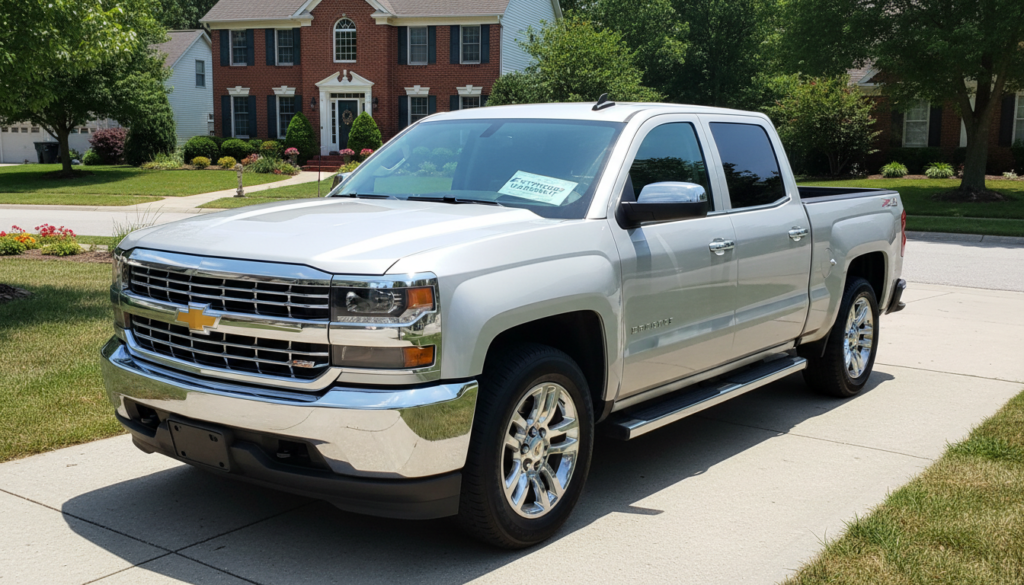
Plans from providers such as Granger Warranty often follow OEM repair standards and use genuine parts. Coverage accepted nationwide protects high‑mileage vehicles during long trips.
| Benefit | What it covers | Why it helps |
|---|---|---|
| Mechanical protection | Major engine, transmission, fuel system | Limits large out‑of‑pocket repair costs |
| OEM standards | Genuine parts, factory repair methods | Maintains vehicle integrity and resale |
| Nationwide acceptance | Service at many shops | Supports owners who tow long distances |
Securing a plan early stabilizes long‑term ownership costs and preserves key features. Buyers of a used silverado should evaluate coverage before heavy use or extended towing.
Conclusion
Choosing the best years means balancing model history with a close look at the actual truck. Start with service records, recall checks, and owner complaint trends.
Skip models with persistent engine or transmission faults when possible. Prioritize vehicles that show timely maintenance and completed recall work.
Whether you favor a classic GMT800 or a modern T1XX, routine care and planned maintenance extend service life. A professional pre-purchase inspection is the most valuable step to confirm condition.
Use this guide to narrow options, then trust a thorough inspection before purchase. That approach helps secure a reliable used silverado and a used chevy you can drive with confidence.
FAQ
Which model years of the Silverado 1500 have the strongest reliability records?
Models from the late 2010s, especially 2014–2018 in third-generation trims and 2019–2021 in the fourth-generation refresh, are noted for solid reliability. These years fixed many earlier transmission and engine issues, improving build quality, electronics, and towing systems. Look for well-documented service history and routine maintenance to confirm durability.
Which model years should buyers approach with caution due to common problems?
Early third-generation examples (2007–2010) and certain early fourth-generation bodies had higher complaint rates. Frequent issues included transmission shudder, excessive oil consumption on some V8s, and timing/lifter noise. A thorough pre-purchase inspection and vehicle history check are essential when considering these model years.
What transmission problems are most often reported and how can they be identified?
Drivers report shudder during acceleration, harsh shift points, and delayed engagement. Symptoms include vibration at low speeds, noticeable jerks between gears, and diagnostic trouble codes for clutch or torque converter functions. Identifying these early prevents damage; ask for a test drive focusing on low- and mid-range acceleration and monitor for error lights.
Are oil consumption and lifter failures a widespread concern? Which engines are affected?
Excessive oil use and lifter noise have been reported on some V8s, particularly certain small-block and EcoTec variants from mid-2000s through the mid-2010s. Regular oil-level checks, using manufacturer-recommended oil, and watching for blue smoke or ticking noises can catch issues early. Repair costs vary by severity and engine type.
How common are electrical and sensor faults, and what should buyers look for?
Electrical complaints range from dashboard warning lights and intermittent sensors to infotainment glitches. Check that all lights, gauges, climate controls, and cameras function during inspection. Confirm firmware updates have been applied and review recall/service records for sensor-related campaigns.
What maintenance steps extend service life and reduce costly repairs?
Follow scheduled oil and filter changes, transmission fluid and coolant services, and timely spark plug and air-filter replacements. Regularly inspect brakes, suspension, and drivetrain components. Detailed service records increase resale value and reduce the risk of hidden problems.
Should buyers consider extended warranties or vehicle service contracts?
Yes. Extended coverage can offset high-cost repairs like transmission rebuilds or engine work, especially on higher-mileage trucks. Evaluate contract terms, covered components, deductibles, and authorized repair facilities before purchasing. OEM-backed plans or reputable third-party warranties offer the best protection.