Chevy Equinox Gas Mileage by Year (2018-2025): FWD vs AWD Chart
The Chevy Equinox has largely replaced the sedan for many families, primarily because it promises car-like fuel efficiency. But does the real-world mileage match the window sticker?
The Short Answer: Not always. While the EPA rates the new 1.5L Turbo models up to 31 MPG highway, real-world tests often tell a different story.
The 2025 Drivetrain Shift: Your gas mileage now depends heavily on which transmission you choose:
- FWD Models (CVT): Designed purely for maximum MPG.
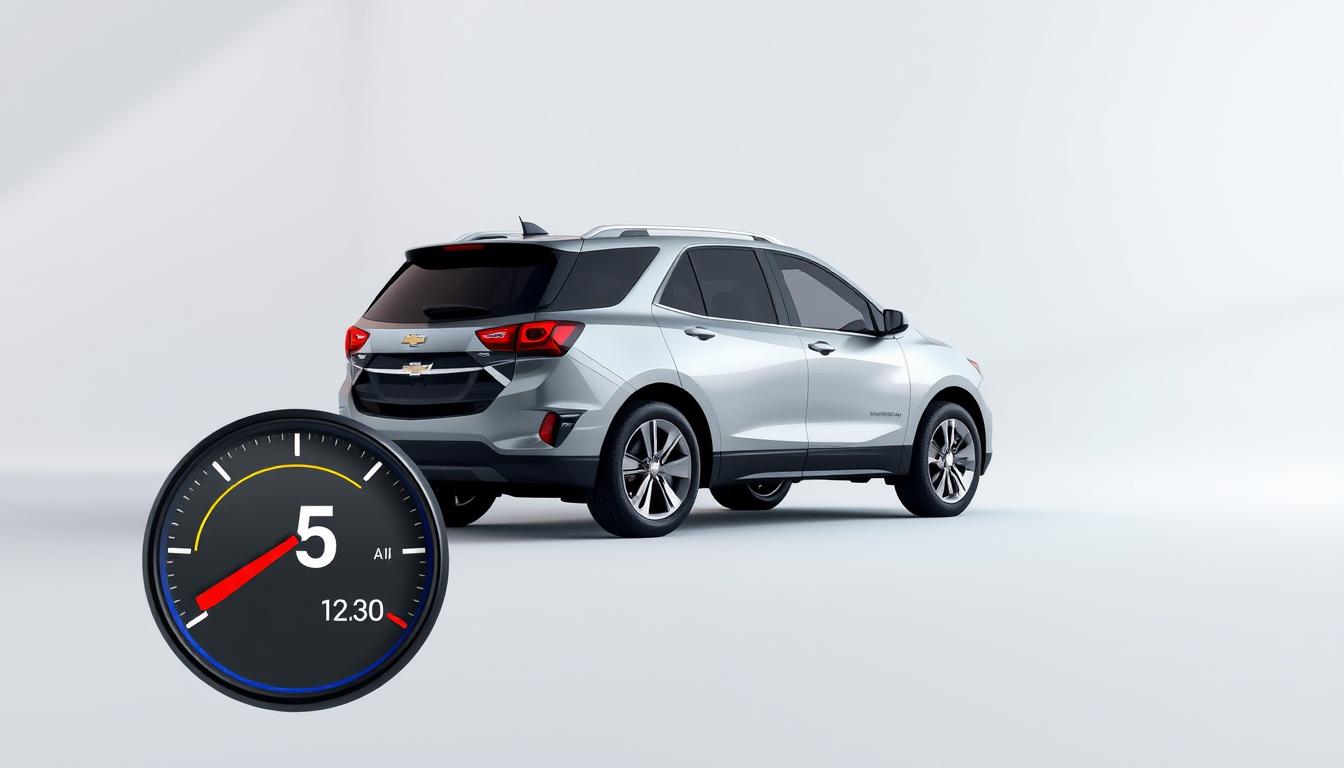
- AWD Models (8-Speed Auto): Offers better driving feel but drops efficiency. In our recent AWD road test, we averaged 25 MPG combined—slightly below the official rating.
Whether you are looking at a used 2018 model or the redesigned 2025 ACTIV trim, this guide cuts through the marketing fluff. We compare the official EPA numbers against owner reports to show you exactly what to expect at the pump.
Overview of Chevy Equinox fuel economy across model years
The Equinox has seen many changes in engine design and efficiency over the years. Early models had bigger V6 engines, but they didn’t get great gas mileage on the highway. Later, smaller turbocharged engines were used, which improved EPA ratings. But, real-world gas mileage can vary based on the drivetrain and trim level.
It looks at how the Equinox’s fuel economy has changed over time. It also explores what led to these changes.
For V6 owners, ensuring the ignition sequence is correct is critical. Verify your cables with our Chevy 4.3 firing order diagram.
How redesigns affected fuel efficiency?
Big changes in 2010, 2018, and 2025 impacted the Equinox’s weight, aerodynamics, and engine choices. The 2010 model was lighter and had better four-cylinder engines. The 2018 update brought smaller turbo engines, which raised EPA ratings without losing speed.
The 2025 model keeps a 1.5L turbo engine but changes the transmissions. FWD gets a CVT, while AWD gets an 8-speed automatic. Each update aimed to improve fuel efficiency while balancing performance and cost.
EPA and real-world mpg trends from older to 2025 models
EPA ratings have generally gone up from the V6 era to the turbo era. But, owners and road tests often show lower averages, mainly with AWD and heavier trims. The 2018–2024 period saw the best highway numbers with the diesel engine.
The 2025 AWD test got about 25 mpg overall. This shows that comparing Equinox gas mileage needs to consider both EPA estimates and real-world results.
Common differences between generations (2010–present)
Generational changes include engine, transmission, and weight differences. From 2010 to 2017, there was a mix of four-cylinder and V6 engines. But, from 2018 on, turbocharged four-cylinders became the norm, reducing displacement and boosting EPA ratings.
Another big difference is the drivetrain. Older models had traditional automatics, while newer ones use CVTs or advanced 8-speed automatics. These choices affect the Equinox’s fuel economy and how it performs in the city versus on the highway.
| Era | Common Engines | Typical EPA Range (mpg) | Real-world Notes |
|---|---|---|---|
| 2005–2009 | 3.4L V6 (~185 hp) | 16–22 combined | Lower fuel economy versus compact rivals; heavier and thirstier in city driving |
| 2010–2017 | 2.4L I4, 3.0–3.6L V6 | 18–26 combined | Improved dynamics; V6 boosted power but reduced mpg compared to four-cylinders |
| 2018–2024 | 1.5L turbo, 2.0L turbo, brief diesel option | 22–30 combined | Smaller turbos improved EPA; diesel offered strong highway mileage near 40 mpg when available |
| 2025 | 1.5L turbo (175 hp) | Projected 24–28 combined | CVT for FWD, 8-speed for AWD; road-test AWD returned ~25 mpg overall |
- Engine downsizing reduced fuel use but raised turbocharging complexity.
- Transmission pairing plays a key role in chevy equinox mpg trends.
- Trim and AWD choices create the largest gaps in equinox gas mileage comparison.
Chevy equinox gas mileage
The Equinox’s current generation has EPA figures that help buyers and reviewers. These ratings vary by drivetrain and transmission type. Front-wheel-drive models with the CVT have better city and combined mpg than all-wheel-drive versions with the 8-speed automatic.
These EPA values make it easy to compare different trims and model years. They help estimate the chevy equinox mpg.
Official EPA ratings for current-generation Equinox
EPA ratings are based on tests that measure city, highway, and combined mpg. The 1.5L turbo Equinox has different combined numbers for FWD/CVT and AWD/8-speed setups. It’s important to check the specific trim label or agency listing for exact chevy equinox fuel economy.
Observed mpg from road tests and owner reports
Independent road tests and owner reports give real-world insights. For example, a 2025 AWD Equinox got 25 mpg in a Consumer Road Test. Test drivers liked the ride comfort and steering, saying the real-world mpg was close to daily use.
Owner reports show mpg varies with city and highway driving. Heavier equipment and roof racks lower numbers. New models may have limited data, so averages can change as more owners log miles.
Why EPA vs real-world numbers can differ?
EPA tests use controlled cycles for consistent results. Real-world chevy equinox gas mileage changes with traffic, weather, and driving style. Aggressive driving and stop-and-go traffic lower mpg.
Vehicle specifics affect gas mileage. Tire type, wheel size, added weight, and accessories change resistance and drag. Transmission behavior also matters. CVTs keep the engine efficient, while 8-speed automatics shift gears differently.
Expect everyday chevy equinox fuel economy to be 5–15% above or below EPA numbers. Use EPA ratings as a starting point. Then adjust based on your driving habits.
Engine and drivetrain options that impact chevy equinox fuel efficiency
The 2025 Equinox has a 1.5-liter turbocharged four-cylinder engine. It makes about 175 hp. When paired with front-wheel drive and a continuously variable transmission, it offers the best fuel efficiency.
All-wheel-drive models have an 8-speed automatic. This adds weight and mechanical drag. It usually lowers the fuel efficiency compared to the FWD+CVT setup.
In the past, the Equinox had bigger engines. There was a 2.0-liter turbo and a 3.6-liter V6 in the 2010s. These engines increased power but decreased fuel economy. A diesel option around 2018 offered near-40 mpg highway before it was discontinued. This shows how engine choice affects fuel efficiency.
For the best fuel economy, choose FWD with the CVT. AWD, bigger engines, roof racks, or heavier trim levels will lower it. These choices impact the fuel efficiency in everyday driving.
| Powertrain | Typical pairing | Relative effect on chevy equinox fuel efficiency | Real-world note on chevy equinox mileage per gallon |
|---|---|---|---|
| 1.5L turbo | FWD + CVT | Best combined and highway economy in current lineup | Consistent mid-to-high 20s mpg in mixed driving |
| 1.5L turbo | AWD + 8-speed automatic | Lower than FWD due to weight and drivetrain losses | Typical drop of 1–3 mpg versus FWD on similar routes |
| 2.0L turbo (older) | 8-speed auto | Higher power, reduced fuel economy | Often mid-20s combined, lower in city driving |
| 3.6L V6 (older) | 6- or 8-speed auto | Highest fuel consumption among options | Low-20s to high-teens mpg under heavy load |
| Diesel (2018-era) | FWD/Auto | Best highway MPG when available | About 40 mpg on highway tests when option existed |
Trim differences and mpg: LT, RS, and ACTIV fuel economy
The 2025 Equinox lineup has three main trim options. The LT is for those who want the best gas mileage. The RS has sporty looks but might weigh a bit more. The ACTIV is for off-road adventures, which can affect fuel economy.
Most FWD Equinoxes come with a CVT. This setup helps get better EPA ratings and fuel efficiency for daily driving. AWD models, on the other hand, have an 8-speed automatic and use more fuel.
Equipment and weight impacts on mpg
Adding features like heated seats and bigger wheels can increase fuel use. Roof racks and towing hardware also add weight and drag. The ACTIV trim, with its off-road gear, usually has the lowest fuel economy.
Trim-specific real-world examples and expected ranges
- LT FWD with CVT: generally posts the best gas consumption among trims. Use EPA baseline numbers as a reference point for commuting and highway driving.
- RS AWD: sporty look plus AWD tends to lower combined mpg by several mpg versus FWD siblings. Expect a mid-range drop in city and highway figures.
- ACTIV AWD: highest equipment and off-road hardware usually yield the lowest chevy equinox trim mpg in everyday use. Plan for the largest gap in mixed driving.
Practical guidance
If you want to save on gas, choose the LT FWD with CVT. If you need AWD or prefer the RS or ACTIV, expect a small mpg drop. Making small choices, like choosing smaller wheels, can help save fuel.
Chevy Equinox mpg compared to compact SUV competitors
The compact SUV market values fuel efficiency and practical use. This comparison looks at the Equinox against main rivals. It highlights the trade-offs when fuel economy is key. We focus on mpg, drivetrains, and what owners see on long trips.
The RAV4 and CR-V often lead with hybrid powertrains. Subaru Forester shines with standard AWD and good highway numbers. The Equinox competes well in non-hybrid trims but falls behind hybrids in combined MPG.
Compare typical EPA combined figures and real-world results for common setups. Use this snapshot when doing a chevy equinox mpg vs rav4 check during test drives or research.
| Model / Setup | Typical EPA Combined (est.) | Real-World Combined (reported) | Notes |
|---|---|---|---|
| Chevrolet Equinox 1.5L AWD | ~26 mpg | 25 mpg (road test) | Practical AWD example; close to EPA but below hybrid rivals |
| Toyota RAV4 (gas) | ~28–30 mpg | 27–29 mpg | Strong non-hybrid EPA; consistent highway performance |
| Toyota RAV4 Hybrid | ~40–41 mpg | 36–40 mpg | Segment-leading combined fuel economy |
| Honda CR-V (gas) | ~28–30 mpg | 26–29 mpg | Balanced efficiency and daily usability |
| Honda CR-V Hybrid | ~38–40 mpg | 34–38 mpg | Notable step up in combined MPG vs gas-only models |
| Subaru Forester (AWD) | ~27–29 mpg | 26–28 mpg | Strong highway economy for a standard-AWD vehicle |
The Equinox lags behind: hybrids from Toyota and Honda offer much higher combined MPG. Buyers focused on the chevy equinox fuel economy comparison should expect a gap when comparing gas-only Equinox trims to hybrid rivals.
The Equinox matches or holds ground: non-hybrid RAV4, CR-V, and Forester trims often post similar EPA numbers. Styling, tech features, or price can tip the balance for shoppers who accept slightly lower mpg in exchange for those benefits.
Practical buyer considerations include intended mileage, drive conditions, and AWD needs. For drivers who value all-wheel traction and daily highway use, compare AWD real-world numbers closely; the Equinox AWD road-test figure of 25 mpg is a useful benchmark in chevy equinox gas mileage comparison.
Summarize priorities before choosing: absolute MPG advantage points to hybrids. If interior comfort, infotainment, or value matter more, weigh those against projected fuel costs. Use a side-by-side chevy equinox fuel economy comparison and a chevy equinox mpg vs rav4 check while on the lot or during a test drive to confirm expectations.
Factors that influence equinox gas mileage in daily driving
How you drive affects your gas mileage. Fast starts and hard stops use more fuel. But, driving smoothly helps your car run more efficiently.
Where you drive also matters. City traffic with lots of stops lowers your gas mileage. But, driving on the highway usually gets you better gas mileage.
Driving in different terrains and weather changes your gas use. Driving up hills or in cold weather uses more fuel. Using the heater or air conditioner also lowers your gas mileage.
Carrying extra weight or towing affects your gas use. More passengers or cargo means your car works harder. This can make your gas mileage worse.
The type of tires and wheels you have also matters. Narrow, low-rolling-resistance tires help your gas mileage. But, big wheels and knobby tires can make it worse.
Keeping your car in good shape is important. Clean air filters, proper tire pressure, and regular maintenance help your gas mileage. Neglecting these can make your car use more fuel.
Adding accessories can change how your car handles. Roof racks and cargo boxes add weight and drag. Removing them can help your gas mileage.
By making a few changes, you can get closer to the EPA’s gas mileage estimates. Drive smoothly, keep up with maintenance, and avoid extra weight. This can help you get better gas mileage.
Here’s a quick checklist to help you improve your gas mileage:
- Drive smoothly and avoid rapid throttle inputs.
- Maintain correct tire pressure and choose efficient tires.
- Limit rooftop cargo and extra weight when possible.
- Keep up with air filter, spark plug, and oil changes.
- Plan routes to minimize stop-start traffic.
Maintenance and driving habits that improve chevy equinox mileage per gallon
Small, regular actions can make a big difference in chevy equinox fuel economy. Keeping the engine clean and reducing friction and drag are key. Your driving choices also play a big role in how much fuel your Equinox uses.
Recommended maintenance to preserve fuel economy
Make sure your tires are at the right pressure. Low pressure means more resistance and less MPG.
Change your air and fuel filters on time. Dirty filters make the engine work harder and use more fuel.
Use the right engine oil and change it when needed. Clean oil reduces friction and helps your Equinox meet EPA estimates.
Keep your wheels aligned and replace spark plugs as recommended. Misaligned wheels and weak spark plugs hurt fuel efficiency.
Driver habits that boost efficiency
Drive at steady speeds and avoid sudden accelerations. Cruising on the highway at a steady pace is better than city driving.
Anticipate traffic to avoid hard braking and unnecessary speeding up. Smooth driving saves fuel during speed changes.
Use eco or traction modes when you can. These modes help improve efficiency without losing control.
Using cruise control, tire pressure, and proper load management
Use cruise control on long, flat stretches. It keeps your speed steady and can improve MPG.
Check tire pressure often and before long trips. Proper pressure can save several MPG compared to underinflated tires.
Remove extra cargo and attachments. Less weight and drag mean better fuel efficiency on the road.
- Combine errands to reduce cold starts, when engines run richer and burn more fuel.
- Avoid excessive idling. Modern engines are more efficient when moving than when idling for long periods.
- Monitor fuel economy through the instrument cluster and adjust habits if numbers fall.
By following these maintenance tips and driving habits, you can gain several MPG. The gap between EPA ratings and real-world fuel economy can be narrowed with simple, consistent actions.
Chevy Equinox hybrid and electrified options: availability and expected gas mileage
Chevrolet’s 2025 Equinox lineup features 1.5L turbo gasoline engines in LT, RS, and ACTIV trims. There’s no hybrid Equinox in the U.S. model lineup yet. If you’re looking to save on fuel, compare the Equinox with Toyota, Honda, Hyundai, and Kia’s electrified models.
Current market status and competitors
Toyota’s RAV4 Hybrid and Honda’s CR-V Hybrid lead in combined MPG. Hyundai Tucson Hybrid and Kia Sportage Hybrid also offer great benefits. These models set a high bar for what a Chevy hybrid might achieve in city and highway driving.
How a hybrid Equinox would change expectations?
A hypothetical Equinox hybrid could reach 30–40+ MPG combined. Hybrids excel in city driving thanks to electric assist and regenerative braking. They offer better low-speed efficiency and stop-and-go economy than the 1.5L turbo models.
Plug-in hybrid and BEV context
Rivals have plug-in hybrids with 20–40+ electric miles, perfect for short trips. Fully electric small SUVs focus on MPGe and range. Chevrolet’s EVs in other segments suggest an Equinox EV could shift focus to electric range and charging.
Practical buying note
For immediate fuel savings, compare the Equinox’s gas mileage with hybrid rivals. Keep an eye on Chevrolet’s announcements for electrified models. These could change the cost of ownership and reduce gas use.
| Vehicle | Powertrain | Typical Combined MPG / MPGe | Notable benefit |
|---|---|---|---|
| Chevrolet Equinox (2025) | 1.5L turbo gas | Mid-20s combined (conventional) | Lower purchase complexity, familiar service network |
| Toyota RAV4 Hybrid | Hybrid (gas + electric) | ~40 MPG combined | Strong city efficiency, high resale |
| Honda CR-V Hybrid | Hybrid (gas + electric) | ~38–40 MPG combined | Smooth hybrid blending, reliable economy |
| Hyundai Tucson Hybrid | Hybrid / PHEV options | 30–37 MPG (hybrid), 20–40 EV miles (PHEV) | Versatile choices, strong tech value |
| Kia Sportage Hybrid | Hybrid / PHEV options | ~34 MPG (hybrid), 20–40 EV miles (PHEV) | Competitive pricing for hybrid tech |
Real owner feedback and equinox gas mileage reviews
Consumer Reports and road-test outlets have mixed results for recent Equinox models. A 2025 AWD road-test got 25 mpg combined. Many owners mention this in forums and social media.
This number is often used as a comparison when people talk about their own driving experiences.
Owners share a wide range of results in chevy equinox gas mileage owner reports. FWD models with the 1.5L turbo usually match EPA numbers. AWD drivers see a drop in MPG compared to FWD, which matches tester results.
Real-world results depend on the drivetrain, load, and local climate.
Reviewers love the cabin comfort and the twin 11-inch screens in newer models. Fuel economy is good in most nonhybrid trims but not the best. Chevy equinox mpg reviews show steady but not outstanding efficiency compared to rivals with bigger hybrid options.
Long-term owner groups offer insights beyond road tests. They share how tire choice, highway mileage, and maintenance affect MPG. New buyers should look at these reports and road tests to see how mileage changes over time.
Practical tips from owners and testers include using road-test MPG as a guide. They suggest logging trips for several tanks and comparing notes in communities focused on ownership costs. These steps help uncover trends that single reviews might miss and set realistic expectations for chevy equinox mpg reviews.
Cost-of-ownership implications of chevy equinox fuel efficiency
Fuel economy is key in the long-term cost of a compact SUV. Small differences in fuel mileage add up over time. This section looks at fuel expenses, trim and drivetrain choices, and resale and owner sentiment.
Fuel cost calculations
Estimate annual fuel spend with a simple formula: annual miles ÷ expected MPG × current gas price. For 12,000 miles at 25 mpg and $3.50 per gallon, the cost is (12,000 / 25) × $3.50 = $1,680. Switching to a 30-mpg model saves about $280 a year.
Trade-offs: purchase price, trim choices, and MPG savings
Higher trims like the RS or ACTIV add tech and safety features. But, they also weigh more, reducing mpg. AWD boosts traction but increases fuel use.
Think about the break-even point when comparing trims. A $2,500 upgrade might lower mpg by 2, increasing fuel costs. Hybrid models may cost more upfront but save on fuel for high-mileage drivers.
Resale and owner satisfaction context
Resale value depends on economy, reliability, and desirability. Models with good mpg tend to hold value better. Early reviews of the 2025 Equinox will shape resale and satisfaction.
Quick reference: annual fuel scenarios
| Scenario | MPG | Annual Fuel Cost (12,000 mi, $3.50/gal) | Difference vs 25 mpg |
|---|---|---|---|
| AWD Equinox (example) | 25 | $1,680 | — |
| FWD/CVT hypothetical | 30 | $1,400 | -$280 |
| Hybrid competitor (estimate) | 40 | $1,050 | -$630 |
| Lower-trim heavier setup | 22 | $1,909 | +$229 |
Compare the cost of trims to fuel savings to choose the right Equinox. Think about chevy equinox gas mileage cost of ownership, even if you don’t need AWD often.
Tips for choosing the best gas mileage chevy equinox for your needs
Choosing the right Equinox depends on your driving habits and needs. If you want to save on gas, pick a lighter model and a setup for the highway. Here are some tips to help you pick the best Equinox for your fuel needs without losing out on features.
When to prefer FWD with CVT?
For daily commuting and highway driving in mild weather, FWD with CVT is best. This combo offers the highest EPA and real-world MPG. It’s perfect for those who don’t need 4-wheel drive often.
When AWD with 8-speed automatic makes sense?
Choose AWD with the 8-speed automatic for snowy, icy, or rough roads. This setup may not be as fuel-efficient but is better for off-road use. Expect MPG in the mid-20s on mixed routes.
Trim selection based on use
LT trims are great for those who value efficiency without extra weight. RS models offer sportier looks but may use more gas. ACTIV trims are for those who want rugged looks and some off-road capability, even if it means less fuel efficiency.
Checking MPG during a test drive
Use the trip computer to track MPG during a test drive. Try both city and highway driving. This helps estimate your real-world MPG.
What to inspect that affects fuel economy?
- Wheel and tire size — larger wheels often lower MPG.
- Roof racks and cargo carriers — they increase drag.
- Aftermarket accessories — lighting or heavy skid plates add weight.
- Tire condition and pressure — underinflation harms economy noticeably.
Verification resources
Ask dealers for recent MPG logs or check owner forums. Real-world reports can give you a better idea of MPG under local conditions.
Decision framework
First, decide on drivetrain, then trim. High annual miles mean small MPG gains add up to big savings. Use these tips to balance capability and efficiency, choosing the best Equinox for your needs and budget.
Conclusion
The 2025 Chevrolet Equinox is a great mix of everyday use and good gas mileage. The 1.5L turbo engine is standard, and it works well with front-wheel-drive and the CVT. This combo gives the best fuel economy.
On the other hand, AWD with the 8-speed automatic might lower the combined MPG. A test drive showed a 2025 AWD unit got 25 mpg combined. This is what many owners can expect in real driving.
Downsized turbo engines have made cars more efficient over time. But, the Equinox doesn’t always beat its rivals, like hybrid models. Choosing lighter trims and FWD systems can help use less gas.
Regular maintenance and correct tire pressure are key. They help get closer to the EPA’s fuel estimates. Steady driving also makes a difference.
Start with EPA numbers, then look at road tests and owner reports. This helps choose the right setup for you. If you want to save gas, go for FWD/CVT and simpler equipment. These tips help get the most out of your Equinox.
FAQ
What is the real-world combined mpg for the 2025 Chevy Equinox AWD?
A 2025 Equinox AWD got 25 mpg in a road test. This is for the AWD model with a 1.5L turbo and an 8-speed automatic. It’s a good benchmark for many owners.
Which Equinox configuration gives the best fuel efficiency?
The FWD models with a 1.5L turbo and a CVT get the best gas mileage. They are lighter and have fewer losses than AWD models. So, they usually get higher EPA and real-world mpg.
How do EPA ratings compare to what drivers actually see?
EPA ratings are a standard, but real-world mpg can vary. It depends on traffic, climate control, payload, driving style, tires, and trim. Use EPA numbers as a starting point, but expect variations based on your driving habits.
How much does choosing AWD reduce Equinox fuel economy?
AWD models are heavier and have more drivetrain drag. They pair with an 8-speed automatic, which lowers mpg. The AWD model’s 25 mpg in a road test shows a realistic difference from lighter FWD trims.
Do trim choices (LT, RS, ACTIV) affect fuel mileage?
Yes. The LT trim is the lightest and usually has the best fuel efficiency. RS adds sporty styling but is slightly heavier. ACTIV has rugged hardware and larger wheels, which reduce mpg the most.
How did Equinox fuel economy evolve across generations?
Early Equinox models (2005–2009) had big V6 engines and poor mpg. The 2010 redesign improved efficiency a bit. The 2018 models used small turbocharged engines, raising EPA numbers. The 2025 models keep a 1.5L turbo but real-world figures are lower than some hybrid rivals.
Should I consider a hybrid or a different model if mpg is a priority?
If you want the best fuel economy, consider hybrids like the Toyota RAV4 Hybrid or Honda CR-V Hybrid. They offer higher combined mpg and lower fuel costs. The 2025 Equinox is gasoline-only, so hybrids are usually better.
What maintenance and driving habits will improve Equinox mpg?
Keep tires inflated, replace air and fuel filters, use the right oil, and maintain alignment. Change spark plugs as needed. Drive smoothly, use cruise control, combine trips, and remove unnecessary roof racks or cargo to reduce drag and weight.
How can I estimate annual fuel costs for my Equinox?
Divide annual miles by mpg and multiply by fuel price. For example, at 12,000 miles and 25 mpg with .50/gal gas, annual fuel costs are about
FAQ
What is the real-world combined mpg for the 2025 Chevy Equinox AWD?
A 2025 Equinox AWD got 25 mpg in a road test. This is for the AWD model with a 1.5L turbo and an 8-speed automatic. It’s a good benchmark for many owners.
Which Equinox configuration gives the best fuel efficiency?
The FWD models with a 1.5L turbo and a CVT get the best gas mileage. They are lighter and have fewer losses than AWD models. So, they usually get higher EPA and real-world mpg.
How do EPA ratings compare to what drivers actually see?
EPA ratings are a standard, but real-world mpg can vary. It depends on traffic, climate control, payload, driving style, tires, and trim. Use EPA numbers as a starting point, but expect variations based on your driving habits.
How much does choosing AWD reduce Equinox fuel economy?
AWD models are heavier and have more drivetrain drag. They pair with an 8-speed automatic, which lowers mpg. The AWD model’s 25 mpg in a road test shows a realistic difference from lighter FWD trims.
Do trim choices (LT, RS, ACTIV) affect fuel mileage?
Yes. The LT trim is the lightest and usually has the best fuel efficiency. RS adds sporty styling but is slightly heavier. ACTIV has rugged hardware and larger wheels, which reduce mpg the most.
How did Equinox fuel economy evolve across generations?
Early Equinox models (2005–2009) had big V6 engines and poor mpg. The 2010 redesign improved efficiency a bit. The 2018 models used small turbocharged engines, raising EPA numbers. The 2025 models keep a 1.5L turbo but real-world figures are lower than some hybrid rivals.
Should I consider a hybrid or a different model if mpg is a priority?
If you want the best fuel economy, consider hybrids like the Toyota RAV4 Hybrid or Honda CR-V Hybrid. They offer higher combined mpg and lower fuel costs. The 2025 Equinox is gasoline-only, so hybrids are usually better.
What maintenance and driving habits will improve Equinox mpg?
Keep tires inflated, replace air and fuel filters, use the right oil, and maintain alignment. Change spark plugs as needed. Drive smoothly, use cruise control, combine trips, and remove unnecessary roof racks or cargo to reduce drag and weight.
How can I estimate annual fuel costs for my Equinox?
Divide annual miles by mpg and multiply by fuel price. For example, at 12,000 miles and 25 mpg with $3.50/gal gas, annual fuel costs are about $1,680. Switching to a FWD/CVT Equinox that achieves 30 mpg would save around $280 per year at that price.
Where can I find more owner-reported chevy equinox gas mileage and reviews?
Look for owner reports and long-term mpg logs in Consumer Reports, automotive forums, and owner groups. Early reports for the 2025 model are emerging. Consult road tests and owner forums for a full picture of real-world fuel economy.
,680. Switching to a FWD/CVT Equinox that achieves 30 mpg would save around 0 per year at that price.
Where can I find more owner-reported chevy equinox gas mileage and reviews?
Look for owner reports and long-term mpg logs in Consumer Reports, automotive forums, and owner groups. Early reports for the 2025 model are emerging. Consult road tests and owner forums for a full picture of real-world fuel economy.