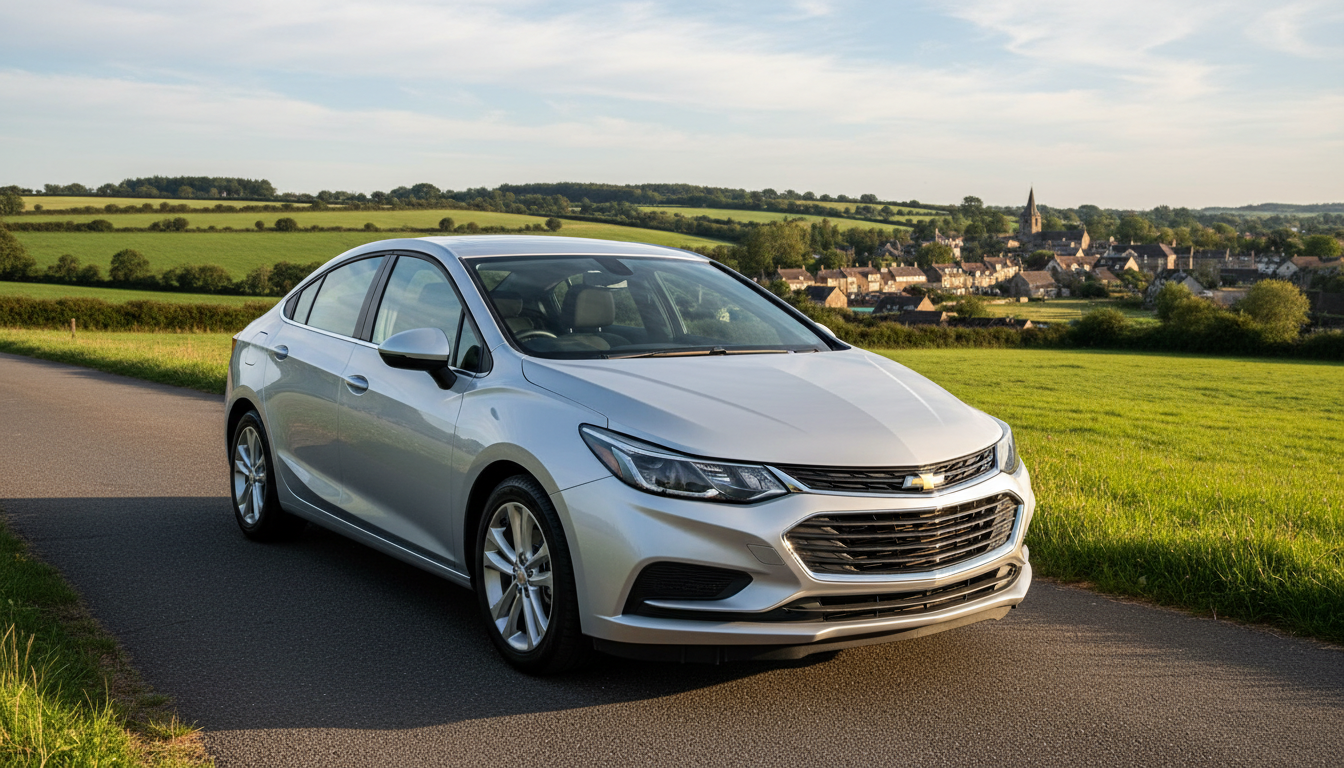
Are Chevy Cruze Good Cars?
It depends mostly on the model year, not the badge. Buyers in the U.S. should treat the Chevrolet Cruze like any used small sedan: some years shine, others carry extra risk.
This piece frames the question as a best-vs-worst model years comparison. The goal is to help a used car shopper choose wisely. Expect a clear shortlist of best years, years to avoid, and the most common failures.
Early generation years have higher repair and complaint trends. Late second-generation years tend to be the safest daily drivers.
“Good” here means predictable reliability, modest repair cost, solid fuel economy, and reasonable safety/recall history. The article uses complaint trends and recall patterns as practical signals because online listings rarely tell the whole story.
Finally, readers will get a practical cost/value reality check and data-driven recommendations for shopping the compact market.
Are chevy cruze good cars for U.S. drivers today?
For U.S. commuters, the core question is whether a specific model year will deliver predictable daily service.
What “good” means for a used compact?
Good here means the vehicle starts each morning, handles highway miles without drama, and won’t demand a $2,000+ repair soon after purchase.
Reliability and durability differ. Reliability is whether the car runs day-to-day. Durability is how long it lasts with proper maintenance.
Quick take from complaints and reliability data
Overall reliability sits in the mid-range: RepairPal rates the model at 4/5 and recent J.D. Power scores land in the mid-to-high 80s. Still, model year matters most.
- Some years show repeated transmission and cooling-system problems that cost time and money.
- A higher-mile example from a strong year often beats a low-mile unit from a problem year.
- Use complaint trends and recall history to spot patterns, not just odometer numbers.
Bottom line: the Cruze can make a solid commuter car if you choose the right years and verify service records before buying a used car.
Chevrolet Cruze overview vs other compact cars in its class
The Cruze sits in the compact segment as a value-focused alternative to pricier rivals. It competes on price, availability, and efficiency in the U.S. market.
Where it wins: Buyers often choose the chevrolet cruze for affordability and fuel economy. The 1.4L turbo with a 6-speed automatic delivers highway numbers near the class lead. Interior comfort and simple controls make it an easy daily driver.
Where it can lose: Early generations showed notable reliability issues. Some model years reported engine and transmission failures that raise ownership cost despite low sticker prices.
- Trim and powertrain matter: gas vs diesel, manual vs automatic change the risk profile.
- Paper value (low purchase price) can be offset by expensive repairs later.
- Shopers cross-shopping Civic or Corolla should be selective by year; a used chevy cruze from a strong year can still be a smart value play.
| Feature | Typical Spec | Strength | Buyer note |
|---|---|---|---|
| Powertrain | 1.4L turbo, 6-sp auto | Good MPG (28–38 mpg) | Check service history for engine/turbo care |
| Comfort | Compact sedan layout | Quiet, practical daily ride | Trim affects features and long-term value |
| Reliability | Varies by year | Second-gen performs better | Avoid high-risk years to reduce repair issues |
The key divider is generation. The next section compares first-gen vs second-gen reliability and explains what changed after the redesign.
Cruze generations compared: first-gen vs second-gen reliability
Split by redesign, the first and second generations show different reliability trends. Buyers should track generation to avoid surprises when scanning listings.
First generation (2011–2015) — years to avoid
The 2011–2015 group shows higher complaint volume and more recalls. Common issues include overheating, head-gasket symptoms, and shifting problems.
Those engine and transmission failures can turn a cheap buy into an expensive repair project. For many buyers, these cruze years avoid are the primary red flag.
Second generation (2016–2019) — improvements and notes
The redesign from 2016 onward reduced overall complaints and improved reliability. Still, 2016 is improved but not perfect; inspect service history closely.
Late second-gen model years (2018–2019) are generally the safest picks for predictable ownership.
Sedan vs hatchback and diesel notes
Mechanically, sedan and hatchback models track by year; the 2017 hatchback added packaging but not a new drivetrain story. Diesel variants (offered from 2014) need special maintenance checks and parts availability reviews.
- Shopping rule: favor late second-gen cruze years first; only consider first-gen when maintenance records are spotless.
| Generation | Years | Key risks | Buyer note |
|---|---|---|---|
| First-gen | 2011–2015 | Engine overheating, head gasket, transmission shifting | Avoid unless full service history and compression tests are clean |
| Second-gen | 2016–2019 | Fewer complaints; 2016 needs extra checks | Prefer 2018–2019 for lower ownership risk |
| Special trims | 2014 diesel; 2017 hatchback | Diesel maintenance; hatchback packaging differences | Evaluate parts access and maintenance history |
Best Chevy Cruze model years vs Cruze years to avoid
2018–2019 top the list as the best years for a used chevrolet cruze. These late second‑generation models show the fewest complaints, smaller recall sets, and the best overall reliability in sources that track owner reports.
Best years to buy used: 2018–2019
2018 and 2019 are the safest picks. They have lower complaint volume and fewer severe problem patterns than earlier model years.
Watch for small recall items—reported transmission fluid leak repairs tied to missing bolts and occasional rear brake caliper coating fixes.
Other strong options: 2016–2017
2016–2017 benefit from the redesign and sit as solid budget choices. They improve on earlier engine and transmission trends, but require a careful pre‑purchase inspection.
Worst years to avoid: 2011–2015
The 2011–2015 span includes the highest complaint counts and repeated engine and transmission problems. Sources consistently label 2011 and 2012 as the worst within this group.
Why 2011 and 2012 stand out?
Owners reported frequent head‑gasket symptoms, engine overheating, braking concerns, and shifting failures that sometimes ended in transmission failure. Those patterns explain why low prices can mask expensive future repairs.
How to compare model years yourself?
Use a simple method: check complaint counts by category, scan NHTSA recall campaigns, then confirm service history for cooling system, turbo care, and transmission service on the specific listing.
- Shopping shortlist: 1) 2019, 2) 2018, 3) 2016–2017.
- Years to avoid: 2011–2015 unless full records and clean tests are available.
| Rank | Years | Key reason |
|---|---|---|
| 1 | 2019 | Lowest complaint volume; best reliability |
| 2 | 2018 | Few issues; watch small recalls |
| 3 | 2016–2017 | Redesign benefits; inspect transmission and turbo service |
| Avoid | 2011–2015 | High engine issues and transmission failures |
Common Chevy Cruze problems to compare before you buy
Before you start test-driving listings, use this checklist to spot red flags that signal costly repairs. These points help compare two similar model-year listings and pick the safer buy.
Transmission symptoms to feel for
Watch for harsh shifting, slipping, or refusal to engage. Those signs often precede transmission failure and big bills.
Note model years 2011 2015 more commonly reported shifting and failure patterns. Ask for transmission service receipts and a fluid check.
Engine warning signs
Blown head gaskets cause oil contamination and overheating. Misfires show as reduced power and a persistent check-engine light.
Listen for rough idle, hesitation on acceleration, and excessive oil consumption.
Cooling, coolant leaks, and smells
Look for visible coolant leaks, an antifreeze smell inside the cabin, or rising temps in traffic. A/C cutting out can be a protection response to overheating.
Electrical problems to test
Try a full start sequence, cycle infotainment, and watch for flickering gauges. Intermittent no-starts or repeat warning lights suggest wiring or sensor faults.
Request cooling-part receipts, transmission fluid history, and run an OBD-II scan for repeat codes. Minor glitches are manageable; overheating or shifting issues should change the offer or stop the sale.
| Problem area | Common symptoms | Likely severity | Buyer action |
|---|---|---|---|
| Transmission | Harsh shifts, slipping, no-gear | High — potential failure | Check fluid, service records, test drive |
| Engine | Misfire, reduced power, oil contamination | High — head gasket risk | Compression test, oil analysis |
| Cooling | Coolant leaks, antifreeze smell, overheating | Medium–High — can disable A/C | Inspect hoses, radiator, receipts |
| Electrical | No-starts, screen glitches, warning lights | Low–Medium | OBD-II scan, check wiring history |
Value for money comparison: Cruze ownership costs vs what you get?
A realistic value comparison looks beyond sticker price to fuel spend, routine upkeep, and the chance of a major repair.
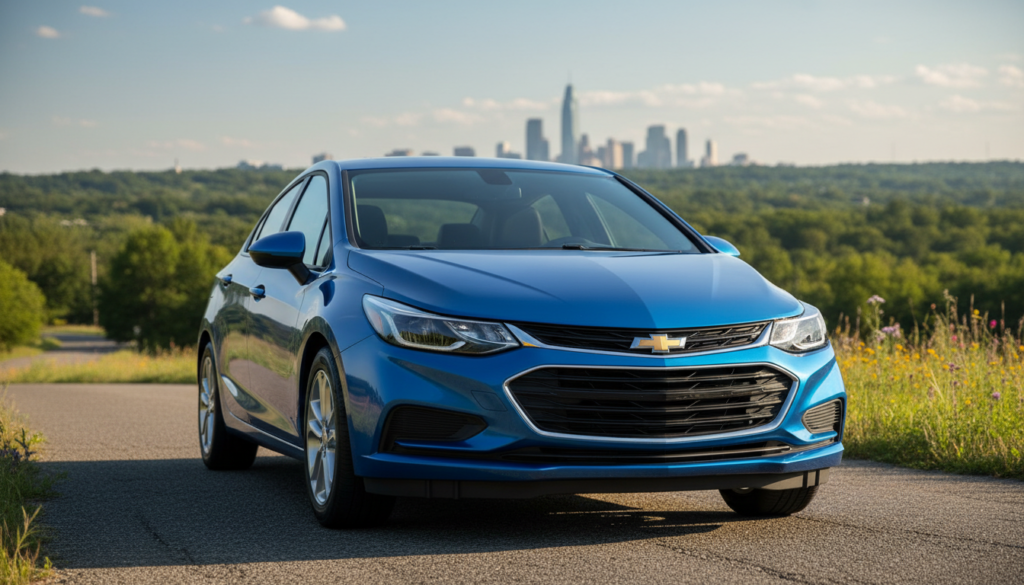
The 1.4L turbo sedan posts solid EPA numbers. The 2018 gas auto lists about 29 city / 40 highway / 33 combined mpg. The 2018 diesel improves that to roughly 31 city / 47 highway / 37 combined mpg.
Average annual maintenance and repair costs land near $545, though older model years often report higher bills. That mid‑hundreds estimate covers oil, brakes, and periodic service, not a one‑time major engine or transmission fix.
| Item | 2018 gas | 2018 diesel | Notes |
|---|---|---|---|
| EPA mpg (city/hwy/comb) | 29 / 40 / 33 | 31 / 47 / 37 | Diesel best on long drives |
| Avg annual cost | $545 (typical) | Older years can be higher | |
| Big risk | Engine/transmission failure | Can wipe out purchase savings | |
Practical buyer framework:
- If budget limits you to a 2016–2017 model year, set aside a repair fund for cooling and transmission items.
- If you can pay more, prefer 2018–2019 to reduce surprise repair risk.
- Diesel saves fuel on long commutes but needs verified service history.
Finally, prioritize complete service records, proof of cooling‑system work, and evidence that recalls were completed. Those checks matter more than cosmetic options when judging true value in the used market.
Conclusion
Choosing the right model year decides whether a used car saves money or becomes a repair chore. The chevrolet cruze can be a reliable daily when buyers focus on late second‑generation models.
Favor 2018–2019; avoid 2011–2015 where engine and transmission problems show up most often.
Before purchase, verify recall completion, read complaint trends for the exact year, and get a pre‑purchase inspection that stresses cooling, engine condition, and transmission behavior.
If a listing looks too cheap, assume repair risk is being passed on. Use the year-by-year guidance to avoid that trap and pick a smarter used car buy.
FAQ
Are Chevrolet Cruze vehicles reliable as used cars for U.S. drivers today?
The Cruze can be a sensible used compact if you pick the right model year. Later second‑generation examples (2016–2019) show fewer complaints and improved reliability. Early first‑generation cars (notably 2011–2015) have higher reported failure rates for engines and transmissions, so buyers should avoid those years or have a thorough inspection and service history before purchase.
What does “good” mean for a used compact like the Cruze?
For most drivers it means dependable mechanicals, reasonable safety scores, solid fuel economy, and manageable repair risk. Check reliability data, crash test ratings, and common failure patterns (engine, transmission, cooling). A well‑maintained car with documented service beats a cheap, neglected listing every time.
How does the Cruze compare to other compact cars in its class?
The model often wins on value, comfortable ride, and competitive MPG—especially with the 1.4L turbo and diesel options. It lags behind rivals when early‑generation reliability problems surface. Consider Honda Civic and Toyota Corolla for stronger long‑term reliability, and Hyundai Elantra or Mazda3 for an updated feature set with fewer costly complaints in comparable price ranges.
Which generations should buyers prefer or avoid?
Prefer: second‑generation (2016–2019) thanks to a redesign and fewer complaints. Avoid or inspect closely: first‑generation years (2011–2015) that show concentrated issues—head gasket failures, transmission trouble, overheating, and related costly repairs.
What are the best Cruze model years to buy used?
Top picks are 2018–2019 for reliability and fewer active complaints. 2016–2017 are also reasonable if maintenance history is solid. Those model years reflect improved engineering and fewer service bulletins compared with early models.
Which years should buyers avoid and why?
Avoid 2011–2015 if possible. These years report the most transmission and engine failures, including head gasket leaks, oil contamination, overheating, and shifting problems that can lead to expensive repairs or full transmission replacement.
What transmission problems are common and how do they present?
Symptoms include hard or delayed shifts, slipping, hesitation on acceleration, and warning lights. Automatic transmissions in early years have higher failure rates; some failures require full replacement. Have a test drive focused on shift quality and get a transmission fluid check and service records.
What engine issues should prospective buyers watch for?
Watch for blown head gaskets, persistent oil loss, misfires, stalling, and low power. Early turbocharged 1.4L engines sometimes show oil contamination and premature wear. Listen for unusual noises and check for coolant loss or milky oil, which indicate internal leaks.
How common are cooling system troubles and what are the signs?
Cooling problems show as coolant leaks, visible antifreeze smell, frequent overheating, or A/C failure tied to engine overheating. These issues can cause head gasket damage if ignored, so verify recent coolant system repairs and pressure‑test the radiator and hoses.
Are there notable electrical or infotainment problems?
Yes—owners report no‑start events, intermittent dashboard warnings, and infotainment glitches. These usually cost less than engine or transmission repairs but can be frustrating. Check that all electronics, warning lights, and the audio/navigation systems function during inspection.
What fuel economy can drivers expect from common Cruze engines?
The 1.4L turbo typically delivers strong highway MPG in the mid‑30s (mpg), with lower city figures. Diesel variants offer higher overall economy where available. Real‑world numbers depend on driving style, maintenance, and drivetrain choices.
How do ownership and maintenance costs compare to the sale price?
The Cruze often undercuts rivals on purchase price but can have higher lifetime repair costs for early models with major failures. Factor in potential transmission or head gasket jobs, routine turbo care, and cooling system maintenance when evaluating a bargain listing.
How should buyers use complaint trends and recall history when comparing model years?
Review NHTSA complaints, manufacturer recalls, and Technical Service Bulletins for specific model years. Prioritize cars with completed recall work and documented repairs. Use trends to avoid years with systemic failures and to negotiate price or require pre‑purchase repairs.
What pre‑purchase checks are most important for Cruze listings?
Request full service records, inspect for coolant or oil contamination, test‑drive to evaluate shifting and acceleration, scan for stored codes, and have a trusted mechanic perform a compression/leak‑down and coolant pressure test. Verify recall work and confirm the transmission fluid and engine oil were serviced on schedule.