Which is Bigger: Chevy Equinox or Ford Edge SUV?
The choice between the ford edge and the chevy equinox starts with clear facts about size and utility. A practical shopper wants cargo space, seating room, and daily comfort. This brief guide breaks down those basics so you can compare quickly.
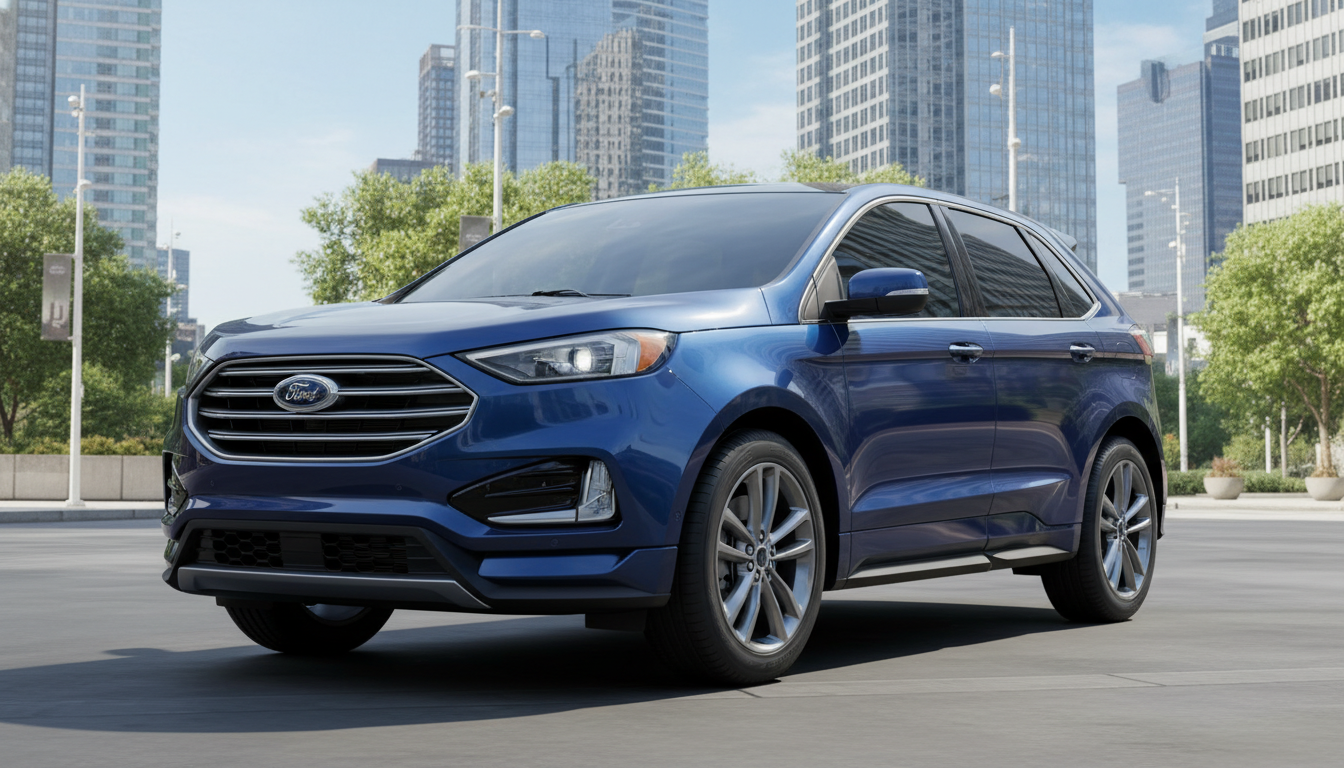
The 2024 ford edge arrives as a midsize SUV with more cabin volume. The 2024 ford edge offers a roomier feel for passengers and extra cargo capacity for errands and trips.
By contrast, the chevy equinox sits in the compact class and aims for efficiency and easy parking. Each model serves a distinct need.
Use this guide to weigh space, performance, and cost before your visit to a dealership. Key specs follow to help you make a confident, informed choice today.
Midsize vs Compact SUV Market
Buyers often face a clear trade-off between roomy cabins and nimble city driving when choosing an suv. The midsize segment aims for extra passenger space and cargo, while compact models focus on efficiency and easier parking.
In the U.S., families and commuters cross-shop these vehicles to match needs. Dealerships stock both types so shoppers can test seating comfort, cargo layout, and tech features in person.
When evaluating options, consider: passenger room, cargo flexibility, available safety systems, and how the vehicle handles daily errands versus long trips.
The table below highlights core differences to make a quick comparison useful for shoppers weighing an edge vs. vs. chevy scenario in real terms.
| Feature | Midsize SUV | Compact SUV | Shopping Tip |
|---|---|---|---|
| Passenger Space | Larger cabin, more legroom | Cozy rear seats, tighter third-row fit | Prefer comfort for adults? Choose midsize |
| Cargo Capacity | More cubic feet behind seats | Easier to load in urban garages | Measure trunk needs before buying |
| Fuel and Maneuvering | Slightly lower MPG, steadier highway ride | Better city fuel use, simpler parking | Think commute length and parking limits |
| Price & Value | Higher starting price, more content | Lower entry cost, efficient ownership | Balance budget with required features |
Which is bigger chevy equinox or ford edge
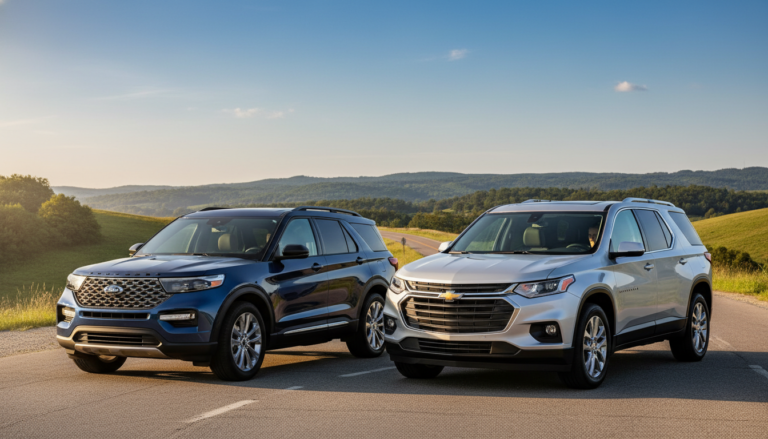
Size often settles the debate for buyers weighing two popular SUVs. Look at exterior dimensions and total cabin volume to get a clear answer.
The ford edge presents a wider, longer frame and greater passenger room. That extra bulk translates to more shoulder and leg space for adults on long trips. The larger cabin also helps when carrying gear or a stroller without folding seats.
In an edge vs. chevy equinox view, the smaller model keeps a compact footprint for tight parking and city driving. Drivers who value nimble handling and easier curbside maneuvers often choose that route.
| Measure | Ford Edge | Chevy Equinox |
|---|---|---|
| Overall Length | Longer, midsize footprint | Shorter, compact footprint |
| Width | Wider cabin for adults | Narrower for easier parking |
| Passenger Comfort | More room for long trips | Cozy, efficient daily driver |
Exterior Dimensions and Curb Weight
Exterior size and curb weight shape ride quality, fuel use, and everyday handling. This section compares length, width cues, and mass to show practical trade-offs.
Length and Width
The 2024 ford edge measures 188.8 inches, while the chevy equinox comes in at 183.1 inches. That extra span gives the larger model a stronger road presence and added interior room.
Curb Weight Differences
The base curb weight for the 2024 ford edge is 4,122 lbs. The chevy equinox weighs 3,274 lbs. The heavier 2024 ford tends to feel steadier at highway speeds.
| Specification | 2024 Ford Edge | Chevy Equinox |
|---|---|---|
| Overall Length (inches) | 188.8 | 183.1 |
| Base Curb Weight (lbs) | 4,122 | 3,274 |
| Real-world Impact | More stable ride; greater cargo room | Lighter for better city fuel economy |
In edge vs. the smaller rival, every model balances a few extra feet against agility. The engineering choice favors a robust frame in the 2024 ford while the other option aims for lighter city use.
Cargo Capacity and Storage Versatility
Daily errands and road trips both demand smart, roomy storage solutions.
The larger model delivers 73.4 cubic feet of maximum cargo volume, which gives nearly 10 cubic feet more than the 63.9 cubic feet in the smaller rival. That extra room makes a visible difference when packing suitcases, strollers, or camping gear.
With the rear seats folded flat, the edge vs. chevy storage comparison favors the larger model for bulky loads. The additional cubic feet let users load longer boxes and bulkier sports equipment without creative stacking.
The chevy equinox remains practical for daily life. The equinox offers clever storage nooks, under-floor bins, and split-fold seats that help maximize usable cargo space for groceries and small gear.
Families benefit most from greater rear cargo capacity. More volume means fewer trips to the store and simpler packing for weekend plans.
| Feature | Larger Model | Smaller Model |
|---|---|---|
| Max Cargo (cubic feet) | 73.4 cubic feet | 63.9 cubic feet |
| Rear Seats Folded | Flat load floor; more length | Split-fold; clever compartments |
| Best Use | Hauling bulky gear and luggage | Daily errands and compact loads |
Engine Power and Horsepower Output
Engine output often defines how an SUV feels on ramps, highways, and tight merge lanes. This section compares base performance and available V6 power so readers can match capability to needs.
Standard Engine Performance
The 2024 ford edge ships with a standard powerplant rated at 250 horsepower. That number gives brisk acceleration for daily driving and confident highway passing.
By contrast, the chevy equinox offers a base output of 175 horsepower, which suits city commutes and light errands. The gap favors the larger model for towing and heavier loads.
V6 Power Options
For drivers after more punch, an available V6 in the lineup delivers about 335 horsepower. This option sharpens throttle response and improves merging performance.
A twin-scroll turbocharger helps bridge the power gap by boosting low-end torque. Both vehicles use modern automatics; the 2024 ford employs an eight-speed automatic to keep shifts smooth under load.
| Spec | Larger Model | Smaller Model |
|---|---|---|
| Base Horsepower | 250 horsepower | 175 horsepower |
| Available High-Output | 335 horsepower (V6) | — |
| Transmission | 8-speed automatic | Advanced automatic |
Drivetrain Options and Handling
How a vehicle routes power to the pavement changes handling, traction, and driver peace of mind.
All-wheel drive comes standard on the larger model, giving confident traction in rain and snow. That setup improves stability during quick lane changes and on wet ramps.
The smaller rival ships with front-wheel drive as standard, though all-wheel drive is available on higher trims. Buyers who face deep winter should weigh that option for better grip.
In an edge vs. chevy drivetrain comparison, the midsize choice prioritizes all-weather capability, which boosts overall performance in poor road conditions.
Choosing the right wheel configuration and tires matters most for regions with heavy rain or frequent snow. Proper fitment helps the vehicle feel planted and secure on varied surfaces.
| Drivetrain | Standard | Available |
|---|---|---|
| Larger model | All-wheel drive | Performance-tuned AWD |
| Smaller model | Front-wheel drive | Optional AWD across trims |
| Practical impact | Better all-weather stability | Lower cost, lighter for city use |
Fuel Economy and City Driving Efficiency
City stops and slow-speed traffic reveal real-world differences in how each SUV drinks fuel.
City vs Highway Efficiency
The chevy equinox achieves 26 MPG in urban driving, while the 2024 ford edge manages 21 MPG. That gap matters on frequent short trips and daily commutes.
Heavier curb weight and a larger wheel setup on the 2024 ford help ride stability, but they also reduce city mileage. Drivers who cover many stop-and-go miles will likely see lower fuel costs with the smaller model.
Both vehicles deliver competitive highway ratings, so longer trips narrow the difference. Still, for city-focused buyers, the fuel economy advantage favors the lighter, more efficient option.
| Metric | City MPG | Practical Takeaway |
|---|---|---|
| Chevy Equinox | 26 MPG | Better for urban commuters and short trips |
| 2024 Ford Edge | 21 MPG | Offers stability at the cost of higher city fuel use |
| Real-world impact | — | Choose based on daily route mix and stop-and-go exposure |
Interior Cabin Space and Passenger Comfort
A roomy cabin changes how a family experiences long drives and daily commutes. The larger model offers 113.9 cubic feet of passenger volume, giving true breathing room for five occupants on long trips.
Taller riders benefit from 40.3 inches of rear headroom, which reduces shoulder and neck strain on extended drives. Front seats include power-adjustable controls in both vehicles, helping drivers dial in support quickly.
Bolstered captain’s chairs available in higher trims add lateral support for longer stints behind the wheel. Those seats help keep posture steady on winding roads and during highway travel.
The added space in the cabin suits families who pack strollers, sports gear, and school bags. Practical interior features—like adjustable seating and roomy door pockets—make daily life simpler and more organized.
| Item | Larger Model | Practical Benefit |
|---|---|---|
| Passenger Volume | 113.9 cu ft | More room for five adults and luggage |
| Rear Headroom | 40.3 in | Taller passengers sit without stooping |
| Seat Options | Power front seats; bolstered captain’s | Improved long-trip support and adjustability |
Technology and Infotainment Systems
Modern infotainment links now shape how drivers interact with cars each day. Tech today focuses on fast access, clear displays, and better sound for long trips or short errands.
Touchscreen Displays
The 2024 ford includes a large 12-inch touchscreen system that makes menus easy to read and control. By contrast, the smaller model ships with a 7-inch display for basic digital tools.
Both support wireless Apple CarPlay and Android Auto so phones pair without cables. That reduces distraction and keeps navigation and messages within reach.
Audio Systems
A premium 12-speaker B&O setup is available in the larger SUV for richer sound and clearer highs. The other model pairs a well-tuned seven-speaker Bose system that serves music lovers and podcast fans well.
| Item | Large Display Model | Compact Display Model |
|---|---|---|
| Main Screen | 12-inch touchscreen | 7-inch touchscreen |
| Smartphone Integration | Wireless Apple CarPlay & Android Auto | Wireless Apple CarPlay & Android Auto |
| Premium Audio | 12-speaker B&O system | 7-speaker Bose system |
| User Benefit | Clear menus, immersive sound | Simpler interface, solid audio |
In an edge vs. comparison, the ford edge chevy tech contrast comes down to screen size and sound. For buyers who value larger displays and premium audio, the tech system choice will guide the decision.
Driver Assistance and Safety Features
Modern safety suites pack active tech that helps drivers avoid trouble before it starts. The Co-Pilot360 system brings blind spot monitoring and rear cross-traffic alert, while the rival package, which equinox offers under Chevy Safety Assist, focuses on collision prevention.
Both vehicles include automatic emergency braking and lane keep assist as baseline safety features. These systems step in during sudden stops and correct drift on busy highways.
The larger model adds evasive steering assist and lane centering to help avoid obstacles during abrupt maneuvers. Higher trims on the smaller side add adaptive cruise and automatic parking assist for hands-off convenience on long drives and tight lots.
| Feature | Co-Pilot360 / Larger Model | Chevy Safety Assist / Smaller Model |
|---|---|---|
| Blind spot & rear alert | Blind spot monitoring; rear cross-traffic alert | Blind zone alert; rear warning |
| Automatic emergency braking | Standard automatic emergency braking with evasive assist | Standard automatic emergency braking; higher trims add adaptive cruise |
| Driver assist extras | 180-degree camera; lane centering | Adaptive cruise; automatic parking assist on upper trims |
For drivers who value low-stress commutes, this suite of driver assistance tools boosts confidence at the wheel and aids everyday safety decisions.
Exterior Color Options and Styling
Exterior paint choices give buyers a simple way to personalize an SUV’s character.
The 2024 ford edge arrives with refined finishes like Forged Green Metallic and Burgundy Velvet Metallic Tinted Clearcoat. Those tones add a premium feel without extra trim cost.
The chevy equinox offers bolder hues such as Harvest Bronze Metallic and Radiant Red Tintcoat. These options suit drivers who want a standout look on crowded streets.
Both brands keep classic blacks, whites, and grays in the palette. That ensures neutral choices for resale appeal and understated styling across trims.
| Styling Element | Lively Options | Classic Choices |
|---|---|---|
| Unique Finishes | Forged Green, Burgundy Velvet | Black, White, Gray |
| Bold Palettes | Harvest Bronze, Radiant Red | Subtle metallics and solids |
| Design Focus | Premium sheen and depth | Timeless, broad appeal |
The ford edge chevy styling comparison shows both makers aim for modern looks. Pick a finish that matches daily use and personal flair under the 2024 ford lineup.
Pricing and Value Proposition
Upfront cost and included features shape real value when choosing between popular SUVs. The 2024 ford edge starts at an MSRP of $38,365, reflecting its midsize stance and stronger powertrain.
The chevy equinox offers a lower entry price of $27,995. That makes the smaller model attractive for budget-focused buyers who want practical daily use without extra cost.
The price gap largely stems from the larger vehicle’s added space, standard all-wheel drive, and higher horsepower. These elements raise manufacturing cost and the sticker price.
| Item | Larger SUV | Smaller SUV |
|---|---|---|
| Starting MSRP | $38,365 | $27,995 |
| Key Included Features | Standard AWD; higher horsepower | Lower entry cost; efficient daily use |
| Best For | Buyers needing cabin space and power | Budget-conscious shoppers |
Each model delivers clear benefits. Prospective buyers should visit a local dealer to explore financing and test drives to match daily needs and long-term budgets for cars.
Long Term Reliability and Maintenance Costs
Long-term ownership often reveals the true cost of a vehicle beyond the sticker price. Annual repair averages highlight real expenses owners face over time.
Industry reports put the annual repair cost for the larger model at about $611, while the chevy equinox averages $537 per year. Both nameplates show strong longevity when serviced regularly.
Many engines reach 200,000+ miles with routine oil changes and recommended service intervals. The edge vs. chevy comparison suggests the smaller model has slightly lower routine costs, but the larger model often sees fewer unexpected fixes.
| Item | Annual Cost | Long-Term Note |
|---|---|---|
| Average Repair | $611 | Higher routine cost for midsize |
| Average Repair | $537 | Lower yearly service on compact |
| Durability | 200,000+ miles | With regular maintenance |
For buyers weighing value, follow the manufacturer’s recommended schedule and plan preventive service. That simple step keeps cars and vehicles dependable and reduces surprise bills over ownership.
Learn more in the detailed edge vs. chevy review.
Towing Capacity and Utility
When hauling gear, the numbers at the hitch matter more than cabin size.
The midsize model can tow up to 3,500 pounds when properly equipped. That capacity handles small boats, utility trailers, and heavier weekend loads with fewer compromises.
The compact alternative tops out at 1,500 pounds. That rating suits light-duty tasks like small trailers and cargo boxes but limits heavier towing needs.
Drivers who compare edge vs. rival models should factor hitch design and tongue weight limits. A stable rear hitch, proper wiring, and brake controller add real safety when towing across varied roads.
| Item | Midsize SUV | Compact SUV |
|---|---|---|
| Max Tow (lbs) | 3,500 | 1,500 |
| Best Use | Small boats, heavy gear | Light trailers, cargo boxes |
| Rear Hitch | Stability-oriented design | Basic hitch setup |
| Practical note | Every extra foot of capacity adds trip flexibility (measured in feet of trailer length) | Good for city tasks; limited for outdoor towing |
For buyers weighing an edge chevy equinox utility comparison, the towing gap proves decisive for outdoor enthusiasts and tradespeople. Match tow specs to planned loads before signing a purchase agreement.
Comparing Against Other Popular SUVs
Comparing a pair of popular crossovers against top sellers helps buyers spot trade-offs in real terms.
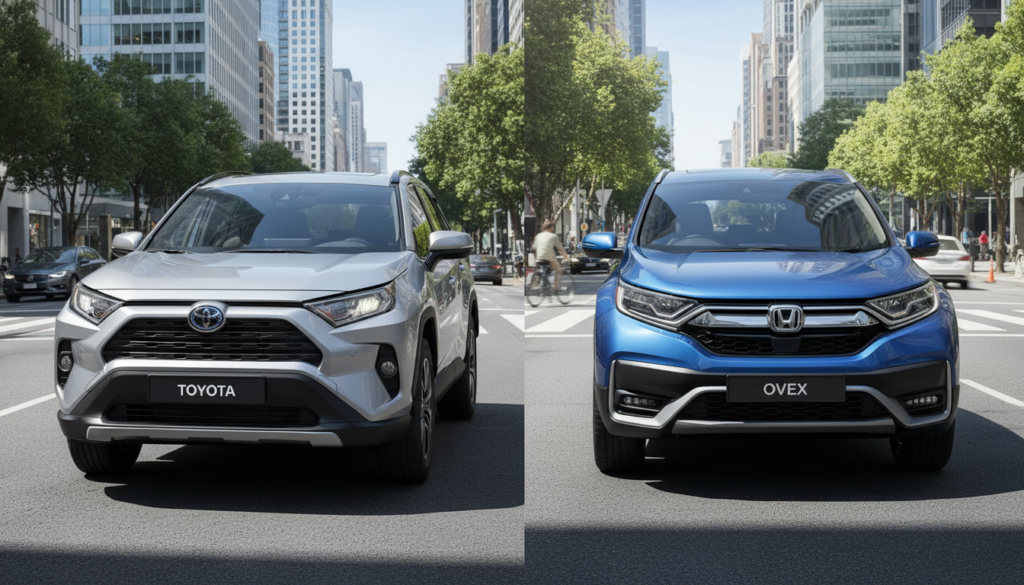
The market includes well-known rivals such as the Toyota RAV4, Honda CR-V, and Subaru Forester. These models emphasize fuel economy, resale value, and broad dealer support for owners.
Some shoppers compare crossovers with sedans like the Toyota Camry and Nissan Altima to decide if an SUV better fits daily needs. Sedans remain efficient choices for long highway drives and tight parking.
The Hyundai Santa Fe competes in the midsize tier, while the Buick Encore serves city buyers seeking a compact footprint. Dealerships stock a wide mix of trucks and suvs to match lifestyle and towing needs.
| Segment | Representative Model | Strength |
|---|---|---|
| Compact SUV | Toyota RAV4 | Resale value, fuel efficiency |
| Midsize SUV | Hyundai Santa Fe | Passenger space, value |
| Compact Luxury | Buick Encore | City maneuverability, comfort |
Bottom line: Cross-shopping these cars and vehicles helps buyers see where each model leads on comfort, tech, and cost. A quick test drive across classes clarifies the best fit for daily use.
Conclusion
This final recap pulls the key facts together so readers can match priorities with real-world trade-offs. The larger model leads on passenger space and long-trip comfort, while the compact choice shines for daily fuel use and tight parking. The ford edge stands out for roomy cargo and towing readiness.
Both options pack modern safety and infotainment features. Consider your typical routes and hauling needs to weigh performance against economy. Test drives help confirm fit for family life and commute demands.
Whether buying one of these popular suvs or another name on the lot, pick the vehicle that balances daily usability with long-term value. Good research makes better cars decisions for all future vehicles.
FAQ
How do exterior dimensions compare between the two SUVs?
The midsize model measures longer and wider than the compact crossover, giving more road presence and slightly larger passenger volume. Expect the midsize curb length to provide more rear legroom and a bigger cargo opening for daily hauling.
Which model offers greater cargo capacity and flexibility?
The larger SUV provides higher cargo cubic feet behind the rear seats and with seats folded. The compact design still offers practical storage for city use, but the midsize wins on max cargo volume and cargo floor versatility.
What are the typical engine choices and horsepower figures?
The compact delivers modest horsepower from a turbocharged four-cylinder suited for efficiency, while the midsize offers stronger base output and available higher-power engines that improve passing and highway merging.
Are there V6 options for improved towing and acceleration?
Some midsize trims offer a V6 or a higher-output turbo option that increases towing capacity and acceleration. Compact models usually stay with four-cylinder powertrains focused on fuel economy rather than heavy towing.
How do drivetrain and handling differ between the two?
Both offer front-wheel drive as standard with all-wheel drive available. The compact tends to feel nimbler in tight city turns, while the midsize provides a more composed ride at speed and better stability for loaded driving.
What are fuel economy expectations for city driving?
The compact achieves higher city MPG due to smaller engines and lighter curb weight. The midsize sacrifices a bit of city efficiency for stronger performance, though modern AWD systems and turbo engines narrow the gap.
How does passenger comfort compare in the cabin?
The midsize cabin offers more rear legroom and headroom, plus larger seats and optional heated/ventilated features. The compact remains comfortable for front occupants and excels in maneuverability for urban parking.
What tech and infotainment features are available?
Both provide touchscreen displays, smartphone integration, and available navigation. Higher trims add larger screens, wireless connectivity, and upgraded audio systems for improved in-car entertainment.
Do these models include key driver assistance and safety systems?
Standard safety suites typically include automatic emergency braking, blind-spot monitoring, and lane-keeping assist. Adaptive cruise control and enhanced driver-assist packages are available on mid and higher trims.
How do styling and color options vary?
The midsize offers bolder exterior proportions and premium paint options on higher trims. The compact provides a sportier, city-friendly look with a range of classic and metallic color choices.
Which offers better value for price and features?
The compact represents strong value for urban buyers prioritizing fuel economy and lower sticker price. The midsize gives better long-term utility and higher-feature ceilings, which can justify a higher initial cost.
What about long-term reliability and maintenance costs?
Routine maintenance costs are similar across both classes, though the midsize may incur slightly higher fuel and repair expenses over time due to larger engines and greater curb weight. Manufacturer warranty and certified maintenance plans affect ownership costs.
How much can each tow and what affects their towing rating?
Towing capacity depends on engine, drivetrain, and tow package. The midsize with an upgraded engine and factory tow group offers higher tow ratings for trailers and boats, while compact models carry lighter loads suited to small utility trailers.
Which other SUVs compete with these models in the market?
Direct competitors include the Toyota RAV4, Honda CR-V, Subaru Forester, Hyundai Santa Fe, and compact crossovers from Nissan and Buick. Each rival balances efficiency, cargo space, and safety features differently.