Compare Maintenance Costs for Tahoe, Suburban, and Yukon: A 100,000-Mile Breakdown
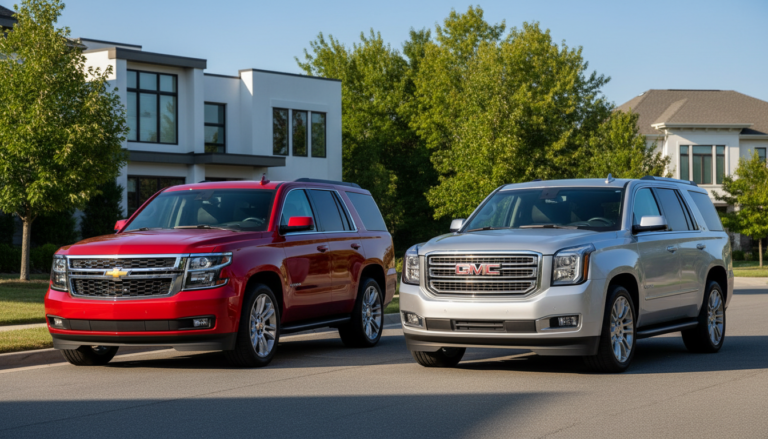
When you buy a full-size, body-on-frame SUV, you aren’t just paying at the dealership—you are signing up for the long-term reality of keeping a 5,500-pound machine on the road. If you are trying to compare maintenance costs for the Chevrolet Tahoe, Chevrolet Suburban, and GMC Yukon, the good news is that they share the same General Motors DNA.
However, assuming their repair bills will be identical is a costly mistake. Differences in curb weight, trim levels, and suspension technology can swing your annual maintenance budget by hundreds of dollars. Here is the real-world, mechanic-backed breakdown of what it costs to maintain these heavy-duty haulers.
The Shared DNA: Why Upkeep is Similar
The Tahoe, Suburban, and Yukon are all built on GM’s T1 platform. Because they share powertrains—most commonly the 5.3L V8, the 6.2L V8, or the 3.0L Duramax diesel—and the 10-speed automatic transmission, routine mechanical maintenance is incredibly similar across the board.
When you pop the hood, a technician sees the exact same layout. This shared architecture is a major win for owners: parts availability is massive, and virtually any independent mechanic is familiar with the powertrain, which keeps labor rates competitive compared to European rivals.
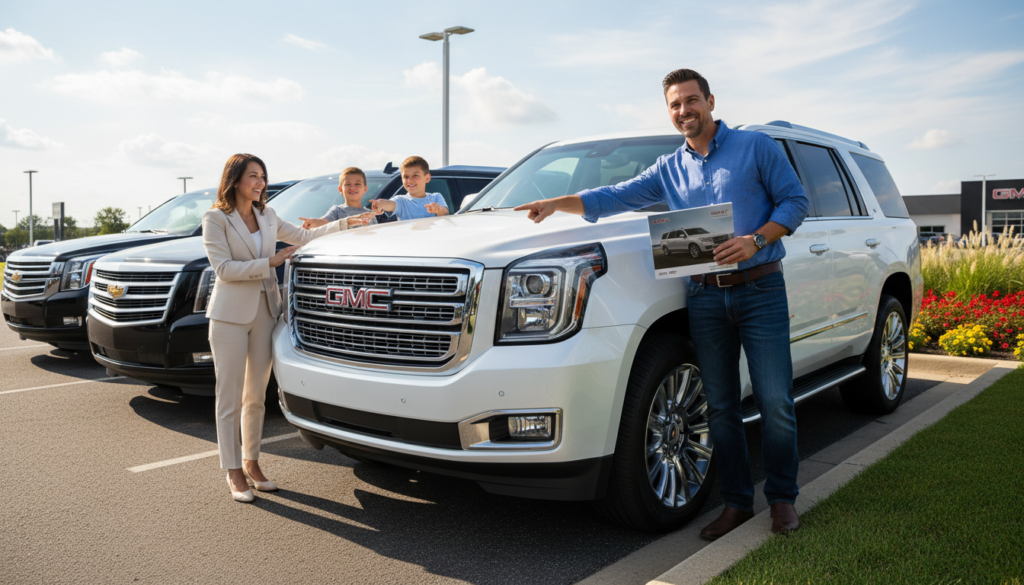
Average Annual Maintenance and Repair Costs
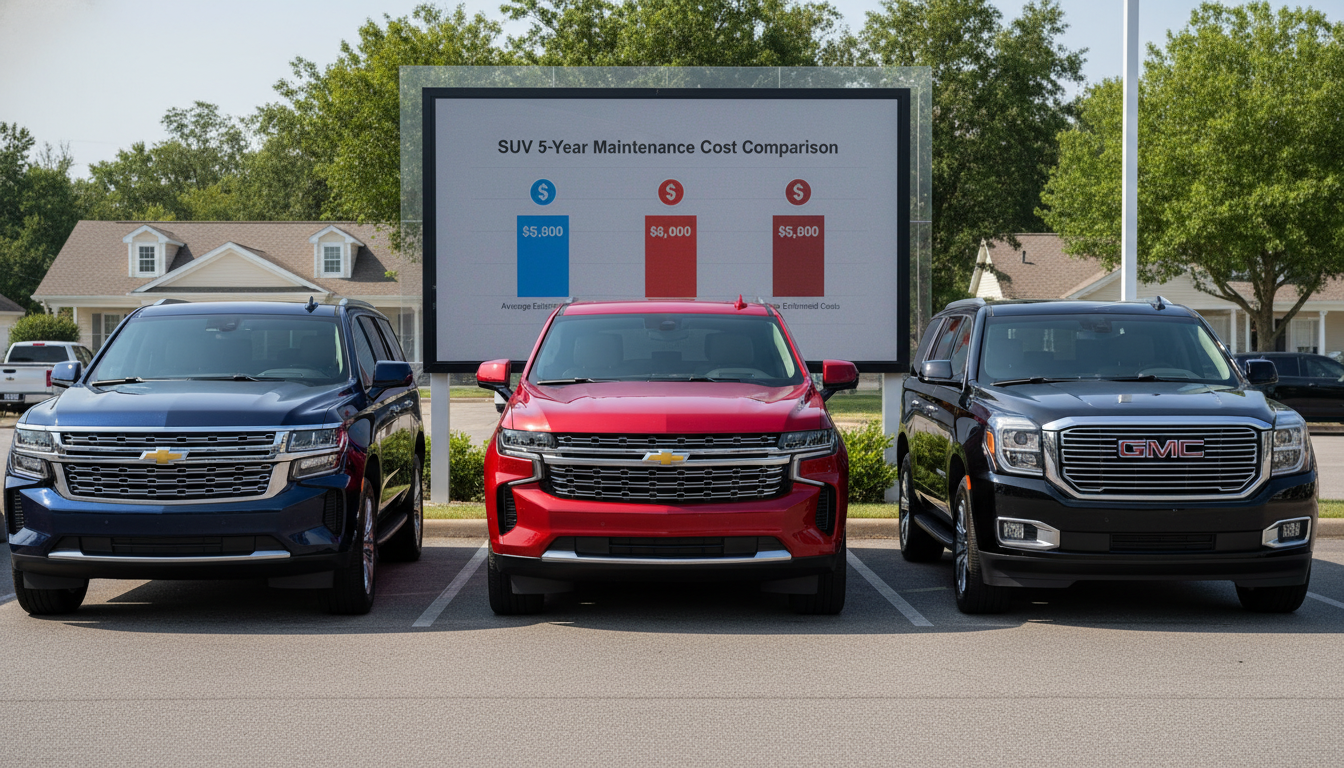
According to industry repair data and owner reports, the baseline annual cost to maintain these vehicles hovers around the same mark, but climbs slightly as you move into longer wheelbases or premium badges.
| Vehicle | Est. Annual Maintenance Cost | Key Cost Driver |
| Chevy Tahoe | $740 – $760 | Lighter curb weight reduces brake/tire wear slightly. |
| GMC Yukon | $745 – $780 | Higher trim levels (Denali) increase part replacement costs. |
| Chevy Suburban | $760 – $800 | Extra length/weight puts more stress on suspension and brakes. |
Note: These figures reflect averages over the first 5 to 7 years of ownership. Costs naturally spike around major service intervals (60,000 and 100,000 miles).
Keeping up with scheduled service helps limit severe repairs and keeps annual cost within a predictable range. For a deeper look at how these models stack up, see this detailed comparison at GMC Yukon vs Chevy Tahoe.
Routine Maintenance Breakdown: What to Expect
Because these are large, V8-powered trucks, routine consumables cost more than they do for a midsize crossover.
1. Oil Changes (High Capacity)
These engines require a lot of oil. The 5.3L and 6.2L V8s take roughly 8 quarts of full synthetic oil.
- Dealership Cost: $120 – $150
- Independent Shop: $90 – $110
- Frequency: Every 5,000 to 7,500 miles.
2. Brakes (Pads and Rotors)
Stopping nearly three tons of steel eats through brake pads. Suburban owners typically report needing brake replacements slightly sooner than Tahoe owners due to the vehicle’s extra mass.
- Front Brake Pads & Rotors: $400 – $600 per axle.
- OEM vs. Aftermarket: Upgrading to heavy-duty aftermarket rotors is highly recommended if you tow frequently, as factory rotors can warp under heavy trailering loads.
3. Tires: The Hidden Trim Tax
This is where maintenance costs sharply diverge. Base Tahoe and Yukon models ride on 18-inch wheels. Step up to a Tahoe High Country or a Yukon Denali, and you are rolling on 22-inch rims.
- 18-inch Tires (Standard): $800 – $1,000 for a set of four.
- 22-inch Tires (Premium): $1,200 – $1,600+ for a set of four.
Known Issues and Expensive Repairs (The “Gotchas”)
While generally reliable, the GM heavy-duty SUV lineup has a few well-documented mechanical weak points that can inflate your long-term ownership costs.
The Magnetic Ride Control (MagneRide) Shock Tax
Available on premier trims (Yukon Denali, Tahoe Premier/High Country), MagneRide suspension offers a buttery-smooth ride. However, the shock absorbers frequently begin leaking or fail between 60,000 and 80,000 miles.
- Replacement Cost: Replacing a pair of MagneRide shocks can easily cost $1,200 to $1,800 at a dealership. Standard gas shocks on base models cost a fraction of that price.
Active Fuel Management (AFM) / Dynamic Fuel Management (DFM) Lifters
GM’s cylinder deactivation technology is designed to save fuel, but lifter failure is a known issue on the V8 engines. If a lifter collapses and wipes out the camshaft out of warranty, you are looking at a massive bill.
- Repair Estimate: $3,000 – $4,500+. Regular, high-quality synthetic oil changes are your best defense against premature lifter wear.
Transmission Fluid Flushes
The 10-speed transmission is a complex piece of engineering. Ignoring the transmission service interval will lead to hard shifting and eventual failure. A fluid and filter change is strictly required around the 45,000 to 60,000-mile mark.
- Service Cost: $250 – $350.
The Verdict: Which is the Cheapest to Maintain?
If you want the lowest possible maintenance overhead over 100,000 miles:
- The Winner: A base or mid-tier Chevrolet Tahoe (LS or LT). It has standard suspension, 18-inch wheels, and avoids the “luxury tax” on replacement parts, keeping tire and suspension costs reasonable.
- The Middle Ground: The Chevrolet Suburban. You will pay slightly more in brake wear and suspension fatigue over a decade due to the longer wheelbase and extra weight.
- The Most Expensive: The GMC Yukon Denali (or Tahoe High Country). The massive 22-inch tires, advanced MagneRide suspension, and premium electronic modules mean that while it is the nicest to drive, it is undeniably the most expensive to fix when things break out of warranty.
FAQ
How do annual upkeep expenses typically differ among Chevrolet Tahoe, Chevrolet Suburban, and GMC Yukon?
Annual upkeep varies with engine, trim, and driving. Generally, larger trims with the 6.2‑liter V8 or Denali luxury options have higher service and parts prices. The Suburban’s longer wheelbase can slightly raise suspension and tire costs. Expect the Yukon Denali to be on the higher end due to premium parts and features.
Does the shared GM platform affect repair complexity or parts availability?
Yes. These SUVs share a body-on-frame architecture and many common components — engines, transmissions (notably the 10-speed automatic in newer models), and chassis parts — which improves parts availability and can lower labor time for routine repairs.
Which engine choices influence ongoing expenses the most?
Bigger engines (6.2L V8) and supercharged or high-output options increase fuel use, oil consumption, and some service item wear. The standard 5.3L V8 tends to offer lower operating expense while still delivering solid towing and power.
How often do these full-size SUVs typically visit a repair shop each year?
Most owners schedule one to two unscheduled repair visits per year on average, plus routine service intervals (oil, filters, brakes, tires). Heavy towing or rough use raises visit frequency and parts replacement rates.
Are there recurring known problems that affect long‑term expense?
Common issues across these GM large SUVs include electronic module repairs, wear in suspension components when used heavily, and occasional transmission-related repairs in older 8-speed/6-speed units. Regular inspections can catch wear before it becomes costly.
How does towing load impact maintenance and longevity?
Frequent heavy towing (near the 8,400‑pound properly equipped maximum on some trims) accelerates wear on cooling systems, brakes, drivetrain, and suspension. Upgrading cooling and scheduling more frequent fluid and brake service helps protect the vehicle.
Do premium trims like Yukon Denali or Tahoe High Country require special servicing?
Premium trims include high-end electronics, adaptive suspensions, and luxury materials that can raise repair and replacement costs. They use many shared GM systems, so while specialized parts cost more, technicians are generally familiar with them.
What role does fuel economy play in ownership expense differences?
Fuel is a major operating cost. V8s and heavier Suburban models return lower mpg in city driving than smaller SUVs. Choosing the standard 5.3L and lighter spec reduces fuel spend over the vehicle’s life.
How do warranties and dealer programs affect out‑of‑pocket spending?
Factory warranties and any complimentary maintenance plans reduce early ownership expenses. Extended warranties or dealer maintenance packages can cap unexpected repair bills but evaluate coverage limits and deductible terms before buying.
Which model tends to retain value better over time?
Trim choice and condition drive resale. Well‑maintained Denali or High Country trims hold value due to demand for luxury full‑size SUVs, but higher initial price accelerates depreciation dollars. Regular service records and moderate use improve long‑term value.
What practical tips reduce service frequency and repair bills?
Follow GM service intervals, use recommended fluids, inspect brakes and tires regularly, and avoid sustained heavy towing without proper cooling and maintenance. Address warning lights and odd noises early to prevent costly secondary damage.
Are parts and labor more expensive at dealerships versus independent shops?
Dealerships often charge higher labor rates and OEM parts prices, but they provide factory expertise and warranty work. Qualified independent shops typically offer lower rates and can use OEM or aftermarket parts to save money.