Chevy Colorado vs Silverado: Choosing the Best Truck for Your Needs
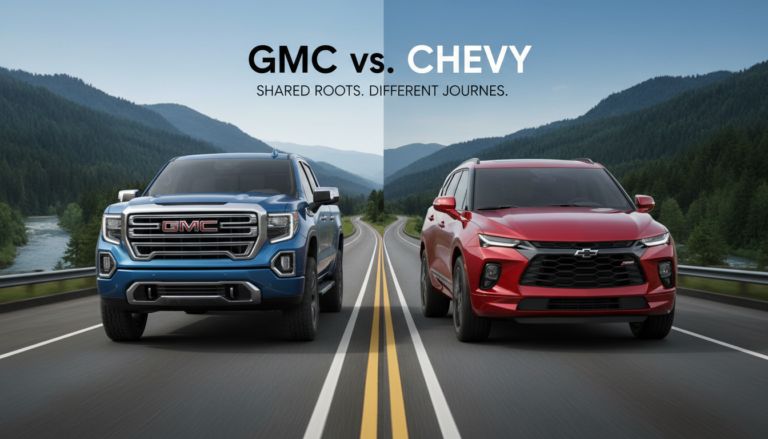
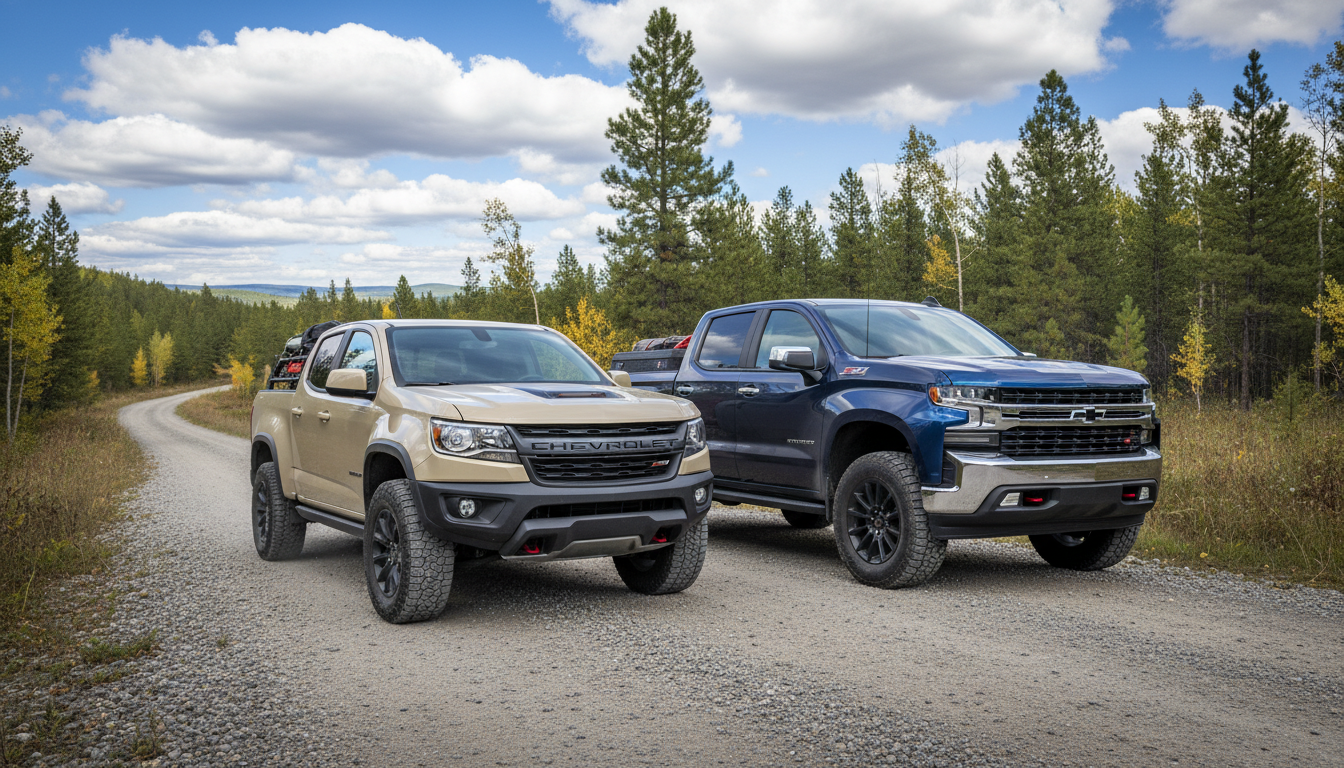
The decision between a midsize and a full-size pickup is about matching tools to tasks. If frames the chevy colorado vs silverado choice as a practical comparison, not a winner-takes-all debate.
Think of the midsize model as easier to park, more fuel-efficient, and nimble for daily driving. The full-size silverado 1500 brings extra engine power, cabin space, and higher towing and payload numbers for heavy work.
We will cover engine options, towing and payload capacity, trim levels, configurations, interior space, and technology. Read this guide by starting with what you tow or haul, then pick the cab and bed size you need, then refine trims and features to match your budget and roads.
This article explains terms like towing capacity versus payload, and notes that off-road or lifestyle trims can shift how each model feels. The goal is to inform U.S. buyers so they can narrow choices before checking dealer inventory and packages.
Quick Comparison: Midsize Chevrolet Colorado vs Full-Size Chevrolet Silverado
Size and capability reshape how a pickup fits into city life, job sites, and weekend plans.
Who the Colorado midsize truck fits?
The colorado midsize truck is built for maneuverability. It slips into tight parking spots and navigates narrow streets with less stress.
Best for: daily commuting, tight job sites, light-to-moderate hauling, and drivers who want utility without bulk.
Who the Silverado 1500 fits?
The silverado 1500 serves buyers who need maximum strength and room. It offers higher towing and payload numbers plus wider cabin space.
Best for: frequent trailering, heavy payloads, bigger families, and crews that need more bed and cab configurations for tools and gear.
- Colorado trades raw capacity for easier city driving and lower parking stress.
- Silverado expands interior comfort, rear legroom, and cab/bed options for real-world work demands.
- List your non-negotiables garage fit, trailer weight, passenger count before choosing a model.
Chevy Colorado vs Silverado: Engines, Power, and Driving Feel
Engine choice defines how a pickup responds when you step on the gas, tow a load, or cruise the interstate.
Silverado 1500 engine options
- 2.7L turbo — balanced daily power and efficiency.
- 5.3L V8 — familiar V8 torque for confident acceleration.
- 3.0L Duramax diesel — diesel torque for towing and longer range.
- 6.2L V8 — top-line output for heavy loads and strong passing power.
Colorado engine lineup
The midsize model uses a single 2.7L turbo four-cylinder across trims. Output ranges from about 237 to 310 horsepower, depending on tuning and options. That simplifies shopping while still delivering modern turbo torque.
| Model | Typical MPG (est.) | Notes |
|---|---|---|
| Colorado (base 2WD) | 20 city / 25 hwy | Good everyday efficiency for midsize use |
| Silverado 1500 (example) | 20 city / 22 hwy | Varies widely by engine and drivetrain |
Same 2.7L badge can feel different due to tuning, torque curve, and vehicle weight. Full-size engines help the truck feel more settled at speed, while the midsize feels nimble for lane changes and tight driving. For merging or climbing grades with gear, choose the engine that matches your loads; axle ratios and towing tech often matter as much as the motor.
Towing and Payload: Real-World Capacity for Work and Weekend Hauling
Real work starts at the hitch and in the bed capacity figures show what each pickup can safely manage. Towing capacity is the maximum trailer weight a truck can pull. Payload is how much it can carry in the bed and cabin, including tongue weight, passengers, and cargo.
Headlines: the silverado 1500 tops out at about 13,300 pounds towing and up to 2,280 pounds payload. The chevy colorado reaches roughly 7,700 pounds towing and about 1,580 pounds payload. These numbers help buyers rule models in or out quickly.
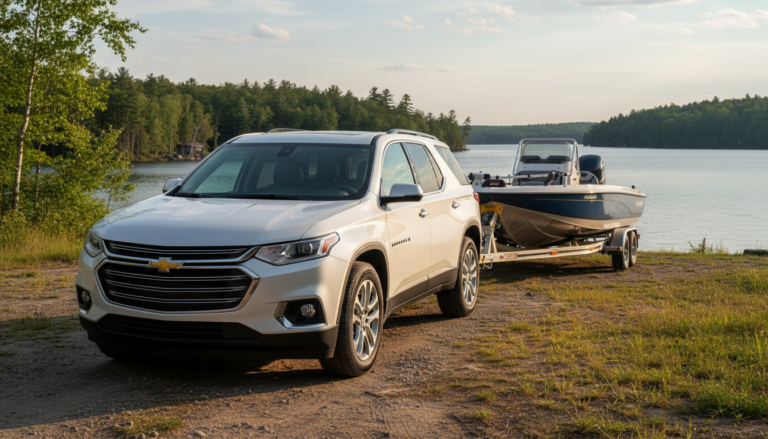
Practical examples make this concrete: a midsize-friendly camper or small boat usually fits within the smaller truck’s ratings. Heavy equipment trailers or bigger campers push buyers toward a full-size pickup.
- Bed lengths matter when not towing: Colorado beds come in ~61.2″ and 74.4″.
- Silverado bed options include ~79″ (standard) and ~98″ (long) for big loads.
- Longer beds ease hauling sheet goods and tool chests but add parking and turning trade-offs.
Towing aids and setup
Available features like an integrated trailer brake controller, hitch-guidance camera, and an in-vehicle trailering app simplify hookups and increase safety. Match the truck’s certified capacity to your heaviest realistic use and confirm the trim, axle, and tow package that create those numbers.
| Spec | Silverado 1500 | Colorado |
|---|---|---|
| Max towing (lbs) | 13,300 | 7,700 |
| Max payload (lbs) | 2,280 | 1,580 |
| Common bed lengths (in) | 79 / 98 | 61.2 / 74.4 |
Trim Levels, Configurations, and Off-Road Capability
Trim choice steers more than looks suspension, tires, and tech change how a truck performs. Pick a configuration first (cab size and bed length), then choose a trim that provides the features you’ll use.
Common trim ladders and buyer intent
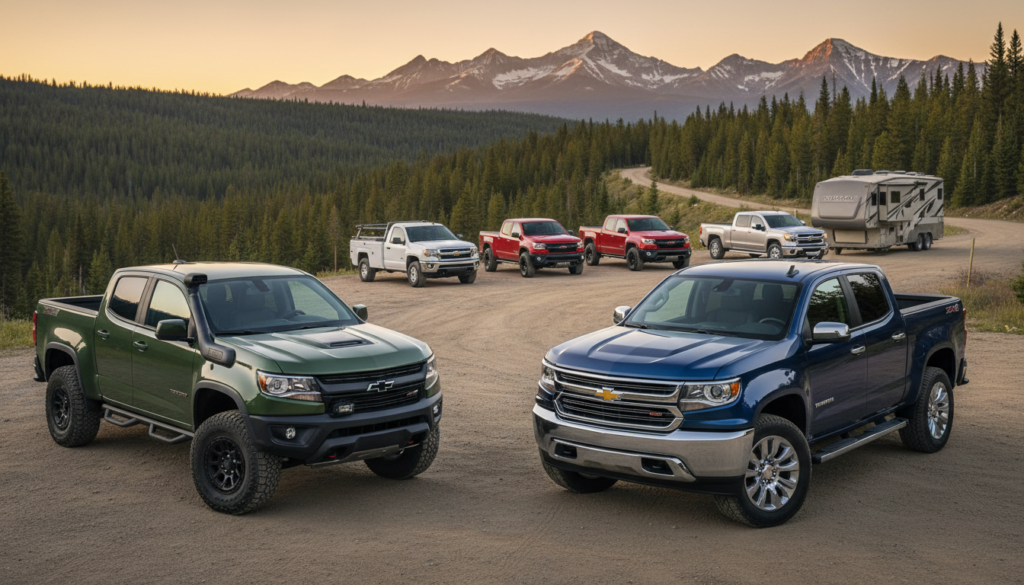
The midsize lineup includes WT, LT, Trail Boss, Z71, and ZR2, with a clear crew-cab focus for passenger space and practical hauling.
The full-size ladder runs WT, Custom, LT, RST, Trail Boss, LTZ, High Country, and ZR2, covering basic fleet work to near-luxury comfort.
Trail Boss vs ZR2: practical off-road notes
Trail Boss adds lifted suspension and tougher tires for dirt roads and moderate trails. ZR2 goes further with specialized shocks and wider track for rock and rough-terrain use.
Ground clearance matters: ZR2 measures about 10.7 inches, while some full-size setups reach roughly 11.6 inches. Clearance is only one factor approach angles, tires, and suspension tuning matter too.
| Focus | Midsize Trims | Full-Size Trims |
|---|---|---|
| Entry / Work | WT | WT, Custom |
| Off-road ready | Trail Boss, ZR2 | Trail Boss, ZR2 |
| Comfort / Premium | LT, Z71 | LT, LTZ, High Country |
| Cab/bed flexibility | Primarily crew focus | Regular, Double, Crew cab |
- Suspension tuning varies: off-road trims ride firmer but control rough terrain better; comfort trims favor smoother pavement.
- For tight parking and easier maneuvering, the midsize model’s smaller size helps. For max cabin space and bed options, the full-size offers more configurations.
Interior Space, Technology, and Safety Features to Match Your Needs
How roomy the cabin is, and which amenities it packs, matters for everyday life behind the wheel. This section links interior space to family trips, child seats, and long-drive fatigue so readers can set realistic expectations.
Cabin space and comfort
Full-size models often give extra shoulder and leg room, useful for taller drivers and five-adult trips. That added space lowers fatigue on long drives and leaves room for luggage or gear.
Midsize cabins can be comfortable for daily use but may feel tight with three adults in back plus cargo. Consider real passenger counts and child-seat needs when choosing a model.
Infotainment and connectivity
Both trucks offer Google Built-In for navigation and voice control, which speeds tasks and reduces phone handling. The silverado 1500 highlights a 13.4-inch digital cluster paired with a 13.4-inch touchscreen on higher trims.
Screen size helps, but interface speed and logical menus matter more for daily infotainment use. Available premium audio benefits frequent road-trippers and people who take many calls on the move.
Driver-assist and safety features to look for
Prioritize blind-spot monitoring and rear cross-traffic alert when pickups have larger blind zones. Check camera angles, mirror coverage, and seating position as part of the full safety package.
- Ask: How many passengers and how much cargo will be typical?
- Test: Infotainment responsiveness, voice accuracy, and speaker quality.
- Verify: Camera views and blind-zone alerts when backing or towing.
| Focus | What to check | Why it matters |
|---|---|---|
| Cabin comfort | Rear leg room, headroom, storage | Reduces fatigue on long trips |
| Infotainment | Google Built-In, screen speed, audio | Safer navigation and better call quality |
| Safety features | Blind-spot, rear cross-traffic, cameras | Improves confidence in tight or busy spots |
Conclusion
Wrap the decision around how often you tow, how many people ride, and where you park. Pick the chevy colorado when maneuverability, fuel efficiency, and right-sized capability fit your needs. Choose the silverado 1500 when regular heavy towing, higher payload, and extra room are priorities.
The full-size truck offers roughly double the towing and a noticeably higher payload than the midsize. Configurations and trim levels change real-world performance, so confirm axle ratios and tow packages for your setup.
Measure garage space, estimate real trailer weight, think about rear-seat use, and list must-have tech and safety features. Test drive both trucks on your usual routes tight turns, highway merges, and rough pavement before making a final choice that matches daily needs and weekend plans.
FAQ
Which truck is better for city driving and tight parking — the midsize or the full-size model?
The midsize model suits city driving and tight spaces. It offers shorter overall length, easier maneuvering, and better curb parking while still providing a practical bed and solid towing for weekend gear. Choose the full-size if you prioritize cabin room, maximum towing, or heavy payloads.
What are the main engine options and how do they affect everyday driving?
The full-size lineup includes several engines — a small-displacement turbo, a pair of V8s and a diesel — giving broader towing and passing power. The midsize uses a turbo four-cylinder with different tunes for balance between performance and efficiency. More cylinders mean stronger acceleration and towing; the turbo four is lighter on fuel in normal driving.
How much can each truck tow and carry in real-world use?
The full-size can tow substantially more — up to about 13,300 pounds — and carry larger payloads, roughly double the midsize in top spec. The midsize tops near 7,700 pounds towing and about 1,580 pounds payload, enough for boats, small trailers, and work gear for many owners.
What trim or package should I choose for off-road use?
For serious off-road capability, select the specialized trims: the ZR2 on the midsize and Trail Boss or ZR2 on the full-size. These variants add lifted suspension, off-road shocks, skid protection, and all-terrain tires. Pick ZR2 for aggressive trail performance; Trail Boss balances off-road hardware with on-road comfort.
How do cab and bed configurations differ and affect practicality?
The full-size offers multiple cab sizes (regular, double, crew) and longer bed choices, maximizing passenger space and cargo volume. The midsize focuses on crew-cab layouts for maneuverability and still provides usable bed lengths. If you need more passenger room or a long box for trades, go full-size; if you need easier parking and good utility, choose midsize.
What interior tech and safety features should buyers expect?
Both models offer modern infotainment with large touchscreens, smartphone integration, and available premium audio. Expect advanced driver assists like blind-spot monitoring, rear cross-traffic alert, and integrated trailering tech such as trailer guidance and in-cab brake controls on higher trims.
How do fuel economy and running costs compare for U.S. drivers?
The midsize turbo four generally yields better fuel economy in daily driving and light towing. Full-size engines, especially V8s, consume more fuel but return stronger towing and acceleration. Running costs depend on engine choice, payload, and towing frequency — lighter use favors the midsize for lower fuel and ownership costs.