Is a Chevy Cruze a Reliable Vehicle? Reliability and Common Issues
A well-maintained Chevy Cruze can be a reliable used car, with its model year and service history shaping your risk. RepairPal rates the Cruze 4.0 out of 5.0 and estimates average annual repair costs at $545.
Before you buy, check the maintenance records and inspect for coolant leaks and turbocharger problems on turbocharged models. Those details help you decide whether the asking price fits the car’s condition.
Overall Ownership Outlook
Your Cruze’s model year, engine, and maintenance history matter more than its nameplate alone. Later cars with documented service offer a stronger buying case, while cooling-system and engine problems warrant a careful inspection.
Where the Cruze Performs Well
The Cruze has manageable repair costs by compact-car standards. RepairPal rates its reliability 4.0 out of 5.0 and estimates an average annual repair cost of $545, though it ranks the car 26th among 36 compact models.
Your best prospect is a well-maintained later model. A 2017–2019 gasoline Cruze with completed recalls, oil-change records, and a professional inspection gives you a clearer picture of its condition. Service records matter because regular oil changes help protect the turbocharged engine.
If you already own a Cruze, follow its maintenance schedule and address small leaks or warning lights promptly. Those habits help you avoid turning a manageable repair into a larger one.
Where Reliability Falls Short
Check the cooling system first. Cruze owners have reported coolant leaks involving components such as the water pump, thermostat housing, and hoses. During a test drive, watch the temperature gauge, check for coolant odors, and look for signs of dried coolant around the engine.
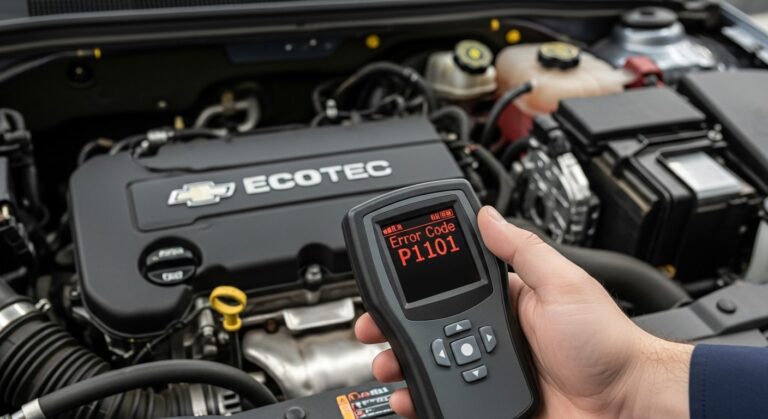
The 1.4-liter turbocharged engine also deserves attention for PCV-system faults, oil leaks, and turbocharger trouble. An uneven idle, loss of power, or check-engine light calls for diagnosis before you buy. Ask a mechanic to inspect the engine and scan for stored trouble codes.
Treat early 2011–2012 cars with extra caution, particularly when service records are incomplete. For a 2016 car, confirm whether you are looking at the redesigned Cruze or the older Cruze Limited, since they are different versions.
Reliability by Model Year and Generation
Your Cruze’s model year tells you which generation you own, while its service records reveal how well it has held up. The 2016 model year needs a closer look because Chevrolet sold two different Cruze designs that year.
First-Generation Cruze and Cruze Limited
The first-generation Cruze covers 2011 through 2015, plus the 2016 Cruze Limited. If you shop these years, inspect the cooling system carefully: owners report leaks around the water outlet and thermostat housing, along with overheating concerns. The turbocharged 1.4-liter engine also has reported PCV and turbocharger problems. These issues contribute to the first-generation Cruze’s weaker reliability record.
Pay particular attention to a 2011 or 2012 car. Check for coolant loss, rough running, oil leaks, and hesitation or harsh shifts during a test drive.
A 2016 badge alone does not identify the redesigned car. Confirm whether the listing says Cruze Limited, then verify the generation before comparing prices or reliability histories.
Second-Generation Cruze
Chevrolet introduced the redesigned Cruze for 2016 and sold it through 2019. When you compare used cars, the 2017 through 2019 gasoline models deserve priority if they have documented maintenance and pass an independent inspection.
The 2018 and 2019 Cruzes rank among the stronger model years. That makes them useful starting points, though you should still judge each car by its condition, repair history, and price.
For any second-generation Cruze, test the transmission in city and highway driving. Check for warning lights, coolant or oil leaks, and evidence that the owner addressed recalls.
Why Maintenance History Matters More Than Mileage Alone
A low odometer reading gives you limited information about past care. Ask for dated records of oil changes, coolant-system repairs, transmission service, and any work related to warning lights.
Look for consistency. Regular service records and receipts for completed repairs give you more to evaluate than a seller’s verbal assurance. If a first-generation car has had cooling-system work, confirm exactly which parts the shop replaced.
Before you buy, have an independent mechanic inspect the car with a cold engine and scan it for diagnostic codes. Ask the mechanic to check for active leaks and assess how the engine and transmission behave on a road test.
Common Problems to Watch For
On a used Chevy Cruze, coolant leaks, oil leaks, turbocharger faults, rough shifting, and intermittent electrical warnings deserve close attention. The car’s year, engine, maintenance records, and condition matter more than its mileage alone.
Cooling System and Oil Leaks
If you’re inspecting a Cruze, check the coolant reservoir level before and after a test drive. First-generation cars, especially those with the 1.4-liter turbo engine, have reported leaks around the water outlet, thermostat housing, hoses, and water pump. A sweet smell, dried coolant residue, or a rising temperature gauge calls for a closer inspection.
Look under the hood and beneath the car for fresh oil. Leaks around the valve cover and oil cooler can leave residue on the engine or produce a burning-oil smell. These cooling and oil-leak concerns make service records valuable: you want to know which parts a previous owner replaced and whether the repairs held.
Turbocharger and Engine Issues
On a turbocharged Cruze, pay attention to acceleration from low speeds and while climbing a hill. Weak power, a check-engine light, or an underboost code can point to a turbocharger problem, a leaking hose, or another fault in the intake system. Have a mechanic diagnose the cause before you price a repair.
The 1.4-liter engine also has reported PCV system problems. A failed valve-cover diaphragm or intake-manifold check valve can cause rough idling, a whistling sound, or oil leaks. During your test drive, let the engine idle, accelerate steadily, and check for stored codes. The reported Cruze engine problems warrant a thorough inspection when the seller cannot document past repairs.
Transmission and Electrical Complaints
Test an automatic Cruze when the drivetrain is cold and again after it warms up. Watch for delayed engagement when you select drive or reverse, harsh shifts, slipping, or a surge in engine speed without matching acceleration. Check the transmission’s service history, and ask a mechanic to investigate any repeatable symptom.
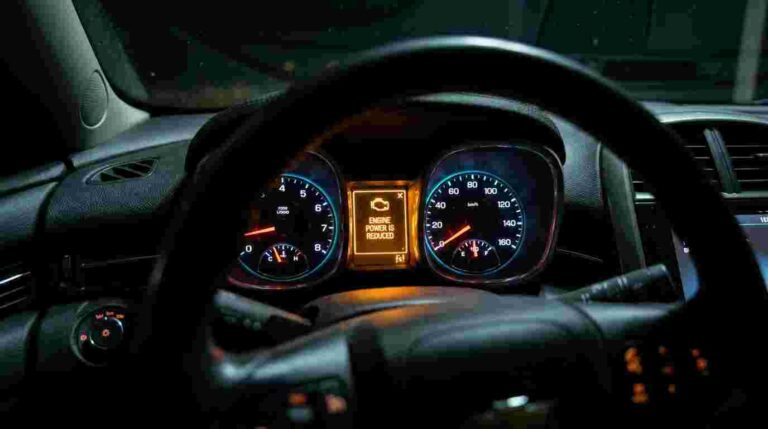
Electrical complaints require the same attention. Intermittent warning lights, starting trouble, and accessories that cut out can have several causes, including a weak battery or poor cable connections. Check the battery terminals, test every switch and accessory, and have a mechanic scan all available modules for fault codes. You can compare the car’s year and symptoms with Cruze owner complaints before making an offer.
Repair Costs and Long-Term Ownership
The Cruze’s routine repair costs are manageable, but cooling-system and engine problems can make an older car expensive to keep. Your maintenance records and a pre-purchase inspection matter more than mileage alone.
Routine Maintenance Costs
RepairPal lists the Cruze’s average annual repair cost at $545. That figure is an average, so your bill will depend on the car’s age, mileage, condition, and local labor rates. Keep a separate budget for tires and scheduled work.
Follow the maintenance schedule for your model year. Prioritize oil changes, coolant checks, brake service, and tire replacement, and use the specified oil if your Cruze has a turbocharged engine. Check the transmission fluid service requirements in your owner’s manual.
When you shop for a used Cruze, ask for dated maintenance records. Receipts for fluid changes and cooling-system work give you a clearer picture of its upkeep than a seller’s description.
Potential Major Repairs
First-generation Cruzes, particularly 2011–2015 models, have reported problems with coolant leaks, turbochargers, PCV components, and automatic transmissions. These repairs can cost substantially more than routine service. A low purchase price leaves little value if you immediately need major engine or transmission work.
Before you buy, have a mechanic inspect the cooling system for leaks, check for fault codes, and assess how the engine runs during a cold start and a longer drive. Test an automatic transmission in stop-and-go traffic and at higher speeds.
If you already own a Cruze, address coolant loss, overheating, rough running, and shifting problems promptly. Keep repair invoices so you can track recurring faults and decide whether further work makes financial sense.
How to Evaluate a Used Cruze
Check the car’s maintenance and recall history against its VIN, then drive it long enough to assess the engine, cooling system, and transmission. Have an independent mechanic inspect it before you agree to buy.
Service Records and Recall Checks
Ask for dated invoices that show oil changes, coolant service, and repairs. Match the VIN and mileage on the paperwork to the car. Receipts for a replaced part tell you more than a seller’s statement that the work was done.
Check the VIN through the NHTSA recall lookup and ask for proof that any open recalls were completed. Review the title and vehicle history report for accident or flood records, while remembering that a report only contains events that someone recorded.
The 2017–2019 gasoline Cruze buying guidance favors cars with documented maintenance, completed recalls, and a clean inspection. Treat gaps in the records as a reason to examine the car more closely and budget for overdue service.
Test Drive and Pre-Purchase Inspection
Start the engine when it is cold. Watch for warning lights, rough idling, visible exhaust smoke, and fluid leaks. During the drive, confirm that the temperature gauge stays steady, the engine accelerates smoothly, and the transmission shifts without slipping or harsh engagement.
Test the air conditioning, heater, windows, and electronics. After the drive, look under the hood for coolant residue and check beneath the car for fresh drips.
Arrange an independent inspection that includes a diagnostic scan, a check for oil and coolant leaks, and an examination of the brakes, tires, and suspension. Ask the mechanic for a written repair estimate before you decide whether the asking price works for you.
Frequently Asked Questions
Your Cruze’s model year, maintenance history, and engine condition matter more than its mileage alone. Early cars deserve close checks for cooling-system faults, oil leaks, and transmission problems.
Which Chevy Cruze model years should buyers avoid?
Approach 2011 and 2012 Cruzes with extra caution because owners have reported numerous problems with those early models. Check 2014 cars carefully, and identify whether a 2016 car is the redesigned Cruze or the older Cruze Limited before comparing reliability records. A model-year breakdown flags all four years for buyer attention.
How many miles does a Chevy Cruze typically last?
A maintained Cruze can reach 150,000 miles or more, but no mileage figure guarantees how long yours will last. Service records and the results of a mechanical inspection give you a better basis for judging a specific car.
What are the most common Chevy Cruze problems?
Check for coolant leaks and overheating, especially around the thermostat housing and water outlet. Some Cruzes also develop oil leaks, PCV-system faults, turbocharger issues, or transmission problems; the risks vary by engine and model year.
How expensive is a Chevy Cruze to maintain and repair?
Routine oil changes, filters, tires, and brakes are standard compact-car expenses. Your costs rise if the car needs cooling-system work, turbocharger repairs, or transmission repairs, so price any known fault before you buy.
Are later Chevy Cruze models more dependable than earlier ones?
A 2017–2019 gasoline Cruze is a stronger used-car starting point than a 2011–2012 car, according to model-year buying guidance. You still need to judge each car by its condition, repair history, and inspection results.
What should you check before buying a used Chevy Cruze?
Ask for oil-change and repair records, then check the coolant level, look for leaks, and watch the temperature gauge during a test drive. Test the transmission under light and firm acceleration, check for warning lights, verify completed recalls using the VIN, and arrange an independent pre-purchase inspection.