Chevy Square Body Bolt Pattern: Exact Specs for C10 & K10
Whether you are restoring a slammed C10 or lifting a K20 on 35-inch mud tires, buying the right wheels for your 1973–1987 Chevy or GMC “Square Body” starts with one crucial measurement: the bolt pattern.
Guessing your lug layout is a fast way to waste money on wheels that won’t clear your hubs or line up with your studs. Unlike modern trucks that stick to a single standard, Square Body trucks used completely different bolt patterns depending on the drivetrain (2WD vs. 4WD) and the vehicle’s weight capacity (Half-ton vs. 3/4-ton).
Understanding the Square Body Bolt Pattern
The bolt pattern (or Pitch Circle Diameter) is the diameter of the imaginary circle that passes through the center of your wheel studs. For the Square Body generation, General Motors kept it relatively simple, breaking it down into three specific heavy-duty configurations.
The Exact Specs:
- 2WD Half-Ton (C10 / C1500): Uses a 5×5″ (5x127mm) bolt pattern.
- 4WD Half-Ton (K10 / K1500): Uses a 6×5.5″ (6×139.7mm) bolt pattern. (Important: Aftermarket wheels for a K10 must have a large center bore to clear the bulky 4WD locking hubs).
- 3/4-Ton & 1-Ton (C20/K20, C30/K30): Uses a massive 8×6.5″ (8×165.1mm) bolt pattern designed for heavy-duty towing and payload capacities.
Square Body Lug Configuration Quick Reference
Forget the generic advice about 4-lug setups—full-size classic Chevy trucks never used them. Here is the real factory data you need before ordering aftermarket wheels or replacement studs:
| Truck Model (1973-1987) | Bolt Pattern (Inches) | Bolt Pattern (Metric) | Factory Stud Thread Size |
| C10 (2WD 1/2 Ton) | 5 x 5″ | 5 x 127 mm | 1/2″ – 20 |
| K10 (4WD 1/2 Ton) | 6 x 5.5″ | 6 x 139.7 mm | 7/16″ – 20 |
| C/K 20 & 30 (HD) | 8 x 6.5″ | 8 x 165.1 mm | 9/16″ – 18 |
How to Measure Your Chevy Bolt Pattern Correctly
If you are dealing with a modified Square Body, you cannot always trust the factory specification sheet. Over the decades, it has become incredibly common for owners to swap axles from newer generation trucks or even passenger cars into these classic chassis. Before you drop a massive budget on a set of custom forged wheels, grab a tape measure and physically verify your lug layout.
Measuring an Even Number of Lugs (6-Lug & 8-Lug) Because the K10 and heavy-duty C20/K20 trucks use an even number of wheel studs, checking the pattern is incredibly straightforward:
- Pick any lug stud as your starting point.
- Measure from the exact center of that stud directly across the hub to the exact center of the stud positioned completely opposite to it.
- If your tape reads 5.5 inches, you have a factory 6×5.5″ pattern. If it reads 6.5 inches, you are working with an 8×6.5″ heavy-duty pattern.
Measuring an Odd Number of Lugs (5-Lug C10) Measuring the 2WD C10’s 5-lug pattern is where most mistakes happen. Because there is an odd number of lugs, there is no stud located directly across from your starting point. If you measure center-to-center like an 8-lug, your measurement will be dead wrong.
- Pick any starting stud.
- Place your tape measure on the outermost edge (the back side) of that stud.
- Skip the adjacent stud, and measure to the exact center of the third stud.
- On a factory C10, this measurement will read exactly 5 inches (the 5×5″ pattern).
Diagnostic Pro Tip: If you perform this 5-lug measurement and your tape reads exactly 4.75 inches (4 3/4″), your truck is no longer running its factory C10 hubs. A previous owner has likely swapped in a passenger car axle or brake components (such as those from a Chevelle or Camaro), and you will need to buy wheels that match the smaller GM car bolt pattern.
Why Wheel Fitment Matters for Classic Trucks
Correct wheel fitment keeps vintage trucks safe and predictable on the road. A properly matched wheel and tire package prevents rubbing against frame or suspension during turns.
The right offset ensures the wheel sits where designers intended, preserving steering geometry and ride feel. Service technicians report that incorrect fitment speeds up wear on bearings and suspension parts.
Proper lug selection and seating protect studs and hardware. This reduces the chance of failures at speed and keeps the vehicle reliable for daily driving or long trips.
Performance improves when wheels match the truck’s weight and intended use. Enthusiasts can upgrade for looks, but maintaining correct offset and fit keeps the truck safe and dependable.
Regular service inspections catch clearance issues early. Routine checks balance aesthetic goals with functional needs for better handling and longer component life.
| Concern | Impact | Action |
|---|---|---|
| Tire rubbing | Frame or suspension damage | Verify wheel offset and tire size |
| Incorrect lug fit | Loose hardware, stud damage | Match lug type and thread size |
| Wrong offset | Poor handling, bearing wear | Consult service spec and test fit |
How to Measure Your Bolt Pattern Accurately
Measuring lug spacing correctly is the first step to a reliable wheel upgrade. Use a careful, repeatable approach so parts fit and function without surprise.
Tools for Precision
Use a digital caliper to find the exact center-to-center distance between lug holes. For even-numbered lug sets, measure from the center of one hole straight across to the center of the opposite hole.
For a 5-lug layout, measure from the top of the upper lug to the center of the lower lug hole. Take each reading twice and record the numbers.
| Tool | Use | Tip |
|---|---|---|
| Digital caliper | Center-to-center measurement | Zero before each read |
| Pattern gauge | Quick shop verification | Match against conversion chart |
| Service checklist | Record measurements | Double-check before ordering |
Accurate measurement prevents returns and protects studs and the hub. Professional service shops often verify measurements with specialized gauges. Always compare results to a verified conversion chart before buying wheels or hardware.
Square Body Bolt Pattern Data by Vehicle Year
Accurate year-by-year data helps match wheels to hubs with confidence.
’71–’91 Chevy/GMC 1/2-ton 2WD models typically use a 5×5″ bolt pattern, while 4×4 trucks of the same era often use 6×5.5″.
’88–’98 K1500 4×4 uses a 6×5.5″ layout with a 78.1mm center bore for correct hub alignment. Metric-to-inch conversion is common when mixing modern upgrades with classic studs.
’88–’00 C2500 HD trucks are built with an 8×6.5″ bolt pattern to handle heavier loads and towing demands. The 8×6.5″ configuration remains common among heavy-duty pickups.
Our service database lists lug specifications by year. Verify axle history, because previous owners may have swapped hubs or axles with different configurations. Measuring the center bore is as important as the bolt pattern when choosing wheels.
| Year Range | Typical Lug Count | Common Specification | Notes |
|---|---|---|---|
| ’71–’91 1/2-ton | 5 or 6 | 5×5″ (2WD) / 6×5.5″ (4×4) | Check axle type before ordering |
| ’88–’98 K1500 | 6 | 6×5.5″, 78.1mm center | Requires hub-centered wheels or proper hub rings |
| ’88–’00 C2500 HD | 8 | 8×6.5″ | Designed for higher load and towing |
| Modern upgrades | Varies | Mix of metric and inch | Convert measurements to ensure stud and hub fit |
Essential Lug Nut Types and Thread Sizes
Proper thread size and nut style protect studs and keep wheels centered under load.
Acorn vs Flange Styles
The 1/2″-20 60° acorn nut is common on many classic trucks with tapered seats. It gives a clean look and pulls the wheel tight into the seat.
Flat flange nuts suit hub-centric wheels. They create a broad, even contact surface to hold the wheel steady without stressing the seating edge.
Thread Pitch Importance
Thread pitch must match your truck studs. A wrong pitch can strip threads and ruin studs on a pickup. That risk affects safety and repair costs.
Service technicians always verify thread size before installation. They also check the wheel center bore so the hub and wheel run true and vibration is minimized.
Use high-quality parts and follow torque specs during service checks. Regular inspection keeps threads healthy and hardware secure.
| Nut Type | Common Use | Key Benefit |
|---|---|---|
| 1/2″-20 60° Acorn | Classic tapered wheels | Strong seat and finished look |
| Flat Flange | Hub-centric wheels | Even load distribution, less seat wear |
| Metric Options | Modern upgrades and adapters | Must match stud pitch and size |
Proper Torque Specifications for Wheel Safety
Torque settings are a simple step that directly affect wheel security and long-term safety. Use correct specs for your studs to keep the lug seated and the wheel running true.
Recommended torque ranges:
12mm studs — 75–85 lb‑ft.
14mm studs — 85–95 lb‑ft.
Heavy-duty 5/8″ studs — 125–135 lb‑ft.
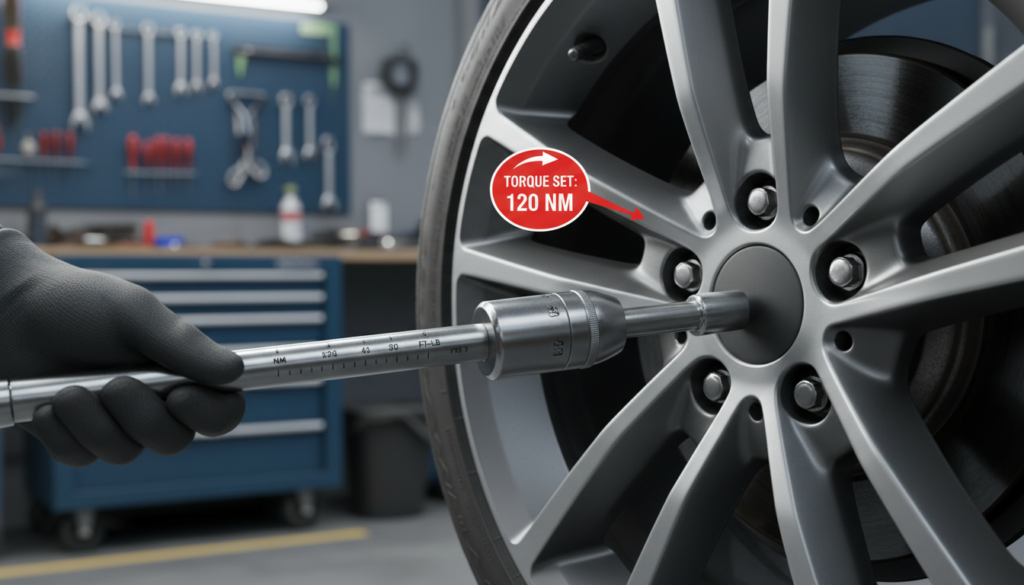
Our service team advises using a calibrated torque wrench to hit the exact value specified by the manufacturer. Always tighten nuts in a star pattern to spread clamping force evenly across the wheel mounting surface.
Proper torque prevents loosening and reduces the risk of wheel separation on classic trucks. If unsure, reference the factory service manual for your model. Consistent torque practices are part of the shop’s core service philosophy.
| Stud Size | Torque Range (lb‑ft) | Service Tip |
|---|---|---|
| 12mm | 75–85 | Use calibrated torque wrench; retorque after 50 miles |
| 14mm | 85–95 | Clean threads and torque in star sequence |
| 5/8″ (heavy duty) | 125–135 | Verify hub and wheel fit; follow factory spec |
Upgrading Wheels for Improved Performance
A well-planned wheel upgrade balances clearance, scrub radius, and unsprung weight for real gains.
Offset determines how far the wheel sits in or out from the hub. Choose offset to keep the wheel clear of suspension and brake components. Our service team recommends checking backspacing measurements before purchase to avoid interference with calipers or the frame.
High-quality performance wheels and related parts often need specific lug nut styles to center and secure the wheel. Using the correct lug ensures even seating and reduces vibration under load.
Quick comparison
| Measure | What it affects | Service tip |
|---|---|---|
| Offset | Wheel position vs hub; scrub radius | Verify change with digital caliper |
| Backspacing | Brake and frame clearance | Test-fit or compare specs |
| Weight | Unsprung mass and responsiveness | Prefer lightweight wheels for better handling |
Always confirm wheels match your truck’s bolt pattern and hub before finalizing. Proper selection is a key service step for lasting performance and safety.
Common Challenges with Classic Truck Wheel Fitment
Misreading lug locations is a frequent cause of buying wheels that won’t sit properly on a classic pickup. This error usually means the rim won’t center on the hub or the lug holes won’t line up, forcing returns and extra cost.
Incorrect offset can push the tire into the inner fender or the frame during full lock turns. That rubbing damages the fender lip and can alter steering feel.
Technicians also see wheels with a center bore that is too small for the hub. Wheels must be hub‑centered to run true; otherwise vibration and premature bearing wear follow.
Measurement errors happen when lug spacing is recorded incorrectly. Always double‑check measurements before ordering. Some older trucks use rare patterns, making sourcing compatible wheels harder.
Using the wrong lug nut style risks loose fasteners. Likewise, ignoring tire clearance can leave a truck unable to carry its intended load safely.
| Issue | Consequence | Service Action |
|---|---|---|
| Misidentified bolt pattern | Wheels won’t mount or require adapters | Measure lug spacing twice; confirm spec with hub |
| Incorrect offset | Tire rub and poor handling | Check backspacing and test-fit before final purchase |
| Small center bore | Wheel not hub-centered; vibration | Fit proper hub rings or buy hub-centric wheels |
| Wrong lug nut style | Loose wheel, damaged studs | Match nut type to wheel seat and stud thread |
| Poor tire clearance | Fender/frame damage, load limits reduced | Verify tire width/offset combination with service tech |
Pro tip: When in doubt, consult certified service technicians. Their checks prevent common mistakes and keep the pickup safe and road‑ready.
Conclusion
Closing an upgrade with methodical checks protects your investment and boosts on-road performance.
Confirm the correct bolt pattern, match lug nut type, and verify hub fit before final installation.
Use a calibrated torque wrench and recheck after a short drive. That small step prevents loose fasteners and uneven wear.
For tricky fitment or complex changes, seek professional service. For more bolt pattern info and reference guidance, visit the chevy 8-lug reference.
Following these steps helps you choose the right wheels, lug hardware, and tire combo for your pickup and keeps the vehicle safe for years of driving.
FAQ
What is the Square Body bolt pattern and why does it matter?
The Square Body bolt pattern describes the lug layout used on classic GM trucks from the 1970s–1980s. It determines which wheels will fit the hub, so correct identification ensures safe attachment, proper wheel center alignment, and reliable vehicle performance.
How do I measure my truck’s bolt pattern accurately?
Use a ruler or digital caliper and measure from the center of one lug hole to the center of the hole directly across (for even-numbered lugs) or to the far edge for odd patterns, then confirm with a pattern gauge. Measure the wheel offset and backspacing too; they affect clearance and tire fitment.
Which tools are best for precise measurement and installation?
A digital caliper, a bolt-circle gauge, torque wrench, and a thread pitch gauge are recommended. Use a torque wrench to tighten lug nuts to manufacturer specs and a thread gauge to match lug nut threads to wheel studs.
What lug nut types and thread sizes are common for these trucks?
Classic pickups often use tapered (acorn) and flange-style nuts. Common thread sizes are metric and SAE variants—verify stud pitch and diameter before purchasing. Using the correct nut style preserves wheel seat and wheel center integrity.
How important is torque and what values should I use?
Proper torque prevents stud failure and wheel runout. Follow manufacturer specs—typically 80–100 ft·lb for many truck applications—but always check the vehicle manual or a trusted service guide for exact values and use a calibrated torque wrench.
Can I upgrade wheels for better performance without modifying hubs?
Yes. Choose wheels with the correct lug configuration and compatible offset. Adjust tire size with attention to backspacing and clearance. For larger brakes or wider tires, hub adapters or stud conversion kits may be needed, but they add complexity and should be installed by a pro.
What common fitment challenges do owners face with classic trucks?
Typical issues include incorrect offset causing rubbing, mismatched lug seat types, wrong thread pitch, and improper backspacing. Rusted studs and warped rotors also complicate installation; inspect parts and measure before buying wheels.
How does wheel offset affect handling and clearance?
Offset shifts the wheel in or out relative to the hub centerline. Positive offset moves the wheel inward, improving clearance to fenders; negative offset pushes it outward, widening track and potentially improving stability but increasing rubbing risks. Choose offset to balance tire fit, steering geometry, and brake clearance.
Where can I find accurate bolt pattern data by vehicle year?
Factory service manuals, OEM parts catalogs, and reputable online databases list bolt patterns and stud specifications by year and model. Cross-reference multiple sources and measure your vehicle to confirm before ordering wheels or parts.
Are hub-centric rings or adapters necessary for fitment?
Hub-centric rings help center aftermarket wheels on the hub, reducing vibration when wheel center bores differ. Wheel adapters change bolt patterns or backspacing but can alter load distribution; use high-quality parts and follow torque and maintenance guidance.