Chevy Tahoe Generations: Reliability & Best Years Compared
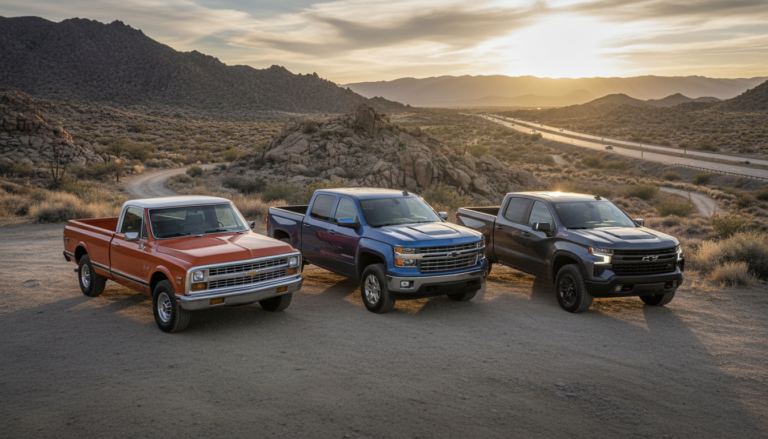
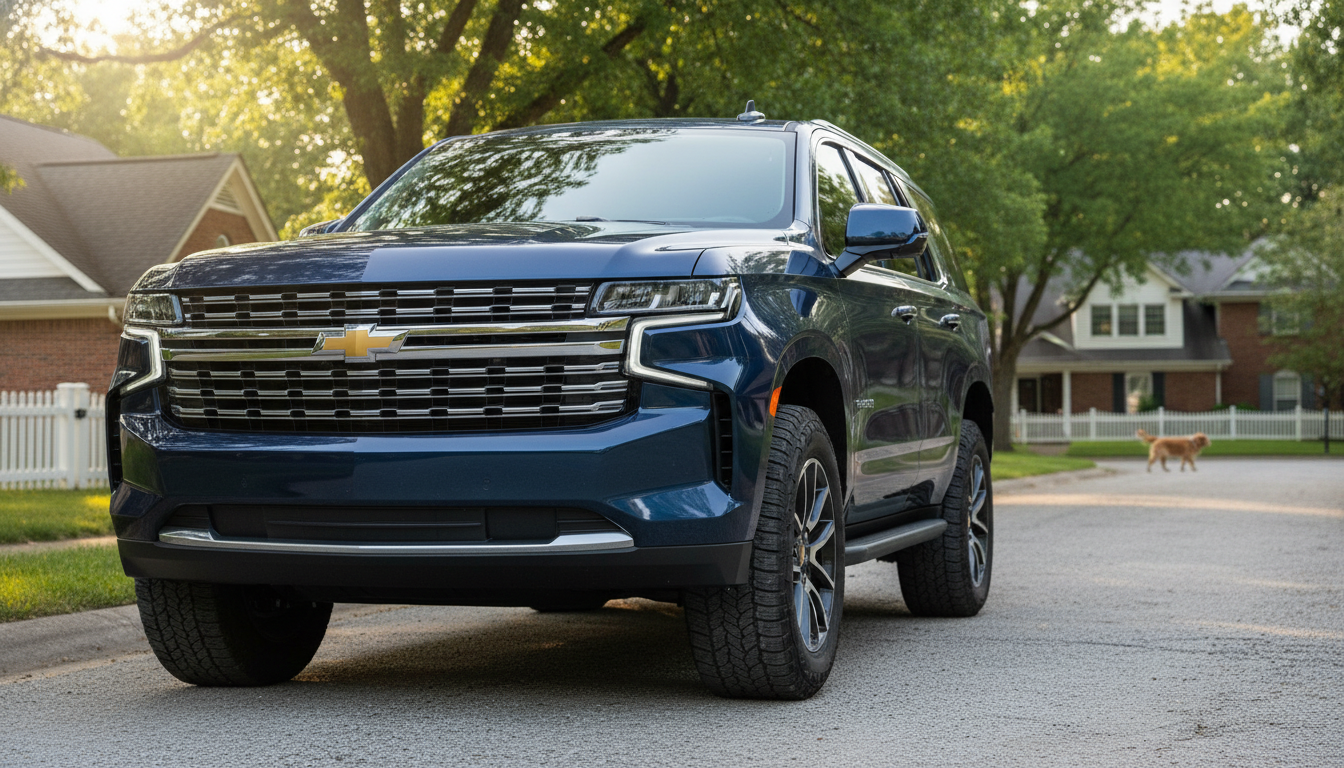
Few SUVs command the road—and the respect of American families—quite like the Chevrolet Tahoe. Since bursting onto the scene in 1995, this body-on-frame behemoth has hauled boats, tackled blizzards, and survived the daily school run across five distinct generations. But if you’re hunting for a used model, a critical question remains: which years are built like tanks, and which are ticking mechanical time bombs?
In this guide, we’re slicing through the marketing speak to compare the reliability, major faults, and real-world repair costs across every Tahoe generation. Whether you want a simple, unkillable classic or a tech-loaded modern cruiser, here is how to navigate the used market and find the perfect rig for your budget.
First Generation (1995–1999): Classic Durability and Mechanical Simplicity
Enthusiasts often praise the original Tahoe for its rugged build and easy-to-service layout. Because it relies on simpler systems and fewer electronics than its modern successors, routine maintenance is remarkably straightforward and cheap.
Under the hood, the legendary 5.7-liter Vortec V8 will run forever if you treat it right. However, age is the biggest enemy here. When shopping for this era, carefully inspect the cooling system. Deferred maintenance on the radiator or hoses can quickly escalate to head gasket failure.
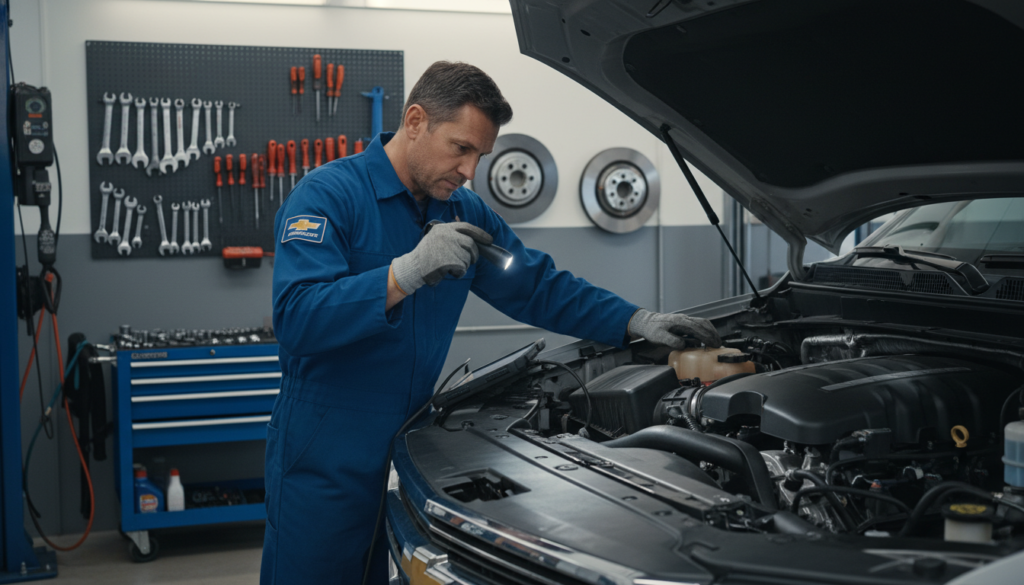
To narrow choices, cross-check owner reports and J.D. Power data. For a quick guide to the most recommended options, see this summary of the best years for Chevy Tahoe.
Key Reliability Focus:
- Intake Manifold Gasket Leaks: A well-known weak point on the 5.7L V8. Look for coolant pooling or a rough idle.
- Estimated Repair Cost: $600 – $900 to replace the intake manifold gasket.
Second Generation (2000–2006): The High-Mileage Gold Standard
If you ask mechanics which Tahoe to buy on a strict budget, they will point you straight to the second generation. Widely viewed as the gold standard for long-term mechanical life, these models strike a perfect balance: they possess enough modern engineering to be comfortable, yet lack the complex electronics that plague later years.
Hitting 200,000 miles is just a stepping stone for these trucks, provided the owner kept up with oil changes. Just pay close attention to the transmission during your test drive; the 4L60E automatic transmission can show its age under heavy towing loads.
Key Reliability Focus:
- Transmission Wear (4L60E): Slipping gears or harsh shifts demand immediate attention.
- Estimated Repair Cost: $2,500 – $3,500 for a transmission rebuild or replacement.
Third Generation (2007–2014): A Shift Toward Comfort (and Complexity)
Major platform updates arrived in 2007, changing how the Tahoe performs and feels. Redesigned with a stiffer structure, a vastly improved interior, and advanced safety tech, this generation shifted priorities heavily toward family comfort.
Unfortunately, that mid-cycle innovation brought growing pains. Early models—especially the 2007 and 2008 years—amassed over 1,000 complaints on consumer sites due to frustrating electrical and interior accessory failures. Thankfully, quality control tightened up significantly as the generation aged. The 2011 model year, for example, stands out with an impressive 84/100 score from J.D. Power for quality and dependability.
Key Reliability Focus:
- Cracked Dashboards & Electrical Gremlins: Instrument cluster failures (flickering gauges, dead backlighting) and fragile dashboards are incredibly common.
- Estimated Repair Cost: $800 – $1,200 for dash replacement; $300 – $500 for an instrument cluster rebuild.
Fourth Generation (2015–2020): AFM Struggles and Late-Era Redemption
Sleeker and more efficient, the fourth generation launched with a host of new fuel management and electronic controls. While these systems successfully improved fuel economy and power tuning, they introduced severe mechanical hurdles early on.
Many 2015 owners experienced excessive oil consumption and catastrophic failures linked to the Active Fuel Management (AFM) system on the 5.3L V8 engines. By the end of the run, however, Chevy had ironed out the kinks. The 2020 model year earned a stellar 83/100 J.D. Power rating, showcasing a measurable leap in fit, finish, and owner satisfaction.
Key Reliability Focus:
- AFM Lifter Failure / Oil Consumption: Check dipsticks diligently and review service records for recurring top-offs.
- Estimated Repair Cost: $2,000 – $4,000+ for AFM lifter replacement and upper engine repairs.
Fifth Generation (2021–Present): Modern Tech and Independent Suspension
The move to an independent rear suspension in 2021 completely reshaped the Tahoe’s interior space and ride quality. Road-trippers immediately noted the noticeably smoother ride and vastly expanded third-row legroom.
These newer years pack incredible driver‑assistance features and complex infotainment networks. The trade-off? You are now driving a massive computer. While engine performance remains robust, the vehicle’s reliance on software makes it highly sensitive to updates.
Key Reliability Focus:
- Software & Sensor Faults: Minor glitches require specialized dealer diagnostics rather than a wrench.
- Estimated Repair Cost: $150 – $300 just for dealer diagnostic fees and software flashing; $800+ for replacing advanced sensors.
At-A-Glance: Tahoe Reliability & Expected Costs
To help you negotiate a fair price and prioritize your pre-purchase inspection, keep this cheat sheet handy:
| Generation / Era | Most Common Failure Point | Symptoms to Watch For | Average Repair Cost |
| Gen 1 (1995-1999) | Intake Manifold Gasket | Coolant leaks, overheating, rough idle | $600 – $900 |
| Gen 2 (2000-2006) | 4L60E Transmission | Slipping gears, harsh shifting under load | $2,500 – $3,500 |
| Gen 2/3 (Late 2000s) | Fuel Pump Failure | Stalling, extended cranking on cold starts | $800 – $1,200 |
| Gen 3 (2007-2009) | Instrument Cluster / Dash | Dead gauges, flickering lights, cracked vinyl | $300 – $1,200 |
| Gen 4 (2015-2016) | AFM / Oil Consumption | Low oil pressure warnings, engine ticking | $2,000 – $4,000+ |
Final Verdict on Tahoe Ownership
Buying a used Chevy Tahoe shouldn’t feel like a roll of the dice. By zeroing in on the sweet spots—like the bulletproof early-2000s models or the highly refined 2020 edition—you secure a rugged, capable companion ready for the long haul.
Always demand comprehensive maintenance records, execute a ruthless pre-purchase inspection (paying special attention to oil consumption and transmission health), and don’t be afraid to walk away from a rig with a shady service history. When chosen wisely, the Tahoe isn’t just an SUV; it is a tireless workhorse that will comfortably carry your family for hundreds of thousands of miles.
FAQ
Which model years are most prone to excessive oil consumption?
Owners report higher oil consumption most frequently in late 2000s to mid-2010s V8 models, particularly those with higher mileage and heavy towing history. Check engine reports and owner forums for the specific engine code in the listing before buying.
What should I inspect for signs of oil burning during a pre-purchase check?
Look for blue-gray exhaust smoke at startup and under load, low or rapidly dropping oil level between services, oil-fouled spark plugs, and a strong oil smell. Ask for service records showing consistent oil top-offs and compression or leak-down test results.
Are fuel pump failures common, and what are the symptoms?
Fuel pump problems occur intermittently across multiple model years. Symptoms include hard starts, extended cranking, sputtering at highway speeds, and fuel pressure codes. A fuel pressure test and listening for pump noise during key-on can reveal early signs.
Which generations introduced major platform or suspension changes that affect longevity?
The shift to independent rear suspension and lighter architectures in recent generations brought better ride and efficiency but introduced new complexity. These changes can affect long-term repair costs; verify component histories and look for known recall remedies.
How serious are transmission and drivetrain issues in mid-generation models?
Some mid-generation units experienced premature transmission wear, torque converter shudder, and transfer case faults in four-wheel-drive systems. Issues tend to surface after high-mileage or repeated towing, so review transmission service history and shift quality during a test drive.
Do electrical and interior accessory failures vary by year?
Yes. Older models show wear in switches, window regulators, and climate controls, while newer ones can suffer from infotainment glitches, camera failures, and sensor faults. Confirm software updates and inspect all interior functions during inspection.
How can I best use Consumer Reports and J.D. Power ratings when evaluating a used model?
Use ratings to spot patterns—look for consistent low scores in powertrain or body systems across multiple sources. Cross-reference with complaint databases and NHTSA recalls to prioritize model years with documented fixes or ongoing issues.
Which years should buyers generally avoid when shopping used?
Avoid model years tied to repeated engine oil consumption complaints, unresolved transmission service campaigns, or extensive electrical recalls unless a thorough repair history and receipts prove the problems were fixed. Obtain a vehicle history report and independent inspection.
What routine maintenance helps prevent oil consumption and extend engine life?
Follow scheduled oil-change intervals with manufacturer-grade oil, use correct viscosity, replace PCV valves and oil separators as recommended, and avoid prolonged low-oil conditions. Regular cooling-system and valve-train inspections also help preserve longevity.
If excessive oil use is confirmed, what repairs are commonly required and what do they cost?
Typical fixes range from PCV system replacement and valve-cover gaskets to more costly options like piston rings or cylinder work. Minor repairs can be a few hundred dollars; major engine work or replacement may reach several thousand. Get diagnostic proof before negotiating price.