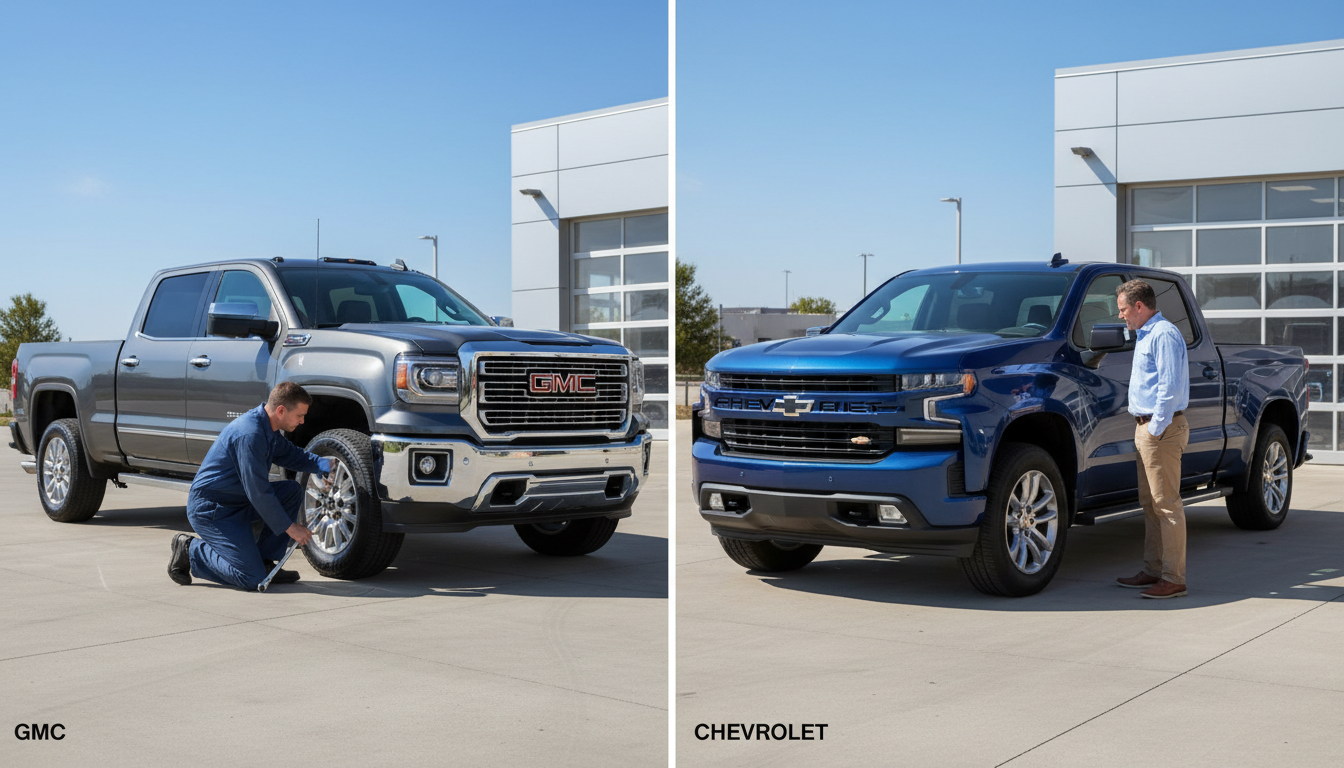
Is GMC and Chevy the Same? We Break Down the Real Differences
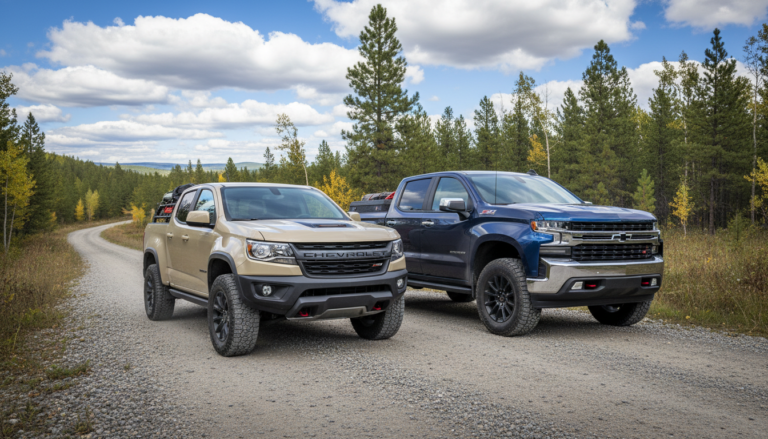
If you’ve typed that exact question into your search bar while researching full-size pickups, you’re far from alone. It’s the single most common question we hear from truck shoppers across the U.S. and for good reason. Park a Chevy Silverado next to a GMC Sierra on a dealership lot, and at first glance, the differences can feel little more than a swapped grille and badging.
With both brands under the same corporate umbrella, it’s easy to write them off as identical trucks with different logos. But is that actually the case?
Today, we’re settling this debate once and for all with a practical, no-fluff breakdown built for real shoppers, not just gearhead forums. Here’s exactly what we’ll cover to help you make a confident choice:
- We’ll unpack the distinct brand identities and ownership positioning that separate Chevy and GMC, even under the same parent company
- We’ll pull back the curtain on the shared engineering that underpins most of their full-size pickup lines
- We’ll dive into a head-to-head Silverado vs. Sierra model comparison, highlighting the specific places these trucks truly diverge
- We’ll break down price versus real-world value to help you decide which pickup delivers more for your hard-earned money
Here’s the upfront truth: While many Chevy and GMC pickups share critical core parts under the skin, the small but intentional differences from trim-level feature packaging and interior finishes to dealer support and target audience can drastically shape your daily driving experience and final bottom line.
We’re making a simple promise to you: By the end of this piece, you’ll have clear, actionable takeaways tailored to your needs, whether you’re a budget shopper stretching every dollar, a contractor needing a tough work truck, or a driver wanting near-luxury cabin comforts without overpaying for a premium badge.
We’re sticking strictly to U.S. market options and skipping all the marketing hype to focus only on the details that actually matter for your purchase.
GM Ownership and Brand Identity: How GMC and Chevrolet Are Connected?
General Motors operates two distinct truck brands under one corporate roof. This setup shapes engineering, sourcing, and sales strategy for both sides.
Quick historical timeline
- 1908: general motors formed.
- 1911: Chevrolet co-founded; GM Truck Company created.
- 1912–1943: Truck nameplates evolve; Chevrolet joins GM in 1918; full GMC purchase in 1943.
What “two brands under one umbrella” means?
Shared platforms, joint suppliers, and coordinated planning cut costs. Yet marketing keeps unique identities.
Why GM keeps both: one label sells broad-value vehicles while the other targets premium buyers with upgraded trim and dealer experience.
| Parent | Positioning | Buyer focus |
|---|---|---|
| general motors | Value reach | Everyday owners |
| general motors | Professional grade | Upscale truck buyers |
Remember a simple rule: shared parent company explains overlap; brand strategy explains differences. Use model and trim checks when comparing chevy gmc, gmc chevrolet, or chevrolet gmc pairings.
Is GMC and Chevy the Same? What People Mean by “Same”?
A shopper sees two trucks side by side and asks if they are identical. That question has three answers depending on what matters most.
Same company vs different divisions: what’s shared and what isn’t?
Ownership: Both brands sit under one corporate owner, so business decisions and platforms often overlap.
Engineering: Many components, powertrains, and assembly lines are shared, so mechanical feel can match closely.
Experience: Trim levels, interior finishes, and dealer service shape how each model feels in daily use.
Where confusion comes from?
Trucks and SUVs built on a common platform can look alike. Shared size, similar proportions, and matching options make quick visual checks unreliable.
How to compare the right way?
- Match the model class (half-ton to half-ton) first.
- Match trim level next (base to base, premium to premium).
- Compare key features: towing, bed tech, materials, and driver aids.
Write down must-haves before shopping. Features like tailgate design or suspension often depend more on trim than badge. This steady way avoids overpaying for branding.
| Aspect | What shoppers mean | How to check |
|---|---|---|
| Ownership | Shared parent company | Look at corporate info and platform notes |
| Engineering | Often identical parts | Compare engines, axles, and chassis codes |
| Experience | Different trims and finishes | Inspect cabin materials and dealer packages |
Shared Engineering: Platforms, Drivetrains, and Many Common Parts
A truck’s underpinnings often explain why two models drive so similarly.
Platform means the core structural and dimensional blueprint. It sets ride height, cab position, and load capacity. When Silverado and Sierra share GMT1000 roots, they share that basic footprint.
How platforms shape feel?
Common platforms make steering, braking, and seating position familiar across models. Shared architecture also reduces development cost and improves parts availability.
Powertrain overlap
Engines and transmissions often travel with a platform. When two trucks use the same engine family and gearbox, towing numbers and on-paper performance line up closely.
Parts interchangeability in practice
Many wear items and service parts match across related models. Brake pads, filters, and some suspension components can swap if year and trim align.
- Check OEM part numbers before buying a replacement.
- VIN-specific fitment confirms exact compatibility.
- Trim packages sometimes change mounting points or control modules.
| Area | Typical overlap | When to verify |
|---|---|---|
| Chassis and frame | High — same platform | Different model years or heavy-duty options |
| Engine and transmission | Medium — shared engine families | Forced induction, diesel, or hybrid variants |
| Brake and wear parts | High — common fitment | Trim-specific rotor sizes |
| Interior modules | Low to medium — trim dependent | Luxury packages and infotainment choices |
Shared engineering means easier sourcing and broader repair knowledge. Still, verify fitment to avoid surprises when swapping parts.
Brand Positioning Today: Chevy as the Workhorse, GMC as “Professional Grade”
In current U.S. market terms, one marque aims for mass utility while its sibling targets an upscale buyer.
Chevrolet’s broad reach
Chevrolet offers wide product coverage. Lineup spans trucks, sedans, sports cars and utility models.
This breadth builds a workhorse reputation. Fleets, families, and buyers on budgets find options and value.
GMC’s narrower focus
GMC vehicles center on trucks, SUVs, vans. Packaging favors richer materials and tech.
That focus translates into a luxury-leaning image. Buyers see more standard comforts at comparable trims.
Typical buyer profiles
- Value buyers: choose broad lineup, practical pricing, everyday tasks.
- Image buyers: pick premium cabins, extra features, a business-ready look.
| Position | Who it fits | Key selling point |
|---|---|---|
| Workhorse brand | Cost-conscious owners, fleets | Wide model choice, practical value |
| Professional grade | Buyers wanting upscale utility | Luxury trims, premium materials |
This market split affects options and MSRP. The next section compares Sierra and Silverado trims head-to-head for clear examples.
GMC Sierra vs Chevy Silverado: The Comparison Most Shoppers Care About
When a tow package and daily comfort both matter, these two trucks rise to the top of consideration lists.
Powertrain overlap and the headline numbers
Both offer 2.7L turbo, 5.3L V8, a 3.0L diesel, plus a 6.2L V8 rated near 420 horsepower with up to 13,300 pounds towing capacity. Matching engines explain why spec sheets often look similar across models.
Spotting design cues fast
Buyers can tell them apart by grille shape, headlight layout, and brand lighting signatures. Those elements shift a truck’s road presence more than shared sheetmetal does.
Trim strategy and cabin choices
Base trims from each brand may feel close. Higher trims widen gaps: one line leans into easy-clean storage and utility, the other into richer materials and premium touches.
- Tip: Compare equal trim levels for usable differences.
- Tip: Pick the engine and tow setup you need, then choose the trim that gives everyday comfort.
| Area | Silverado | Sierra |
|---|---|---|
| Engine menu | 2.7L, 5.3L, 3.0L diesel, 6.2L | 2.7L, 5.3L, 3.0L diesel, 6.2L |
| Design | Functional, bold grille | Premium lighting, upscale grille |
| Interior | Practical storage focus | Higher-grade materials |
Features That Set Them Apart: Premium Tech, Tailgates, and Truck Bed Innovations
Practical features often shape daily satisfaction more than headline torque. Buyers find small details change usability on job or commute.
Brand-specific hardware
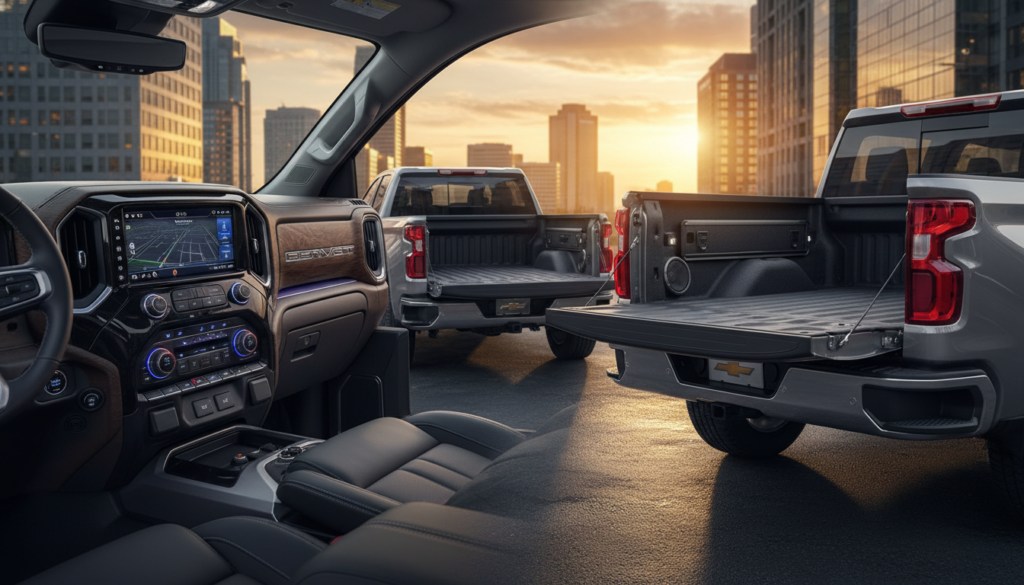
One model offers a Multi-Pro tailgate plus a CarbonPro carbon-fiber bed on select configs. These options boost cargo protection, reduce weight, and add flexible work surfaces.
Counterpart practical solutions
Another model focuses on a MultiFlex tailgate and clever cabin storage. That approach centers on usable bins, flat-fold seats, and simple stowage for daily tools.
Ride and comfort choices
Magnetic ride control means adaptive damping that smooths bumps and sharpens handling. Availability varies by trim, so confirm on an exact build before assuming fitment.
- Tip: shortlist two or three trims and compare included features before switching brands.
- Tip: contractors may prefer tailgate step and work-surface options; commuters often value ride comfort and interior tech.
- Tip: test functions in person—open tailgate, sit in seats, check storage usability.
| Area | Noted advantage | When it matters |
|---|---|---|
| Tailgate tech | Multi-Pro / MultiFlex | Loading, worksite tasks |
| Bed | CarbonPro | Long-term corrosion resistance |
| Ride | Magnetic control | Daily comfort, towing stability |
Durability and Quality Control: Are GMC Trucks “Built Better”?
Inspection routines and part choices create real differences in long-term ownership costs. Many claims about being “built better” trace to component selection and added factory checks, not a separate production line.
Commercial roots and component claims
Historically, brands with commercial roots fitted stronger brakes, tougher suspension tuning, and heavier-duty axle hardware for work use. That approach supports hauling and repeat-duty cycles found on construction sites.
What quality control and extra testing mean?
Quality control here means extra checkpoints, more hands-on inspections, and longer final audits. More checkpoints reduce defects but add labor time and cost.
Some sources note more points on inspections for premium trucks (for example, 110-point checks versus roughly 60–100 on mainstream models). Treat that as an illustration, not a guarantee.
- Look at published equipment lists for cooling, suspension, and axle ratings.
- Check service history and warranty terms for long-term value.
- Compare exact trim and package contents to find real build differences.
| Area | Typical claim | Buyer check |
|---|---|---|
| Brakes & stopping | Heavier rotors, stronger calipers | Spec sheet, brake diameter, tow rating |
| Suspension | Tuned for load and durability | Spring rates, shock type, payload numbers |
| Final inspection | More test points reported | Factory QC notes, dealer disclosures |
Badge alone won’t guarantee longevity. Maintenance, trim choice, and documented inspections often shape outcomes more than the badge claim about a difference gmc. For many buyers, comparing published specs and real-world service records gives clearer value signals than marketing copy.
Pricing, Value, and Resale: Why GMC Often Costs More?
Price tags often reveal how a brand positions its trucks in real-world markets.
Real-world MSRP ranges
For shopper context, reported ranges show a gap. Silverado lists near $37,845–$64,895. Sierra sits around $39,145–$86,890 depending on trim and options.
What drives the price gap?
Premium materials, richer standard tech, and bundled appearance packs push costs up. Extra inspection steps and brand positioning add labor and overhead. That explains higher stickers even when core parts match.
Value and overlap across trims
A high-trim Silverado can match a lower-trim Sierra in features and price. Cross-shopping trims often finds better value than picking a badge alone.
Beyond pickups
SUVs follow this pattern. The gmc yukon lineup keeps more luxury items standard, which raises MSRP and can aid resale later.
Resale and buying strategy
Premium positioning may support stronger resale for select builds. Local demand and exact equipment matter most.
- Set a firm budget.
- Compare two build sheets side-by-side.
- Pick features you will use, not ones you might want.
| Item | Silverado example | Sierra / Yukon example |
|---|---|---|
| Reported MSRP range | $37,845–$64,895 | $39,145–$86,890 |
| Typical premium items | Available tech packages, higher trims | More standard luxury materials, bundled packs |
| Buyer takeaway | Better value at matched trim | Higher upfront cost, potential resale edge |
Conclusion
Deciding between related truck brands means weighing fit, features, and value. Both names fall under general motors, so many mechanical pieces match. Yet real-world differences show up in cabin trim, bundled options, and pricing strategy.
Match equal models and trims first. Then compare build sheets to spot useful features like tailgate tech, suspension choices, or storage layouts before a final test drive.
For many buyers, one label lands as the value-forward choice while its sibling targets a premium, professional image. Expect higher cost when more materials and amenities arrive standard; that can affect resale for some vehicles.
Shortlist two or three configs, confirm must-have options, and book a test drive. Compare this way and the headline choice turns into a clear match to daily needs, not badge loyalty.
FAQ
is gmc and chevy the same?
No. Both brands belong to General Motors, but they operate as distinct divisions with different design cues, trim strategies, and buyer targets. They often share platforms and engines, yet each keeps its own styling, feature sets, and marketing focus.
How does General Motors connect these two brands?
General Motors owns both. GM supplies shared engineering, manufacturing, and powertrains. The brands remain separate to serve different market segments while gaining economies of scale behind the scenes.
Why did GM keep two truck brands instead of merging them?
GM keeps them to cover more buyers. One appeals to value- and mass-market shoppers with broad model range. The other targets buyers who want premium finishes and “professional-grade” messaging. That lets GM price and position vehicles differently.
What do people mean when they ask if the brands are “the same”?
Usually they mean do models share parts, engines, and performance. Many models are mechanically similar, so driving feel and capability can overlap. But styling, trim content, and dealer experience create noticeable differences.
Which components are commonly shared between sibling trucks?
Shared items often include platforms, chassis components, transmissions, and some engines. Brake systems, axles, and many service parts may interchange, but exterior panels, interior trim, and brand-specific features usually differ.
How should shoppers compare the Sierra and Silverado correctly?
Compare model-to-model and trim-to-trim. Look at powertrain options, towing specs, standard features, and interior materials rather than badge alone. A higher-trim value model can match a lower-trim premium version in features.
What features set one brand apart from the other?
One brand emphasizes upscale options like unique tailgate designs, special bed materials, and advanced interior finishes. The other focuses on practicality, wider model range, and price-conscious features. Specific offerings vary by model year and trim.
Are trucks from one brand more durable or higher quality?
Both use robust commercial-grade components where needed. Perceived quality can differ because of inspections, material choices, and option packages. Durability depends more on configuration, use, and maintenance than badge alone.
Why does one brand often cost more than the other?
Pricing reflects standard equipment, premium materials, and positioning. Higher trims and special packages push MSRP up. Resale patterns also influence sticker prices, since buyers pay for perceived luxury or commercial-grade features.
Do engines like the 2.7L turbo, 5.3L V8, 3.0L diesel, and 6.2L V8 appear across both brands?
Yes. Those engine families commonly appear in comparable models from each brand. Tuning, available transmissions, and accessory packages may differ, so check official specs for exact output and towing ratings.
Can parts be swapped between trucks from both brands?
Many service parts and some mechanical components are interchangeable, especially within the same platform and model year. Body panels, brand-specific trim pieces, and electronics often are not compatible.
Which brand should someone pick for daily work use vs. luxury comfort?
For practical daily work use, choose the brand with broader value trims and functional options. For a more upscale experience with special materials and comfort features, choose the brand marketed toward premium buyers. Test drives and comparing trims will clarify which matches your priorities.