Is Chevy Cruze a Good Car? What Owners Really Say
The Chevrolet Cruze earns mixed votes from U.S. buyers. It offers strong fuel economy and everyday practicality, yet reliability trends vary by model year.
Two big storylines shape the verdict: early model years (2011–2015) show more complaints and major failures, especially transmission and cooling problems. Later years, notably 2017–2019, improved after redesigns and score better on reliability lists like RepairPal and J.D. Power.
It turns reviews and road tests from RepairPal, J.D. Power, Car and Driver, and CarComplaints into practical advice. Readers get clear checkpoints: model year, engine and turbo choice, transmission behavior, and signs of coolant or oil leaks during inspection or test drive.
Practical takeaways include best years to buy, years to avoid, common symptoms to watch for, and features that add real value such as smartphone integration and modern safety tech.
Is chevy cruze a good car for U.S. drivers today?
Drivers who log steady highway and city miles frequently pick the Cruze for its balance of comfort and economy. Later model years added modern infotainment and made the driving experience more user friendly. With careful selection, the model works well as a daily sedan for many U.S. commuters.
Who the Cruze fits best as a daily commuter?
Best-fit buyer: someone who wants compact parking, strong fuel economy, and a simple daily drive over sporty handling.
The sedan performs predictably on long highway trips and in stop-and-go traffic. Owners who keep up with scheduled maintenance commonly report long service life. Newer trims include Apple CarPlay and Android Auto, which improve on-road usability.
Quick takeaway on value, reliability, and what to watch for
- Value: lower purchase price on older models can be offset by repair costs—consider total ownership cost.
- Reliability: mid-pack overall, better in later models and well-maintained examples.
- Watch-list: transmission shift quality, turbo response, and signs of cooling-system trouble.
In short, this vehicle can be cruze good today when buyers target later models or well-kept examples. The next section explains why reliability varies by generation and powertrain, which helps refine buying recommendations.
Chevrolet Cruze reliability overview by generation and model year
Long-term performance depends heavily on the exact model year, engine choice, and transmission pairing. Reliability here blends reported problems, repair frequency, repair severity, and how consistent scores stay across many drivers.
- RepairPal: rated about 4/5 for general reliability.
- J.D. Power: year snapshots — 2015 scored ~82/100; redesign-era 2016–2017 around 88/100; late-run 2019 near mid-80s.
- FIXD: early years 2011–2014 scored 3–5/10; 2017 at 7; 2018 at 8; 2019 at 9.
| Source | 2013–2015 | 2017–2018 | 2019 |
|---|---|---|---|
| RepairPal | Mixed | Improved | Strong |
| J.D. Power | ~82 | ~88 | ~84 |
| FIXD | 3–5/10 | 7–8/10 | 9/10 |
Many owners reach 150,000+ miles, and well-kept examples can push toward 250,000 miles. Regular maintenance—timely oil changes and cooling checks—cuts the chance of major failure, especially on turbo engines.
Bottom line: mid-range reliability overall, with clear improvement after the redesign. Next up: best years to buy versus years to avoid to lower risk when shopping used.
Cruze vs. Corolla: Long-Term Ownership Cost
While the Chevrolet Cruze often has a lower used purchase price than a Toyota Corolla, the “true cost” of owning one depends on maintenance. In 2026, data shows that while the Cruze is efficient, it requires slightly more frequent unscheduled shop visits.
Annual Repair & Maintenance Comparison
| Feature | Chevrolet Cruze | Toyota Corolla |
| Avg. Annual Repair Cost | $545 | $362 |
| Repair Frequency | 0.4 times/year | 0.3 times/year |
| Probability of Severe Repair | 12% | 7% |
| Major Component Risk | Turbocharger & Cooling | Infotainment/Minor Electrical |
Pro Tip: The $183 annual difference in maintenance is often offset by the Cruze’s lower initial price on the used market. However, if you choose a 2011–2015 model, the probability of a “severe” repair (over $1,500) triples due to known transmission vulnerabilities.
Why the Cost Difference?
- Turbocharged Engines: Most 2016–2019 Cruze models use a 1.4L Turbo. While great for MPG, turbos operate under higher heat and pressure, leading to more expensive gasket and seal replacements compared to the Corolla’s naturally aspirated engine.
- Parts Availability: While Chevy parts are plentiful, the Corolla’s global platform means aftermarket parts are often 10–15% cheaper for common fixes like alternators or water pumps.
Best Chevy Cruze years to buy used vs Cruze years to avoid
Pick your used model year carefully: some run reliably for years, others invite costly repairs. Below is a concise shopping shortcut to lower risk while buying used.
Years to avoid (shopping shortcut)
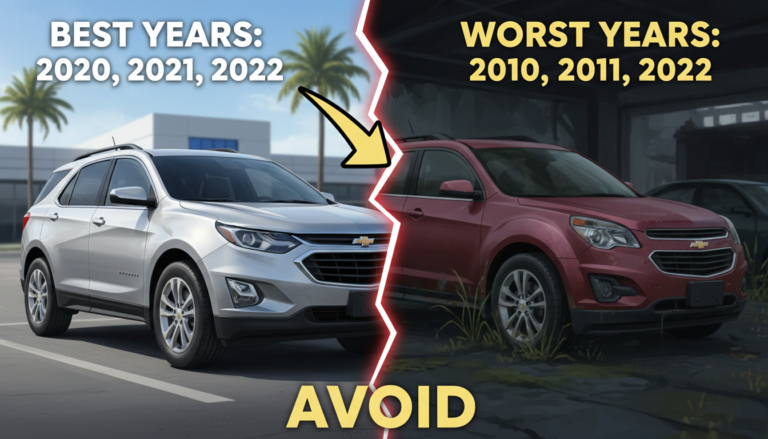
- 2011–2015: these years concentrate most expensive repeat failures and should be skipped when possible.
Why 2011–2012 stand out?
Early model years showed high complaint volume. Owners reported frequent transmission failure and an antifreeze smell in the cabin. That scent often signals coolant leaks and cooling-system trouble that can lead to engine damage.
Quick color on 2013–2015
2013 links more to electrical trouble. 2014–2015 tend toward engine-related complaints and overheating-adjacent issues. Together these model years raise repair risk and long-term ownership cost.
Safer picks: 2016–2019 and why?
After the redesign, reliability scores improved. J.D. Power and FIXD show upward trends through 2019. Later models added modern infotainment and tech that age better in resale markets.
| Group | Why | Resale/value |
|---|---|---|
| 2011–2015 | Transmission & engine failures | Lower |
| 2016–2017 | Redesign gains, fewer headline defects | Improved |
| 2018–2019 | Strong reliability, modern features | Best |
Sedan vs hatchback: pick by use
Choose the sedan for traditional trunk security and simpler shopping. Choose the hatchback for maximum cargo flexibility—easy for strollers, gear, or long loads. Hatchbacks often hold value better if buyers prize practicality.
Practical buying rule: prioritize documented maintenance and a clean inspection over low price. A solid service history beats a cheap sticker when certain model years can erase any upfront savings.
Common Chevy Cruze problems to know before you buy
Many troubleshooting threads for these models point to four main trouble areas buyers should check. Inspecting these systems cuts risk and helps set a realistic repair budget.
Transmission symptoms to watch
Transmission issues often show as harsh shifting, delayed engagement, odd gear changes, or refusal to shift. These symptoms matter because failure can mean full replacement or major rebuild.
Engine warnings and turbo risk
Engine issues reported include stalling, oil leaks, and turbo-related contamination. Turbo systems raise maintenance sensitivity: small neglect can lead to bigger failures fast.
Cooling, A/C, and water pump alerts
Small coolant leaks can escalate from a cabin smell to overheating. Owners note the A/C may shut down when the car protects the engine. Check for ground leaks, low coolant, and temperature spikes—water pump failure can cause head gasket failure if ignored.
Electrical faults that affect usability
Electrical problems range from no-start conditions and warning lights to faulty radios or infotainment. These issues complicate inspections and reduce day-to-day enjoyment even when the vehicle still drives.
- Diagnostic tip: earlier models often report codes P0171, P1101, P0420, and P0299 these point to air/fuel, boost, or catalyst concerns.
- Buyer rule: common problems don’t mean every car will fail, but they define what to inspect and budget for, especially used vehicles without full records.
- Simple checklist: if two or more categories show symptoms during one test drive, keep looking rather than hope it’s minor.
| Symptom | What to check | Likely consequence |
|---|---|---|
| Harsh shifting | Fluid level, shift feel, scan for codes | Transmission repair or replacement |
| Oil leaks / stalling | Inspect oil on block, cylinder condition | Engine repair or turbo service |
| Coolant loss | Water pump, hoses, coolant odor | Overheating and head gasket failure |
Fuel economy, mpg, and real-world efficiency
For buyers focused on running cost, measured mpg and long-term fuel efficiency should guide the choice. Use EPA numbers as a baseline, then adjust for your driving style and route.
EPA estimates and real tests
The 2019 model lists about 32 mpg combined (roughly 28 city / 32 highway). In one 200-mile highway test, the gas automatic returned 36 mpg, below an EPA highway claim of 39 mpg.
Diesel advantage and tradeoffs
The diesel proved efficient, hitting about 52 mpg in the same test. That efficiency helps heavy-mile drivers save fuel, but diesel can feel noisier at idle and offer less snap in everyday drive.
How habits and upkeep change results?
Fuel efficiency drops if maintenance lags. Dirty filters, old fluids, worn tires, or low tire pressure cut economy over time.
- Quick tips: steady throttle, correct tire pressure, and prompt repairs protect mpg and lower fuel cost.
- Benchmark: use 32 mpg combined as a late-model reference when comparing compact options.
| Factor | Effect on mpg | Action |
|---|---|---|
| Driving speed | High speed lowers efficiency | Keep steady cruise |
| Maintenance | Neglect reduces mpg | Follow service intervals |
| Engine choice | Diesel > gasoline for highway mpg | Pick by miles driven |
Driving experience, interior, and features that impact day-to-day value
On everyday roads the Chevrolet Cruze delivers a settled, comfortable ride that favors smooth commuting over sporty thrills.
Ride comfort vs handling
The suspension soaks up potholes and rough pavement, which helps the vehicle feel composed on long trips. Steering feels weighty and confident, but sharp cornering feedback is muted. Aggressive drivers may notice the setup lacks precision.
Transmission and engine notes
The automatic pairs well with the engine for eager response and smooth shifts. The manual gets mixed reviews for light clutch feel and long throws. For daily use, many drivers prefer the auto for ease and consistency.
Interior space, trunk and rear-seat practicality
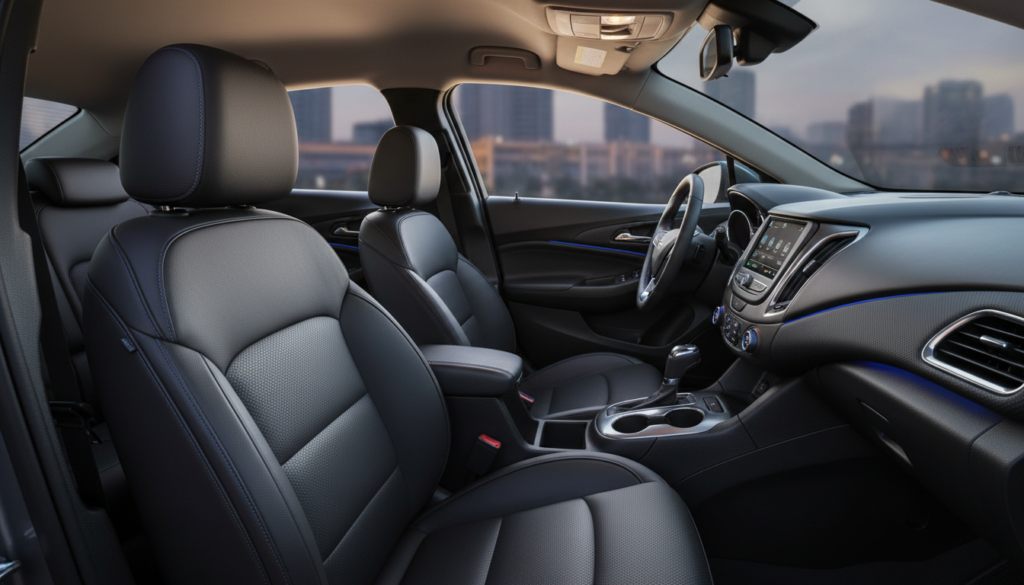
Front seats offer good support for commuting. Rear room fits adults for short trips; headroom slightly improves on the hatchback roofline. Rear seats drop via simple levers for quick cargo expansion.
Infotainment, connectivity and key features
MyLink with a 7-inch screen includes Apple CarPlay and Android Auto as standard. Physical buttons keep operation simple while 4G LTE helps keep phones connected. These items raise daily convenience and long-term value.
Safety and driver-assist availability
Advanced aids such as automated emergency braking, lane-keep assist, and forward-collision warning are usually optional. They often require the Premier trim plus the Driver Confidence II package, so confirm equipment when shopping.
- Practical takeaway: choose the hatchback for cargo flexibility and the sedan for classic trunk security.
- Tip: prioritize models with the infotainment package and driver aids if resale value matters.
| Aspect | What to expect | Why it matters |
|---|---|---|
| Ride | Soft suspension, stable highway feel | Comfort on poor roads |
| Handling | Stable but not sharp | Limits sporty driving |
| Cargo | Hatch fits large loads; seats fold via levers | Good for errands and trips |
| Tech | Apple CarPlay, Android Auto, 4G LTE | Modern convenience boosts value |
Conclusion
Later models reward patient buyers: 2016–2019 show clearer reliability gains, updated features, and better resale value when maintenance records match miles and use.
Simple buying rule: skip high-complaint years (2011–2015) and focus on later models with full service history.
Before purchase, inspect transmission feel on the test drive, listen for engine or turbo roughness, and check for coolant or oil leaks that hint at bigger issues.
With steady maintenance many owners reach 150,000–250,000 miles. Good fuel economy and modern tech raise daily value when paired with sound upkeep.
Final step: verify service records, run a pre-purchase inspection, and match trim and features to real driving needs to lower ownership risk.
FAQ
Is the Chevrolet Cruze a worthwhile compact for U.S. drivers today?
The Cruze can be a sensible choice for budget-minded buyers seeking fuel efficiency, a comfortable ride, and modern tech in later models. Buyers should favor 2016–2019 examples for fewer known faults and improved features. Expect good highway mpg, tidy interior packaging, and straightforward maintenance when the car has a clean service history.
Who does the Cruze fit best as a daily commuter?
It suits solo commuters and small families who value fuel economy, easy parking, and a quiet cabin over sporty performance. The sedan offers better trunk space while the hatchback adds cargo flexibility. Choose a well-documented used example and prefer manuals or later automatic revisions to avoid early transmission trouble.
Quick takeaway on value, reliability, and what to watch for?
Value is strongest in 2016–2019 models; reliability improves after the mid-cycle updates. Watch for transmission complaints on early models, coolant or oil leaks, and any turbocharger signs such as loss of power or unusual noises. A pre-purchase inspection and service records reduce risk.
How do reliability ratings vary by generation and year?
Ratings differ widely across model years. Early 2010s examples earned below-average scores from sources like J.D. Power and RepairPal due to driveline and electrical troubles. Later years improved with redesigned components and updated transmissions, moving ratings closer to average or better.
How long can a Cruze last with proper care?
With routine maintenance, many reach 150,000–250,000 miles. Success depends on timely oil changes, cooling system upkeep, and fixing small issues before they escalate—especially with turbocharged engines and automatic transmissions.
Why does reliability vary so much by year, engine, and transmission?
Differences stem from component design, supplier parts, and software calibrations. Turbo engines add complexity and require stricter oil and cooling care. Certain transmissions in early models had durability problems that were resolved or improved in later revisions.
Which model years should buyers avoid?
Models from 2011–2015 drew the most complaints for transmission failures, coolant smells, and recurring driveline faults. Those years show higher repair frequency and lower owner satisfaction compared with the post-redesign lineup.
Why did 2011–2012 models get many complaints?
Early production teething issues included problematic automatic transmissions and cooling system quirks. Reports mention harsh shifting, transmission refusal to engage, and coolant odors tied to leaks or thermostat failures.
What makes 2016–2019 safer picks for used buyers?
The 2016 redesign and subsequent tweaks fixed several drivetrain problems, added stronger materials, and updated electronics. These years also brought improved safety features and better infotainment integration, lowering long-term ownership costs.
Why do 2018–2019 models stand out?
They offer the most refined balance of reliability, fuel economy, and tech. Owners report fewer major failures, and EPA figures for certain trims reach the low-30s mpg combined. Features like Apple CarPlay/Android Auto became standard on many trims.
How to pick between sedan and hatchback for resale and practicality?
Choose the sedan for maximum rear-seat legroom and larger trunk volume. Opt for the hatchback if you need flexible cargo space and easier loading. Hatchbacks may hold appeal for niche buyers, while sedans typically sell faster in many markets.
What transmission issues should buyers watch for?
Symptoms include harsh or delayed shifts, slipping, refusal to engage, and warning lights. These signs often appear in older automatic units. Test-drive under varied conditions and request transmission service history before buying.
What common engine problems occur?
Owners report stalling, oil leaks around seals, and turbo-related failures on forced-induction engines. Regular oil changes and using manufacturer-recommended fluids reduce risk. Loud turbo noises or loss of boost warrant immediate inspection.
What about coolant leaks, overheating, and A/C shutdowns?
Leaks and thermostat or water pump failures can cause overheating and cabin A/C issues. Check for coolant stains, low reservoirs, and maintenance records for timing of coolant-system service to avoid costly repairs.
Are there frequent electrical problems to expect?
Some models show erratic warning lights, starting issues, or infotainment glitches. These typically relate to aging connectors, grounding faults, or software bugs. Verify operation of lights, gauges, and multimedia during a test drive.
What fuel economy can owners realistically expect?
EPA combined numbers for late-model trims sit around the low-30s mpg. Real-world highway figures often match or slightly exceed EPA estimates on diesel-equipped cars. Driving habits, tire choice, and maintenance strongly influence results.
How do habits and upkeep affect long-term efficiency?
Smooth acceleration, steady highway speeds, correct tire pressures, and clean air filters preserve mpg. Neglected oil and clogged components increase fuel use and wear, especially on turbo engines.
What is the driving experience like on rough roads?
The Cruze balances comfort and composed handling. It soaks up bumps reasonably well but can feel soft in sporty driving. Expect predictable steering and competent highway manners rather than athletic dynamics.
How practical is interior space and cargo room?
Rear seats offer acceptable legroom for adults on short trips; trunk space is generous in the sedan, while the hatchback provides flexible cargo layouts. Materials vary by trim but generally meet segment expectations.
Which infotainment and tech features are notable?
Later models include Apple CarPlay, Android Auto, touchscreen displays, and available Wi‑Fi hotspots. Higher trims add upgraded audio, navigation, and advanced driver aids.
What safety and driver-assist options should buyers look for?
Check for features like forward-collision warning, lane-departure alerts, and rearview cameras. Availability varies by year and trim, so confirm the presence of specific systems if they matter to you.