Chevy Trailblazer Years to Avoid – Buyer’s Guide
If you are looking for a rugged, body-on-frame SUV, the Chevy Trailblazer (2002–2009) is a legend—but it has a dark side.
The Verdict: Avoid the Early Years (2002–2004). The debut models are infamous for catastrophic reliability issues. Our analysis of owner complaints highlights expensive failures that often exceed the truck’s value:
- Transmission Failure: The 4L60E transmission often fails around 100k miles.
- Instrument Cluster Death: Speedometers and gauges that stop working entirely.
- Fan Clutch Issues: Causing the engine to sound like a jet plane and overheat.
The Safe Bet: For the best reliability, target the 2008–2009 models (or the newer 2021+ crossover if you want modern tech). GM fixed most of the electrical gremlins in these later years.
Overview of the Chevy Trailblazer and Its Model Generations
The Chevy Trailblazer hit the U.S. market around 2001. It was a mid-size SUV for families and those who needed to tow. Over a million were sold from 2001 to 2009.
This made the Trailblazer popular on the used market. But, it also led to a wide range of experiences and maintenance records.
Knowing about model generations is key. The first Trailblazer, made until 2009, had engines from a 4.2L Vortec inline-six to V8s in SS models. Each engine had its own weak points.
Later redesigns, like the 2021–2022 models, improved electronics and manufacturing. This helped reduce some early problems.
It’s important to watch for chevy trailblazer reliability concerns. These vary by year and drivetrain. Early models often had the most complaints.
Recalls and service campaigns usually target these early issues. So, a car’s service history is more important than its age.
Comparing old and new Trailblazers shows changes. Older models were simpler but had more problems. Newer ones have better electronics and quality control.
This change has reduced some issues but introduced new ones. These include repairs for diagnostics and sensors.
Model-year differences are key for used buyers. Repair costs, parts availability, and recall coverage change with each year. Looking at complaint counts, reliability scores, and repair records helps find good and bad years.
Chevy Trailblazer years to avoid
The early 2000s Trailblazers have the most complaints and low reliability scores. Data and forums show certain years are the worst to buy used. These years often appear in reliability studies and owner threads.
Summary of the worst model years backed by owner complaints and reliability scores
2002, 2003, 2004, and 2006 are marked as problem years. These models get ratings of 1–2 out of 10 in reliability indexes. Owners have reported thousands of complaints, making these years to avoid.
Common themes across problem years: engine, transmission, electrical
Engine failures are common. Issues include valve seat wear and engine damage needing replacement. Transmission problems include fluid leaks and slipping.
Electrical issues are also frequent. These include instrument cluster malfunctions and wiring faults. Climate control and fuel level sensor problems are also common complaints.
How recalls and service campaigns influenced problem-year status?
Early Trailblazers faced many recalls and service campaigns. The 2002 model had recalls for engine and lighting. The 2003–2004 period had campaigns for cooling fan and AC blower motors.
Recalls helped some owners, but many needed extra repairs. Buyers should check VIN recall history before buying. This ensures repairs were done when evaluating chevy trailblazer model years problems.
Detailed review of 2002 Trailblazer problems and safety recalls
The 2002 Trailblazer had its first year and faced many issues. Owners and mechanics found several mechanical and electrical problems. This led to high repair costs for the 2002 Chevy Trailblazer.
Engine failures and valve seat wear
Many early Trailblazers had engine troubles. Valve seat wear was a big problem, causing valves to drop and engines to fail. Fixing the engine could cost thousands of dollars, making it the most expensive issue.
AC blower, cooling fan clutch, gas cap and rear light recalls
There were recalls for the AC blower motor and blower resistor. Cooling fan clutch failures also happened, affecting engine cooling. Faulty gas caps caused emissions warnings and needed service. Rear light problems led to recalls for Chevy Trailblazer models.
Typical repair costs and owner maintenance burden
Repair costs for the 2002 Trailblazer were higher than average. Small repairs were cheap, but engine fixes were expensive. Some owners spent over $4,000 on engine repairs. This made the 2002 model less reliable, with higher maintenance costs.
Practical ownership notes
Expecting more frequent service visits and higher repair bills is key. Recalls fixed some issues, but engine, cooling, and electrical problems were common. This made the 2002 Chevy Trailblazer a model with frequent issues.
Common issues with Chevy Trailblazer in 2003 and owner-reported failures
The 2003 Trailblazer had many problems that owners noticed every day. Issues with driving and electronics were common. This made some people avoid buying this year’s model because of high repair costs.
Many owners complained about the transmission. They said it leaked fluid, shifted roughly, and wore out fast. Some had trouble with the transmission not engaging right away or shifting harshly.
Electrical problems were also a big issue. Owners reported losing power, dead gauges, and flickering lights. The speedometer and fuel gauge often didn’t work right, and warning lights would turn on without reason.
Three main parts were often faulty. The instrument cluster would fail or act strangely. Brake problems included worn-out pads and faulty sensors. The AC blower resistor would also fail, making the blower slow or stop.
Some 2003 Trailblazers had issues with the cooling fan clutch. This caused the car to overheat because the fan wouldn’t turn on. Ignoring this problem could lead to expensive repairs.
Reliability scores for 2003 Trailblazers were very low. One source gave it a score of almost 2 out of 10. This was due to frequent repairs and the need to replace electronic parts.
High maintenance costs were another concern. Owners spent an average of $934 a year on repairs. Over 80% of owners spent more than $500 a year, making 2003 a year to avoid.
| Issue Category | Common Symptoms | Typical Impact on Owner |
|---|---|---|
| Transmission | Fluid leaks, harsh shifts, delayed engagement | Reduced drivability, costly rebuilds or replacements |
| Electrical / Instrument Cluster | Flickering gauges, warning lights, intermittent power loss | Unreliable instrumentation, diagnostic time and module replacement |
| Brake System | ABS warnings, premature pad or rotor wear | Safety concerns, brake service and sensor replacement |
| HVAC (AC blower resistor) | Loss of blower speeds, no air circulation at some settings | Cabin comfort loss, inexpensive part but frequent replacements |
| Cooling Fan Clutch | Overheating, fan not engaging at low speeds | Potential engine damage if not addressed, moderate repair cost |
Known issues with 2004 and 2006 Trailblazer model years
The 2004 and 2006 Trailblazer years had common problems. Owners reported electrical issues, powertrain faults, and chassis problems. These issues led to more service visits.
2004: Steering, cam actuator and fuel sensor problems
Steering issues were common in 2004. Worn tie-rod ends and loose steering assemblies caused problems. Drivers felt the car wander or feel loose at high speeds.
A sticking camshaft actuator was another issue. It caused a rough idle and power loss. Symptoms included hesitation when accelerating and a check-engine light for cam timing codes.
Fuel-level sensor failures were also a problem. They made the fuel gauge show false readings. This led to frequent checks and unplanned stops.
AC blower failures and electrical issues added to the frustration. These problems increased repair costs for owners.
2006: SS variant and lingering powertrain/electrical faults
The 2006 model introduced the SS performance variant with a big V8. But, it didn’t solve all the earlier problems. Engine and transmission issues continued in both base and SS trims.
Electrical problems persisted, including issues with the instrument cluster and accessories. Brake and rear light complaints were common. The 2006 model scored low in reliability metrics.
Repair frequency and cost impact
Both model years had higher repair frequencies than others. Annual maintenance costs were higher, often between $600–$800.
Major repairs like engine or transmission rebuilds were expensive. Small fixes for electrical, climate, and fuel-sensor faults also added up. These costs increased the overall ownership cost.
When looking at used Trailblazers, check the repair history and completed campaigns. Service records help understand the likelihood of future problems. This is important for chevy trailblazer model years problems, chevy trailblazer known issues, and chevy trailblazer models with frequent issues.
Chevy Trailblazer reliability concerns across early generations
The first years of the Trailblazer got a lot of attention for reliability issues. Owners and mechanics found problems with the powertrain, electronics, and HVAC systems. This section looks at the trends from 2002–2006 and the common issues with the Chevy Trailblazer.
From 2002–2006, a pattern emerged. The 2002 model year saw a lot of engine and accessory failures. These problems continued into 2003 and 2004. In 2005, things improved a bit, but then worsened again in 2006, mainly with the SS model.
Engine problems were common, like valve seat wear and major engine damage. Transmission issues included leaks and premature wear. Electrical faults affected the dashboard and sensors, causing intermittent problems. HVAC issues, like AC blower motor failures, were also widespread.
There were thousands of complaints from owners and safety databases. The worst years scored very low in reliability. Maintenance costs for these years were high, often over $1,000. Repairs like engine or transmission replacements could cost even more.
| Category | Typical Failure Modes | Frequency (2002–2006) | Estimated Repair Cost Range |
|---|---|---|---|
| Engine | Valve seat wear, head repairs, catastrophic failure | High | $1,200–$6,000+ |
| Transmission | Leaks, premature wear, slipping | High | $800–$3,500 |
| Electrical | Instrument cluster faults, sensor failures, wiring shorts | Moderate–High | $150–$1,200 |
| Climate & Cooling | AC blower motors, resistor packs, cooling fan clutch | Moderate | $100–$900 |
| Owner Impact | Frequent shop visits, elevated annual maintenance | High | $500–$1,150 (annual typical) |
Looking at owner feedback and official complaints, we see common problems with the Chevy Trailblazer. Knowing these issues helps buyers plan for maintenance and inspections before buying.
Best Chevy Trailblazer years to consider when buying used
When looking for a used Trailblazer, some years are better than others. The early models from 2002–2004 have more issues. So, later models from the same generation are a safer bet.
The 2005 model year is a big improvement. It fixes many electrical and drivetrain problems. This means fewer surprise repairs and lower maintenance costs for owners.
From 2007 to 2009, the Trailblazer gets even better. These years have updates to the transmission and electrical systems. Many say 2008 is a top choice in this range.
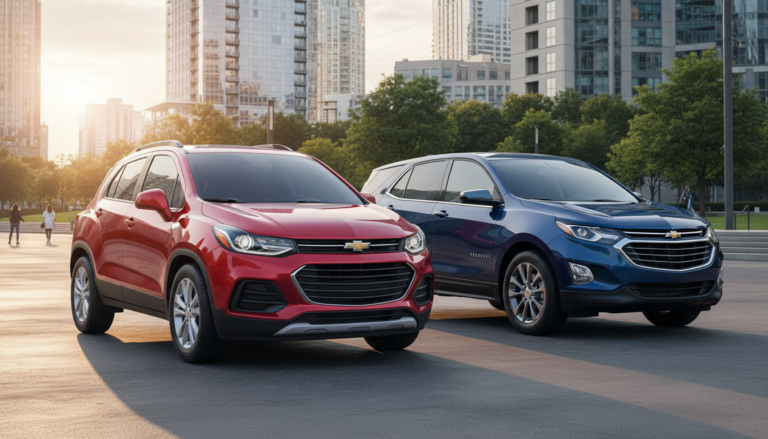
The second generation and the 2021–2022 models are also great. They come with modern electronics, better build quality, and safety features. These models avoid the common problems of the early years and are perfect for those who want the latest technology.
When comparing options, look for a well-maintained 2005 or a 2008 with service records. These often outperform newer cars with unknown histories. Most reliability issues come from neglect, not just one model year.
| Model Year | Why Consider It | Typical Strengths | Watchlist |
|---|---|---|---|
| 2005 | First clear batch of fixes after early complaints | Improved electrical durability, fewer engine failures | Confirm transmission service history |
| 2007 | Refined components and lower complaint volume | Smoother shifting, reduced HVAC and wiring faults | Check for recalled part updates |
| 2008 | Noted reliability improvement in several datasets | Balanced maintenance cost, solid owner feedback | Inspect for typical wear items: brakes, suspension |
| 2009 | Late first-generation maturity before redesign | Fewer high-cost repairs reported, stable driveline | Verify timing of any service campaigns |
| 2021–2022 | Modern reintroduction with updated engineering | Advanced electronics, safety features, improved build | Confirm software and infotainment updates |
Comparative analysis of problematic vs reliable Trailblazer model years
The early years of the Trailblazer had many issues, but later models improved a lot. This is shown in scores, complaints, and repair costs. By looking at these differences, buyers can make better choices when buying a used Trailblazer.
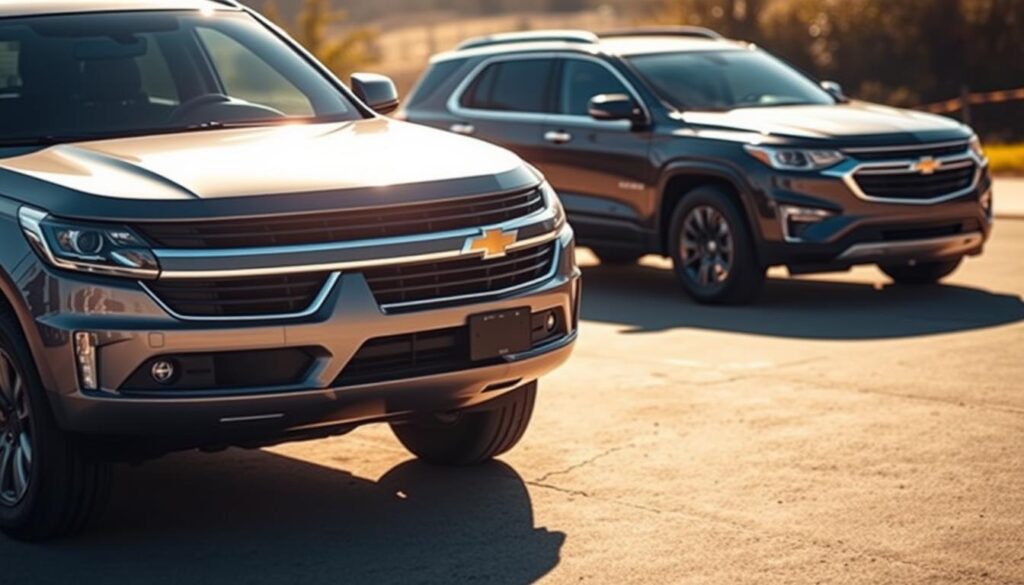
Side-by-side comparison: reliability, complaints, costs
The worst years, like 2002–2004 and 2006, had reliability scores around 1–2 out of 10. There were hundreds to thousands of complaints. The average repair cost for these years was $700–$1,150, showing many frequent repairs.
On the other hand, years like 2005 and 2007–2009 had better reliability, around 3–5 out of 10. Owners reported fewer problems. The average repair cost was $500–$600, with fewer mechanical issues.
Driving experience and ownership cost differences
Older models often had issues like warning lights and rough idling. These problems led to more repairs and higher costs. Long trips or high-mileage use made things even worse.
Newer models were smoother and had fewer problems. Routine maintenance solved most issues. This made owning a Trailblazer easier and less expensive in the long run.
Engineering and service fixes that reduced complaints
Changes in manufacturing and suppliers fixed many problems. For example, new camshaft designs and updated motors helped. Also, new fuel sensors and transmission updates reduced failures.
These fixes led to fewer complaints after mid-decade. The improvements directly addressed many issues, making later years better.
| Metric | Poor Years (2002–2004, 2006) | Improved Years (2005, 2007–2009) |
|---|---|---|
| Typical reliability score | 1–2 / 10 | 3–5 / 10 |
| Complaint volume | Hundreds–thousands aggregated | Lower by 40–60% |
| Average annual maintenance | $700–$1,150 | $500–$600 |
| Frequent failure types | Engine, transmission, electrical | Occasional electrical and wear items |
| Owner driving experience | Unpredictable; more roadside events | Smoother; fewer unexpected repairs |
| Primary fixes implemented | Limited early corrections | Revised actuators, better blowers, sensor updates |
When looking at the Chevy Trailblazer, it’s important to avoid certain years. Use this comparison to find models with fewer problems. Check if any service campaigns were done on the vehicle you’re interested in.
How maintenance and preventive care affect Trailblazer longevity?
Keeping a Chevy Trailblazer in top shape can make a big difference. Regular checks and quick fixes help avoid big problems. This way, owners can enjoy their vehicles for longer without unexpected costs.
Regular service stops small issues from getting worse. Fixing small problems with the HVAC, fuel sensors, and cooling parts helps a lot. This approach tackles common issues and boosts reliability.
Experts suggest a routine service schedule. This includes oil changes every 5,000–7,500 miles and brake checks yearly. Tire rotations and transmission fluid checks are also key. For older models, cooling system inspections and camshaft checks are important.
Annual service costs usually range from $500 to $800. But, cars with known issues can cost much more. Budgeting for maintenance parts and labor can save money over time.
Some preventive steps can save money. Replacing AC blower motors and fuel-level sensors early can help. Checking the cooling fan clutch for wear is also important. Early detection of engine or gearbox problems can prevent major damage.
Regular maintenance can lead to high mileage. Many Trailblazers reach 200k–300k miles with proper care. This shows how preventive work can extend a vehicle’s life.
The following table summarizes a simple maintenance plan, typical annual cost ranges, and the key checks that reduce risk of the most frequent failures.
| Maintenance Item | Interval | Typical Cost Range | Why It Matters |
|---|---|---|---|
| Engine oil and filter | Every 5,000–7,500 miles | $40–$120 | Prevents wear and limits engine-related failures tied to chevy trailblazer common mechanical problems |
| Transmission service / fluid check | Every 30,000–60,000 miles or per owner manual | $150–$400 | Reduces risk of slipping and costly rebuilds linked to early troublesome model years |
| Cooling system inspection | Every 24 months | $80–$250 | Stops overheating and protects head gaskets and engine life |
| HVAC (blower motor / resistor) | Inspect at first sign of reduced airflow | $100–$350 | Fixes common electrical gremlins and avoids cabin system failures |
| Brake service and tire rotation | Brake check yearly; rotate every 6,000–8,000 miles | $60–$200 annually | Maintains safety and even tire wear for predictable ownership costs |
| Fuel-level sensor check | Inspect when fuel gauge behaves oddly | $80–$220 | Prevents inaccurate readings and avoids running-related issues |
Owner feedback and real-world user experiences to inform buying decisions
Owner reports give detailed insights that scores can’t. They share real-life experiences that match service records. This helps buyers understand the model’s strengths and weaknesses.
Patterns from owner reviews: what complaints reveal about reliability?
Early Trailblazer owners often talk about engine failures and transmission problems. They also mention electrical faults and HVAC issues. These common complaints suggest widespread issues, not just isolated problems.
Those who own vehicles from chevy trailblazer years to avoid often face more repairs. High complaint rates match service bulletins and recalls. This shows why it’s wise to avoid certain years when buying used.
Positive owner experiences for improved model years (2008, 2009 and later)
2008 and 2009 Trailblazer owners report fewer surprise repairs and smoother shifts. They mention less downtime and better daily reliability. These positive experiences match lower complaint rates and fewer major recalls for those years.
Even later models sometimes see maintenance spikes. These are often due to neglect or high mileage. Yet, overall satisfaction is higher in these improved years compared to earlier ones.
How to interpret anecdotal reports alongside objective data?
Anecdotes quickly highlight trends. But, reliability scores, complaint databases, and repair costs confirm these trends. Use both types of information to evaluate a vehicle.
Before buying, check the VIN and service records. If both owner reports and data show recurring issues, be cautious. Combining personal stories with hard data gives a clear view of ownership risks related to chevy trailblazer common mechanical problems and years to avoid.
How to inspect and verify a used Trailblazer before purchase?
A quick pre-purchase check can save you time and money. Start by doing a visual inspection, a basic test drive, and checking the service history. Look for signs of known problems to assess the risk accurately.
Pre-purchase checklist: engine, transmission, electrical, brakes and HVAC
Look for oil or coolant leaks under the engine and around the oil pan. Listen for unusual noises when starting the engine and after it warms up. A knocking or ticking sound could mean serious engine damage.
During a short drive, test the transmission shifts at low and high speeds. Watch for hard shifts, slipping, hesitation, or delayed engagement. These signs are common in many Chevy Trailblazer models with frequent issues.
Make sure all dash lights and gauges are working. Test the headlights, turn signals, wipers, and power windows. Faulty clusters or dash warnings often signal electrical faults that led to known issues in older Chevy Trailblazers.
Run the HVAC through all modes and blower speeds. Check the brakes for firm feel, no pulsing, and listen for grinding. Inspect the tires for uneven wear, which could indicate suspension or alignment problems.
What to look for in service records and recall completion history?
Ask for service records that show recurring repairs. Look closely at repeated engine, transmission, or electrical work. Vehicles with patchy or missing records should raise concern, and VIN checks can reveal multiple past claims.
Run a VIN-based recall check and confirm completion dates. Records showing outstanding recalls or incomplete safety campaigns are a major red flag. Some Chevy Trailblazer model years to steer clear of have a higher rate of open recalls and repeated fixes.
Verify major scheduled items like timing chain or transmission service were done on time. Late or skipped major services can accelerate wear and turn a repairable vehicle into a money pit.
When to bring a certified mechanic and when to walk away?
Hire a certified mechanic for a full pre-purchase inspection if the Trailblazer is older, has high mileage, or has inconsistent service history. A pro can detect hidden issues and estimate repair costs objectively.
Walk away from any vehicle with unresolved major engine or transmission problems. Avoid cars with clear flood, frame, or structural damage. Also steer clear of listings showing repeated major repairs that point to chronic defects.
Keep in mind that Chevy Trailblazer models with frequent issues and certain model years to steer clear of require closer scrutiny. Use the checklist to spot problems early and make a confident buying call.
Conclusion
The review highlights chevy trailblazer years to avoid mainly in the early first generation. Models from 2002, 2003, 2004, and the 2006 SS variant show the most engine, transmission, and electrical failures. These chevy trailblazer reliability concerns are common in owner reports, recall histories, and repair-cost summaries.
Later first-generation years, like 2005 and 2007–2009, and the modern Trailblazer show better fixes and durability. To reduce purchase risk, buyers should look for later model years. They should also check if recalls are completed and review service records. A professional pre-purchase inspection or GM Certified Pre-Owned option can offer extra protection.
Plan for annual maintenance costs of $500–$800. Focus inspections on the engine, transmission, and electrical systems. By following the inspection checklist and maintenance advice in this article, readers can steer clear of the worst chevy trailblazer year models. They can also manage common chevy trailblazer reliability concerns over the vehicle’s life.
FAQ
Which Chevy Trailblazer model years should buyers avoid?
Early first-generation Trailblazers are the worst. Years like 2002, 2003, 2004, and 2006 have the most problems. These models often face engine, transmission, and electrical issues that cost a lot to fix.
What are the most common issues with Chevy Trailblazer across problem years?
Common issues include engine problems, like valve seat wear and engine failures. Transmission leaks and early failure are also common. Electrical issues, like faulty instrument clusters and wiring, are frequent. Climate-control problems, such as AC blower motor failures, are also common.
Other issues include fuel sensor and gas-cap problems. Rear lighting and brake complaints are also common.
Are any Trailblazer years considered more reliable or recommended for used buyers?
Yes, later first-generation years like 2005 and 2007–2009 are more reliable. They have fewer serious complaints. Modern Trailblazers from 2021–2022 also have better quality and fewer early-generation problems.
How much should I budget for annual maintenance and repairs for a Trailblazer?
Annual maintenance costs vary from 0 to
FAQ
Which Chevy Trailblazer model years should buyers avoid?
Early first-generation Trailblazers are the worst. Years like 2002, 2003, 2004, and 2006 have the most problems. These models often face engine, transmission, and electrical issues that cost a lot to fix.
What are the most common issues with Chevy Trailblazer across problem years?
Common issues include engine problems, like valve seat wear and engine failures. Transmission leaks and early failure are also common. Electrical issues, like faulty instrument clusters and wiring, are frequent. Climate-control problems, such as AC blower motor failures, are also common.
Other issues include fuel sensor and gas-cap problems. Rear lighting and brake complaints are also common.
Are any Trailblazer years considered more reliable or recommended for used buyers?
Yes, later first-generation years like 2005 and 2007–2009 are more reliable. They have fewer serious complaints. Modern Trailblazers from 2021–2022 also have better quality and fewer early-generation problems.
How much should I budget for annual maintenance and repairs for a Trailblazer?
Annual maintenance costs vary from $500 to $1,150. This depends on the model year, mileage, and condition. Early years tend to cost more, while better years cost less.
Major repairs like engine or transmission work can cost thousands of dollars.
Can proper maintenance make an older Trailblazer reliable for long-term ownership?
Yes, proper maintenance can make an older Trailblazer reliable. Regular oil changes and checks on the transmission and cooling system are key. Replacing AC blower components and fuel-level sensors also helps.
With these steps, many Trailblazers can reach 200,000–300,000 miles.
What should I check on a pre-purchase inspection for a used Trailblazer?
Look for oil or coolant leaks and listen for unusual engine noises. Test the transmission for slipping or harshness. Check the instrument cluster and gauges for accuracy.
Verify the HVAC blower speeds and AC/heater operation. Inspect the brakes and tires. Check for uneven tire wear, which could indicate steering or suspension issues.
Is buying a GM Certified Pre-Owned (CPO) Trailblazer worth it?
Buying a GM CPO Trailblazer can reduce risk. The program includes a 172‑point inspection. It limits vehicles to under six years old with fewer than 75,000 miles.
It offers powertrain and bumper-to-bumper warranties plus roadside assistance. For those seeking peace of mind, CPO Trailblazers are a good choice.
,150. This depends on the model year, mileage, and condition. Early years tend to cost more, while better years cost less.
Major repairs like engine or transmission work can cost thousands of dollars.
Can proper maintenance make an older Trailblazer reliable for long-term ownership?
Yes, proper maintenance can make an older Trailblazer reliable. Regular oil changes and checks on the transmission and cooling system are key. Replacing AC blower components and fuel-level sensors also helps.
With these steps, many Trailblazers can reach 200,000–300,000 miles.
What should I check on a pre-purchase inspection for a used Trailblazer?
Look for oil or coolant leaks and listen for unusual engine noises. Test the transmission for slipping or harshness. Check the instrument cluster and gauges for accuracy.
Verify the HVAC blower speeds and AC/heater operation. Inspect the brakes and tires. Check for uneven tire wear, which could indicate steering or suspension issues.
Is buying a GM Certified Pre-Owned (CPO) Trailblazer worth it?
Buying a GM CPO Trailblazer can reduce risk. The program includes a 172‑point inspection. It limits vehicles to under six years old with fewer than 75,000 miles.
It offers powertrain and bumper-to-bumper warranties plus roadside assistance. For those seeking peace of mind, CPO Trailblazers are a good choice.