Chevy Blazer vs Trailblazer: Which SUV Suits Your Needs?
The 2025 Chevrolet Tahoe is ready to tow with strength. It can haul up to 8,400 pounds with the right setup. The base models start at around 7,600 pounds. This depends on the engine, drivetrain, and axle ratio.
Knowing how much it can haul is key. The Tahoe can carry 1,625 to 1,834 pounds of payload. This is important when you have passengers, gear, and the tongue weight.
It will cover towing specs for each trim. It will also explain how different engines and drivetrains affect towing. Plus, it will show how optional packages can increase capacity.
For those comparing SUVs, there’s a quick look at the Chevy Blazer vs Trailblazer. It helps with light-towing and daily use. There are also tips on GM’s break-in recommendations, including first-500-mile limits, for safe towing from the start.
Overview of Chevy Tahoe towing capability and why it matters!
The Chevy Tahoe’s towing capability is key for those who need to haul heavy loads. This includes boats, campers, utility trailers, or even a second vehicle. The towing capacity is the maximum weight a vehicle can safely tow, as approved by the manufacturer.
It’s important to check the certified ratings in the Owner’s Manual and on the door jamb label. This ensures you don’t overload your Tahoe. Remember to factor in passengers, cargo, and gear when calculating the actual towing capacity.
What towing capacity means for SUV buyers?
Towing capacity tells you what trailers a vehicle can safely pull. It impacts your choice of trim line and drivetrain. A higher-rated Tahoe can handle larger boats and travel trailers, while a lower-rated one is better for light-duty hauling and family trips.
When comparing models, consider how often you tow and the typical trailer weight. This helps decide between engine choices, axle ratios, and the Max Trailering Package.
How towing and payload differ and why both matter?
Towing refers to the trailer weight behind the hitch. Payload covers what the vehicle carries, including passengers, cargo, and tongue weight. Tongue weight is usually 10–15% of the trailer’s mass and counts against payload.
The 2025 Tahoe has a payload range of about 1,625 to 1,834 pounds. Adding passengers and gear reduces the available tongue weight capacity. Understanding towing vs payload is key to avoiding unsafe loads and handling issues.
Use cases: boats, campers, utility trailers, and car haulers
Many midsize boats fit well under the Tahoe’s top tow rating with the right setup. Small-to-midsize travel trailers usually fall within the Tahoe’s 7,600–8,400 pound range, depending on the engine and options.
Utility trailers and lightweight car haulers are a good match for well-equipped Tahoes. Always check the trailer’s gross vehicle weight and tongue weight before towing. Make sure there’s enough payload left for a safe tongue load.
When comparing compact SUVs, a Chevy Blazer vs Trailblazer comparison is useful. This is true if you’re looking for light towing or daily versatility.
2025 Chevy Tahoe maximum towing numbers and highlights
The 2025 Chevy Tahoe is great for heavy hauling. It can tow up to 8,400 pounds in top configurations. Even common trims can handle boats, campers, and cars.
The top towing rating is 8,400 pounds. This is for the 5.3L V-8, 2WD, and the Max Trailering Package. This rating is for specific axle ratios and packages.
Most buyers will find the base range suitable. Entry-level and mid trims usually tow between 7,600 and 8,200 pounds. For example, a 5.3L 2WD without the Max Trailering Package can tow around 7,900 pounds.
Why do a few hundred pounds matter?
Small differences can make a big difference in real-world hauling. Going from 7,600 to 8,400 pounds can mean a bigger trailer or boat.
It’s important to check the sticker on each vehicle. Also, consult the Owner’s Manual for exact capacities. Axle ratio, drivetrain, and optional equipment can change ratings.
When choosing between models, consider the chevy blazer vs trailblazer features. These compact SUVs are good for light towing and daily use. The Tahoe is better for heavy trailering.
Engine and drivetrain breakdown affecting towing capacity
The engine you choose affects how much you can tow. The power comes from torque, transmission, axle ratio, and drivetrain. It’s important to match your engine to your towing needs to avoid surprises.
5.3L EcoTec3 V-8 performance and towing role
The 5.3L EcoTec3 V‑8 engine has 355 hp and 383 lb‑ft of torque. With the right setup, it can tow up to 8,400 pounds in 2WD. This engine is great for towing small trailers while keeping costs down.
6.2L V-8 strengths and where its towing numbers fall
The 6.2L V‑8 engine has 420 hp and 460 lb‑ft of torque. It’s powerful for quick passing and heavy loads. Towing capacity is near 8,200 pounds with the right package on 2WD Tahoes.
3.0L Duramax turbodiesel torque advantage and towing numbers
The 3.0L I6 Duramax engine makes about 305 hp and 495 lb‑ft of torque. Its torque helps with steady pulls and better fuel economy. Diesel towing can reach about 8,200 pounds, making it good for long trips.
How 2WD vs 4WD changes tow ratings (examples showing ~200 lb differences)?
Choosing between 2WD and 4WD affects towing capacity. 2WD Tahoes usually have a bit more max trailer weight. For example, a 5.3L with the Max Trailering Package can tow about 8,400 pounds in 2WD and 8,200 pounds in 4WD.
Deciding between 2WD and 4WD depends on your needs. If you need traction or off-road capability, 4WD might be better. But if you want the most towing capacity, 2WD with the Max Trailering Package is the way to go.
For those interested in towing with smaller SUVs, comparing the Chevy Blazer and Trailblazer can be helpful. They offer lighter-duty options and can be useful for everyday needs.
Towing capacity by trim and configuration
The Tahoe’s towing capacity changes based on trim, engine, drivetrain, and options. Check the door jamb label and Owner’s Manual for the exact rating for your VIN. This makes it easier to compare and plan for towing needs.
The towing capacity varies by trim. LS and LT models have a 5.3L V-8 engine, making about 355 hp and 383 lb-ft. With the Max Trailering Package and 2WD, these can tow up to 8,400 pounds. Without the package, they can tow around 7,900-8,000 pounds.
RST models offer flexibility. They can be paired with either the 5.3L or 6.2L engine. With the larger V-8 and trailering equipment, towing capacity gets close to the top. The drive layout affects the capacity, so 4WD RST models have slightly lower ratings than 2WD ones.
Z71 High Country models have different towing capacities. They have off-road features and standard 4WD, with max towing around 8,200 pounds. High Country models mix luxury with strong towing, with some 6.2L models also reaching 8,200 pounds.
The 2025 Tahoes use a 3.23 axle ratio for most trims. This ratio affects the towing capacity. It balances driving on the highway with handling heavy loads. Different engines and the Max Trailering Package change the towing capacity.
Optional packages also impact towing capacity. The Max Trailering Package adds cooling, a heavier-duty hitch, and trailer-focused electronics. This package can increase towing capacity by hundreds of pounds for certain engine and drivetrain combinations.
Quick reference list for buyers:
- LS/LT: 5.3L baseline, many with NHT hit up to 8,400 lb.
- RST: available with 5.3L or 6.2L; higher towing when paired with the larger engine and trailering package.
- Z71: standard 4WD, most builds near 8,200 lb due to 4WD rating adjustments.
- High Country: luxury trim with strong tow figures; select 6.2L setups list about 8,200 lb.
- Axle ratio 3.23: standard across models and integrated into published ratings.
For those considering the Blazer or Trailblazer, they are better for light towing and daily use. The Tahoe is better for larger trailers. The Blazer and Trailblazer are great for smaller loads and city driving.
Always check the exact towing capacity for your trim and VIN before towing. Use the Owner’s Manual and door jamb sticker to confirm weight limits and payload. This ensures safe and legal towing.
Max Trailering Package: what’s included and how it raises capacity?
The Max Trailering Package (RPO NHT) boosts towing power and safety. It includes Advanced Trailering content, tougher cooling, and a brake controller. It also has camera aids and trailer monitoring tools for easier long-distance hauling.
Core components and Advanced Trailering content
This package adds features to the infotainment system. It helps with trailer profiles, diagnostics, and in-cab monitoring. Smart Trailer Integration shows trailer status through the vehicle, making towing easier.
Braking, cooling, and visibility upgrades
The package includes an enhanced radiator and a trailer brake controller. These upgrades keep engine and transmission cool during towing. The brake controller ensures smooth braking for trailers with electric brakes.
Camera and sensors for hitching and maneuvering
Hitch View provides a rear camera angle for easy hitching. It offers clear visuals for backing up and tight turns. This makes hooking up trailers safer and faster.
Which trims see the most benefit?
LS, LT, RST, and Premier trims benefit the most. Their base tow ratings are close to the Tahoe’s top. Adding the Max Trailering Package NHT can increase certified ratings. For example, a 5.3L 2WD Tahoe with NHT can tow up to 8,400 pounds, more than without it.
Practical buying advice
Those who tow heavy loads should get the Max Trailering Package NHT. The integrated brake controller and cooling upgrades are worth it for frequent heavy towing. When choosing between small SUVs, consider the Chevy Blazer vs Trailblazer for daily needs. Opt for Tahoe towing upgrades for larger loads.
Chevy Tahoe diesel vs gasoline towing comparison
Choosing between diesel and gasoline affects the Tahoe’s performance. It’s important to consider torque, fuel efficiency, and trailer limits. Don’t assume diesel always means higher tow ratings.
Diesel torque: 3.0L Duramax LZ0 vs previous diesel (LM2)
The 3.0L Duramax LZ0 has about 305 hp and 495 lb-ft of torque. This is more than the older LM2 diesel. It provides stronger low-end pull for launching and climbing grades.
Real-world towing pros and cons
Benefits include better fuel economy on long trips and steady pulling. Diesel is great for sustained towing and those who value efficiency and torque.
Drawbacks include possibly higher costs and variable diesel fuel prices. While tow ratings may match gasoline V8s, diesel’s main advantage is in drivability and efficiency.
Max trailer weights for diesel and gas variants in 2WD and 4WD
Here are some key comparisons:
- 5.3L (L84) 2WD: 7,900 lb standard, up to 8,400 lb with Max Trailering Package. 4WD: 7,700 lb standard, up to 8,200 lb with package.
- 6.2L (L87) 2WD: 7,700 lb standard, up to 8,200 lb with package. 4WD: 7,600 lb standard, up to 8,100 lb with package.
- 3.0L Duramax (LZ0) 2WD: commonly rated near 8,200 lb across some published combos. 4WD: commonly near 8,000 lb in published combos.
These figures show diesel variants can match or slightly exceed gasoline tow figures. Buyers should compare exact trim, axle ratio, and Max Trailering Package details before deciding.
Practical advice for choice
Match towing habits to powertrain benefits. Choose diesel for long highway runs, tight grades, or frequent heavy starts. Choose gasoline V8s for lower upfront cost and simpler service networks.
Consider a chevy blazer vs trailblazer comparison for lighter, everyday towing and family use. Compact SUV choices affect fuel and utility differently than a full-size Tahoe.
Payload capacity and how it affects safe towing?
The 2025 Tahoe’s carrying limit is as important as its tow rating. Payload capacity shows how much weight the vehicle can carry. This includes passengers, cargo, and any extra gear. Ignoring payload can lead to overloaded springs, poor braking, and unstable towing.
The 2025 Tahoe’s payload range is about 1,625 to 1,834 pounds. This depends on the trim and options you choose. Knowing your exact payload is key to safe towing.
Find your exact payload
Look at the door-jamb label and the Owner’s Manual for your VIN’s payload. These numbers are more accurate than general guides. They help with calculating tongue weight when towing a trailer.
Balance passengers, cargo, and tongue weight
Payload includes occupants, cargo, roof racks, and aftermarket parts. It also includes the trailer tongue load. Aim for 10–15% of the trailer’s gross weight for stable towing. For example, an 8,000-pound trailer at 10% has 800 pounds of tongue load.
Practical tips for payload math
- Weigh passengers and cargo before a trip. Use luggage scales and record average passenger weights for planning.
- Estimate tongue weight from the trailer’s gross weight, then add passenger and cargo totals to compare against your payload capacity Tahoe listed on the vehicle label.
- If the sum approaches the 1,625 to 1,834 pounds window, offload nonessential gear, move heavy items into the trailer, or reduce passenger count.
- Consider a weight-distribution hitch when tongue weight is high. It can improve stability but does not increase the vehicle’s payload rating.
When choosing a model for daily use, remember towing basics. The Chevy Blazer and Trailblazer are good for light towing and city driving. But the Tahoe is better for heavy trailers and high tongue weights.
Before towing, check the payload on the door label and calculate tongue weight. Plan how to distribute passengers and cargo. These steps ensure safe towing and control.
Practical towing tips and GM break-in recommendations
New Tahoe owners should treat the first miles with care. GM break-in towing guidance for 2025 asks drivers to avoid heavy loads and aggressive starts during the first 500 miles. Limiting speed and throttle helps engine rings seat and transmission adapt without added stress.
GM’s first 500 miles towing restriction recommends keeping speeds below 50 mph if towing at all during this period. Avoid full-throttle launches and steep grades. If hauling light gear within that window, choose a short trip and steady pace to reduce heat and wear.
Safe tongue weight is key to stable towing. Use the 10–15% rule: tongue weight should equal 10–15% of the trailer GVW. Verify the trailer gross vehicle weight, weigh the tongue with a scale, and adjust cargo if the percentage falls outside the target.
Hitch setup starts with selecting the correct class hitch and ball size for the trailer. Torque hitch hardware to factory specs and lock the hitch pin. For campers or heavier loads, fit a weight-distribution hitch when tongue weight or trailer sway warrants it.
Confirm the integrated trailer brake controller is calibrated and synchronized with trailer brakes. The NHT content often includes this controller. Test trailer braking on a short route before a long haul to ensure smooth modulation and balanced stopping.
Before towing, disable driver-assist features that may misread trailer movement. Consult the Owner’s Manual for exact items, as systems that track lane or steering inputs can react poorly to a trailer’s sway. Turn off alerts that may create false steering corrections.
Simple pre-trip checks prevent roadside problems. Inspect tire pressures for both vehicle and trailer. Check lights, safety chains, hitch engagement, brake fluid, and coolant level. Secure cargo to prevent shifting that changes tongue weight mid-journey.
Routine maintenance gains importance when towing often. Monitor transmission fluid temperature and level, check brake wear, and consider upgraded cooling if frequently near max tow. The enhanced radiator in the Max Trailering Package helps with sustained heavy towing.
The table below summarizes quick checks and recommended actions for safe towing practice.
| Item | Action | Why it matters |
|---|---|---|
| Break-in towing | Avoid heavy towing for first 500 miles; keep speed under 50 mph if towing | Protects engine and transmission during initial seating |
| Tongue weight | Maintain 10–15% of trailer GVW; use a scale to confirm | Improves stability and reduces sway |
| Hitch setup | Use correct class hitch, proper ball size, torque hardware, consider weight-distribution | Ensures secure attachment and correct load transfer |
| Brakes & controller | Calibrate integrated trailer brake controller; test modulation | Provides balanced stopping and safer emergency braking |
| Driver-assist systems | Disable systems that misinterpret trailer inputs per Owner’s Manual | Prevents unwanted steering or braking interventions |
| Pre-trip checklist | Check tire pressures, lights, hitch pin, safety chains, fluids | Reduces risk of failures en route |
| Maintenance | Monitor transmission fluid, brakes, cooling; follow service intervals | Extends component life when towing frequently |
Readers comparing small SUVs may wonder how these practices apply to lighter tow vehicles. When evaluating chevy blazer vs trailblazer towing, remember that tongue weight and proper hitch setup remain critical regardless of vehicle size. The same safe-towing basics protect both vehicle and trailer.
Comparing Tahoe towing to other Chevy models and the market
The Tahoe is a top choice for towing in Chevy’s lineup. It can tow up to 8,400 pounds when set up right. This puts it on par with light-duty trucks and ahead of many midsize SUVs.
When choosing between Tahoe and Suburban, consider what you need. Both have the same max tow. But the Suburban offers more cargo and room for passengers in the third row. If you need to carry lots of people, the Suburban might be better, even if it’s not as big in towing.
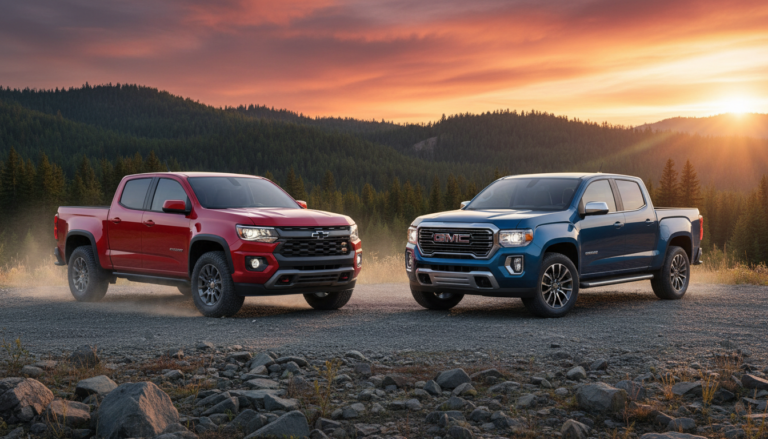
Looking at the Chevy Colorado, you’ll see different trade-offs. It can tow a lot in certain setups. It’s often cheaper and has a useful bed. But, it can’t tow as much as full-size SUVs in most cases.
Think about what you need before deciding between a full-size SUV and a midsize pickup. The Tahoe is great for those who value passenger space, comfort, and towing. If you need a bed for hauling stuff and don’t mind less towing capacity, a midsize pickup might be better.
Value isn’t just about how much you can tow. Look at the cost of the Max Trailering Package and diesel options. Diesel can save money on gas for long trips. But, it’s more expensive upfront.
Consider other costs like insurance, maintenance, and fuel. If you don’t tow often, a lower-trim Tahoe or a well-equipped Colorado might save you money.
When comparing the Chevy Blazer and Trailblazer, think about what you need daily. These compact SUVs are for different buyers and budgets. Remember, the right vehicle is one that matches your usual loads, not just the highest tow numbers.
To sum it up, here are some options:
- Tahoe: best for passenger-heavy towing and higher trailer limits.
- Suburban: similar tow, superior cargo and third-row space.
- Colorado: midsize pickup utility, lower absolute tow limits in many trims.
- Compact SUVs (Blazer/Trailblazer): better for light towing and daily driving.
Chevy blazer vs Trailblazer
When looking at Tahoe towing, some people check out smaller Chevrolet crossovers. They want something for daily driving and light towing. A comparison between the Chevy Blazer and Trailblazer helps them choose between a sporty crossover and a budget-friendly urban SUV.
Why researching Tahoe towing might also compare compact SUVs:
Both Blazer and Trailblazer are good for drivers who don’t tow heavy loads often. They are easier to park, get better gas mileage, and cost less than a full-size Tahoe. These factors are important for those with modest towing needs.
Key differences and similarities in features and performance:
- Differences: The Blazer focuses on performance with stronger engines and better handling. The Trailblazer is smaller, made for city driving and easy maneuvering.
- Similarities: Both have modern tech, safety features, and space for weekend gear.
How specifications and pricing influence suitability for light towing and everyday use:
| Model | Typical Engines | Common Towing Role | Starting Pricing (approx.) |
|---|---|---|---|
| Chevy Blazer | 2.0L turbo / 3.6L V6 | Light trailers, small boats, cargo carriers | $30,000–$45,000 |
| Chevy Trailblazer | 1.2L / 1.3L turbo | Very light towing, city utility, bikes and small trailers | $22,000–$30,000 |
Reviews and buyer priorities between the two models:
Reviews praise the Blazer for its strong performance and luxury features. The Trailblazer is valued for its economy, city use, and practicality. Pricing and intended use often decide between the two, not just specs.
When choosing between the Chevy Blazer and Trailblazer, consider performance, features, and price. If you need to tow more than light loads, a Tahoe or truck is a better choice.
Conclusion
The 2025 Chevy Tahoe is a top pick for those needing to tow a lot. It can tow up to 8,400 pounds, depending on the setup. Most certified figures range from 7,600 to 8,200 pounds.
It’s also important to consider payload limits. These range from 1,625 to 1,834 pounds. This includes passengers, gear, and the weight of the trailer tongue.
Diesel engines, like the 3.0L Duramax LZ0, offer more torque and better fuel efficiency. Yet, towing capacities are often similar across engine types. The Max Trailering Package boosts towing capabilities for many trims.
It adds features like cooling and an integrated trailer brake controller. It also includes Hitch View and Smart Trailer Integration. Always follow GM’s break-in advice and check the Owner’s Manual and door-jamb VIN label.
Before towing, use the right hitch and tongue-weight practices. This ensures safe towing.
For city driving and light towing, consider the Chevy Blazer vs Trailblazer. This is part of a towing decision guide focused on value and fuel economy. If you plan to tow heavy loads regularly, choose a Tahoe or a pickup truck.
This conclusion aims to help you match your vehicle to the trailer weight you expect. It guides you in making an informed choice between models.
FAQ
What is the maximum towing capacity of the 2025 Chevy Tahoe?
The 2025 Chevrolet Tahoe can tow up to 8,400 pounds. This is for a 2WD model with the 5.3L V‑8 and the Max Trailering Package. The exact number depends on the vehicle’s VIN, drivetrain, and other factors. Always check the door‑jamb label and Owner’s Manual for your vehicle’s details.
How does towing capacity differ from payload, and why does that matter?
Towing capacity is the max trailer weight a vehicle can pull. Payload is the weight it can carry onboard, including passengers and cargo. For the 2025 Tahoe, payload ranges from 1,625 to 1,834 pounds. Tongue weight (10–15% of trailer GVW) affects usable payload, so both numbers are important.
Which engines are available for 2025 Tahoe and how do they affect towing?
The 2025 Tahoe comes with a 5.3L EcoTec3 V‑8, a 6.2L V‑8, and a 3.0L I6 Duramax turbodiesel (LZ0). The 5.3L often has the highest tow rating with 2WD and the Max Trailering Package. The 6.2L has more horsepower for strong towing. The Duramax diesel offers better low-end torque and highway efficiency, with towing figures similar to gasoline variants.
Does 2WD or 4WD affect Tahoe towing numbers?
Yes, 2WD Tahoes usually have higher towing ratings than 4WD ones. The difference is often in the low hundreds of pounds, depending on engine and options. Choose drivetrain based on towing needs, traction, and fuel economy.
What does the Max Trailering Package (NHT) include and how does it increase towing capacity?
The Max Trailering Package includes Advanced Trailering features and hardware like an enhanced radiator and cooling. It also has an integrated trailer‑brake controller, Hitch View camera, Smart Trailer Integration, and towing app functions. These improvements allow GM to certify higher max trailer weights on certain engine/drivetrain combinations.
How should I calculate tongue weight and payload before towing?
Start with the vehicle’s payload from the door‑jamb label and Owner’s Manual. Estimate passenger weights, cargo, and tongue weight (10–15% of trailer gross weight). Add these figures; the sum must not exceed the vehicle’s payload. If payload is tight, reduce onboard load, use a weight‑distribution hitch, or choose a larger tow vehicle.
Are there specific GM break‑in and towing recommendations for a new 2025 Tahoe?
GM advises against towing a new 2025 Tahoe for the first several hundred miles. If towing is necessary, avoid full‑throttle starts and keep speeds moderate. Always consult the Owner’s Manual for the exact break‑in guidance and operational details.
Can the diesel Tahoe tow more than gasoline models, and what are the tradeoffs?
The 3.0L Duramax LZ0 offers higher torque and better highway fuel economy for steady towing. Its max trailer weights are similar to gasoline variants in many configurations. Tradeoffs include diesel purchase premium, fuel‑cost differences, and maintenance considerations versus gasoline V‑8s.
How does the Tahoe compare to other Chevy models for towing, like the Suburban or Colorado?
The Tahoe is a full‑size SUV with towing capacity above most compact and midsize SUVs. It’s comparable to some light‑duty pickups in specific configs. The Suburban shares platform and tow figures but offers more cargo length. The midsize Colorado and compact crossovers focus on different use cases, while pickups offer bed utility and higher payload options.
If I only need light, everyday towing, should I consider the Chevy Blazer or Trailblazer instead of a Tahoe?
For light everyday towing, the Blazer or Trailblazer are viable and more economical choices. The Blazer leans toward sportier performance and slightly higher towing. Neither approaches Tahoe’s heavy‑duty towing numbers, so regular heavy towing calls for a properly equipped Tahoe or a pickup.