Chevy Truck Tail Light Wiring Color Codes: 1999–2014 (Easy Guide)
Whether you are replacing a smashed housing on a 2003 Silverado or wiring a new trailer plug on a 2012 model, knowing the right Chevy truck tail light wiring color code is the difference between a successful fix and a blown fuse. Wiring standards have stayed relatively consistent, but small changes between generations can make or break your DIY project.
The Common Color Codes:
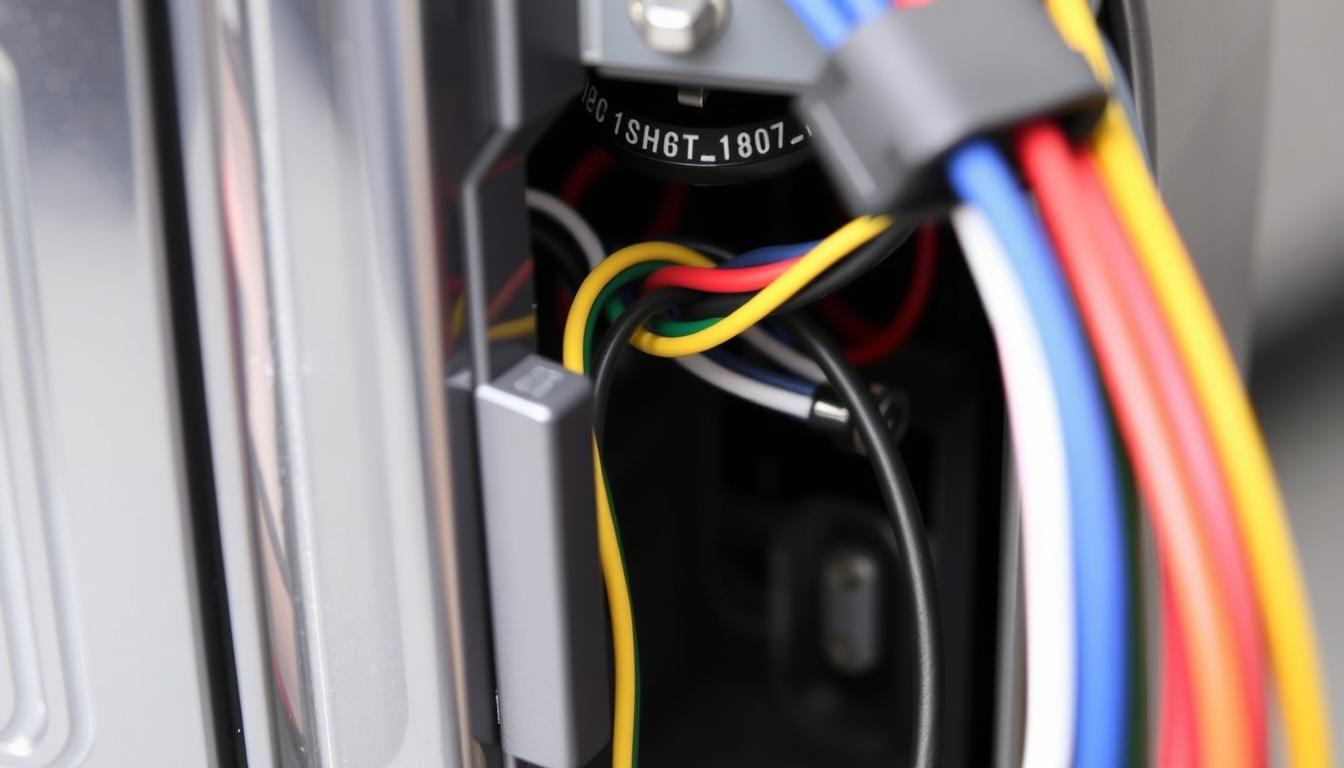
While you should always verify with a test light, most Chevrolet trucks follow this standard harness logic:
- Green: Right Turn Signal & Brake Light.
- Yellow: Left Turn Signal & Brake Light.
- Brown: Tail Lights & Running Lights.
- Black/White: Ground Wire.
Verify Before You Splice
Don’t reach for the wire cutters just yet. Factory harnesses can sometimes vary from aftermarket replacements. We always recommend using a multimeter or a basic test light to confirm the signal before making any permanent connections.
In this guide, we provide detailed wiring diagrams for the most popular Silverado and Sierra generations (1999–2014+). From standard 4-way trailer plugs to heavy-duty 7-way connectors, we’ll show you exactly which wire does what so you can get your lights back in working order safely.
7-Way vs. 4-Way Trailer Wiring Chart
Use this quick-reference table to match your truck’s harness to your trailer’s plug.
| Wire Function | 4-Way Flat Color | 7-Way Round Color |
| Ground | White | White |
| Tail / Running Lights | Brown | Brown |
| Left Turn / Brake | Yellow | Yellow |
| Right Turn / Brake | Green | Green |
| Auxiliary 12V Power | N/A | Red or Black |
| Electric Brakes | N/A | Blue |
| Reverse Lights | N/A | Purple |
Troubleshooting: Why Are My Blinkers Fast? (Hyperflashing)
If you just finished wiring and your turn signals are flashing rapidly, you’re experiencing “hyperflashing.” Here are the most common causes:
- Bad Ground: This is the culprit 90% of the time. Ensure your White (Ground) wire is secured to a clean, rust-free spot on the truck’s frame.
- LED Compatibility: If you upgraded to LED tail lights, your truck may think a bulb is out because LEDs draw so little power. You will likely need to install a Load Resistor to slow the flash rate down.
- Corroded Sockets: Even if your wiring is perfect, moisture in the bulb socket can cause a partial short. Clean the contacts with electrical cleaner or a small wire brush.
- Faulty Flasher Relay: On older Chevy models, the physical flasher relay under the dash may have failed. Replacing it with a heavy-duty or LED-compatible relay usually solves the issue.
👨🔧 Mechanic’s Rule: Trust, but Verify While these color codes are standard, GM occasionally changed pigtail colors mid-year or used different vendors for fleet vehicles.
The Secret: Always use a test light or multimeter before you make a permanent splice. Have a helper press the brake pedal or click the turn signal while you probe the wire. If your test light glows, you’ve found the right circuit, regardless of the wire color.
Understanding Chevy Truck Tail Light Systems and Common Wiring Layouts
Chevrolet pickups have simple and electronic tail light systems. This section explains how each lamp works and how circuits have changed over time. It also covers what to expect when swapping parts.
Overview of tail light functions
Taillights glow steadily at night for visibility. Brake lights get brighter when you press the brake pedal. Turn signals flash to show direction. Reverse lights turn on when in reverse to light up behind the truck.
Many Chevy pickups combine running lights, license plate lights, and marker lamps in the rear harness. Older models might use one bulb for stop and turn. But newer designs separate these functions or use a control module for timing and intensity.
How Chevrolet designs taillight circuits across model years?
Older GM and Chevrolet trucks often shared circuits for brake and turn functions. This setup used mechanical flashers or simple relays. The wiring schematics for these trucks show fewer wires and shared bulb contacts.
Starting in the mid-2000s, trucks got separate feeds or multiplexed control via a body control module (BCM). Modern harnesses use USCAR/OE connectors and pinouts for standard connections. These changes make diagnostics better but add complexity when modifying lights.
This design logic isn’t limited to full-size pickups. If you are looking up the 2004-2012 Chevrolet Colorado tail light wiring diagram wire colors or working on an older Chevy S10 tail light wiring diagram, you will find that GM utilized similar shared circuit methodologies for their mid-size fleets.
Factory vs aftermarket tail light assemblies and impact on wiring
Factory assemblies follow Chevrolet color codes and connector layouts. Replacing them is easy if you match the wire colors to the original harness. But aftermarket LED assemblies and custom parts can change pinouts or need load resistors.
LED retrofits can cause hyper-flash or BCM errors without a load equalizer or programming. Some kits include adapters or relays to mimic incandescent load. Always compare the factory wiring schematic to the aftermarket product notes and confirm connector compatibility before swapping.
| Topic | Older Chevy Trucks | Modern Chevy Trucks |
|---|---|---|
| Typical circuit type | Shared stop/turn filaments, simple flashers | Separate feeds, BCM control, multiplexed signals |
| Connector style | Basic multi-pin or individual spades | USCAR/OE standardized connectors |
| LED retrofit impact | May work with minimal change | Often needs load resistors or BCM reprogramming |
| When to consult a schematic | Replacing bulbs or tracing shared circuits | Adding LEDs, trailer harnesses, or BCM-controlled lights |
| Relevance to this guide | Use simple chevy truck tail light wiring guide steps | Follow a detailed chevy truck tail light wiring schematic and check chevy truck tail light wire colors |
Chevy truck tail light wiring color code
Identifying wire colors is key to safe tail light work on Chevrolet pickups. Knowing common factory colors helps diagnose issues quickly. It also prevents costly mistakes when using a chevy truck tail light wiring diagram.
Note: On modern Silverados, a bad tail light ground or a short in the brake light circuit doesn’t just affect your lights—it can actually trigger a Service ESC Chevy Silverado warning on your dashboard. If you have weird light issues and a stability warning, start by cleaning the rear frame grounds.
Typical wire color meanings
GM trucks often use the same color patterns. Brown usually powers the taillights and running lamps. Dark green is for the right turn or right brake circuit.
Yellow is for the left turn or left brake circuit, but some years swap these colors. White is the standard ground in many setups. Light blue or tan might power reverse lights or extra circuits on some models. Older trucks might use black as a chassis ground.
When factory colors vary?
Color rules change with the era and model. Older models before the mid-1990s featured much simpler harnesses. If you are restoring a classic and using a 73-87 Chevy truck tail light wiring diagram, an 88-98 Chevy tail light wiring diagram, or a vintage C10 tail light wiring diagram, you’ll find they strictly follow the classic brown, green, and yellow layout.
But, newer GM vehicles from the 2000s have more functions through a body control module. These harnesses might have extra colors, multi-strand markings, or USCAR-style connectors. Aftermarket tail lights might not match the factory colors. So, always check the specific chevy truck tail light wiring color code for your model year.
While pickups follow a strict standard, SUVs often deviate; for example, if you are referencing a 2009 Chevy Traverse tail light wiring diagram, you’ll notice the 2009 Chevy Traverse tail light ground wire color is typically black, and its specific tail light harness wire colors require a distinct pinout chart compared to a standard truck.
How to verify wire function safely?
Always check before cutting or splicing wires. Use a digital multimeter or a 12V test light while the circuits are active. Turn on the parking lights, press the brake, activate turn signals, and shift into reverse to see which wires change voltage.
Test suspected grounds for continuity to the chassis. Label each wire after verifying its function.
- Probe with power applied to observe voltage behavior for brake and turn circuits.
- Check continuity with the battery disconnected when testing grounds.
- Disconnect the battery before permanent soldering or adding splices to avoid shorts.
Working from a reliable chevy truck tail light wiring diagram helps avoid mistakes. Cross-check diagram colors against live tests. This accounts for era-specific variations and differences in chevy truck tail light wire colors.
How to read and use a Chevy truck tail light diagram?
Reading a Chevy truck tail light diagram makes fixing problems faster. Start by finding the fuses, grounds, switches, and connector pinouts. Diagrams use simple symbols and colors to guide repairs from the lamp to the fuse box or body control module.
Whether you are trying to decipher a 2014 Silverado tail light wiring diagram, tracking down an electrical gremlin with a 2006 Silverado tail light wiring diagram, or referencing the Chevy tail light wiring color code for a Silverado 1500 or GMC Sierra, the foundational symbols on these schematics remain the same.
Key symbols and lines
Fuse icons or boxed labels mark protected feeds. Ground symbols are short lines with descending lines or a triangle. These show where metal meets the chassis. Switches like the brake or reverse switch are shown as breakable lines with labels.
Connector blocks list pin numbers and wire colors next to each pin. Modules like the Chevrolet BCM are drawn with pins and internal connections. Treat them as junction points, not simple wires.
When reading a comprehensive Chevy stop/turn/tail light wiring diagram, pay special attention to the connector blocks. These modules are often detailed in a Chevy tail light junction block wiring diagram, which illustrates exactly where the main rear harness splits to feed both the driver and passenger sides.
Example diagram walkthrough
In a common Chevy pickup diagram, the parking light feed runs from the lighting fuse to the tail lamp on a brown wire. The brake light feed leaves the brake switch and goes through a fuse or relay before reaching the brake filament. This is often a green or yellow wire, depending on the side.
Reverse lights have a distinct feed, usually light blue or tan, from the transmission reverse switch. Connector pinouts show which pin at the housing is ground, taillight, brake/turn, and reverse. Match pin numbers when tracing through harness plugs.
Practical tracing tips
Start at the lamp and follow the wire color and pin number back through each connector. Use the Chevy truck tail light wiring color code as a guide, but verify with a test light or multimeter before cutting. Watch for common splice points where one fuse branches to both lamps; a single failure at that splice can kill both sides.
If both lamps are dead, suspect the fused feed, relay, or the BCM. Intermittent faults tend to hide in corroded connectors and weak grounds. Clean and tighten those first.
- Trace by color, then confirm by pin number.
- Check splices and shared feeds when two circuits fail together.
- Use a Chevy truck tail light wiring schematic to locate relays and fuses upstream.
- Inspect grounds with the meter while someone operates the switch; a bad ground shows voltage under load.
With the right diagram and a methodical approach, diagnosing tail light faults becomes a repeatable skill. Keep the chevy truck tail light wiring schematic and color code handy during repairs. This speeds the job and reduces errors.
Identifying and repairing common tail light wiring problems
Start by looking for clear signs of tail light issues. Dim or flickering lights, one side not working, or lights that change with the tailgate are clues. Knowing the chevy truck tail light wire colors helps you figure out which circuit is faulty before you start fixing.
Bad grounds and corroded connectors — symptoms and fixes
Bad grounds can make lights dim or flicker. Check the white ground wire and where it connects to the chassis for rust or loose connections. Clean the area with sandpaper, use a proper ring terminal, and tighten it right.
After cleaning, apply dielectric grease to the contact. This helps prevent corrosion and keeps the connection good.
Open circuits, shorts, and intermittent lights — diagnostic checklist
- First, check the fuses and relays. A blown fuse often means a short circuit.
- Make sure the brake light switch works right.
- Test voltage at the lamp connector when using brakes and turn signals.
- Look for corrosion, bent pins, or melted plastic on connector pins.
- Move the harness around while checking for intermittent faults.
Replacing damaged wires and using proper crimp/solder and heat-shrink techniques
Choose replacement wire that matches the original gauge and color. This makes wiring easier. Use quality terminals and a ratcheting crimper for good crimps. For a strong joint, solder the wire, then cover it with heat-shrink tubing.
Practical tips for harness and connector longevity
- Keep harnesses away from sharp edges and moving parts to avoid damage.
- Use strain reliefs at connector entries and bends in the harness.
- Choose sealed connectors or apply RTV in exposed areas to keep moisture out.
- Label repaired sections and keep a record of changes for future reference.
Chevy truck tail light wiring harness: selection, installation, and maintenance
Choosing the right harness is key for lasting repairs and a clean look. Factory replacement harnesses fit perfectly, matching original connectors and colors. T-connectors let you add lights without cutting wires.
Splice-in kits or converters are for older trucks or models without specific harnesses.
Types of harnesses
Factory harnesses have GM connectors and the right color code for easy swaps. T-connectors are plug-and-play for towing, keeping your wiring intact. Custom kits fit modern trucks well, making installation quick for those who want a clean look.
Installing plug-and-play vs splice-in harnesses
Plug-and-play harnesses are easy to install. Just unplug, insert, and secure. You’ll need basic tools and a lift or jack for access.
Splice-in harnesses need more care. You must identify each circuit and test functions. Use the right tools and materials for a clean, dry installation.
Maintenance tips to prevent future wiring issues
Keep the harness away from heat, sharp edges, and moving parts. Use protective covers and secure with zip ties.
Apply dielectric grease to electrical contacts and seal exposed splices. Provide strain relief at connector ends and transitions. Regularly check for damage to prevent failures.
Keep a wiring guide and color code handy. This makes repairs faster and avoids mistakes.
Chevy truck tail light wiring schematic examples and resources
Finding the right wiring info saves time and avoids expensive errors. Start with factory sources like GM Service Information for exact schematics. Chilton and Haynes manuals offer detailed wiring diagrams for many Chevy pickups, helping with basic repairs.

Online databases and forums have user-shared wiring diagrams for models like 2003, 2009, and 2012 Silverados. Parts retailers and makers like CURT and Tekonsha provide wiring tables and diagrams for trailer connections.
When hooking up a trailer, match the vehicle outputs with the trailer plug. Make sure the vehicle’s right turn/brake output connects to the trailer’s green lead on a 4-flat. For vehicles with body control modules, a converter or module might be needed to get separate turn and brake outputs for standard trailer wiring.
Tools like a digital multimeter, 12V test light, and wiring pinout testers are handy. Apps and websites let you view and print OEM schematics, some for free, others for a fee. PDF viewers are great for marking up wiring diagrams during diagnosis.
Below is a table comparing common schematic sources and their strengths for chevy truck tail light wiring color code and layout.
| Source | Best for | Typical content | Notes |
|---|---|---|---|
| GM Service Information | Complete OEM schematics | Full wiring diagrams, connector views, pinouts | Authoritative; may require subscription |
| Chilton / Haynes | DIY repairs | Simplified diagrams and step-by-step guides | Good for general wiring and common fixes |
| CURT / Tekonsha | Trailer wiring match | Installation guides, vehicle-to-plug mappings | Includes harness part numbers and wiring tables |
| Online forums & databases | Model-year specifics | User-posted chevy truck tail light diagram scans and tips | Variable accuracy; cross-check with OEM data |
| PDF viewers & apps | Viewing and printing | Printable OEM schematics and markup tools | Useful for field diagnostics and notes |
Wiring for trailers and towing: matching Chevy tail light outputs to trailer connectors
Connecting a Chevy truck to a trailer needs clear wiring. This guide covers standard connector mappings, wiring options, and grounding tips. Use the chevy truck tail light wiring diagram to check pin locations before cutting or splicing wires.
Standard trailer connector color mappings
Most trailers use consistent colors for easy matching. A 4-way flat is common for small trailers. The usual mapping is: green = right turn/brake, yellow = left turn/brake, brown = taillights, white = ground.
For reverse and auxiliary functions, larger plugs are needed. A 5-way adds a blue reverse circuit. 6-way and 7-way plugs include electric brake control and a full-time 12V auxiliary feed. Check the connector shape and pinout against a chevy truck tail light wiring color code chart for your model year.
Options for adding trailer wiring
Choose a vehicle-specific T-harness when possible. Brands like CURT and Tekonsha offer OE-style harnesses that plug into factory sockets. This keeps factory circuits intact and avoids cutting wires.
If a plug-and-play kit is not available, use a taillight converter. Converters combine turn and brake signals into standard trailer outputs. Use a quality chevy truck tail light wiring harness and test each circuit with a multimeter after installation.
Replacement plugs and sockets are a last resort for damaged connectors. Splice with proper crimp or solder joints and seal with heat-shrink. Label each wire and consult a chevy truck tail light wiring diagram to match functions to pins precisely.
Grounding best practices for trailer connections
A reliable ground fixes most erratic trailer light issues. Always attach the trailer white ground wire to clean, bare metal on the trailer tongue. Use a tight bolt and a star washer. Paint, dirt, and corrosion raise resistance and cause flicker or loss of function.
Do not rely on the hitch ball for ground contact. Inspect vehicle ground points where the harness attaches. If lights remain intermittent, add a dedicated ground wire between vehicle frame and trailer connector. Protect connections with dielectric grease and mechanical strain relief.
| Wire Color | Function | Common Note |
| Yellow | Left Turn / Stop | Standard for most GM trucks |
| Dark Green | Right Turn / Stop | Passenger side primary |
| Brown | Tail / Running Lights | Powers license plate lights too |
| Light Blue | Third Brake Light | Often a separate circuit (CHMSL) |
| Black | Ground | Must have clean frame contact |
| Light Green | Reverse / Backup | Only hot when in Reverse gear |
Safety, legal considerations, and best practices for tail light wiring
Working on tail lights is a mix of skill and legal duty. This guide covers safety, laws, and upkeep to keep your Chevy truck legal and reliable. Use the chevy truck tail light wiring guide and chevy truck tail light wiring schematic for planning.
DOT and state lighting rules
Tail lights, brake lamps, turn signals, and reverse lamps must follow Department of Transportation standards and state laws. Some states need separate red signals for brakes and turns. Always check local laws before making changes.
Fuse sizing and circuit protection
Choose the right fuse size for your wiring and devices. Adding a trailer harness or switching to LED lights? Check the total current draw. Using the wrong fuse size can cause problems.
Relays and load management
Relays protect your wiring and switches from high current loads. They take power from a fused source and use the factory signal to trigger. This prevents overheating and voltage drop.
Grounding and connector care
Good grounding stops flickering and faults. Clean connectors, use dielectric grease, and secure wires. Replace corroded parts instead of fixing them.
Documenting changes for future service
Label wires and note where you spliced them after making changes. Keep a copy of any wiring diagrams you alter. Clear labels help with future repairs and add value when selling.
Quick checklist before driving
- Check that brake, turn, tail, and reverse lamps work right.
- Make sure fuse sizes and relay connections match your circuit needs.
- Ensure grounds are clean and attached to metal.
- Verify trailer feed is fused at the source.
- Store updated wiring guides with your service records.
Practical table: protection and typical wire colors
| Item | Recommended protection | Typical wire color |
|---|---|---|
| Tail light circuit | 10–15 A fuse | Brown or light green |
| Brake light circuit | 10–20 A fuse, relay if running additional loads | Dark green or red |
| Turn signal | 10 A fuse, relay when adding trailer wiring | Yellow (left), dark green (right) depending on year |
| Reverse light | 10 A fuse | White or light blue |
| Trailer feed | Fuse at power source; use relay for battery feed | Match vehicle outputs per chevy truck tail light wiring color code |
Conclusion
Knowing the chevy truck tail light wiring color code makes repairs safer and more reliable. The guide showed how to identify each function and check wire colors and voltages. It also explained how to trace circuits in factory schematics.
This approach cuts down on guesswork and speeds up diagnostics. It works for models like the Chevrolet Silverado and other pickups.
Choosing the right wiring harness or converter is key. Use vehicle-specific T-connectors from CURT or Tekonsha for easier installation. For custom work, make sure connections are solid with proper crimping or soldering.
Use heat-shrink tubing to protect joints. Also, ensure correct grounds and fuse sizing to avoid faults.
For model-specific details, consult OEM service diagrams. Service manuals often have the exact pinouts and color codes for different years and trim levels. Keep accurate notes and label harnesses as you work.
Use this guide as a reference, employ the right tools, and document changes. This way, you can maintain safe, compliant lighting and reliable trailer connections.
FAQ
What do the common Chevy tail light wire colors mean?
Brown is usually for the taillight/running light. Dark green and yellow are for the right and left turn/brake circuits. White is the ground. Light blue or tan might be for reverse/back-up on some models. Black is sometimes used as chassis ground on older trucks. These colors can change by year and model.
How do I verify a tail light wire’s function before cutting or splicing?
Use a digital multimeter or a 12V test light. Turn on the vehicle and the right control (like parking lights or brake pedal). Check the wire with the test light to see if it has voltage. For ground wires, test continuity to ground. Always label wires after checking and disconnect the battery for splices or soldering.
Where can I find Chevrolet tail light wiring diagrams and model-specific schematics?
You can find them in OEM service manuals, Chilton/Haynes guides, and parts retailers. Community forums also have them. Suppliers like CURT and Tekonsha offer vehicle-specific wiring tables. You can find diagrams for models like the 2003, 2009, and 2012 Silverado online.
What’s the difference between a T-connector harness and a splice-in converter for trailer wiring?
A T-connector is a plug-and-play harness for your vehicle. It connects to the factory tail lamp without cutting wires. A splice-in converter needs you to identify and splice into vehicle wires. It’s used when a specific kit isn’t available. Converters can also change multiplexed BCM signals to separate trailer outputs.
My tail lights are dim or flicker — could it be a bad ground?
Yes. A bad ground can cause dim or flickering lights. Check the white ground wire or chassis ground for corrosion. Clean it and tighten the connection. Apply dielectric grease to prevent future corrosion.
Do aftermarket LED tail lights require special wiring consideration?
Often. LED retrofits can change circuit load and cause hyper-flash or BCM error codes. They might need load resistors, relays, or BCM reprogramming. Aftermarket housings can also change connector pinouts or grounds. Always check functions with a multimeter and use proper adapters when available.
What are the standard trailer plug color mappings and how do they map to Chevy outputs?
For a 4-way flat, green is right turn/brake, yellow is left turn/brake, brown is taillights, and white is ground. A 5-way adds blue for reverse. 6- and 7-way add electric brakes and +12V lines. Chevy uses multiplexed outputs via a BCM. Use a converter or vehicle-specific harness to provide compatible signals for the trailer.