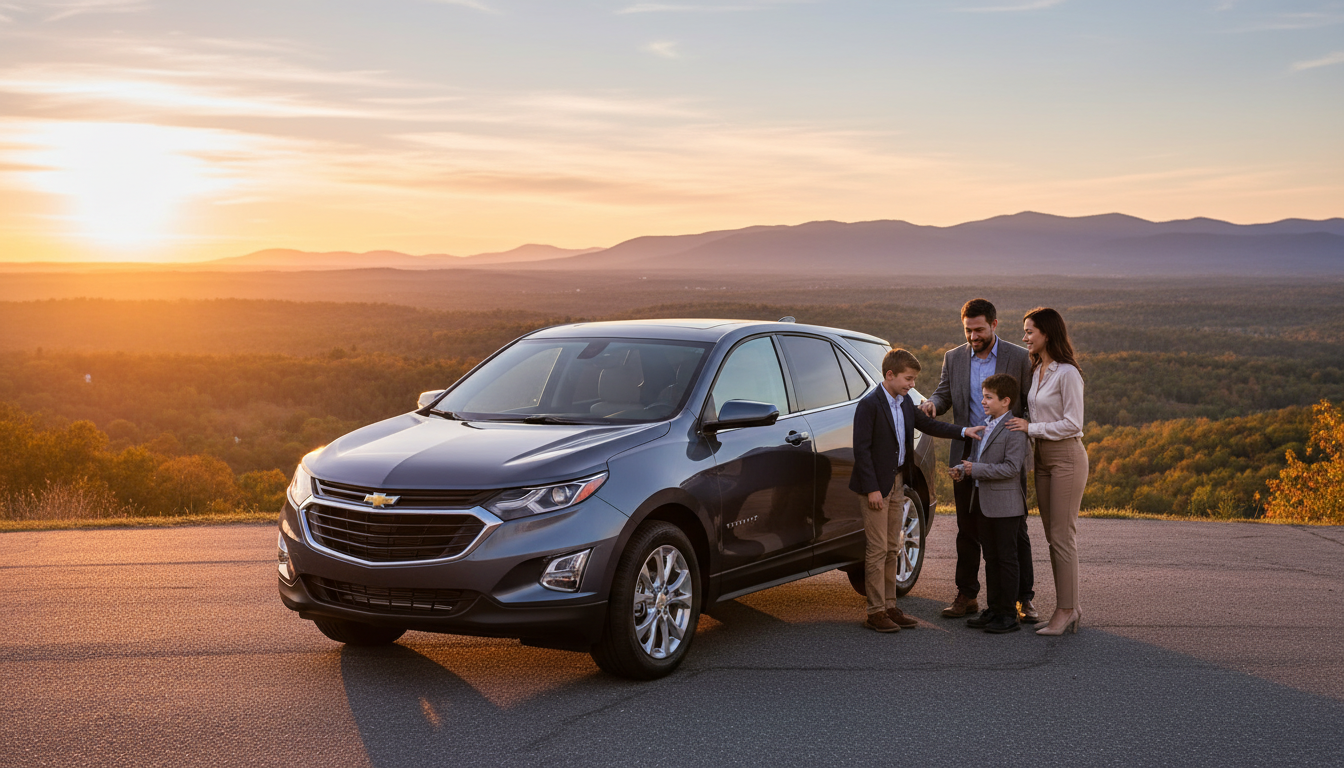
Are Chevy Equinox Good Cars? A 2026 Review for U.S. Buyers
For U.S. shoppers, the question “Are Chevy Equinox good cars?” hinges on key factors: reliability, safety tech, comfort, and total ownership cost.
This 2026 review frames the Chevrolet Equinox as a mainstream compact SUV that prioritizes everyday usability and affordability.
With a starting price of $30,795, the Equinox stacks standard tech and practical features ahead of sporty performance, making it a strong value pick for first-time buyers, families, and commuters.
We’ll provide a quick verdict, then dive deep into:
- Reliability by Year & Generation
- Powertrains & Driving Feel
- Fuel Costs & MPG
- Interior, Cargo & Features
- Safety Ratings & Tech
- Trims & Pricing
- Buying Tips & Practical Conclusion
While it sits mid-pack against leaders like the Honda CR-V and Toyota RAV4, the Equinox can be a smart choice for those prioritizing standard features and low ownership costs.
Quick Verdict: Is the Chevy Equinox Worth It?
The Chevrolet Equinox is a sensible compact SUV that prioritizes everyday comfort, standard features, and affordable pricing over sporty performance.
What It Does Well?
The Equinox delivers value-oriented practicality with useful tech, a roomy cabin, and modern infotainment—all without luxury price tags. Families and commuters get a predictable ride and generous passenger and cargo space at a competitive price point.
Best For
- Daily commuters seeking a comfortable, straightforward drive
- Families needing passenger and cargo flexibility
- Budget-conscious shoppers focused on monthly payments over performance
Where It Falls Short?
Acceleration feels adequate rather than brisk. Highway cabin noise and fuel economy trail top rivals like the Honda CR-V and Toyota RAV4. Refinement and performance sit mid-pack, not class-leading.
Is the Chevy Equinox Stylish?
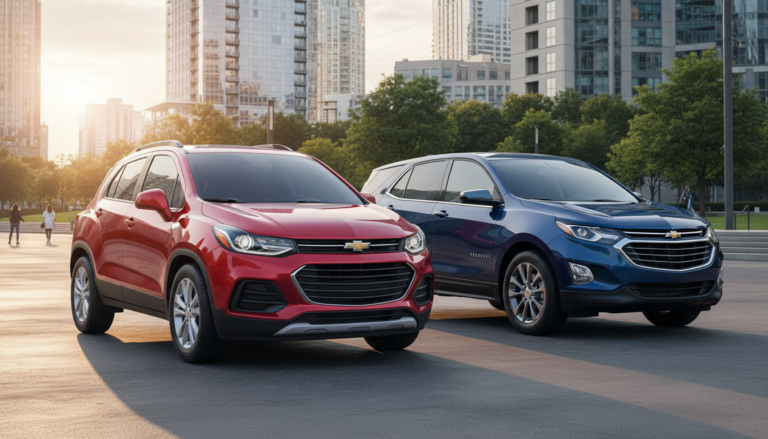
Yes, but with a caveat. The Equinox offers different looks by trim—the RS is sporty, the Activ is rugged—but these are cosmetic. Don’t expect the rugged styling to deliver off-road capability; all trims use the same platform.
Who Should Buy a Chevy Equinox?
The Equinox is best for buyers who want advanced safety features (blind-spot monitoring, rear cross-traffic alert) and modern infotainment (wireless Apple CarPlay, available navigation) without luxury-brand costs. It’s practical tech at a competitive price.
What’s the Smartest Way to Shop for an Equinox?
Focus on model year and trim level. Since most Equinox generations share the same engine and drivetrain, choosing the right year (to avoid reliability issues) and the right trim (for your must-have features) is key to getting the best value. Check our year-by-year reliability guide below.
Are Chevy Equinox Good Cars for Reliability?
Reliability often decides whether a used compact SUV stays trouble-free or becomes a wallet drain. This section helps buyers match specific years to real-world risk and repair costs.
Best years to buy for dependability
Top picks: 2009, 2015–2017, and 2019–2020. These model year spans show fewer major engine and transmission complaints and tend to hold value better.
Years to avoid and why?
Watch 2005–2008 and 2010–2013. Common failures include heavy oil consumption, engine wear, and shifting problems that generate large bills before 100,000 miles.
Common reliability drivers
- Engine: internal wear and sealing affect longevity.
- Transmission: shift quality and durability matter for daily drive feel.
- Fuel system: pumps and sensors can trigger drivability faults.
| Category | Better years | Problem years | Buyer action |
|---|---|---|---|
| Engine issues | 2009, 2019–2020 | 2005–2008, 2010–2013 (2.4L oil use) | Request oil-change history and compression check |
| Transmission | 2015–2017 | 2010–2013 | Test for smooth shifts at cold start and highway |
| Maintenance impact | Any year with full records | No service history | Prefer documented service; budget for repairs if missing |
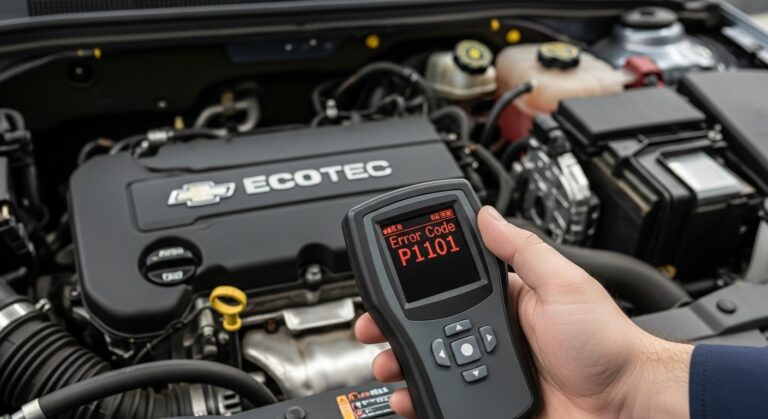
Used-buyer checklist: get a pre-purchase inspection, scan for stored codes, verify oil-change frequency and correct oil grade, and drive from cold to highway speeds. Even a good year can cost more if maintenance was skipped.
Model Years and Generations That Changed the Equinox Lineup
Generational shifts shape feature lists and help predict which model years carry known issues or refinements.
First generation strengths and early pitfalls
First generation (2005–2009) offered space and a comfortable ride for its era. Buyers liked cabin room and simple packaging.
Early year examples showed more complaints, so inspect service history closely before purchase.
Second generation updates and the most reported problem years
Second generation (2010–2017) brought updated design and fresher styling. Note that 2010–2013 stand out as the most reported problem years.
Used shoppers should treat those model year examples as cautionary and prefer documented repairs.
Third generation improvements and why 2019–2020 stand out
The third generation (2018–2023) added newer systems and better refinement. By 2019–2020 many issues were reduced, making those years a safer used bet.
Fourth generation highlights for 2025–2026
The fourth generation redesign arrived for 2025 and continues into 2026. Changes include tighter packaging, a standard drive mode selector, and small trim updates like roof-rail and paint options.
- Why generation matters: redesigns change tech, common faults, and the ownership range.
- Shopping tip: older models cost less up front; newer models bundle more safety and infotainment.
| Generation | Years | Key changes | Buyer note |
|---|---|---|---|
| First | 2005–2009 | Spacious cabin, simple systems | Inspect early-year examples for repairs |
| Second | 2010–2017 | Modern design, tech updates | Avoid 2010–2013 without full records |
| Third | 2018–2023 | Refinement, updated systems | 2019–2020 prefered for reliability |
| Fourth | 2025–2026 | Redesign, standard drive mode | First-year examples still merit inspection |
Engine, Power, and Real-World Driving Experience
Under the hood, the 2026 model centers on a 1.5L turbo four that prioritizes usable power for daily life.
1.5L turbo output and everyday acceleration
The turbocharged 1.5L four produces 175 horsepower. It offers enough punch for city commutes and routine errands.
Expect tepid acceleration for hard passes or quick merges. An AWD test shows about 8.6 seconds to 0–60 mph, which is average for this class.
FWD vs AWD: transmission and driving feel
Front-wheel-drive pairs with a CVT, tuned for smoothness and efficiency. All-wheel-drive uses an 8-speed automatic that shifts like a traditional gearbox.
The CVT feels more seamless in daily stop-and-go traffic. The 8-speed gives crisper shift feedback and a slightly different on-road character.
Ride, steering, and cabin notes
The vehicle favors comfort with a compliant ride that soaks up common road imperfections.
Steering is a touch heavier than rivals, which helps the driver feel more planted but reduces quick-turn agility.
At highway speeds the cabin can become noticeable for road noise. A long test drive on your usual route will reveal if the sound level is acceptable.
- Which to pick: FWD for lower cost and simpler maintenance; AWD if traction and a conventional shift feel matter.
- Wheel impact: Larger wheels can slightly firm the ride and raise road noise, so consider wheel size when choosing trims.
| Item | FWD (CVT) | AWD (8-speed) |
|---|---|---|
| Engine | 1.5L turbo, 175 hp | 1.5L turbo, 175 hp |
| Transmission feel | Smooth, continuous (CVT) | Defined shifts, more conventional |
| Use case | Commuting, fuel focus, lower cost | All-weather traction, firmer highway merges |
| Driving note | Less responsive for hard passing | Better for brisk on-ramps; 0–60 ~8.6s |
Fuel Economy, Efficiency, and Cost at the Pump
Fuel costs shape ownership more than many buyers expect. Small mpg differences add up over long commutes or high annual miles. This section helps map EPA numbers to real-world planning and value.
EPA mpg estimates for FWD and AWD models
| Drivetrain | City (mpg) | Highway (mpg) | Combined |
|---|---|---|---|
| FWD (CVT) | 26 | 28 | 26–27 |
| AWD (8-speed) | 24 | 29 | 26–27 |
How drive modes and drivetrain choice affect efficiency?
AWD can show higher highway mpg yet lower city numbers because the extra drivetrain hardware adds weight and drag in stop-and-go traffic. At steady speeds, selective torque transfer and gearing can improve highway efficiency.
- Drive modes: Eco mode softens throttle mapping and favors early upshifts, which helps efficiency on longer runs.
- Practical tips: keep tires at proper pressure, avoid rapid acceleration, and limit short cold-start trips to improve mpg.
- System note: using cruise control on highways often yields steadier consumption and better range between fill-ups.
For example, a 2 mpg gap over 12,000 miles changes annual fuel spend noticeably. That math matters when comparing pricing and long-term value. Pick the drivetrain and trims that match your typical miles and priorities for the best overall ownership result.
Interior, Space, and Cargo Practicality for Families
Family life tests a vehicle’s interior more than any spec sheet does. The cabin offers adult-friendly room in both rows, so two adults fit comfortably in back during school runs or longer drives.
Try a sit test with a child seat and a teenager in the second row. That quick check shows how legroom and headroom perform in real use.
Passenger comfort and everyday cabin details
Seats support and simple storage affect comfort more than raw space numbers. Well-placed cup holders, door bins, and a low step-in height make daily loading easier.
Noise levels can shift perceived comfort on long trips. Good seat bolstering and roomy rear seats help reduce fatigue.
Cargo volume and real-world use
The cargo area swallows groceries, a stroller, or weekend luggage with ease. A flat load floor and low lift height simplify heavy items.
Shape matters: wide openings and square corners make folding strollers and suitcases easier than tall but narrow trunks.
Layout, controls, and practical features
The design balances physical buttons for quick adjustments and a touchscreen for deeper settings. That reduces distraction while driving.
The column-mounted shifter frees the center console for phones, chargers, and snacks — a useful family convenience.
- Trim level affects materials and finish; higher levels feel more upscale.
- Compare in person to judge surface quality and color choices.
| Item | Practical take | Family benefit |
|---|---|---|
| Rear seat room | Adult-friendly legroom | Comfort for long rides and car-seat fit |
| Cargo hold | Large, flat load area | Easy grocery and gear loading |
| Console layout | Column shifter + open storage | More usable space for daily items |
Bottom line: For many buyers, a good suv is the one that fits real life. This interior and cargo mix delivers practical space and smart features without forcing compromises on routine family needs.
Features, Infotainment, and Driver-Assist Safety Tech
A neat screen layout and reliable safety kit make a big difference in everyday driving. This section summarizes what comes standard, what is optional, and how those elements help on real roads in the United States.
Dual displays and Google-based infotainment
All models include two digital displays: an 11.3-inch touchscreen and an 11.0-inch gauge cluster. The infotainment system uses Google services like Maps and offers a Wi‑Fi hotspot.
Why this matters: clearer route prompts, native voice search, and easier app integration reduce the need to glance away from the road.
How screen layout helps daily use?
Separated gauges and a dedicated infotainment screen keep speed and navigation distinct. That lowers distraction and speeds common tasks like changing radio stations or checking directions.
Key standard safety features explained
- Automated emergency braking with pedestrian detection: brakes automatically in sudden stops to help avoid collisions with vehicles or people.
- Lane-departure warning and lane-keeping assist: alerts the driver and gently steers to keep the vehicle centered in its lane.
- Adaptive cruise control with lane-centering: maintains distance from traffic and helps hold position on highways during commutes.
Options, optional safety, and real-world value
Optional upgrades include a 360-degree camera, rear pedestrian detection, and traffic sign recognition. The 360-camera is useful in tight parking lots and narrow garages. Rear pedestrian detection adds protection when backing out of driveways or parking spaces.
Confirm which features are standard versus optional on a buyer sheet or listing. Software updates and a clean warning-light history are important, since more sensors mean more modules to maintain.
| Feature | Standard | Optional |
|---|---|---|
| Dual digital displays | 11.3″ infotainment + 11.0″ cluster | None |
| Google-based services | Maps, voice, Wi‑Fi | Subscription features (if chosen) |
| Driver-assist tech | AEB, lane assist, adaptive cruise | 360° camera, rear pedestrian detect, sign recognition |
Practical tip: these systems support safer driving but do not replace attention. Check for software updates and service records before purchase to avoid surprises.
Trims, Options, and What to Buy: LT vs RS vs Activ
Pick the trim that matches daily needs; equipment and style separate the LT, RS, and Activ more than any mechanical change. All models share the same 175‑hp turbo engine and offer FWD or AWD, so fundamental performance stays consistent.
LT is the value level and suits buyers focused on price and essentials. RS leans sporty with larger wheels and a sharper look. Activ adds rugged styling and 17-inch all‑terrain tires for light off‑road traction.
Wheel and tire choices affect the ride and feel. Bigger wheels sharpen the look but can increase road noise and firm the ride. All‑terrain tires boost grip on loose surfaces but reduce fuel efficiency slightly.
- Worth paying for: surround‑view camera and upgraded driver assistance for parking and highway confidence.
- Comfort upgrades: heated seats, upgraded upholstery, and a convenience package for long commutes.
- Used‑buyer tip: verify VIN equipment and inspect photos to confirm actual options installed.
Final choice: pick LT for the lowest cost, RS for sport styling, or Activ for a tougher look. Then prioritize camera and safety options that improve daily ownership and resale appeal.
| Trim | Typical wheel | Key features | Best choice if |
|---|---|---|---|
| LT | 17″ standard | Basic comfort, infotainment | Lowest entry price |
| RS | 19″ standard (20″ opt) | Sport styling, upgraded interior accents | Prefer sport look |
| Activ | 17″ all‑terrain | Rugged trim, traction tires | Want rugged appearance and light off‑road use |
Pricing, Value, and Ownership Costs in the United States
Sticker pricing only tells part of the story; ownership costs and resale risk shape monthly reality.
The 2026 MSRP range is $30,795–$35,595. This price positions the model in the mainstream compact SUV segment as an affordable option rather than a premium choice.

How to evaluate price beyond the sticker?
Look at out-the-door price, financing rates, insurance, and expected fuel spend when comparing vehicles. These items affect monthly cost more than a small trim premium.
Warranty and complimentary maintenance
The basic warranty covers 3 years/36,000 miles. Powertrain protection runs 5 years/60,000 miles. Dealers include one free maintenance visit in year one.
- Use the free visit for an oil change, inspection, and any software updates.
- Keep records—documented maintenance preserves resale price and helps spot neglected items.
Long-term value and longevity by model year
Many owners report the vehicle reaching 150,000–200,000+ miles with regular maintenance. Long-term value depends on the model year: 2009, 2015–2017, and 2019–2020 generally hold value better than 2005–2008 or 2010–2013.
| Item | Notes | Buyer action |
|---|---|---|
| MSRP range | $30,795–$35,595 (2026) | Compare trim features vs price |
| Warranty | 3 yr/36k basic; 5 yr/60k powertrain | Confirm transferability for used purchases |
| Longevity | Many units exceed 150k miles with upkeep | Request service records and compression checks |
Used-shopping tip: budget for wear items like tires and brakes, and weigh lower upfront price against the risk profile of the specific model year. Proper maintenance history often saves more than a few dollars on the initial price and improves long-term value.
Conclusion
When shopping for a Chevy Equinox, focus on what truly matters for your lifestyle rather than flashy marketing. Choose the trim and model year that best fit your daily needs—reliability varies by generation, so a well-documented service history is worth more than a low price alone.
The Equinox shines with its roomy interior and strong standard technology, making it a practical pick for families and commuters. However, its driving dynamics and cabin quietness are merely average compared to segment leaders, and acceleration is modest.
To make the best choice:
- Select front-wheel drive for better fuel efficiency, or all-wheel drive for added traction in winter.
- Pick your trim based on the features you need, not just the way it looks.
- Confirm safety tech is present on your specific model.
- Always check service records and get a pre-purchase inspection.
- Take it for a test drive on your typical roads.
In the competitive compact SUV segment, the Chevy Equinox stands out as a sensible, value-focused option—especially when you prioritize features and affordability over ultimate performance.
FAQ
Quick verdict — is the Chevrolet Equinox a sensible compact SUV choice?
The Equinox offers a comfortable ride, practical cargo space, and modern in-cabin tech at a competitive price. It suits buyers who want a roomy small SUV with decent fuel economy and easy daily driving. Those prioritizing sporty handling or class-leading resale may prefer alternatives from Honda, Toyota, or Mazda.
Who is the Equinox a smart choice for?
It fits commuters, small families, and drivers who value passenger comfort, straightforward infotainment, and a mellow highway ride. Trim choices let buyers prioritize efficiency, appearance, or light off-pavement capability without major price jumps.
Where does the Equinox fall short versus top compact SUVs?
The Equinox lags in sporty driving dynamics, steering feedback, and some rivals’ cabin material quality. Fuel-economy leaders and long-term reliability standouts from Toyota and Honda typically outshine it in ownership cost and resale value.
Which model years are best for reliability?
Recent third- and fourth-generation models with the 1.5L turbo and updated 8-speed automatic show better dependability. Look for well-documented maintenance records and low-mileage examples from 2018 onward for safer buys.
Which years should buyers avoid and why?
Some earlier second-generation and first-generation models reported transmission issues and electrical complaints. Also avoid used examples with the older 2.4L that have a history of high oil consumption unless thoroughly inspected and service-recorded.
What reliability factors should buyers inspect?
Focus on engine condition, transmission behavior, service history, timing of fluid changes, and any recall repairs. Verify the fuel system, ignition components, and any history of coolant or oil leaks for a clear picture of future costs.
What was the 2.4L oil-consumption problem and what does it mean for used buyers?
Certain 2.4L engines developed excessive oil use due to piston-ring and valve-train wear. For used buyers, that raises repair risk and cost. Ask for oil-change records, recent compression tests, and proof of any warranty or repair work before purchase.
Which model years and generations brought major changes to the lineup?
The shift to the third generation (around 2018) improved economy and handling; 2019–2020 refined those gains. The fourth generation introduces updated styling, new tech, and efficiency gains for the 2026 model year.
What were first- and second-generation strengths and weaknesses?
Early models delivered roomy interiors and value pricing but faced transmission and electronics complaints. Second-generation updates fixed some issues but introduced variable reliability across certain years — inspect history carefully.
What stands out about the third- and fourth-generation redesigns?
The third generation improved ride, fuel economy, and interior tech. The fourth-generation redesign adds refreshed exterior styling, upgraded infotainment integration, and further efficiency boosts, making newer trims more competitive.
How does the 1.5L turbo perform for everyday driving?
The 1.5L turbo provides adequate acceleration for daily commuting and merging, with decent low-end torque and good highway manners. It balances fuel economy with usable power for most drivers.
What are the drivetrain and transmission differences to consider?
Front-wheel drive saves weight and improves fuel economy. All-wheel drive adds traction but lowers mpg. Recent models use an 8-speed automatic, which generally feels smoother and more efficient than older CVT setups in some trims.
How is ride comfort, steering feel, and cabin noise at highway speeds?
The Equinox prioritizes comfort over sport. Suspension tuning soaks up bumps well, steering is light and predictable, and cabin noise is controlled but not as quiet as premium rivals at higher speeds.
What fuel-economy figures can owners expect for FWD and AWD models?
EPA numbers vary by engine and model year, but expect mid- to high-20s mpg combined for FWD turbo models and a few mpg lower for AWD. Check specific year/trim ratings for exact figures.
How do drive modes and drivetrain choice affect efficiency?
Eco or efficiency modes optimize throttle mapping and shift points for better mpg. Choosing AWD increases rolling resistance and fuel use, especially in stop-and-go driving.
How roomy is the cabin for passengers and families?
The Equinox offers ample headroom and legroom for front and rear passengers, with comfortable seating for adults in both rows. It’s a practical choice for daycare runs, carpooling, and longer trips.
What is the cargo capacity like for daily use?
Cargo space is competitive in class — roomy for grocery runs, weekend luggage, and sports gear. Split-fold rear seats add flexibility for mixed cargo and passenger needs.
How are interior materials and control layout?
Recent models balance tactile physical controls with larger touchscreens. Higher trims use softer materials and upgraded finishes; entry trims keep things simple and durable.
What infotainment and driver-assist features come standard?
Expect dual digital displays on many trims, smartphone integration, and key active-safety systems like automatic emergency braking, lane-keep assist, and adaptive cruise in newer models.
What optional safety and convenience upgrades are worth considering?
A 360-degree camera, blind-spot monitoring, rear cross-traffic alert, and upgraded audio or navigation packages add real-world convenience and can improve resale value.
How do trims differ — LT, RS, and Activ — and what should buyers prioritize?
Trim differences include styling cues, wheel designs, and suspension tuning. LT focuses on value, RS on sporty looks, and Activ adds rugged styling and slightly different ride components. Choose based on desired features and aesthetic preference.
Which wheel and tire choices affect ride and handling the most?
Larger wheels with low-profile tires improve looks and cornering but increase ride harshness and road noise. Smaller wheels with taller sidewalls give a softer ride and better comfort over rough surfaces.
What popular option packages are worth the extra cost?
Safety suites, heated seats/wheel packages, and upgraded infotainment or driver-assist bundles usually offer the best balance of daily usefulness and resale appeal.
How does pricing compare across the compact SUV segment?
The Equinox typically sits in the affordable-to-midrange of the segment. Base pricing is competitive, while higher trims approach prices of better-equipped rivals; factor warranty and included features when comparing value.
What warranty and maintenance coverage does Chevrolet provide?
Standard coverage includes a limited and powertrain warranty; check current Chevrolet terms for exact durations and any complimentary maintenance offers available at purchase.
What are long-term ownership and resale expectations by model year?
Older, well-maintained models can provide years of useful service, but resale values vary by reliability reputation and market demand. Newer redesign years generally hold value better thanks to improved tech and economy.