Is GMC Better Than Chevy When It Comes to Reliability and Repairs?
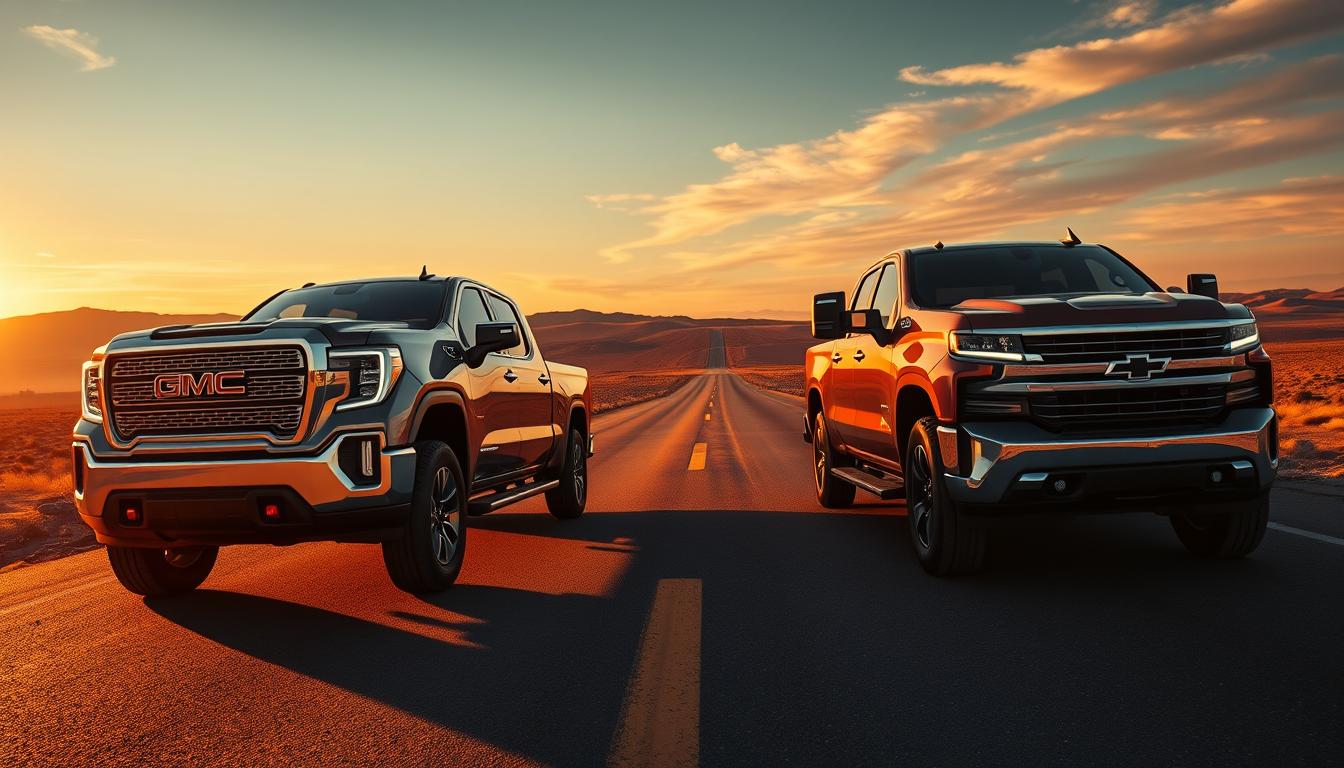
We compares GMC and Chevy to see which brand is better. We look at reliability, durability, resale value, pricing, trims, performance, and technology. This helps you decide which brand is right for you.
GMC and Chevrolet use the same platforms and engineering for some models. But, the main differences come from trim choices, materials, and features. We use J.D. Power rankings, RepairPal, CarEdge, NHTSA recall records, and model data from 2021–2025 to support our findings.
Both brands are close in quality and reliability. Chevrolet’s average quality and reliability score is 83/100, while GMC’s is 82/100 for top sellers. J.D. Power 2023 also shows Chevrolet is more reliable than GMC overall. This comparison helps explain why some buyers might see differences.
Our goal is to make automotive technology easier to understand. We aim to help owners and enthusiasts choose between GMC and Chevy. You’ll get a clear, data-based view to help you decide which brand meets your needs and budget.
Is GMC better than Chevy?
Many buyers wonder if GMC is better than Chevy when picking a truck or SUV. They consider things like image, trim levels, resale value, and reliability. GMC offers premium trims like Denali and AT4, while Chevy focuses on a wider appeal with more entry trims.
What does “better” mean to people? For some, it’s about luxury and unique trim packs. Others care more about everyday costs and parts availability. GMC’s luxury and Chevy’s wide range of models influence what people choose.
Quick data snapshot from reliability and sales
Sales numbers and reliability scores help answer the question. Chevy sells about twice as many vehicles as GMC. This affects reliability stats and complaint rates.
| Model | 2021 | 2023 | 2024 | 2025 |
|---|---|---|---|---|
| Silverado 1500 | 80 | 80 | 84 | 84 |
| Sierra 1500 | 81 | 84 | 83 | 83 |
| Suburban | 71 | 78 | 80 | 80 |
| Yukon | 69 | 80 | 78 | 78 |
| Equinox | 92 | 90 | 88 | 88 |
| Terrain | 87 | 88 | 85 | 85 |
In 2023, J.D. Power ranked Chevrolet 5th and GMC 14th in reliability. But, when comparing specific models, the gap is smaller. Chevrolet’s top sellers average a reliability score of 83, while GMC’s average is 82. This shows how close the two brands are in reliability.
When deciding between GMC and Chevy, remember that reliability can vary by model and trim. GMC and Chevy differ mainly in branding, trim options, and standard features. This section aims to provide data without making a final decision.
Brand positioning and history: GMC’s premium stance vs Chevy’s broad appeal
General Motors has Chevrolet and GMC as sibling brands with unique goals. Chevrolet started in 1911 and joined GM in 1918. GMC’s roots come from the Rapid Motor Vehicle Company and Reliance Motor Car Company, which GM took over in 1909. This history explains why the two brands share platforms but have their own identities.
GM’s strategy makes Chevrolet the go-to for mass-market buyers. Chevrolet aims at those who value affordability, fleet customers, and families. It offers a wide range of trims, from Work Truck to Premier, and is expanding its EV lineup like the Blazer EV.
GMC targets buyers looking for near-luxury features and a professional image. It focuses on Denali and AT4/AT4X trims, which highlight premium materials and capability.
The differences between GMC and Chevy are clear in materials and features. GMC often adds upgraded leather, open-pore wood, Magnetic Ride Control, and Super Cruise on select Denali models. Chevrolet, on the other hand, offers more trim options, lower prices, and mainstream tech for more units.
Pricing and incentives vary by brand intent. GMC’s higher standard content can lead to stronger resale on Denali models. Chevrolet’s larger sales volume and broader incentives can make used cars more affordable for value-seekers.
When people ask if GMC is better than Chevy, they mean different things. GMC is better for premium comfort, while Chevy is better for everyday value. GMC shines in cabin appointments and upscale options. Chevrolet appeals to those who value variety, pricing, and fleet presence.
Market positioning influences marketing, dealer presentation, and who each brand targets. Commercial buyers and those on a tight budget often choose Chevrolet. Those seeking a more refined badge and richer standard features prefer GMC. This split helps GM meet various buyer needs without intense competition.
Model-by-model comparison: Sierra vs Silverado and lineup parallels
The GMC Sierra and Chevrolet Silverado share a platform and engines. They also have the same safety systems and many parts. This is true for GMC and Chevrolet SUVs and midsize trucks too. When you match trims, you get similar performance. The main differences are in looks, standard features, and materials.
Here’s a list of top sellers and their counterparts. It’s useful for comparing GMC and Chevy models. You can also use it to recall data from 2021.
Some key pairs are GMC Sierra vs Chevrolet Silverado, Yukon vs Suburban, Terrain vs Equinox, and Canyon vs Colorado. The Silverado often sells more than the Sierra. The Equinox also outsells the Terrain by a lot.
Top sellers mapped to counterparts
Pairing makes shopping easier. You can compare features and prices directly by matching trims.
- Sierra — Silverado: Full-size pickup pair. Denali vs High Country show premium content differences.
- Yukon — Suburban: Large SUV pair. Yukon often targets luxury-focused buyers.
- Terrain — Equinox: Compact crossover pair. Equinox targets value and volume buyers.
- Canyon — Colorado: Midsize truck pair. Similar towing and payload across trims.
Q&R scores across recent years for flagship pairs
Quality & Reliability scores are close for each flagship duo. Small year-to-year gaps show the impact of trim content and options.
| Year | Sierra Q&R | Silverado Q&R | Notes |
|---|---|---|---|
| 2021 | 81 | 82 | Initial post-refresh differences in electronics and infotainment updates. |
| 2022 | 82 | 83 | Minor powertrain refinements improved consistency. |
| 2023 | 82 | 83 | Software updates reduced some owner complaints. |
| 2024 | 83 | 84 | Trim-level equipment changes shifted perceived value. |
| 2025 | 83 | 84 | Scores remained tight; mechanical parity stayed evident. |
Sales numbers affect reliability data. For example, in 2023, the Yukon sold 71,856 units and the Suburban 52,820 units. This means higher volume models might show more service events.
When comparing GMC and Chevy, focus on each trim pair. A Sierra Denali will perform like a Silverado High Country. The main differences are in materials, infotainment, and price. Looking at historical data, like from 2021, shows small score changes over the years.
Reliability and repair costs: GMC vs Chevy reliability and maintenance
Short-term ownership often shows Chevrolet with a lower annual bill on RepairPal, about $649 a year, versus GMC at roughly $744. This difference is due to routine service schedules and parts pricing for common passenger models.
Long-term estimates tell a tighter story. Aggregated ten-year figures put Chevrolet near $10,618 and GMC near $9,944. Year-to-year costs run higher for many GMC models, yet decade totals converge as heavy-duty repairs and model-specific problems shift the balance.
Readers comparing gmc vs chevy reliability and maintenance should focus on model and drivetrain. A Silverado with repeated heavy-truck fixes can push Chevrolet’s long-term number up. Diesel Yukons and Sierra HD trucks may raise GMC averages because of high-cost service items.
Common expensive repairs reveal different patterns. Chevrolet owners report dashboard replacements on small cars, ignition coil issues on city models, and active suspension sensor fixes on older minivans. GMC owners more often face high-cost diesel injection pump work, transmission pan gasket service on heavy-duty trucks, and mass airflow sensor replacements on older pickups.
CarComplaints highlights model-level trouble that affects owner costs. The Impala has many complaints for rough shifting near 100,000 miles with average repairs around $1,800. Sierra 1500 owners note past issues such as broken AC systems and headlight failures. High complaint counts often reflect vehicle volume and years on the road, not just build quality.
Practical guidance helps buyers cut risk. Check maintenance histories for the exact model year. Compare extended-warranty options for diesel and heavy-duty trucks where a single repair can be thousands of dollars. Use owner forums and recall records to spot recurring faults before purchase.
| Metric | Chevrolet (example) | GMC (example) |
|---|---|---|
| RepairPal annual estimate | $649 | $744 |
| Estimated 10-year total | $10,618 | $9,944 |
| High-cost common repair | Dashboard replacement (Aveo): $1,166–$1,309 | Diesel injection pump (Yukon): $1,642–$2,829 |
| Other notable fixes | Ignition coil (Spark): $375–$524; suspension sensor (Uplander): $532–$545 | Trans oil pan gasket (Sierra 3500 Classic): $322–$350; MAF sensor (Sierra 2500 HD Classic): $287–$384 |
| Model complaint examples | Impala: rough shifting near 100k, avg repair ~$1,800 | Sierra 1500 (2014–2015): AC and headlight issues, varying repair costs |
| Buyer tip | Prioritize model-year data; consider extended warranty for high-mileage cars | Consider extended coverage for diesel and HD pickups to limit out-of-pocket risk |
When weighing gmc vs chevy which is more durable, owners should avoid blanket statements. Durability depends on model, use case, and maintenance. Use specific service records and long-term cost projections to make a confident choice.
In any gmc vs chevy reliability comparison, detailed inspection and targeted warranty options often matter more than brand reputation. Research model-year trends and plan for known high-cost items to reduce surprise expenses.
Performance, towing and payload: comparing capability across trims
Pickup capability depends on engine, axle, cab, and bed type. Buyers need to match their truck to their needs. Half-ton and one-ton trucks share platforms and engines, but tow ratings vary based on options and packages.
Towing and payload highlights
The Silverado 1500 can tow up to 13,300 lbs with the right setup. The Sierra 1500 can do the same with the same engine and package.
In the heavy-duty class, the Silverado 3500 and Sierra 3500 can tow near 36,000 lbs. This is in select configurations with dual-rear-wheel setups. You need the right equipment, axle ratios, and towing prep for this.
Payload shows small differences between brands. A Regular Cab Sierra can carry about 2,410 lbs. A similar Silverado can carry around 2,280 lbs. Both brands offer bed lengths of about 8’2″, 6’7″, and 5’10”.
Powertrain options that affect capability
Engine families share much of the capability story. You can choose from a turbo 2.7L four, a 3.0L turbodiesel inline-six, a 5.3L V8, or a 6.2L V8. Denali trims make the 6.2L V8 easier to get, which is good for towing and speed.
Diesel engines are great for city towing and low-end torque. Gas V8s are better for highway performance and higher tow ratings in some setups.
For real-world use, pick your engine, axle ratio, and hitch class wisely. Heavy-duty owners should check if their truck meets the factory tow package requirements before assuming the max tow ratings apply.
When choosing between GMC and Chevy trucks, look at specific trim specs. The model name doesn’t always tell the whole towing story. Check the towing capacity for your exact setup and consider durability if it’s important to you.
Comfort, interior materials, and technology: luxury vs value
GMC and Chevrolet differ in cabin fit and tech. GMC focuses on premium feel in upper trims. Chevrolet aims for broad accessibility, with many features across trims and models.
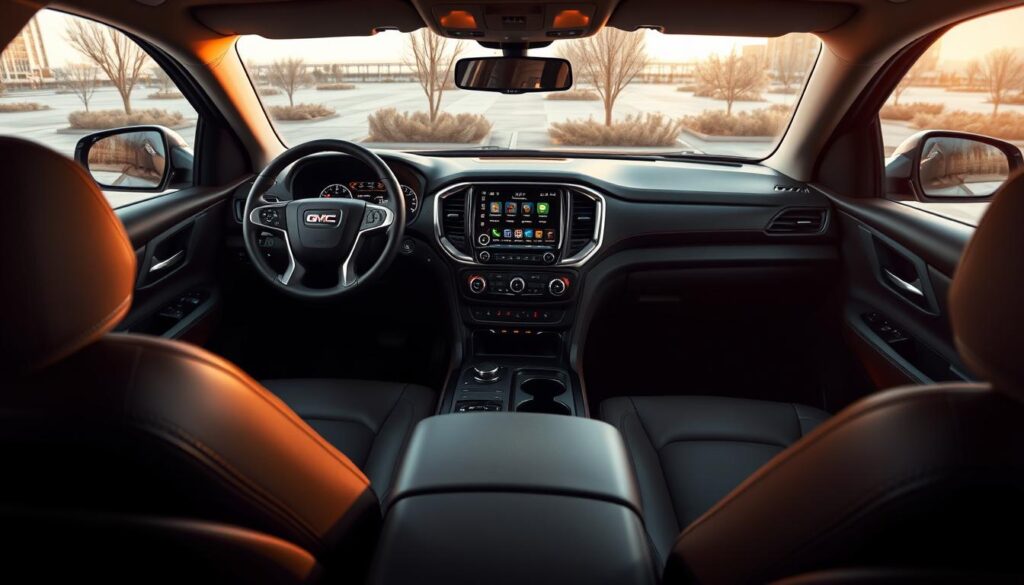
Denali trims from GMC feature open-pore wood, full-grain leather, and unique trim cues. They signal a luxury focus. Massage seats, active noise control, and branded speaker grilles are standard or bundled in higher Denali models.
Chevrolet High Country and ZR2 offer similar materials and sound systems. But, buyers need option packages to match Denali content. Chevrolet makes up for this with a wider range of entry points, including EVs like the Blazer EV and Equinox EV.
Interior material and trim differences
GMC Denali and Denali Ultimate bundle premium touches early in the trim ladder. This is a clear benefit when comparing comfort and finish to Chevy.
Chevrolet offers flexibility to pick and choose. The same wood or upgraded leather may be optional, not standard. This customization helps shoppers on a budget find value without paying for unused features.
Advanced tech and convenience features
GMC introduces advanced technology in fewer trims. Options like Super Cruise and hands-free tailgate arrive sooner. Standard Bose systems and unique driver aids show GMC’s focus on refinement.
Chevrolet matches many core features. Voice navigation, Apple CarPlay, Android Auto, in-vehicle Wi-Fi, and Google services are available across both brands. Chevy also offers Teen Driver and parental controls for family buyers.
Practical advice for buyers: if premium interior materials and high-end tech are key, GMC’s Denali trims offer clear benefits. If a wider selection of EVs or the ability to mix-and-match options at lower prices is important, Chevrolet provides more choices without the need for the highest trim.
Resale considerations also reflect interior choices. The debate on GMC vs Chevy resale value often hinges on buyer perception of factory-fit luxury versus optional upgrades. Understanding these differences helps shoppers choose the trim and features that best preserve value over time.
Off-road and performance trims: AT4/AT4X vs ZR2/Trail Boss
The fight for the best off-road pickup is fierce. GMC and Chevrolet offer unique options for different needs. This section looks at the differences in hardware, suspension, and real-world use to help you choose.
GMC’s AT4 and AT4X are designed for off-road adventures. The AT4X has Multimatic DSSV dampers and a lift for fast, smooth rides. Some AT4s come with a turbodiesel engine for extra power on tough trails.
Chevrolet’s ZR2 is for the serious off-roader, while the Trail Boss offers a budget-friendly lift. The ZR2 has Multimatic-style dampers and lots of off-road gear. Trail Boss trucks have Rancho shocks and a 2-inch lift, making them great for many drivers.
Choosing the right suspension is key for comfort and handling. AT4X dampers are great for speed and control on rough paths. Rancho-equipped Trail Boss trucks offer a tough, predictable ride on tight trails.
AT4 trims aim for luxury off-road feel, making them good daily drivers. ZR2 and Trail Boss trims are more aggressive and affordable, perfect for those who want to hit the trails without breaking the bank.
Choose based on your needs. If you’re serious about trails and upgrades, go for ZR2. For a comfortable off-road daily, pick AT4 or AT4X. Trail Boss is a smart choice for many.
Below is a compact comparison that highlights core differences and intended buyers.
| Feature | GMC AT4 / AT4X | Chevrolet ZR2 / Trail Boss |
|---|---|---|
| Primary focus | Refined off-road performance, comfort, upscale finish | Aggressive trail performance (ZR2), accessible lift and capability (Trail Boss) |
| Top shocks | Multimatic DSSV on AT4X | Multimatic-style on top ZR2; Rancho on Trail Boss |
| Factory lift | AT4X has factory lift; some AT4s lifted | Trail Boss has factory 2-inch lift; ZR2 varies by model |
| Powertrain notes | Turbodiesel available on select AT4 variants for strong torque | Wide gasoline engine availability; ZR2 focuses on power and tuning |
| Off-road hardware | Electronic lockers, skid plates, tuned springs; premium tuning | Electronic lockers, aggressive tires, reinforced components on ZR2 |
| Best for | Buyers wanting upscale daily with serious capability | Enthuisiasts seeking raw trail performance or affordable off-road upgrades |
Safety, recalls and crash ratings: regulatory and real-world issues
Crash test scores show that General Motors twins like Sierra and Silverado often get top marks. They do well in frontal and side crash tests. Yukon and Suburban models also score high, with some years getting around four out of five stars.
Both GMC and Chevrolet offer similar safety features. You’ll find Forward Collision Alert, Automatic Emergency Braking, and more across their models. This is why many people focus more on the trim level than the brand when talking about safety.
Big recalls often affect both GMC and Chevrolet when a shared part fails. For example, a brake fluid warning issue hit hundreds of thousands of GM vehicles. This shows how common parts can lead to similar problems in both brands.
But, some recalls are specific to certain models. A 2024 Silverado recall for 38 units was about bumper mounting brackets. It didn’t apply to Sierra models. This highlights how production changes and VIN ranges can lead to differences in recalls.
Regulators like NHTSA track recalls that affect both Chevy and GMC. Yet, build dates and options can mean a recall only hits one brand or a few VINs. It’s important to look beyond headlines and check the details.
Before you buy, check the NHTSA recall history and use VIN lookup tools. Both brands have strong safety features, but model year and trim package matter. This helps you understand the differences between GMC and Chevy.
| Topic | Typical Outcome | What to Check |
|---|---|---|
| Frontal and side crash ratings | Sierra and Silverado often 5/5; Yukon/Suburban around 4/5 in some years | Year-specific NHTSA and IIHS results per model |
| Shared safety tech | Forward Collision Alert, AEB, ACC, Lane Keep, IntelliBeam, Rear Camera | Standard vs optional on chosen trim |
| Large, multi-model recalls | Often affect both brands due to shared components | Recall bulletin details and affected VIN ranges |
| Model-specific recalls | Occur when production or parts differ; e.g., 2024 Silverado bumper bracket issue | Confirm if recall applies to the exact VIN |
| Practical buyer step | VIN check reveals current recall status and remedies | Ask dealer for completed repairs and documentation |
Resale value and durability: gmc vs chevy resale value and longevity
When choosing between GMC and Chevrolet, buyers look at resale value and durability. The brand image, the trim level, and maintenance records all play a role. Luxury trims like Denali increase the car’s value. Heavy-duty models also last longer, which is great for fleets and owners.
Resale trends and brand perception
GMC Denali models often sell for more at the same mileage. This is because buyers value the premium features and status. This premium can make the resale value higher when comparing similar trims.
Chevrolet sells more trucks across the country. This means there’s a bigger used market and faster resale for common models. Even though a mainstream Silverado might cost less, it can sell faster than a niche Denali.
Evidence of long-term durability
GMC and Chevrolet use the same truck hardware for heavy-duty models. Reports show that Silverado and Sierra 2500HD/3500HD trucks can last over 250,000 miles. This is because they share engines, frames, and drivetrains.
Repair costs over time depend on the powertrain. Diesel and heavy-duty repairs can increase costs and affect resale if service records are incomplete. But, routine maintenance history can make reliability similar across both brands when there are enough samples.
Practical buying guidance
- If resale at a trim level matters, a Denali or top-trim GMC may hold value better than an equivalent Chevy at trade-in time.
- If ease of sale and quick liquidity matter, Chevrolet’s broader buyer pool and higher sales volume provide an advantage.
- For heavy workloads, pick the platform and powertrain with a documented service history to protect resale, regardless of badge.
Readers asking if GMC is better than Chevy should think about their goals. Compare the trim, maintenance records, and intended use. This will give a clearer answer than just looking at the brand.
Price, trims, and value proposition: which brand gives more for the money?
When deciding between GMC and Chevrolet, price and trims are key. GMC often has a higher base MSRP but comes with more standard features. For 2024, the GMC Sierra 1500 Pro starts at about $46,700. The Chevy Silverado 1500 Work Truck begins at around $36,800.
It’s important to compare trucks with the same features, not just base prices. A Silverado with a better engine, towing package, and premium options can get close to the Sierra’s price. Looking at options, engines, and tow packages helps see the real price difference between GMC and Chevy.
Base MSRP and trim-level price differences
GMC trims quickly enter premium territory. The Sierra range includes Pro, SLE, Elevation, SLT, AT4, AT4X, Denali, and Denali Ultimate. Chevrolet offers Work Truck/Custom, LT, RST, Trail Boss, LTZ, High Country, and ZR2. Denali and AT4X have higher starting MSRPs because they come with luxury and off-road gear as standard.
Chevrolet trims start lower, allowing buyers to add packages. This flexibility is great for those on a budget. To compare GMC and Chevy prices, list the exact trim, engine, and package.
Incentives, fleet pricing, and buyer recommendations
Chevrolet’s higher sales and fleet presence lead to stronger incentives. Fleet deals, rebates, and dealer markdowns are more common on Chevrolet models. This affects the total cost of ownership and the real purchase price.
GMC offers fewer discounts but bundles premium features early. GMC is better for those who want comfort and tech right out of the box. Denali and AT4 trims make expensive add-ons less necessary.
Practical buying tips:
- Match engine and towing packages for direct comparisons.
- Calculate total cost of ownership: incentives, fuel, maintenance, and expected resale.
- Consider resale strength of Denali or High Country when valuing long-term cost.
- Negotiate on fleet or dealer incentives for Chevrolet to maximize savings.
Value-focused buyers often choose Chevrolet for its lower base price and wider discounts. Those who value immediate premium features and a higher baseline of equipment might prefer GMC trims. A detailed checklist of options, incentives, and resale outlook helps decide which brand offers more value.
Conclusion
GMC and Chevrolet share many things like engineering and safety systems. But, they differ in how they position themselves, what features they offer, and their prices.
When it comes to reliability and cost, Chevrolet might have a slight lead. But, the quality and reliability scores are very close. RepairPal and J.D. Power show small differences that get smaller over time.
When it comes to performance, towing, and durability, they’re pretty much the same. They have similar towing capacities and powertrain options. Resale value is also close, with Denali trims from GMC holding their value well.
For off-road adventures, GMC’s AT4/AT4X trims offer a refined experience. On the other hand, Chevrolet’s ZR2 and Trail Boss trims are more aggressive.
So, what should you do?
Compare models with the same features, check for recalls, and look at maintenance history. If you want luxury and tech, go for GMC Denali or AT4. But, if you prefer more choices, lower prices, or better incentives, Chevrolet might be the better choice.
FAQ
Is GMC better than Chevy?
It’s not that simple. GMC and Chevrolet share many parts and engines. The main differences are in trim levels, features, and price. Both brands have similar reliability scores.
When choosing, look at the specific model and year. The brand itself isn’t the only thing to consider.
How do GMC and Chevrolet compare on reliability?
Chevrolet seems slightly better in J.D. Power’s 2023 rankings. But, the difference is small. When looking at top sellers, the gap is just one point.
Check the reliability scores for specific models. For example, the 2024-2025 Silverado and Sierra have similar scores.
Which brand has lower maintenance and ownership costs?
Chevrolet is cheaper to maintain, according to RepairPal. It costs about 9 a year compared to GMC’s 4. Over ten years, the difference is small.
But, costs can vary. Heavy-duty or diesel models can be more expensive. So, consider your needs before choosing.
Do GMC trucks tow and haul better than Chevy trucks?
GMC and Chevy trucks are similar when equally equipped. They can tow up to about 13,300 pounds. Heavy-duty models can tow even more.
Choose the right engine and setup for your needs. This will affect how well your truck performs.
Why do buyers ask “is GMC better than Chevy”? What differences matter?
Buyers care about branding, trim levels, and luxury. GMC is seen as near-luxury with premium features. Chevrolet aims for broader appeal and value.
These factors affect how buyers perceive the brands. They also impact resale value.
Which brand holds value better — GMC or Chevy?
GMC’s Denali trims often hold their value well. This is because they come with luxury features. Chevrolet’s larger sales volume can make resale faster.
It depends on the trim and what buyers want. Both brands have their strengths.
How do off-road trims compare — AT4/AT4X vs ZR2/Trail Boss?
AT4/AT4X offer refined off-road performance with luxury touches. ZR2 and Trail Boss are more rugged. ZR2 has top-tier off-road gear.
Choose AT4/AT4X for a luxury off-road drive. Go for ZR2/Trail Boss if you need aggressive trail capability.
Are there significant safety or recall differences between the brands?
Crash ratings and safety tech are often the same. This is because they share platforms. Many recalls affect both brands due to shared parts.
Always check the VIN-specific NHTSA recall history. Some recalls are specific to certain models or production runs.
Should I buy GMC Denali or a comparably equipped Chevrolet?
Denali is great for premium materials and features. Chevrolet offers lower prices and more options. Compare trucks with the same features for a fair choice.
What practical steps should buyers take when choosing between the brands?
Compare the model year, trim, and recall history. Look at J.D. Power and RepairPal scores. Consider your needs and resale goals.
Think about maintenance costs, too. Heavy-duty or diesel models might need more care. Extended warranties can be helpful for these models.