Chevy Cruze Bolt Pattern Guide | Fitment Specs
We covers chevy cruze bolt pattern, chevy cruze wheel bolt pattern, and chevy cruze wheel specs. This helps you pick the right wheels confidently.
The main points are about the 2012–2014 Cruze models. They have a 5-lug 4.25 inch (105 mm) bolt pattern. They also have common hub bore and high positive offsets. The guide talks about the right torque in Newton metres (Nm) and foot-pounds (ft-lbs).
It also explains lug configuration and the difference between hub-centric and lug-centric fit. It warns about using spacers or adapters in the United States.
There are practical tips for measuring bolt patterns and checking offset impact. It also shows how to match compatible aftermarket wheels. The guide offers clear examples and simple steps. These make chevy cruze wheel specs easy to use at home or in the shop.
Overview of Chevy Cruze wheel fitment and why bolt pattern matters?
The bolt pattern is key to fitting a wheel to a hub. It’s the number of lug holes times the circle’s diameter. For instance, a 5×4.25 inch pattern is the same as 5×105 mm in metric units.
For a wheel to fit right, it must match the bolt pattern, center bore, and offset. The right chevy cruze wheel bolt pattern ensures the wheel seats evenly. If not, it might not fit or could be unsafe, leading to vibrations or wheel separation.
Centering and torque are critical for safety and handling. A well-centered wheel with the correct chevy cruze lug pattern reduces uneven tire wear. The right lug torque, checked with a torque wrench, keeps everything in place and ensures precise steering.
Changing the bolt pattern or using adapters can affect the vehicle’s geometry. This can alter steering feel, tire wear, and alignment needs. Always check clearance for calipers and suspension when swapping wheels.
Here’s a quick summary for 2012–2014 Cruze models: they have a five-lug setup with a 4.25 inch (105 mm) PCD. Most OE wheels have high positive offsets. These specs help choose compatible rim diameters and OE tire sizes for safe aftermarket choices.
Both imperial and metric units are used to match tool markings and parts listings. Later sections will cover rim diameters, hub bore, offset, and torque values. This will help readers match parts without confusion.
Chevy Cruze bolt pattern
The bolt pattern shows which wheels fit a car without changes. For Chevy Cruze owners, this is key when looking for new wheels. Knowing the exact measurement helps avoid fitment errors and safety risks.
Official factory bolt pattern for 2012–2014 Cruze models
The 2012, 2013, and 2014 Chevy Cruze models have a 5-lug pattern. The pitch circle diameter is 4.25 inches. This is often written as 5×4.25 or 5×105 mm in OEM tables.
Interpreting the bolt pattern: 5×4.25 inch (5×105 mm) explained
The first number, 5, shows the number of lug holes. The second number is the diameter of the circle through the center of these holes. In North America, 4.25 inches is standard, which is 105 millimeters.
Common mistakes when measuring bolt pattern and how to avoid them?
Many people measure the wrong way for a 5-lug bolt pattern. To get it right, measure from the center of one stud to the edge of the third. Or use a bolt-pattern gauge for accuracy.
Another mistake is mixing stud-center and stud-edge measurements. Or converting inches to millimeters wrong. Use digital calipers and check your math when switching units. This ensures the chevy cruze bolt pattern matches the published specs.
Aftermarket wheels might vary slightly. Always check fitment with OEM data or trusted tables. Use a wheel gauge before buying. Keeping records of your measurements helps avoid mistakes.
Chevy Cruze lug pattern and lug nut torque recommendations
Knowing the chevy cruze lug pattern and torque is key to avoiding wheel vibration and loose fasteners. The Cruze’s 5-lug setup ensures a tight fit for compact sedans. Make sure the stud type and nut seat match the wheel’s design before tightening.
5-lug layout: what it means?
A 5-lug setup spreads the clamping force over five points. This makes the joint more stable under braking and cornering. Always check the chevy cruze wheel specs to ensure the wheel fits right and the bore aligns with the hub.
Torque specs and units (Nm vs ft-lbs)
Manufacturers give torque in Newton metres (Nm) or foot-pounds (ft-lbs). Always use a calibrated torque wrench for precise measurements. The owner’s manual or a Chevrolet dealer will tell you the exact chevy cruze bolt pattern and torque. Be careful when converting units and never go over the recommended value.
Tightening sequence and retorque intervals
For 5-lug wheels, use a star or crisscross pattern to ensure even seating. Begin by hand-tightening all nuts. Then, do a first tightening at a lower torque, followed by the final torque as specified in the manual.
- Snug all nuts by hand before any torque is applied.
- First pass: about 50–60% of final torque to seat the wheel.
- Final pass: apply full manufacturer torque with a calibrated wrench.
Retighten after the first 50–100 miles (80–160 km) after installation or rotation. Check torque during seasonal tire changes. Use the right washers or conical nuts that match the wheel. Never exceed the recommended torque. Following these steps will keep your wheel, studs, and hub in good condition and align with chevy cruze wheel specs.
Chevy Cruze wheel size and tire fitment guidance
The Chevy Cruze runs best with the right wheel and tire. This guide will help you with factory rim sizes, how tires affect speed and clearance, and safe choices for aftermarket wheels and tires.
Factory rim diameters and OE wheel sizes
From 2012–2014, the Cruze had several OEM wheel sizes based on trim level. You’ll find 15″, 16″, 17″, and 18″ diameters. Make sure to match the wheel specs to your trim (LS, LT, LTZ, RS) and check the original offset and width before changing rims.
Compatible tire sizes and effects on speedometer and clearance
Changing tire sizes affects the car’s diameter and how it rolls. This change can mess with your speedometer and how much clearance you have. Try to keep the diameter within ±3% of the original to avoid issues.
When you go up in diameter, your speedometer will show a lower speed. Going down will show a higher speed. Wider tires might also cut into your fender clearance, risking damage to suspension parts.
Tips for selecting aftermarket tire sizes safely
- When upsizing wheel diameter, choose lower-profile tires to keep rolling circumference close to OE.
- Compare chevy cruze wheel specs for width and offset before ordering chevy cruze aftermarket wheels to prevent brake or hub interference.
- Measure brake caliper clearance and hub bore compatibility; confirm there’s no interference with calipers or suspension.
- Run a test fit or mock-up with cardboard templates or hub-centric rings when changing center bore dimensions.
- Consult a tire size calculator or dealer chart to verify percent change in diameter stays inside the ±3% guideline.
By following these steps, you can ensure your Chevy Cruze handles well while making it look or perform better. Proper planning helps avoid costly mistakes and keeps you safe on the road.
Chevy Cruze hub bore size and center bore considerations
The hub bore is a small detail that makes a big difference when fitting wheels to a Cruze. Matching the wheel center bore to the car’s hub keeps the wheel centered. This reduces vibration and prevents extra stress on studs.
Factory fitment tables pair hub bore with the chevy cruze wheel bolt pattern and offset for proper OE alignment.
Factory hub bore dimension for Cruze and why it matters
Chevrolet lists hub bore alongside bolt pattern in fitment charts. This helps installers know what seats correctly on the hub. If a wheel’s center bore is larger than the hub, the wheel will not self-center and may vibrate.
If the bore is smaller, the wheel will not mount at all. Confirming the chevy cruze hub bore size before purchase removes guesswork. This is important when evaluating aftermarket wheels and chevy cruze rims fitment.
When hub-centric vs lug-centric fitment matters?
Hub-centric fitment means the hub shoulder carries the centering load. This arrangement minimizes runout and improves ride smoothness, even at highway speeds. Lug-centric fitment relies on lug nuts to pull the wheel into position.
It works only when tolerances are tight and the chevy cruze wheel bolt pattern and studs are in good condition. For most aftermarket wheels on the Cruze, hub-centric fitment is preferred. It lowers the chance of vibration and uneven torque transfer to studs.
Use hub-centric wheels when changing rim diameter or offset. This keeps handling predictable.
Using hub centric rings: material, installation, and fitment checks
Hub centric rings fill the gap when the wheel center bore is larger than the hub. Common materials include plastic (nylon or ABS) and aluminum. Aluminum rings resist compression and last longer under heat.
Plastic rings are cost-effective but can wear or crack over time.
- Installation steps: clean the hub flange, press the ring onto the hub shoulder, then mount the wheel so the ring seats fully inside the wheel bore.
- Fitment checks: torque lug nuts to spec, drive slowly to test for vibration, then recheck torque after 50–100 miles.
- Replacement cues: replace rings showing deformation, cracking, or loose fit; a snug, gap-free fit is required for reliable chevy cruze rims fitment.
When swapping wheels across models, always verify the chevy cruze hub bore size matches the wheel. Plan to fit quality hub-centric rings if not. This preserves the intended safety and comfort of the vehicle while maintaining proper chevy cruze wheel bolt pattern engagement.
Chevy Cruze wheel offset and how to choose the right offset?
Wheel offset is the distance from the wheel’s mounting face to its centerline. Positive offset moves the wheel inward. Negative offset moves it outward.
This small change affects scrub radius, track width, and fender clearance.
Definition and impact on suspension and fenders
Moving a wheel inward reduces fender rub. It keeps the car’s original stance. Moving it outward increases track width, improving cornering.
But, too much outward offset can cause tire rub and damage to suspension and bearings.
Factory offset range and practical min–max guidance
Cruze factory wheels have a high positive offset. This preserves steering geometry. Staying close to OEM specs avoids unwanted changes.
Minor changes of 5–15 mm can work with the right wheel width and tire size. But, larger changes need careful checks for rubbing and bearing load.
How to calculate spacer thickness or change offset for aftermarket wheels?
To move a wheel outward, use a spacer equal to the desired change. For example, a 10 mm spacer moves a wheel out 10 mm.
When using spacers, check stud engagement and hub-centric fit. Use hub-centric spacers and longer studs if needed. Verify chevy cruze rims fitment and specs before ordering spacers.
Quick fitment checklist
- Confirm OE offset and compare to aftermarket wheels.
- Measure fender clearance with target tire size.
- Use hub-centric spacers and correct stud length when required.
- Cross-check chevy cruze rims fitment against chevy cruze wheel offset and wheel specs.
Aftermarket wheels for Chevy Cruze: compatibility and fitment tips
Choosing the right aftermarket wheels starts with knowing your car’s specs. Make sure to match the bolt pattern, offset, and hub bore to your vehicle. This ensures a smooth fit and protects your car’s parts.
Reading a wheel spec sheet is easy. Look for the bolt pattern, like 5×10⁵ or 5×4.25 inch. Also, check the center bore in millimeters, the offset (ET), and the width plus diameter in inches. It’s key to match the chevy cruze bolt pattern for a perfect fit.
Many 15–18 inch wheels in 5×10⁵ fit well. Most aftermarket wheels have offsets close to the OEM range, so you won’t need spacers. Make sure the wheel size you choose fits your Chevy Cruze trim to avoid clearance issues.
When choosing wheels, check clearance for brakes and suspension. Measure from the rotor face to the wheel’s inner lip. Also, check the outer clearance at the fender lip for wider or lower offset wheels. Always test-fit a wheel to ensure it doesn’t touch any parts.
Vendor fitment notes can guide you on compatible bolt patterns and offsets. Start with these, then double-check the hub bore size. Using hub-centric rings can help reduce vibration and improve safety.
Below is a compact comparison of common wheel options and fitment considerations to guide choices for Chevrolet Cruze owners.
| Wheel Diameter | Common Widths | Typical OEM-Compatible Offset (ET) | Fit Notes |
|---|---|---|---|
| 15 inch | 6.0–7.0 in | +35 to +45 | Good for factory tires; minimal clearance concerns; matches many chevy cruze wheel size options. |
| 16 inch | 6.0–7.5 in | +35 to +45 | Balanced choice for ride and appearance; check inner clearance if aftermarket spokes are deep. |
| 17 inch | 7.0–8.0 in | +30 to +45 | Popular upgrade; may require lower-profile tires; confirm chevy cruze bolt pattern and hub bore match. |
| 18 inch | 7.5–8.5 in | +30 to +40 | Sporty look; check fender clearance with wider widths; verify brake caliper clearance before purchase. |
Chevy Cruze rims fitment: adapters, spacers, and legal/safety implications
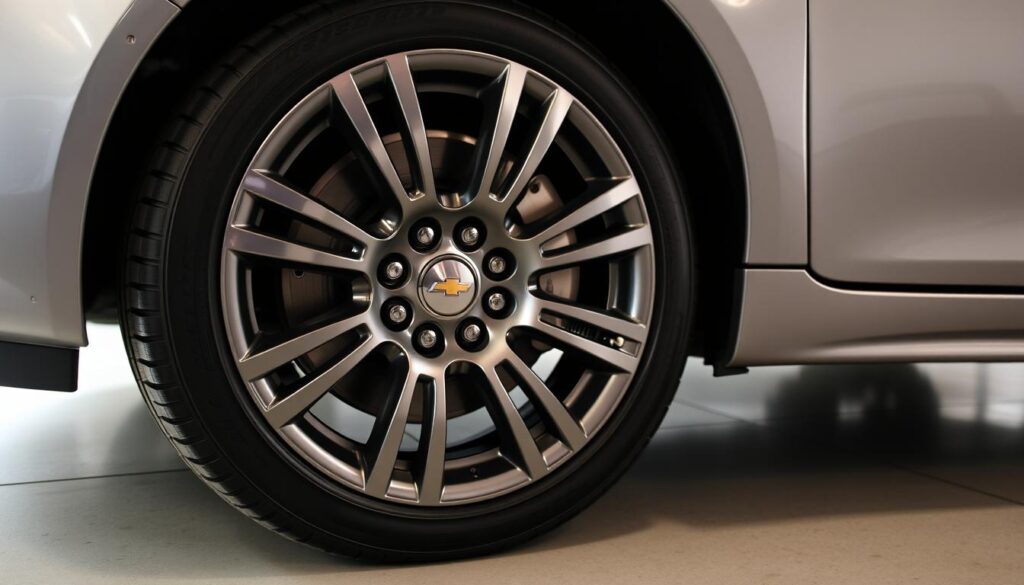
Changing the wheel position or using non-factory wheels can solve clearance issues or give a different look. Drivers should consider the benefits of spacers and adapters. They must also think about their effects on wheel load, stud engagement, and safety. Knowing the chevy cruze bolt pattern and chevy cruze lug pattern before making any changes is important for safety and practicality.
When to use wheel spacers or adapters and safe installation practices?
Spacers are used to push wheels outward for clearance from calipers, control arms, or fenders. Adapters are used when converting bolt centers so a wheel with a different PCD can mount to the car. Choose hub-centric spacers that match the hub bore to keep the wheel centered.
Follow these steps for installation: check if the chevy cruze bolt pattern and chevy cruze lug pattern match or need conversion; ensure spacer thickness keeps at least the factory thread engagement; use grade-rated hardware; apply thread locker only when specified.
Effects of spacers/adapters on load and stud/bolt torque
Spacers increase the lever arm on studs and bearings. This rise in leverage raises bending stress on studs and wheel bearings. This may shorten component life under heavy loads or frequent driving on rough roads.
Longer studs or wheel bolts can restore proper thread engagement when adapters are used. Always follow the minimum thread engagement recommended by the vehicle or hardware manufacturer. Re-torque after 50–100 miles and recheck periodically as added leverage can loosen fasteners over time.
Local regulations and vehicle inspection considerations in the United States
State rules vary on wheel modifications. Some inspection stations flag large spacers or bolt-pattern adapters as material changes that need documentation or may fail safety checks. Insurance policies can require disclosure of major wheel modifications.
Before buying adapters or aggressive spacers, check state inspection guidance and insurance requirements. Keep invoices and manufacturer specs for hardware on the vehicle to show compliance during an inspection.
| Topic | Practical guidance | Key checks |
|---|---|---|
| Spacer vs adapter | Spacer increases offset; adapter changes bolt pattern | Confirm chevy cruze bolt pattern, wheel PCD, and hub bore |
| Hardware selection | Use hub-centric, grade-rated spacers and studs | Verify material, thickness, and minimum thread engagement |
| Torque and maintenance | Follow factory torque, re-torque after initial miles | Check torque, retorque schedule, inspect for fatigue |
| Load and wear | Expect increased bending loads on studs and bearings | Monitor wheel bearings, studs, and suspension for wear |
| Legal and inspection | Some states require inspection or documentation | Check local DMV/inspection station and insurance policy |
Comparing Cruze bolt pattern to other Chevrolet models for wheel interchangeability
The Chevrolet Cruze from 2012–2014 has a 5×4.25 inch (5×105 mm) bolt pattern. This is the starting point for any wheel swap. But, matching the bolt pattern alone is not enough for a safe fit.
Which models share the 5×4.25 inch (5×105 mm) bolt pattern?
Many small GM and Opel models have used 5×10⁵ in different years. Some Opel Astra and Vauxhall models in Europe and certain Chevrolet models on the same platforms are examples. Always check the year and submodel before assuming it will fit.
Compatibility caveats: hub bore, offset, and brake clearance differences
Even with the same bolt pattern, fitment can fail due to different hub bore sizes. A larger center bore fits with hub-centric rings. A smaller bore might need machining or won’t fit at all.
Wheel width and fitment affect fender clearance and can change the vehicle’s track. If the offset is wrong, it can cause rubbing, change steering feel, or interfere with suspension.
Brake caliper and suspension geometry differ between models. A wheel that fits one car’s brakes might hit another’s caliper, rotor, or strut.
Practical examples of wheels that may be swapped between models
Practical swaps happen when bolt pattern, hub bore, offset, and width match. For example, an Opel wheel with 5×10⁵ and similar center bore might fit a Cruze if the offset is right. Use hub rings if the bore is larger and check vendor charts for rotor clearance.
When looking at wheels from other Chevrolets, compare bolt pattern, fitment, and offset. Measure before buying and keep the original lug hardware for safety.
Measuring and verifying bolt pattern, offset, and hub bore step-by-step
Getting accurate measurements saves time and money when picking wheels. This guide will show you the tools, steps, and a checklist. It helps confirm the chevy cruze bolt pattern, hub bore size, and wheel specs before you buy or install them.
Here are the tools you’ll need:
- Digital calipers for hub bore and stud center measurements.
- Straightedge and tape measure to check offset and rim lip alignment.
- Bolt-pattern gauge or template for PCD verification.
- Calibrated torque wrench for installation and final checks.
How to measure a 5-lug bolt pattern accurately:
- Find one stud and measure from its center to the outer edge of the next two studs. Use calipers for precision.
- Convert the result to inches and millimeters. For Cruze wheels, it should be 4.25 in or 105 mm, matching the standard.
- Use a bolt-pattern gauge or template to avoid errors from angled studs or damaged threads.
Measuring hub bore and verifying fit:
- Measure the internal diameter of the wheel center bore with digital calipers. Record the size and compare it to the hub flange diameter.
- If the wheel bore is larger, plan for hub-centric rings made from aluminum or ABS to center the wheel.
- If the bore is smaller, don’t force the wheel. Wheels must fit without modification to avoid stress on studs.
Offset check method:
- Place the wheel face-down on a flat surface. Use a straightedge across the rim lip and measure from the straightedge to the wheel mounting pad centerline.
- Calculate offset (ET) from that measurement or confirm vendor-stamped ET against your vehicle’s recommended range in the chevy cruze wheel specs.
- Ensure the offset keeps the tire within fender clearance and away from brake calipers.
Pre-purchase fitment checklist:
- Confirm bolt pattern is 5×10⁵ (5×4.25 in) and compatible with your lug type.
- Verify offset (ET) falls within the OE range or the vendor’s acceptable min/max to prevent rubbing.
- Check chevy cruze hub bore size or plan for hub rings if needed.
- Confirm overall tire/wheel diameter stays within ±3% of original to preserve speedometer accuracy and ABS function.
- Inspect caliper and suspension clearance; measure stud engagement depth when planning spacers or adapters.
- Match lug nut seat type to the wheel and prepare to use manufacturer torque values with a calibrated torque wrench.
Quick verification steps before installation:
- Place the wheel on the hub without lug nuts to confirm center bore alignment.
- Hand-thread one lug, then fit remaining lugs to check stud engagement and seating.
- Torque lugs in the recommended cross pattern to specified Nm or ft-lbs and recheck after a short drive.
Wheel mounting best practices and maintenance for Chevrolet Cruze owners
Keeping wheels safe and lasting long is key. Follow a simple, consistent process for mounting wheels. Also, set up a regular check-up schedule. Remember to check torque values, the chevy cruze lug pattern, and how wheel size changes affect fit.
Proper wheel installation sequence and torque values reminder
Begin by cleaning the hub and mating surfaces. Hand-tighten lug nuts to avoid cross-threading. Use a star pattern for 5-lug wheels to ensure even seating.
Then, tighten in three stages: snug, intermediate, and final with a torque wrench. Check the owner manual for torque values, in Nm or ft-lbs. Make sure to convert units if needed. Keep a record of torque values for consistent maintenance.
Periodic checks: retorque schedule and wheel bearing/fastener inspection
Retighten wheel fasteners after the first 50–100 miles. Recheck at each oil change or seasonally. Always verify torque after reinstallation if a wheel is removed.
Look for wear, corrosion, or damage on wheel studs, lug nuts, and bearings. Replace any damaged parts. This ensures good handling and correct fitment of the chevy cruze lug pattern.
Storing wheels and caring for aftermarket finishes to prevent corrosion
Keep wheels in a cool, dry place, away from sunlight and road salt. Clean aftermarket finishes with pH-neutral cleaners. Rinse off brake dust often, more so in winter.
Use wheel bags or stack on pallets to avoid rim damage during off-season storage.
| Task | When to do it | Why it matters |
|---|---|---|
| Retorque fasteners | 50–100 miles after install, then each oil change | Prevents loosening, maintains safe clamping force |
| Inspect bearings and studs | Seasonally or with unusual noise/vibration | Detects wear that affects handling and wheel retention |
| Clean finishes | Weekly in winter, monthly elsewhere | Prevents corrosion and keeps aftermarket finishes like chrome or powder coat intact |
| Verify fitment | Before mounting new wheels | Ensures correct chevy cruze wheel size, offset, and lug pattern fit |
Conclusion
This guide shows that 2012–2014 Chevrolet Cruze models need a 5×4.25 in (5×105 mm) bolt pattern. It’s key to match bolt pattern, hub bore, offset, and lug seating for safety and quality. The article also talked about lug torque, hub-centric rings, and spacers.
Next, measure your wheels with calipers and a straightedge. Check the OEM fitment tables for your Chevy Cruze’s trim. Make sure the rims fit before you buy. Use hub-centric rings or spacers only when needed, and always use a calibrated torque wrench.
If you’re unsure, talk to a dealer or a trusted wheel specialist. They can help confirm fitment and compatibility. This avoids expensive mistakes, improves handling, and keeps your vehicle safe. Always measure, compare, and confirm before buying or installing new wheels.
FAQ
What is the factory bolt pattern for 2012–2014 Chevrolet Cruze models?
The 2012–2014 Chevrolet Cruze has a 5-lug 4.25 inch PCD. This is listed as 5×4.25 in or 5×105 mm. It’s the official OE specification.
What does 5×4.25 in (5×105 mm) mean?
The first number, “5,” shows the number of lug holes. The second value is the diameter of the circle through the lug centers. It’s 4.25 inches or 105 mm. This is how bolt patterns are usually shown.
How should I measure a 5-lug bolt pattern correctly?
To measure a 5-lug wheel, start from the center of one stud to the far edge of the third. Or use a bolt-pattern gauge. Don’t mix inches and millimeters or measure stud-edge-to-edge. Digital calipers or a wheel gauge help avoid mistakes.
What is the Cruze hub bore and why does it matter?
The OE hub bore is in manufacturer charts and ensures the wheel fits right. A matching center bore prevents runout and vibration. If the wheel’s bore is bigger, use hub-centric rings to fit.
When is hub-centric fitment preferred over lug-centric fitment?
Hub-centric fitment is better for the Cruze because it centers the wheel. This reduces runout and uneven wear. Lug-centric fitment works if tolerances are tight, but it might cause minor misalignment and vibration.
What wheel offset does the Cruze use and how does offset affect fitment?
The Cruze often uses a high positive offset. Offset is how far the wheel’s mounting face is from its centerline. Positive offset moves the wheel toward the suspension. It affects scrub radius, fender clearance, and handling. Staying close to OEM offset ranges is best to avoid rubbing or altered steering geometry.
Can I install aftermarket wheels on a Cruze and what specs must I match?
Yes, you can install aftermarket wheels on a Cruze. Match the bolt pattern (5×10⁵), center bore, and offset within a good range. Also, make sure the diameter and width fit with brakes and fenders. Use the correct lug-seat type. The overall tire diameter should be within ±3% of OE to keep speedometer accuracy and clearance.
Do spacers or adapters work to fit different wheels, and are there safety concerns?
Spacers can change the effective offset and provide clearance. Adapters change the bolt pattern. Use high-quality, hub-centric spacers and ensure stud thread engagement. Longer studs might be needed. Spacers/adapters increase leverage on studs and bearings, so follow torque and retorque practices. Also, check local vehicle inspection rules in the U.S.
What torque should I use for Cruze wheel nuts and how do I apply it?
The manufacturer specifies the torque value in Nm or ft-lbs. Check the Cruze owner manual or dealership for the exact number. Use a calibrated torque wrench, tighten in a star pattern, and apply torque in stages. Recheck torque after 50–100 miles (80–160 km).
How do I calculate spacer thickness to move a wheel outward by a certain amount?
Spacer thickness equals the desired change in offset. For example, to move the wheel outward 10 mm, use a 10 mm spacer. Consider hub-centric design, stud engagement, and bearing load before installing. Avoid excessive thickness that reduces safety.
Which aftermarket wheel sizes commonly fit the Cruze without modification?
Many aftermarket wheels in 15–18 inch diameters with a 5×10⁵ bolt pattern fit the Cruze directly. Check the OE rim diameters for your trim. Verify brake caliper and hub clearance before buying.
Are wheels from other Chevrolet models interchangeable with the Cruze?
Bolt pattern alone doesn’t guarantee interchangeability. Only wheels with 5×10⁵ may bolt on. But hub bore, offset, width, and brake clearance must match or be adapted safely. Always verify these specs and use hub rings or spacers as needed.
What tools do I need to measure and verify fitment before buying wheels?
You’ll need digital calipers for hub bore and stud measurements. A straightedge and tape measure are for offset checks. A bolt-pattern gauge or template and a calibrated torque wrench are also essential. Use these to confirm the bolt pattern, center bore, and offset.
What are the common installation and maintenance best practices for Cruze wheels?
Start lug nuts by hand, then tighten in a star pattern in stages. Torque to the manufacturer’s spec and retorque after 50–100 miles. Inspect studs, lug nuts, and bearings regularly. Clean wheels with pH-neutral products and store them dry to prevent corrosion.