Complete Chevy Volt Service Guide: Maintenance & Diagnostics
Owning a plug-in hybrid electric vehicle (PHEV) like the Chevy Volt requires a shift in how you view vehicle maintenance. While you no longer have to worry about frequent oil changes and traditional transmission issues, maintaining the health of your high-voltage battery and electric drivetrain takes center stage. Proper maintenance is essential not only for keeping the vehicle on the road but also for maximizing your electric range and protecting the investment you made in green technology.
Unlike standard gas-powered cars, the Chevy Volt features a unique combination of an internal combustion engine and a sophisticated electric propulsion system. This means your service needs are dual-natured. You must manage traditional automotive fluids alongside advanced electrical components that demand specialized care.
This guide will walk you through everything you need to know about Chevy Volt service, from understanding complex wiring color codes to managing routine maintenance schedules. By the end, you will be equipped to handle basic diagnostics, know exactly when to call a professional, and keep your Volt running smoothly for years to come.
The Chevy Volt’s Electrical System
Electric vehicles naturally have much more complex wiring systems compared to traditional internal combustion engines. In a Chevy Volt, natural language processing (NLP) diagnostic tools used by advanced technicians often parse through thousands of data points generated by these complex electrical circuits to pinpoint exact faults. But for a DIYer, understanding the basic wiring color codes is a critical first step.
Chevy Volt Wiring Color Codes
Whether you are diagnosing a faulty tail light or wiring a 7-way round trailer harness, identifying the correct wires is essential. While you should always verify with a multimeter, the standard Chevy Volt wiring color codes are:
- Tail lights and running lights: Brown
- Turn signals and brake lights: Green (Right) and Yellow (Left)
- Ground wire: Black/White or solid White
- Auxiliary 12V power: Red or Black (found in 7-way round harnesses)
- Electric brakes: Blue (found in 7-way round harnesses)
- Reverse lights: Purple (found in 7-way round harnesses)
💡 Pro Tip: Always use a 12V test light or multimeter before cutting or splicing any wires. Confirming the circuit function prevents blown fuses and expensive damage to the Body Control Module (BCM).
Why is understanding these codes so crucial? A bad ground wire (White) on a tail light can cause hyper-flashing or trigger dashboard warning lights. Knowing exactly which wire handles which function allows you to troubleshoot electrical anomalies safely without compromising the high-voltage system.
Routine Maintenance for Your Chevy Volt
Even though the Chevy Volt requires less frequent maintenance than a traditional car, sticking to a routine schedule is vital.
High-Voltage Battery and Fluid Care
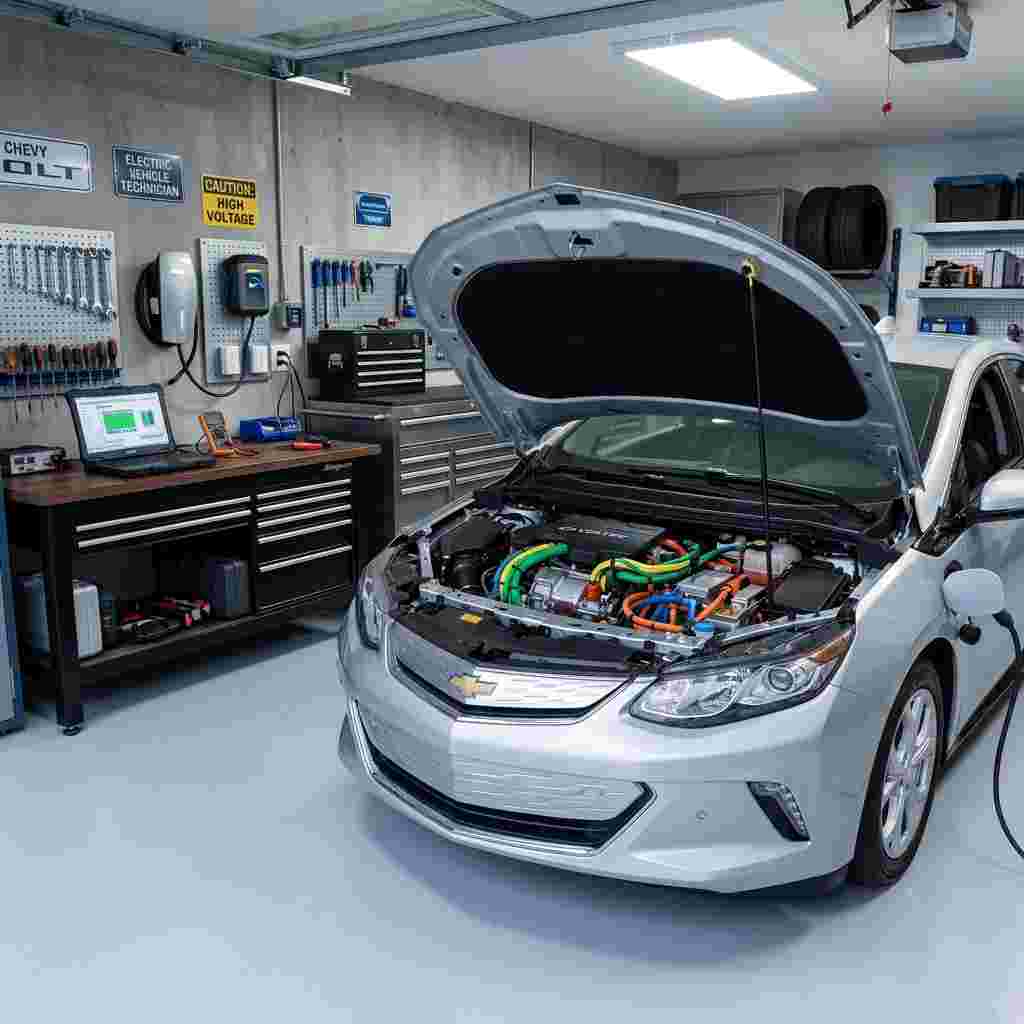
The high-voltage battery is the heart of your Volt. Keeping it cool is critical for longevity. The Chevy Volt utilizes three separate coolant loops (one for the battery, one for the power electronics, and one for the engine).
- Coolant Flush: It is highly recommended to flush and replace the ACDelco Dex-Cool 50/50 premix coolant in these loops every 5 years or 150,000 miles to prevent battery degradation.
- Oil Changes: Because the gas engine runs less frequently, oil changes are typically only required every 2 years or when the oil life monitor dictates.
Regenerative Braking System
The Volt’s regenerative braking system captures kinetic energy to recharge the battery, meaning the physical brake pads wear out much slower than on a standard car. However, you still need to check the brake fluid regularly and inspect the pads/rotors for rust, as lack of use can cause corrosion buildup.
Tires and Suspension
Electric vehicles are heavier than traditional cars due to the battery pack, which increases tire wear. Rotate your tires every 7,500 miles and regularly check alignment to ensure optimal electric range and prevent uneven tread wear.
Common Chevy Volt Service Issues
Despite its reliability, the Chevy Volt has a few well-documented issues that owners should watch out for.
The “Shift to Park” and BECM Problems
One of the most common issues on the Gen 2 Chevy Volt (2016-2018) is the Battery Energy Control Module (BECM) failure. Symptoms often include the vehicle refusing to start, an illuminated check engine light, or a zero-mile EV range display.
Another notorious problem is the “Shift to Park” message on the dashboard, even when the car is physically in park. This is typically caused by a faulty microswitch inside the shifter assembly.
Charging and Electrical Anomalies
If your Volt refuses to charge, the issue could range from a degraded 12V battery (which controls the computer systems that initiate charging) to a faulty charging port. If you experience erratic lighting behavior, refer back to the wiring color codes and check your ground connections, as a loose ground can cascade into larger electrical faults.
✔️ Ensures Better Results:
Always start troubleshooting electrical issues by testing the standard 12V battery in the trunk. A dying 12V battery is the root cause of many strange electrical anomalies and charging errors in the Volt.
DIY vs. Professional Service
Knowing when to grab your tool bag and when to call a tow truck is critical when owning an EV.
When to DIY
Tackle basic tasks yourself to save money. This includes replacing cabin and engine air filters (recommended every 4 years), swapping out wiper blades, checking fluid levels, and replacing basic lighting components using the color codes provided above.
When to Seek a Professional
Do not attempt to service the high-voltage battery, the orange high-voltage cables, or the complex internal drive units. If your BECM fails or you need a triple coolant loop flush, take your car to a certified GM EV technician. The risks of improper EV service include severe electrical shock and catastrophic damage to the vehicle’s propulsion system.
Tools and Resources for Volt Owners
Equipping yourself with the right tools makes Volt ownership much easier.
- Essential DIY Tools: A high-quality digital multimeter, an OBD2 scanner, and a basic socket set are must-haves for reading codes and checking 12V electrical connections.
- Diagnostic Equipment: Consider an EV-specific OBD2 scanner paired with apps like MyGreenVolt to read battery cell voltages and track degradation.
- Online Communities: Forums like the GM-Volt forum and the r/volt subreddit are goldmines of information for troubleshooting niche problems and finding DIY repair guides.
- Service Manuals: Invest in an official OEM service manual for exact torque specs, wiring schematics, and detailed disassembly procedures.
The Future of Chevy Volt Maintenance
As EV technology continues to evolve, the way we maintain vehicles like the Chevy Volt will shift. AI and natural language processing are already being integrated into advanced dealership diagnostic tools, allowing technicians to query vehicle data systems naturally to identify degrading components before they fail.
While the Volt is no longer in production, its robust engineering means that with proper care, its components have excellent sustainability and longevity. Proactive maintenance is the key to ensuring your Volt stays out of the scrapyard and on the road.
Extending the Life of Your Volt
Maintaining a Chevy Volt bridges the gap between traditional auto repair and modern electrical engineering. By understanding your vehicle’s complex wiring color codes, staying on top of the unique three-loop coolant flushes, and knowing how to handle common issues like the BECM failure, you can drastically reduce your repair bills.
Be proactive with your maintenance schedule, invest in a good multimeter and OBD2 scanner, and never hesitate to consult a certified EV professional when dealing with high-voltage components. Your Chevy Volt is an incredible piece of technology—give it the care it deserves, and it will reward you with years of efficient, electrified driving.