
GMC Canyon vs Chevy Colorado Comparison Review
Stuck deciding on your next truck? You aren’t alone. The GMC Canyon vs Chevy Colorado comparison is one of the most common dilemmas for truck buyers today.
Whether you are looking for the off-road prowess of the ZR2 and AT4X or simply need a reliable daily workhorse, we’ve compared every detail to help you make the right choice.
GMC Canyon vs Chevy Colorado: Quick Overview of What’s the Same
Both midsize trucks share the same underlying architecture and powertrain, so their core performance and capability closely match. This shared DNA means big-ticket items — frame, suspension layout, and major mechanical parts — are aligned across the lineups.
Powertrain basics: each model uses the 2.7L TurboMax turbocharged inline-four paired with an 8-speed automatic transmission. The turbo engine brings strong low-end pull, and the 8-speed transmission shifts smoothly for daily driving and towing.
Both vehicles seat five adults comfortably. Published dimensions overlap (about 213.2 in length and 84.4 in width; front legroom ~45.2 in; rear legroom ~34.7 in), so real-world space and garage fit stay consistent between models.
- What this means: If power, footprint, and basic usability are priorities, treat the choice as a matter of trim and finish rather than mechanics.
- Service and reliability expectations are similar because major parts are shared.
| Feature | Shared Detail | Buyer Impact |
|---|---|---|
| Platform | Same chassis and structure | Similar ride and handling |
| Engine | 2.7L TurboMax turbo inline‑four | Strong low‑end torque for towing |
| Transmission | 8‑speed automatic | Smooth shifts for daily use |
| Interior space | Seats 5; comparable legroom | Fits adults comfortably |
Why GM Sells Two Nearly Identical Midsize Trucks?
Selling two similar midsize pickups lets GM offer clear choices in price and presentation while sharing the same mechanicals.
Chevrolet and GMC brand positioning in the U.S. market
One brand is built for everyday work and value-focused buyers. The other leans upscale and aims to feel premium even with the same bones under the skin.
What this means: trims, materials, and standard content differ to match buyer expectations.
Entry price points and the value vs premium choice
Base pricing for 2025 highlights the gap: one model starts at $31,900 while the other begins at $38,400.
That pricing gap matters for fleets and budget shoppers. Shoppers who want the most features per dollar often start with the lower-priced model. Buyers seeking a refined cabin and premium packaging often choose the higher‑starting model.
Dealership footprint strategy and shopper impact
Separate dealerships increase showroom access. More nearby locations can mean more inventory, easier test drives, and competitive deals in many markets.
- Quick decision shortcut: pick the lower-cost route for value; pick the higher-starting route for extra finish and standard features.
| Area | Mainstream | Premium-leaning |
|---|---|---|
| Positioning | Work/value | Refined image |
| Base price | $31,900 | $38,400 |
| Showroom effect | Broad appeal | Upscale presentation |
Exterior Styling Differences: Front, Rear, Wheels, and Packages
Look at the grille, headlights, and bumpers and you’ll pick up the styling intent right away.
Front fascia: visual cues that define tone
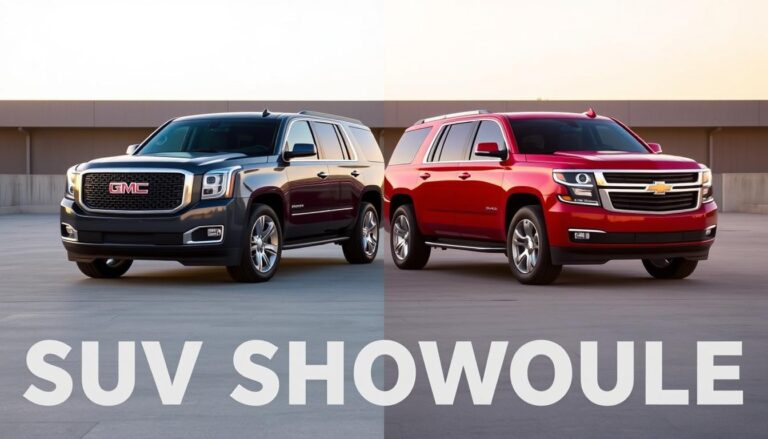
The X-shaped grille with narrow headlamps gives one model a sharper, more premium face. The other shows a T-style grille and larger lights that read more practical and brawny.
Quick takeaway: grille shape and headlight signature are the fastest visual tells.
Rear details that matter
Tail lights, rear bumper shape, and tailgate design differ enough to affect daily use. A stepped bumper or different tailgate profile can change how accessories sit and how the bed is loaded.
Wheels, paint, and package-driven looks
Wheel designs and paint choices shift personality from work to weekend. Trim-specific packages add either brightwork for an upscale side or darker, rugged trim for a trail-ready look.
Off-road appearance cues
Skid plates, beefier bumpers, and aggressive tire setups signal off-road intent. Those options available usually mirror real hardware, but buyers should check capability specs before assuming capability.
- Selection tip: If you want a distinct driveway presence, let styling guide the pick since cab proportions are similar.
| Area | Premium-leaning | Rugged-leaning |
|---|---|---|
| Front | X-style grille, narrow lights | T-style grille, larger headlights |
| Rear | Refined tailgate lines | Practical bumper shapes |
| Wheels | Polished alloy options | Matte black, all-terrain wheels |
Interior, Comfort, and Technology Features Compared
Step into either cab and the layout feels familiar: an 11.3-inch center touchscreen sits above a clear digital driver display, making basic controls easy to find.

What matches: screen placement, cluster layout, and the general interface logic are shared, so drivers move between models without a learning curve.
Where they differ: one model leans on softer materials like vegan leather and natural-wood accents. The other stays more utilitarian with durable finishes and easy-clean surfaces.
Infotainment and useful upgrades
Both offer wireless Apple CarPlay and Android Auto. The premium variant adds built-in Google-based infotainment that reduces phone dependence for navigation and voice control.
- Real-world upgrades: Bose audio, a head-up display, and wireless charging change daily usability.
- Upper trims include heated and ventilated seats for varied climates, improving long-commute comfort.
| Area | Premium-leaning | Functional-leaning |
|---|---|---|
| Materials | Soft-touch vegan leather, wood trim | Durable cloth and hard-touch plastics |
| Infotainment | Google-based system + wireless mirroring | Wireless Apple CarPlay/Android Auto |
| Comfort | Heated/ventilated seats, Bose option | Heated seats on select trims |
Buying tip: treat comfort and tech as deciding factors if this vehicle is a daily driver. The nicer cabin often justifies the premium for longer commutes and more time on the road.
Performance, Towing, and Off-Road Capability
When you press the pedal, the shared turbo engine delivers 310 hp and 430 lb-ft of torque. That torque is the usable “pull” that helps merging, climbing grades, and moving trailers without lugging the engine. In short drives and heavy loads, the result feels stronger than a four-cylinder might suggest.
Power delivery and practical advice
430 lb-ft aids low-end grunt. For buyers who tow, that means smoother on-ramps and less downshifting on hills. Match trailer weight, passenger load, and bed cargo when checking towing capacity.
Ride quality and suspension tuning
Suspension tuning defines comfort vs capability. A street-biased setup soaks pavement better. An off-road setup trades some on-road polish for better control over rocks and ruts.
Off-road trims and hardware
Trim intent varies: Trail Boss offers an accessible off-road package. Higher-level builds like AT4X and models with Multimatic DSSV dampers focus on serious trail performance. The AEV Edition adds large 35-inch tires, beadlock-capable wheels, and steel skid plates for aggressive use.
Trail tech and towing tools
ProGrade Trailering System and trailer-assist features make hitching and backing up less stressful. Integrated cameras and guidance reduce guesswork for less-experienced towers.
- Selection tip: pick the premium trail hardware if you need trail capability; choose the integrated towing tech if you tow frequently.
| Area | What to expect | Buyer impact |
|---|---|---|
| Engine output | 310 hp / 430 lb-ft | Strong low-end pull for towing and passes |
| Suspension | Street-tuned or DSSV off-road dampers | Comfort vs control trade-off |
| Off-road hardware | Locking diffs, 35″ tires, skid plates | Improved traction and obstacle clearance |
| Towing tools | ProGrade system, trailer-assist cams | Better confidence and easier hookups |
Trims and Pricing: Elevation vs WT, Denali vs ZR2, and Everything Between
Trim choices and sticker figures shape who each model suits — from no-frills work duty to luxury-focused daily driving or rugged trail builds.
GMC Canyon trims explained
The higher-starting line leans into fewer, well‑equipped trims. Elevation covers daily driving with solid standard content. AT4 targets off-road buyers with tougher suspension and protection. For buyers who want refined materials and added features, Canyon Denali delivers a luxury-leaning cabin and extra finish.
Chevrolet Colorado trims explained
The other lineup spans a wider ladder. WT is fleet/work focused. LT adds comfort and tech. Trail Boss and Z71 bring different off-road flavors. ZR2 is the hardcore trail model with serious hardware.
Base price gap and picking by use
With a roughly $6,500 base price gap, the higher starting amount buys more standard equipment and upscale presentation — not a different engine. Match the trim to real needs: rugged interiors for worksites, quiet cabins and tech for commutes, and clearance/traction upgrades for weekend adventures.
| Buyer Type | Recommended Trim | Why |
|---|---|---|
| Work | WT / Elevation | Durable finish, lower buy-in |
| Commute | LT / Denali | Comfort, sound insulation, tech |
| Trail | AT4 / ZR2 | Clearance, tires, locking diffs |
Conclusion
For most buyers, the real choice is about trim, finish, and features—not the underlying mechanics. These two midsize trucks share chassis, transmission, and engine fundamentals, so performance gaps are minor.
Pick the model that matches your priorities. Choose the one with the right price ladder and option packs if you want more trim flexibility. Opt for the more upscale finish if cabin materials and quietness matter most.
Before buying, do a short test-drive checklist: sit in both cabs, judge seating comfort and visibility, try the infotainment flow, and tow a trailer if you plan to haul. Confirm how the exterior and interior details feel day to day.
With a clear use-case—work, commute, or trail—drivers can confidently match features to needs and avoid paying for extras they won’t use.
FAQ
Are these two midsize pickups built on the same platform?
Yes. Both share the same unibody platform, many chassis components, and core powertrains, which means similar handling, interior space, and parts commonality for owners and repair shops.
What engine and transmission are standard across the lineup?
The base setup for many trims is the 2.7L Turbo four paired with an 8-speed automatic. That combination balances fuel efficiency with strong low-end torque for towing and daily driving.
How similar are the cabin layouts and tech features?
The cabs use the same basic dash architecture and screen locations. Differences appear in trim-specific material choices, available audio systems, and software features that give one model a more premium feel on higher trims.
Why does General Motors sell two near-identical trucks instead of one?
GM positions the two brands differently: one targets buyers seeking a value-oriented work truck, the other aims at shoppers who want premium styling and dealer experience. This lets the company reach more customers without redesigning two completely separate vehicles.
What exterior differences should buyers notice at quick glance?
Look for distinct front-end styling, grille shapes, and badging, plus trim-specific wheel designs and paint options. Bumpers, skid plates, and off-road accessories also differ on rugged trims to signal capability.
Which off-road trims and packages are available for serious trail use?
Both brands offer factory off-road variants. Expect lifted suspension, all-terrain tires, locking differentials, and upgraded skid protection on the top off-road models, plus specialized shock tuning on some editions.
How do towing and payload numbers compare between the two trucks?
Maximum towing and payload are similar when equipped with the same engine, axle ratio, and towing package. Exact figures vary by trim, bed length, and options, so check spec sheets for the precise configuration you plan to buy.
Are advanced towing aids and driver assists available?
Yes. Features like trailer-sway control, integrated brake controllers, camera views for hitching, and advanced trailering software are available on higher trims or optional packages to simplify towing tasks.
How large is the price gap and what justifies higher cost on premium trims?
Entry prices are close, but premium trims add luxury materials, upgraded audio, more driver assists, and cosmetic enhancements. The higher price reflects these comfort and convenience upgrades plus different dealership markups.
Which trim is best for work versus weekend adventure use?
For work, choose base or mid-level trims with durable interiors and work-focused features. For weekend adventures, select off-road or premium trims that add suspension upgrades, all-terrain tires, and creature comforts like ventilated seats and advanced infotainment.