Chevy Where Is Transmission Control Module Located and How to Access It?
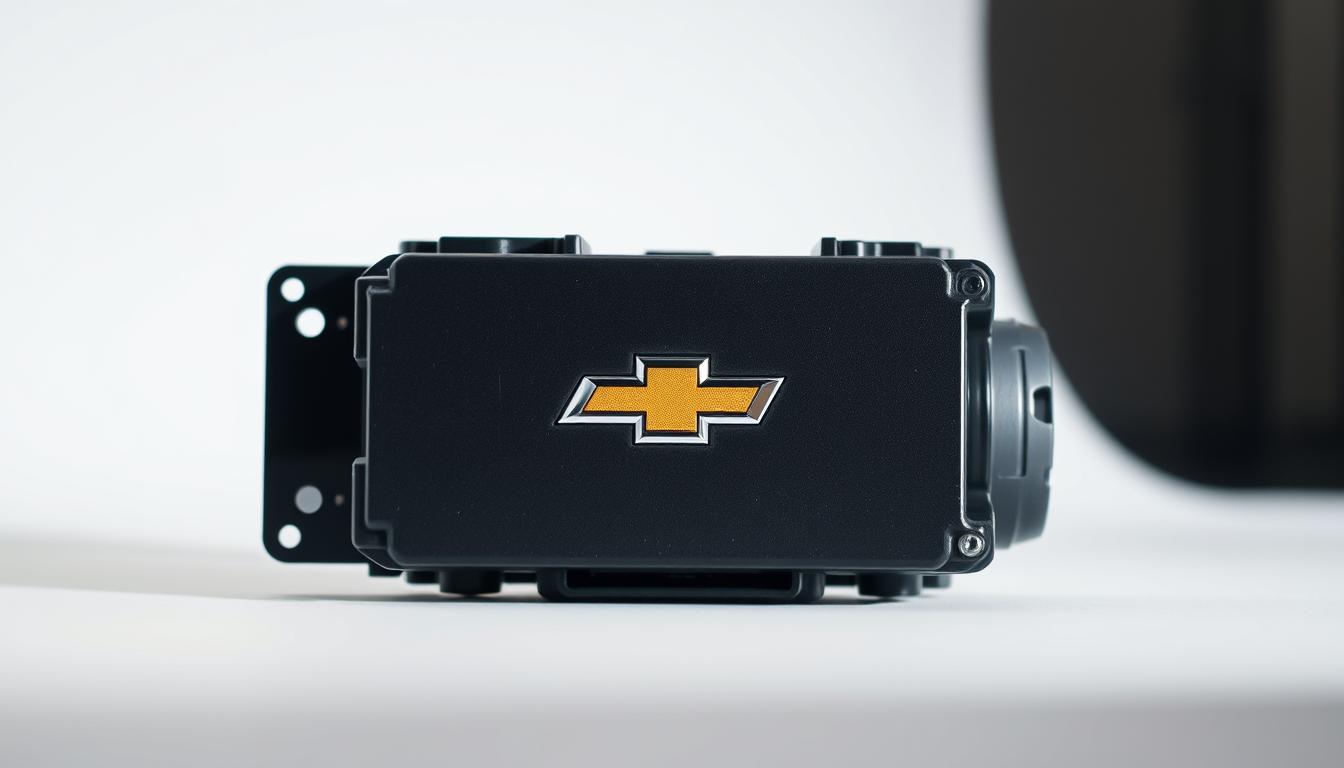
We helps Chevy owners and technicians find the transmission control module (TCM) location. It explains why knowing this is important for fixing problems. You’ll learn about Chevy TCM location patterns and how they affect repairs.
Chevrolet has different ways to mount TCMs. Some are under the left side of the dashboard, like in the 2014 Chevrolet Spark CVT. Others are near the firewall, battery, or inside the valve body. This variety means chevy TCM location can change even in the same model.
We will show you common places for TCMs and give examples like Silverado and Malibu. You’ll also learn about inspection tips, symptoms, and costs. It will help you find the chevy transmission computer placement for your vehicle and guide you on what to do next.
Understanding the Transmission Control Module and Why Its Location Matters?
The transmission control module is a small but vital part of a vehicle. It decides when to shift gears and how hard to press the shift. It also talks to other parts of the car to keep everything running smoothly.
What the TCM does and why drivers should care?
The chevy TCM controls gear changes and looks at speed, throttle, and brake signals. When it works right, shifting is smooth and fuel use is good. But if it fails, you might see weird shifting, limp mode, or warning lights.
How TCM placement affects access, diagnostics, and repairs?
The location of the chevy transmission module affects repairs. If it’s easy to get to, fixing it is quicker and cheaper. But if it’s hidden, repairs take longer and cost more.
Differences between TCM, ECM, and other control units
The engine control module deals with fuel, ignition, and emissions. The transmission control module handles the gears. Knowing which one has a problem helps avoid mistakes and saves money.
Always check the service manual for your car before working on the TCM. The location and setup can change from year to year.
Chevy where is transmission control module located?
Finding a Chevy transmission control module can save you time and money. It’s located differently based on the model, year, and transmission type. Drivers often look for the TCM in a few common spots.
Overview of common TCM mounting areas
Technicians usually find the module on the transmission housing or valve body. Some newer 8- and 10-speed transmissions have it inside the case. It can also be near the engine, battery, or under the dashboard.
Why the same brand can have multiple TCM locations across models and years?
Chevrolet uses various transmissions, like 4L60E, 6L80, CVT, and 8-/10-speed. Each type has its own design, leading to different module placements. Early models had the TCM outside for easier access. Now, it’s often inside the valve body for better reliability and space-saving.
Changes in electrical systems also play a role. Updates in wiring, CAN bus, and thermal management cause the TCM’s location to shift. This happens between model updates and batches.
How to confirm the TCM location for your specific VIN or service manual?
Begin with the factory service manual for your model and year. GM Technical Service Bulletins, like PI1039 for CVT, provide location details and procedures.
Use dealership parts lookups and VIN databases for TCM part numbers and locations. You can also visually check for a rectangular module with many connectors. Look near the driver-side firewall, on the transmission, under the center console, and under dash panels.
Make sure to confirm the location before buying parts or scheduling repairs. Internal TCMs need more disassembly, which can be costly. Correct identification prevents returns and delays due to unexpected locations.
Common Chevy Transmission Control Module Locations by Model and Year
Finding the transmission control unit can save a lot of time. The location of the chevy transmission module changes with each model and year. This section will show you where to look, based on the model and year of your car.
The engine bay and firewall are common spots for the module on the driver’s side. Older and mid-2000s Chevrolet cars often place it near the firewall. This makes it easier to cool and route the harness. It’s a common spot for sedans and full-size SUVs from that time.
Some models put the control electronics on or attached to the transmission housing or valve body. The 4L60E and similar units have the TCM or solenoid pack bolted to the case. Newer transmissions might have the control unit integrated into the valve body. This means you might need to drop the transmission to access it.
Some vehicles hide the module inside the passenger compartment. Look under the dash, beneath the center console, or beside the shifter on some Malibus and small cars. This keeps it safe from road debris but can make diagnostics harder if you need to remove console trim.
Here’s a table with common locations and changes by model year. It helps you find the chevy transmission module location for your vehicle.
| Model | Typical Years | Common TCM Location | Access Notes |
|---|---|---|---|
| Silverado 1500 | 1999–2006 | Transmission side near bell housing | Accessible from under truck; may require lift |
| Silverado 1500 | 2007–2013 | Engine bay near battery/fuse box | Easy engine-bay access; remove cover panels |
| Silverado 1500 | 2014–present | Integrated into valve body | Transmission removal often required |
| Malibu | 2004–2012 | Center console near shifter | Interior trim removal needed |
| Malibu | 2013–present | Mounted on transmission housing | Accessible from engine bay or underbody |
| Equinox | 2005–2017 | Near battery or attached to transmission | Check battery area first; some underbody access |
| Equinox | 2018–present | Integrated into transmission valve body | Service needs transmission drop in many cases |
| Tahoe | 2000–2014 | Driver’s side engine bay near firewall | Engine-bay panels removable for access |
| Tahoe | 2015–present | Inside transmission case | Dealer-level tools often required |
| Traverse | 2009–2017 | On top of the transmission (engine bay) | Accessible from above with basic tools |
| Traverse | 2018–present | Integrated in valve body | Transmission removal likely |
| Spark | 2014 (CVT example) | Under left side of instrument panel | Interior access; check for CVT labels near wiring |
Use the table as a guide. Always check the vehicle’s VIN-based service information or factory manual before starting repairs. The chevy TCM location can change with model updates and transmission variants.
How to Physically Locate the TCM: Step-by-Step Inspection Tips
Finding the transmission control module requires patience and a plan. Start with safety, then look for visual clues and simple steps to find it. These tips help locate the Chevy transmission control module, whether it’s under the dash, on the inner fender, or attached to the transmission.
Safety first
Always disconnect the negative battery terminal before starting. Wear eye protection and gloves when working under the dash or beneath the vehicle. GM service bulletins remind us to be careful with clips and plastics.
Visual cues to look for
Follow the large transmission wiring harness from the transmission toward the engine bay or cabin. The TCM is a small rectangular box with multi-pin connectors. Look for labels like CVT, TRAN, or part numbers.
Common mounting signs
Check behind the battery, near the fuse box, and on inner fender wells for modules on brackets. Under-dash placements are usually behind lower trim or kick panels on the driver side. Modules attached to the transmission may be visible from below or require dropping the pan to access the valve body.
When to remove trim panels?
Lower dash panels and center console trim are held by clips or screws. Pry gently with a trim tool to avoid breaking tabs. If the module sits behind a kick panel, remove screws first, then pull the panel free to expose connectors.
Accessing modules mounted to the transmission
Use ramps or a lift for safe underside work. Some chevy transmission computer placement locations allow access without removing major components. Other designs need the transmission pan or valve body removed. Do not loosen transmission fasteners without a repair manual or professional guidance.
Practical checks before disconnecting anything
Confirm the exact chevy TCM location for your VIN using a factory service manual or dealer data. Inspect connectors for corrosion and secure clips before unplugging. If unsure, consult a Chevrolet dealer or a trusted independent shop to avoid damage.
Symptoms That Indicate a Faulty TCM and Why Location Helps Diagnosis?
The transmission control module is a small but critical part of your car. When it starts to fail, you’ll notice it right away. Knowing where the chevy transmission control module is located helps technicians find and fix problems faster.
One clear sign of trouble is erratic shifting. A failing chevy transmission control module can cause harsh shifts, delayed engagement, or no shift at all. Some cars might drop into limp mode and stay in one gear to protect the drivetrain.
Warning lights are another early warning. A lit Check Engine or Transmission warning often comes with stored codes like P0700. Live data from the chevy TCM can show solenoid activity, shift timing, and gear request vs. actual gear. This helps pinpoint the problem to control logic or mechanical failure.
Other symptoms include gear slippage, poor acceleration, overheating warnings, and strange noises. If the TCM is tied into immobilizer or security systems, starting problems or intermittent stall events may appear.
Where the module is located can give clues about the problem. A unit under the dash is protected from road spray but can be affected by humidity or spills. A module in the engine bay or mounted to the transmission faces heat, vibration, and possible fluid exposure that can corrode connectors.
When the module sits inside the valve body, electrical faults are less likely the root cause. Hydraulic contamination, worn valve bores, or debris inside the transmission may be responsible instead. Knowing chevy where is transmission control module located points technicians toward fluid checks and internal inspections.
A methodical diagnostic plan speeds repair. Start with an OBD2 scan or a professional scan tool to read transmission-specific codes. Look at live PIDs for shift timing, line pressure, and solenoid commands to confirm chevy TCM involvement.
Next, perform a visual inspection at the module location. Check connector pins for corrosion, harness chafing, and signs of water intrusion. If the module is on the transmission, inspect the underside for leaks that could contaminate circuitry.
Use location-informed tests to avoid wasted parts. If codes and live data point to electrical faults and the module sits in a wet, corroded area, repairing connectors or replacing the chevy transmission control module may fix the issue. If the module is internal and pressure or hydraulic faults appear, focus on the valve body and fluid condition instead.
| Symptom | Likely TCM-Related Cause | Location-Clues to Check |
|---|---|---|
| Erratic or harsh shifting | Faulty solenoid commands or corrupted TCM software | Scan live data from chevy TCM; inspect engine-bay mounts for heat damage |
| Limp/safe mode (single gear) | Protective strategy from detected faults | Read codes (P0700, shift codes); check connectors and grounding near module |
| Check Engine/Trans light with P0700 | Communication failure between ECM and TCM or internal TCM fault | Verify wiring at module location; test CAN bus signals |
| Gear slippage or poor acceleration | Incorrect line pressure control or valve body wear | If chevy TCM is internal, inspect fluid and valve body; if external, test solenoids |
| Intermittent starts or immobilizer issues | Integrated security communication or module failure | Check module location for moisture or connector contamination |
Repair, Reprogramming, and Replacement Considerations Based on TCM Location
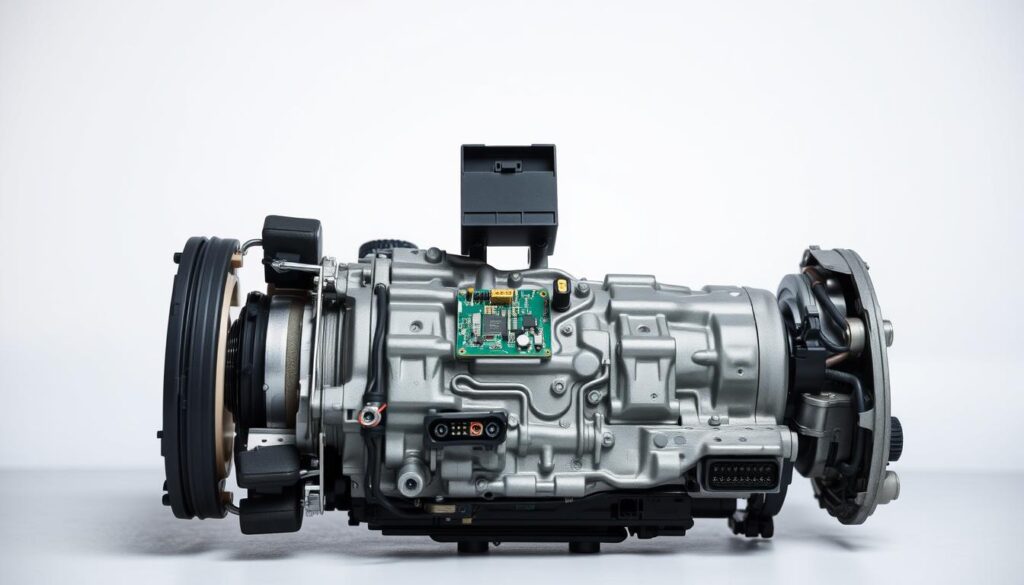
The location of a transmission control module affects repair, reprogramming, and replacement. Modules mounted outside are easier to get to. Those inside the transmission or valve body are more complex and costly.
When a TCM can be repaired or reprogrammed in-place versus removed?
Modules on the engine bay or transmission housing can be removed. Shops can test or reprogram these units with a laptop and adapter. Some techs can reflash the module without removing it.
Modules in the valve body or transmission need more work. They often require partial disassembly or a full transmission drop. In these cases, replacing the valve body assembly is common.
Typical costs for reprogramming and replacement in the United States
Reprogramming costs range from $50 to $300, depending on the region and shop. A new module can cost between $200 and $1,250. Remanufactured and aftermarket units are cheaper.
Total repair costs usually range from $300 to $1,100 or more. This includes labor and any extra parts.
Labor differences when TCM is inside transmission vs external mount
Modules mounted outside need less labor. Diagnosis and swap times are shorter. Internal mounts require more hours to access.
Internal mounts increase the risk of fluid contamination. They may also need extra testing after reassembly.
Dealer vs independent shop: tools, software, and immobilizer pairing
Dealerships have GM Tech 2 / SPS tools for updates and security programming. They can apply the latest calibrations. Independent shops offer lower rates but need the right tools and experience.
Confirm an independent shop can pair a new unit to the vehicle’s immobilizer. They should also program transmission calibrations for your model.
The table below compares common repair scenarios, typical cost ranges, and who usually performs each task.
| Repair Scenario | Typical Cost Range (USD) | Labor Complexity | Best Provider |
|---|---|---|---|
| In-place reflash of external TCM | $50–$200 | Low — connector access only | Independent shop or dealer |
| Bench repair or bench reprogram of removed TCM | $100–$350 | Moderate — remove and bench equipment needed | Specialized reman shop or dealer |
| Replacement of external TCM (parts + labor) | $300–$800 | Low to moderate — simple swap or minor wiring | Independent shop or dealer |
| Replacement of integrated TCM/valve body (partial transmission work) | $600–$1,250+ | High — pan removal, valve body or transmission drop | Dealer or experienced transmission shop |
| Full transmission removal for embedded TCM | $800–$2,000+ | Very high — full transmission drop and reassembly | Dealer or specialist transmission shop |
DIY vs Professional Service: Can You Access and Replace the TCM Yourself?
Many drivers consider DIY repair to save money. Finding the module is possible for skilled home mechanics. But, replacing it and ensuring it works right often needs dealer tools and steps.
Tasks feasible for experienced DIYers
Finding the chevy TCM location is easy with a flashlight and the service manual. You can also check for damage or corrosion. Simple resets and cleaning are safe for many owners.
Why professional programming is often required after replacement?
Swapping a chevy TCM often needs special programming. Without it, the transmission won’t talk to the engine right. Shops and dealers use special tools and software for this.
Steps for a safe DIY reset
There are two easy reset methods. Method A: turn the ignition to ON, press the accelerator hard for 10–15 seconds, then release. Turn the ignition OFF, wait 2–5 minutes, and start the car to test shifts. Method B: disconnect the negative battery terminal for 30–60 seconds, reconnect, let the engine idle, and check the shifts.
When to stop and call a professional?
Call a technician if the TCM is inside the transmission. Also, for complex electrical issues or trouble codes. GM bulletins suggest trained techs for these tasks.
- Do it: locate unit, clean connectors, perform basic resets.
- Skip it: internal transmission TCMs, reprogramming, complex wiring repairs.
Preventive Tips and Best Practices to Protect Your Chevy’s TCM
Knowing where the chevy transmission control module is helps owners keep it in good shape. Simple checks on fluids, seals, and wiring can prevent many problems. This way, you avoid seeing error codes too soon.
Regularly change the transmission fluid and filters. Clean fluid keeps contaminants away from the valve bodies and TCMs. Also, check seals and gaskets during service to catch leaks early.
Inspect wiring harnesses and connectors every few thousand miles. Fix any damage, clean corroded terminals, and replace damaged clips. Use new grommets to keep wiring safe from chafing and moisture.
Think about the environment where your chevy transmission computer is placed. For units in the engine bay or mounted on the transmission, make sure splash shields and brackets are in place. Avoid high-pressure washing near connectors to prevent water damage.
For modules under the dash, protect the interior from spills and humidity. Clean up liquids right away. Use liners or tray mats to catch drinks or work gear that might leak.
If you live in an area with road salt, rinse the undercarriage often. Salt can corrode connectors. During seasonal washes, check and protect exposed harnesses and module cases.
Keep your software up to date by having technicians scan for codes during service. Manufacturers release updates that improve shifting and fix bugs. Keep a record of software versions and reprogramming history for future use.
At each oil change, check the fluid level, condition, seals, connector tightness, and any error codes. This log, combined with knowledge of the chevy transmission control module location, makes repairs faster.
| Preventive Action | Why It Matters | Frequency |
|---|---|---|
| Transmission fluid & filter change | Prevents contamination that affects valve body and integrated modules | Every 30,000–60,000 miles or per owner’s manual |
| Wiring harness and connector inspection | Stops corrosion and chafing that cause intermittent faults | At least twice a year or after off-road/saline exposure |
| Seal, grommet, and shield check | Protects chevy transmission control module from moisture and debris | During scheduled service or after impact/underbody work |
| Interior spill prevention for under-dash units | Prevents liquid damage to modules located inside the cabin | Ongoing; clean spills immediately |
| Software scan and updates | Resolves known calibration issues tied to chevy transmission control module behavior | At major service intervals or when codes appear |
| Recordkeeping of replacements and software versions | Speeds future diagnostics and supports warranty claims | Every service that involves the transmission or control units |
Conclusion
Finding the chevy where is transmission control module located depends on the model and year. Chevrolet TCMs can be found in different places. They might be under the dash, in the engine bay, attached to the transmission housing, or part of the valve body.
The exact location of the chevy transmission control module varies. This means you should check the VIN or use the factory service manual to be sure.
Begin by looking at common places for the module and pulling OBD2 codes. This can help you find the problem. Try simple fixes like disconnecting the battery or using the ignition/gas pedal method for minor issues.
But remember, these are just temporary solutions. For most replacements and any programming or immobilizer pairing, you’ll need professional tools. Dealers or skilled independent shops are usually the best choice.
Expect to pay a bit for parts and reprogramming if the module is easy to get to. But, if it’s inside or in the valve body, labor costs will be higher. Compare what dealers and independent shops can do for programming. Then, choose based on the tools they have and your warranty needs.
Use the tips in this guide to find the chevy TCM location. And know when to ask for expert help.
FAQ
Where is the Chevy transmission control module (TCM) typically located?
The TCM’s spot changes with the model and year. It might be on the transmission, inside it, or in the engine bay. It could also be under the dash or in the center console. Always check the VIN for exact placement.
Can the TCM be inside the transmission?
Yes, it can. Modern Chevys often put the TCM in the valve body or transmission case. This setup is more reliable but harder to get to, requiring transmission removal.
How does the TCM differ from the ECM and other control modules?
The TCM manages the transmission, like shift timing and solenoids. It talks to the ECM and other systems. The ECM looks after the engine. Other modules handle different systems. Knowing this helps avoid mistakes when diagnosing.
Where is the TCM on a 2014 Chevrolet Spark CVT?
For the 2014 Spark CVT, the TCM is under the left side of the dashboard. The ECM for the CVT is behind the battery. This shows how Chevy places TCMs differently based on the transmission.
How can I confirm the exact TCM location for my Chevy?
Look in the factory service manual or GM TSBs for your model. Use VIN-based databases at dealerships or online suppliers for part numbers and locations. A visual check in likely spots can also help.
What are common symptoms of a failing TCM and why does location matter for diagnosis?
Signs include bad shifting, delayed shifts, and lights on the dashboard. Location is key because external TCMs are easier to check. Internal ones suggest deeper problems and need more work.
If I need a replacement TCM, will programming be required?
Yes, most new TCMs need programming and calibration. Dealerships have GM software. Many independent shops can program too. Check if they can before buying. Some aftermarket units are pre-programmed, but make sure they fit and are covered by warranty.