Which Chevy Traverse Years to Avoid? (Expert Reliability Review)
Help buyers spot which model years to skip and which are safer when shopping used in the United States.
The chevrolet traverse is a large crossover that shines as a family hauler. It offers roomy third-row seating and big cargo space. Yet its long-term reliability has varied by generation.
This guide flags higher-risk model years using complaint and recall trends. It focuses on common problem areas: engine, transmission, electrical, steering and climate systems. The goal is practical: lower the odds of costly repairs when you buy used.
“Avoid” here does not mean every vehicle will fail. It means the probability of expensive work goes up without solid maintenance records or inspection proof.
It will cover generation overviews, specific high-risk years, frequent faults, recall and safety checks, best years to buy and a pre-purchase checklist. Readers get both quick “skip vs buy” advice and the mechanical reasons behind each recommendation.
Why the Chevrolet Traverse Is Popular With Families but Not Always Reliable?
For many buyers, a roomy cabin and simple, family-friendly features keep this jumbo crossover high on shortlists. It offers a genuinely usable third row for adults and big-box interior packaging that rivals minivans.
Room, comfort, and everyday practicality
Third-row comfort and generous cargo space let families haul kids and gear without folding seats every trip. Soft suspension and easy tech make daily drives less stressful.
Where dependability lags rivals?
Ownership studies show reliability trails competitors like the honda pilot, especially on older models. That gap matters for families who need predictable uptime and low repair bills.
Why generation matters more than trim?
Powertrain and transmission changes across generations create bigger reliability swings than trim-level choices. Later production runs generally have fewer complaints, so a cheap early-model deal can be a false economy.
Which break down generation changes and flag model years that attract more consumer complaints and service visits.
Chevy Traverse Generations and What Changed Over Time?
Owners will find three clear generations in the market, each with different mechanical DNA and ownership trade-offs. These generation breakpoints matter because they mark major engine and transmission changes that affect long-term reliability.
First-generation overview
The first-generation traverse (2009–2017) used GM’s Lambda platform. It shared parts and service patterns with the GMC Acadia and Buick Enclave.
Most came with a 3.6L V6 and a 6-speed automatic. That combo explains several common engine and transmission complaints.
Second-generation changes
The second-generation traverse arrived with a refreshed design in 2018. It added tech, a revised V6 and a 9-speed transmission that improved reliability overall.
A brief run with a turbocharged four-cylinder existed but is uncommon in used listings.
Third-generation highlights
The newest generation (spring 2024) moved to a 2.5L turbo engine paired with an 8-speed. It brings more power and modest fuel economy changes, but long-term data is limited.
- Buyer tip: Favor proven older generation examples when long-term reliability matters.
| Generation | Key powertrain | Notable change |
|---|---|---|
| First-generation | 3.6L V6 + 6-speed | Shared Lambda platform; common parts with GMC Acadia/Buick Enclave |
| Second-generation | Revised V6, 9-speed (rare turbocharged four-cylinder) | Improved reliability and tech |
| Third-generation | 2.5L turbo four + 8-speed | More power, limited long-term data |
Next, the guide lists specific model years flagged for concern and why they earned that reputation.
Chevy traverse years to avoid
A handful of model years show repeated consumer complaints that often translate into expensive repairs. This quick guide groups the highest-risk production runs so buyers can scan listings fast.
First-generation model years most often flagged for problems
High-risk list: 2009, 2010, 2011, 2014, 2015. These first-generation examples repeatedly surface for engine, transmission, steering, and A/C faults.
Second-generation early-year warnings
Watch 2018: early second-generation models saw transmission and electrical quirks and some recalls. That single model can look cheap but carry latent risk.
- Why “avoid” often means probability: one common failure can erase a low purchase price.
- Mileage matters: medium-to-high miles multiply the chance of serious issues and costly repair.
- Gray area model years: acceptable if full service records, recall fixes, and a clean test drive back the sale.
| Generation | Flagged model year | Primary issues |
|---|---|---|
| First | 2009–2011, 2014–2015 | Engine, transmission, steering, A/C |
| Second | 2018 | Transmission, electrical, recalls |
First-Generation Traverse Years That Bring the Most Risk
Early first-generation examples concentrate the bulk of serious mechanical complaints. Owners and repair shops report repeat failures in powertrain and steering systems that make these early cars a higher long-term cost risk.
Why 2009 stands out?
2009 examples show frequent transmission complaints and drivability concerns. Shudders, hard shifts, and slipping can lead to expensive rebuilds or replacements on high-mile vehicles.
Why 2010 is risky?
2010 earned a poor reputation because the 3.6L V6 started showing timing chain symptoms. Noise, intermittent check-engine lights, and sudden loss of power often preceded major engine work.
Why 2011 is often called the worst?
2011 has the highest concentration of engine failures in owner reports. Power steering faults also appear more often, creating safety and daily-drive problems.
What a timing chain problem really means?
The timing chain keeps the engine’s valves and pistons synchronized. It is not a regular wear item at low miles, so premature failure usually signals design sensitivity or skipped maintenance.
If someone still considers an early model for price reasons, demand full service records and a professional pre-purchase inspection focused on engine and transmission health.
| Model Year | Primary Faults | Buyer Risk |
|---|---|---|
| 2009 | 6-speed transmission shudder, hard shifts | High — potential transmission rebuilds on high-mile units |
| 2010 | Timing chain noise, engine stalling, CEL | Very high — can require major engine repair |
| 2011 | Engine failure, power steering loss | Highest — safety and drivability impacted |
| Early first-gen (2009–2011) | Oil consumption, A/C, bottom-end engine risks | Elevated — treat as a no-go without records and inspection |
Mid First-Gen “Gray Area” Years: What to Watch on 2014 and 2015?
Not every late first-generation example is a problem, but 2014 and 2015 carry specific concerns buyers should weigh. These model choices improved many earlier faults, yet certain safety-related complaints and comfort failures crop up in owner data.
2014: safety-adjacent power loss and electrical quirks
Reports for 2014 include intermittent power loss while driving. That can feel like sudden torque drop or brief limp-home mode.
Buyer action: During a test drive, monitor for hesitation under load, and note any sudden limp symptoms. Scan for stored codes and confirm traction-control or StabiliTrak messages clear with a proper diagnose.
Other common electrical issues: odd instrument-cluster behavior and fuel gauge jumps that can mask real fuel level. Those glitches affect perceived safety and trip planning.
2015: A/C compressor failures and lower reliability scores
2015 examples show a higher incidence of A/C compressor failure, often around 50,000 miles. Replacing compressors is costly and can signal broader cooling-system wear.
Trackers also flagged lower overall reliability for this model year, with some cooling and transmission complaints noted.
When these model years still make sense?
These two years can be acceptable if documentation proves problem repairs were done correctly. Confirm recall work, completed repairs, and a clean behavior history after service.
- Verify recalls are completed with a VIN check and dealer paperwork.
- Scan for stored codes and confirm stable charging voltage at idle and under load.
- Validate climate performance at idle and on highway speeds; watch for A/C clutch engagement and abnormal noise.
| Year | Main flagged issues | Buyer checklist |
|---|---|---|
| 2014 | Intermittent power loss, electrical/traction warnings, fuel gauge errors | Drive under load, scan codes, confirm recall repairs |
| 2015 | A/C compressor failure (~50k miles), cooling/transmission complaints | Check climate at idle/speed, inspect service records, confirm repairs |
Next up: the second-generation debut in 2018, where a new transmission and refreshed electronics bring a fresh set of early-year warnings for used buyers.
Second-Generation Traverse: The 2018 Model Year and Early Reliability Issues
The 2018 model marked a big redesign that improved overall reliability versus the first generation, but first-run examples show some notable faults. Early production often exposes fresh problems as new parts and software mature.
Shift-to-Park complaints are common on some 2018 vehicles. In plain terms, the vehicle may not always recognize it is in Park. Owners report shutdown hassles, repeated prompts, and occasional failure to enter Park without cycling the ignition.
Transmission behavior complaints also appear at relatively low mileage. Drivers describe hesitation, harsh or delayed shifts, and occasional limp-mode symptoms. These feelings matter on a test drive because they indicate early mechanical or calibration faults.
Electrical glitches and airbag-related recalls were more frequent on early second-gen examples. Buyers should check the VIN for open recalls and dealer service bulletins before purchase. Confirm documented repairs for any safety-related recalls.
Complaint volume drops after 2019 as fixes and software updates rolled out. Later second-generation owners report fewer complaints and steadier reliability, making post-2019 models easier to recommend.
- Buyer tip: If choosing a 2018, prioritize units with dealer-recorded repairs, completed recalls, and a clean VIN history.
| Model Year | Key early issues | Buyer check |
|---|---|---|
| 2018 model | Shift-to-Park, transmission hesitation, electrical/airbag recalls | VIN recall check, test drive for shifts, verify dealer repairs |
| 2019–2020 | Fewer complaints, software fixes applied | Standard inspection, fewer red flags |
The Most Common Chevy Traverse Problems Behind Those Bad Model Years
A few recurring mechanical failures account for most high-cost service visits on older models. Explaining the “why” helps buyers link a test-drive symptom to a likely fault rather than guessing from a reliability score.
Timing chain and tensioner failure on early 3.6L V6 setups
Why it matters: Worn timing chain or a failed tensioner causes noise, rough running, lost performance, and persistent check-engine lights. Those signs often precede major engine work.
Transmission problems: six-speed first-gen vs nine-speed second-gen “teething”
First-generation six-speed units show shuddering and hard shifts under load. Early nine-speed examples suffered calibration and part issues, causing hesitation and odd shift patterns.
Power steering failure and hard-to-turn steering reports
Symptoms include sudden heavy steering or intermittent assist loss. This is both a safety concern and a costly repair if the assist module or pump needs replacement.
A/C and climate system failures that impact comfort and repair bills
Compressor and blend-door faults crop up as expensive climate repairs. For family use, A/C failures quickly become a quality-of-life problem.
Oil consumption and bottom-end engine risk under 100,000 miles
Excessive oil burn can lead to bearing wear and bottom-end failure well before 100k miles. Track oil use and fuel-related performance drops; early detection can prevent catastrophic engine repair.
- Seller checklist: Listen for timing-chain rattle at cold start, test shifts under acceleration, note heavy steering episodes, test A/C at idle and highway, and check oil level before drive.
- Inspection tip: Request diagnostic scans and service records that show timing, transmission, and climate work completed.
| System | Common symptom | Why it signals risk |
|---|---|---|
| Timing chain | Rattle/rough idle | Leads to valve/piston damage and costly engine repair |
| Transmission | Shudder/hesitation | Indicates worn clutches or calibration faults needing major service |
| Power steering | Sudden heavy feel | Safety risk; steering module or pump replacement is expensive |
Safety and Recalls That Should Influence Which Year You Buy?
Recalls and safety history matter as much as mileage and service records. A string of campaigns on a given model can signal design weak points that raise long-term ownership cost and risk.
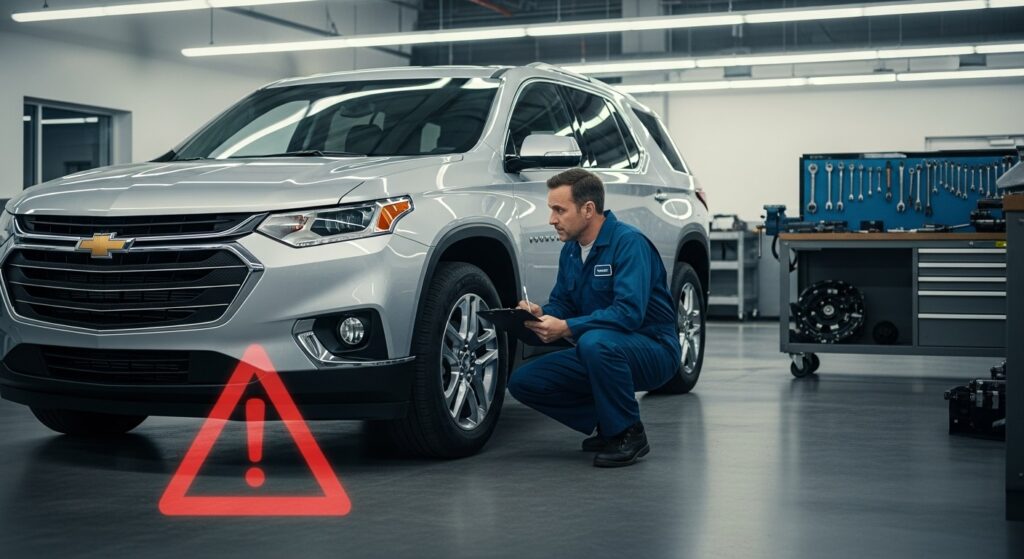
Older vehicles show recurring airbag and inflator recall patterns. These campaigns replace or modify inflators that could rupture in a crash. Confirm completion because an uncleared airbag recall directly affects crash protection.
Common non-airbag recalls buyers should watch
- Liftgate strut failure — may cause the hatch to drop unexpectedly and injure someone.
- Shift-cable breakage — can prevent the car from entering Park or cause unintended gear selection.
- Tire and electrical campaigns — often minor alone, but they add up and affect usability.
Second-generation structural and drivetrain alerts
Some later models had structural or drivetrain recalls, such as cracked frame rails, transmission fluid leaks, wrong transmission parts, insufficient fuel supply, and axle retaining ring concerns. Newer does not always mean recall-free.
How to verify VIN recall status before you buy:
- Check NHTSA recall data with the VIN online.
- Ask the seller or dealer for printed proof of completed campaigns.
- Refuse a sale or negotiate a fix if safety recalls remain open; schedule dealer repairs before finalizing the purchase.
| Recall Type | Typical Risk | Why It Matters | Buyer Action |
|---|---|---|---|
| Airbag / inflator | High | Failure can cause shrapnel or non-deployment in a crash | Verify VIN, demand dealer printout of completion |
| Liftgate / shift cable | Medium | Usability and safety issues (hatch drop, gear selection) | Inspect operation; require repairs if open |
| Structural / drivetrain | High | Frame, axle, or transmission faults affect long-term reliability | Review service records; avoid units with unresolved campaigns |
| Electrical / tires | Low–Medium | Can degrade comfort, warning systems, or traction | Confirm fixes and test systems on a drive |
Best Years to Buy Instead: The Most Reliable Chevy Traverse Model Years
A short list of proven model years helps shoppers balance space, tech, and service risk. Below are the best picks for reliability and fewer complaints across generations.
Why 2013 is often recommended?
2013 avoids many of the early first-generation engine and transmission horror stories. It still has family-friendly space but with noticeably fewer serious faults reported.
Why 2017 is the safer first-gen pick?
2017 model benefits from end-of-generation refinements. Owners report a steadier ownership profile and lower complaint rates than the first-run examples.
Why 2019 is a strong second-gen choice?
2019 sidesteps much of the 2018 debut-year spike in issues. It keeps modern features and packaging with improved reliability and fewer complaints.
Later second-gen sweet spots
Models after 2019 add more safety tech and software updates. Many buyers find the post-2019 lineup offers the best mix of features, safety, and long-term reliability.
- Budget-first buyers: consider late first-gen picks like 2013 or 2017 for lower cost with acceptable reliability.
- Family-first buyers: prioritize post-2019 second-gen models for peace of mind and extra safety features.
| Model Year | Why Buy | Buyer Fit |
|---|---|---|
| 2013 | Fewer major engine/transmission failures | Value-conscious buyers |
| 2017 | Refined end-of-gen reliability | Low-risk used purchase |
| 2019+ | Modern features, fewer complaints | Families wanting safety tech |
Pricing, mileage, and trim guidance to help decide whether a specific used listing is truly a good deal.
Used Pricing, Mileage, and Value: When a Traverse Is a Good Deal
Depreciation can turn a roomy used three-row into one of the best space-per-dollar buys. Buyers should weigh asking price against service history and typical repair risks.
Typical price bands and why low prices may hide risk?
First-generation clean examples under 100k miles usually sit around $8,000–$13,000. Late first-gen (2014–2015) often fetch $13,000–$17,000 because some faults were improved.
Second-generation late-2018 to 2021 LT/RS with under ~80k miles trade roughly $18,000–$26,000. Top trims like High Country can approach the high $30ks–$40ks used.
Mileage, trims, and drivetrain impact value
High-risk early models become hard to justify above 100k miles without detailed records. Better post-2018 models stay sensible at higher miles if maintenance is documented.
- Trims: LS/LT are value picks; RS adds sporty styling; Premier/High Country add features and raise cost.
- Drivetrain: FWD is fine for most U.S. drivers; all-wheel drive adds traction for snow regions but increases complexity and cost.
Fuel and economy expectations
Expect ~19 mpg combined for early models. Newer turbocharged four-cylinder and 2.5L turbo setups nudge combined ratings into the low 20s (around 21 mpg AWD / 23 mpg FWD). That change brings better economy and a different driving feel.
| Generation | Price band (used) | Buyer tip |
|---|---|---|
| First-gen | $8k–$17k | Only buy low-priced units with records |
| Second-gen (post-2018) | $18k–$26k (typical) | Prefer post-2019 for fewer teething issues |
| Top trims | $30k+ | Luxury features raise resale and repair costs |
Simple decision rule: match price + miles + trim + drivetrain against known faults. If a listing is cheap but lacks records, assume the market priced in repair risk and move on.
Pre-Purchase Checklist for a Used Chevy Traverse
Start every used-vehicle check with paperwork: service history often predicts future repair costs. Demand records for oil changes, any timing chain or tensioner work, transmission service, and cooling-system repairs. Clear documentation lowers risk for common faults.
Test-drive and warning signs
Watch for delayed engagement, harsh shifting, or slipping during acceleration. Note any “Shift-to-Park” prompts, persistent check-engine lights, or inconsistent power steering assist. These symptoms often point to transmission or steering repair needs.
Inspection checklist
- Confirm A/C cools at idle and highway speeds; listen for compressor noise.
- Check fuel gauge for jumps and instrument-cluster glitches.
- Inspect suspension for clunks, uneven tire wear, and firm brake pedal feel.
Recall and owner data research
Run a VIN check via NHTSA for open recalls and review owner complaint data by model year. Look for repeating patterns across consumer reports; single reports matter less than consistent data for a given model year.
| What to demand | Why it matters | Action if missing |
|---|---|---|
| Oil change history | Protects engine life and shows care | Require records or walk away |
| Timing chain/tensioner notes | Early 3.6L V6 risk—major engine repair if missed | Refuse without proof of service |
| Transmission service | Prevents shift faults and limp-mode events | Verify receipts or avoid high-risk units |
| Completed recalls | Safety and long-term reliability | Demand dealer documentation |
Walk-away rule: If records are missing and the vehicle shows symptoms tied to known bad model year patterns, keep shopping. A small discount is not worth repeated, expensive repairs.
Conclusion
Picking the right chevrolet traverse model can mean the difference between a sensible family rig and repeated, costly work.
Reliability varies sharply by generation. Early first-generation examples (2009–2011) and the 2018 debut show the highest repair risk. Later first-gen and post-2019 second-gen models offer better peace of mind and fewer issues.
Buyers should prioritize documented maintenance and completed recalls before purchase. A clean service history and a dealer VIN check cut risk and improve long-term reliability.
Match the vehicle to your risk tolerance: budget shoppers may accept a late first-gen with records, while families should target later second-gen examples for stronger safety and fewer surprises.
Final step: run VIN checks, review service papers, and get a pre-purchase inspection before signing.
FAQ
Which model years of the Chevrolet Traverse have the most reported problems?
Early first-generation models—especially 2009–2011—show the highest complaint rates. Common issues include transmission failures, timing chain and engine problems, power steering faults, and drivability complaints. Some mid first-gen years like 2014–2015 also report electrical and A/C concerns.
Is the 2018 Traverse a year to worry about?
The 2018 second-generation launch had notable early issues, particularly transmission gear-selection faults (errors such as “shift to park”) and several electrical and airbag-related recalls. Later second-gen years largely improved, so 2018 requires extra VIN-level checks and a careful test drive.
What are the most common mechanical problems across troubled model years?
Frequent problems include timing chain and tensioner failure on many 3.6L V6 engines, transmission troubles (six-speed first-gen and early nine-speed second-gen units), power steering failures, A/C compressor and climate system breakdowns, and elevated oil consumption that can lead to serious engine damage under 100,000 miles.
Which model years are generally considered the safest buys?
Safer picks often cited by owners and reliability data are 2013 and 2017 from the first generation, and 2019 from the second generation. These years benefited from production refinements, fewer major complaints, and improved feature sets. Still, always verify the vehicle’s service history and recall status.
How should a buyer inspect a used Traverse before purchasing?
Demand full service records (oil changes, timing-chain or tensioner work, any transmission service). On a test drive, listen for transmission hesitation, feel for steering heaviness or wander, and watch for warning lights. Check A/C performance, electrical functions, and perform a VIN recall search via NHTSA and manufacturer databases.
Can later second-generation models be trusted for long-term ownership?
Later second-gen models improved in reliability compared with 2018. Many later-year vehicles have fewer complaints, better fuel-economy engines (including a turbocharged four-cylinder option in some trims), and updated safety tech. Long-term dependability still depends on maintenance history and how prior owners drove and cared for the vehicle.
Are there specific trims or drivetrains that change reliability or ownership cost?
Reliability differences are more engine- and transmission-driven than trim-driven, but all-wheel-drive systems can add maintenance and repair cost compared with FWD. Higher trims (Premier, High Country) add features that may cost more to repair. Check history for major repairs on premium trims and for transmission/service records on vehicles with the V6 or newer turbo engines.