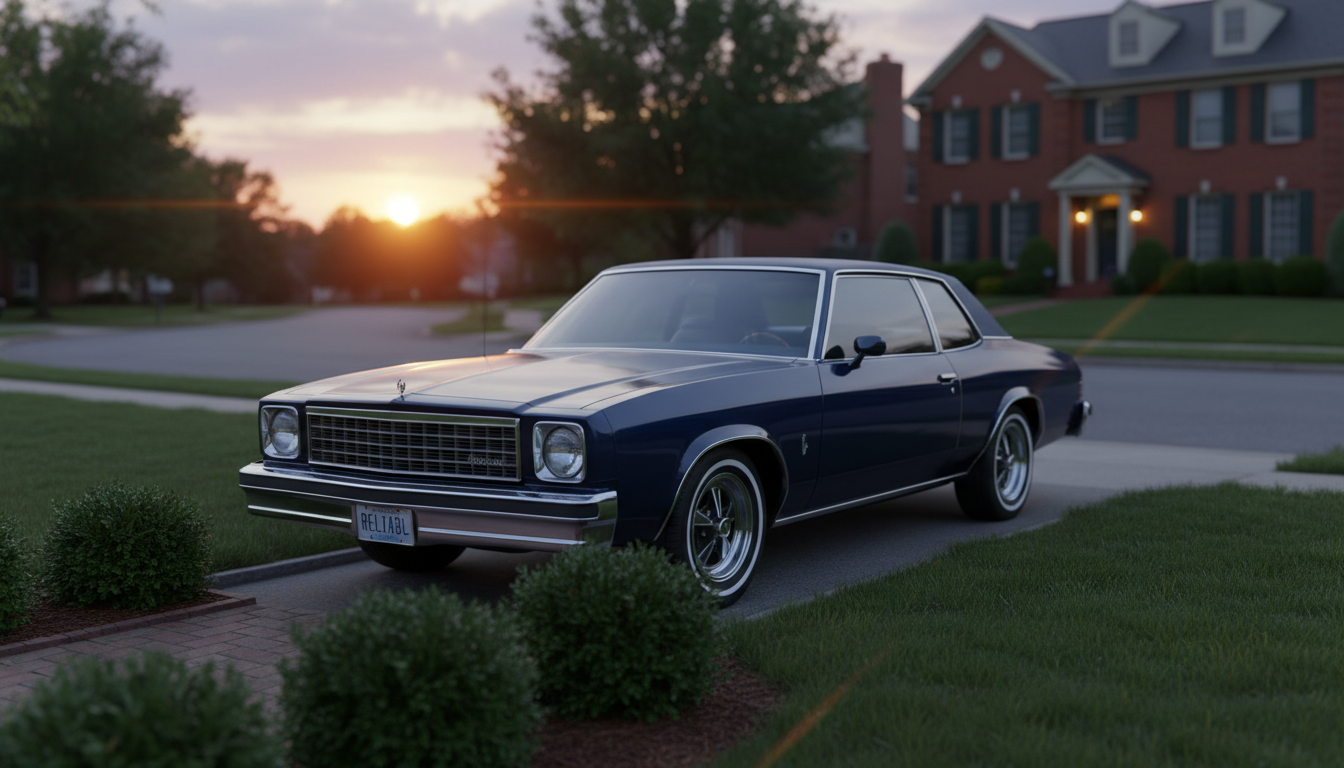
Chevy Malibu Years to Avoid for Reliable Performance
This buyer’s guide is designed to help drivers spot which model years have higher risk and which ones make better daily drivers. It focuses on used-car risk, not a blanket claim that every example is bad. Condition, service history, and completed recalls matter a great deal.
The piece defines reliable performance in plain terms: consistent starting, no surprise stalls, predictable steering and braking, and fewer repeat electrical faults. Yoy will see practical checks they can use during a test drive and inspection.
It breaks down malibu years by generation and highlights early-production problem clusters versus later fixes. Rankings rely on owner ratings, complaints, NHTSA recalls, and reports from Consumer Reports, Edmunds, J.D. Power, KBB and Cars.com.
Expect a quick “best/neutral/worst” table for fast decisions plus deeper, generation-by-generation explanations so you can shop smarter. Clear data signals back each recommendation, and the goal is to arm you with practical, reliable advice.
Key takeaways: It flags higher-risk model years, explains what “reliable performance” means, and shows data-backed picks and shopping tips.
Quick Take: Best, Neutral, and Worst Chevy Malibu Model Years
Here’s a quick, scannable summary that groups model years so buyers can decide fast and then dive deeper if needed.
Best picks
Best years include 2002–2003, 2007, 2011–2012, 2015, and 2020–2024. These model runs show stronger owner ratings and fewer systemic complaints.
Notably, later ninth-generation examples (2020–2024) stand out for modern safety features and a cleaner reliability track record.
Neutral choices
2001 and 2019 are listed as neutral. They can be smart value buys if service history is solid and recall work is documented.
Higher-risk picks
Worst years cover 1997–2000, 2004–2006, 2008–2010, 2013–2014, and 2016–2018. These groupings reflect elevated NHTSA complaints, repeated recalls, and patterns like steering-assist loss, stalling, and electrical faults.
- If you consider a higher-risk model, budget for a professional inspection and prioritize documented repairs.
- Decisions here are based on aggregated ratings, owner reports, and complaint trends—not a single source.
How This Buyer’s Guide Ranks Malibu Years?
Rankings here rely on a mix of owner feedback, expert surveys, and federal records. The method reduces single-source bias and highlights patterns that matter when buying used.
Multi-source scoring
It combines Consumer Reports scores with data from Edmunds, J.D. Power, KBB, and Cars.com. This blend yields a clearer picture of owner satisfaction and reliability than any single rating.
Recalls and complaint spikes
NHTSA recalls and complaint trends act as risk multipliers. Repeated complaints about one system raise priority. Not all recalls are equal: software updates differ from steering or brake fixes that affect safety.
Maintenance costs and long-term risk
- A low purchase price can vanish if a model year has recurring engine, transmission, or electrical problems.
- Rule of thumb: widespread problems + costly system + hard-to-diagnose symptoms = higher long-term risk.
- Individual condition still matters—well‑maintained vehicles often outperform their model year peers.
Chevrolet Malibu Generations and Why They Matter When Buying Used?
Identifying which generation a car belongs to clarifies likely weak spots and typical repair histories. Start there and the search becomes more about systems and less about trim badges.
- 5th (P90): 1997–2003
- 6th (GMX380): 2004–2007
- 7th (GMX386): 2008–2012
- 8th (GMX351): 2013–2015
- 9th (E2XX): 2016–2024 (final production run for now)
Platform redesigns often bring early-production issues. Major changes can introduce new steering, electrical, or transmission quirks. Later years in a generation typically get running fixes and fewer repeat complaints.
| Generation | Common early issues | Shopping tip |
|---|---|---|
| 5th–6th | Ignition/electrical, coolant tech | Check service records and coolant history |
| 7th–8th | Power steering and electrical gremlins | Test steering assist and lights |
| 9th | Early engine/ECM updates, infotainment | Prefer later run years for fewer glitches |
Identify the generation first, then narrow down safer model years within it. That approach keeps shopping practical and focused on real mechanical risk rather than cosmetic trims.
Chevy Malibu years to avoid
Some model runs carry higher risk because they show repeating safety and drivability failures in owner reports and federal records.
Highest-risk clusters across generations
Across sources, the worst clusters include 1997–2000, 2004–2006, 2008–2010, 2013–2014, and 2016–2018. These malibu years surface most often in complaint trends.
| Cluster | Common failures | Why it matters | Practical note |
|---|---|---|---|
| 1997–2000 | Ignition switch, electrical, Dex‑Cool coolant | Engine stalls and electrical faults raise safety risk | Check ignition history and coolant condition |
| 2004–2006 | Power steering assist loss, brake light failures | Sudden steering or brake feel loss is dangerous | Verify steering repairs and recall work |
| 2008–2010 | Stalling, ESC/service warnings, electrical gremlins | Intermittent faults are costly and hard to diagnose | Prefer inspected examples with clean records |
| 2016–2018 | Engine reduced power, ECM/fuel injector issues | Unexpected power loss in traffic is a major safety concern | Favor later run years with documented fixes |
What “avoid” means in real life?
“Avoid” signals higher probability and greater severity—not a guarantee every car fails. Focus on real symptoms, not labels.
- Engine stalling or “reduced power” during driving — immediate hazard in traffic.
- Sudden loss of power steering — sharp increase in crash risk, especially at low speed.
- Weak brake feel from vacuum assist loss — longer stopping distance and poor pedal feel.
- Intermittent electrical shutdowns — unpredictable lights, gauges, or safety systems cutting out.
Certain systems are no‑compromise: steering, brakes, and engine controls. If a model cluster has repeated failures in these systems, it earns an avoid designation faster.
Next, it will walk generation by generation and highlight safer pick years and the specific trouble spots to watch.
Fifth Generation Malibu Model Years to Avoid and Safer Picks
The fifth-generation run has clear problem clusters and a few safer late-run picks worth knowing. This covers 1997–2003 production and highlights which cars need paperwork proof and which are better buys.
Years flagged
1997–2000 are widely flagged for repeated ignition and electrical faults. An ignition switch defect could cause no-starts or unexpected stalls. That defect often shows as sudden loss of power or dead interior lights while driving.
Watch-list
2001 shows improvement but still reports lingering ignition switch complaints and coolant-related issues. Documentation of past repairs matters more than a clean test drive alone.
Safer picks
2002–2003 got refinements and fewer systemic faults. They are the best picks in this generation, provided the cooling system and ignition repairs are documented.
Problem spotlight: intake gasket leaks
Intake manifold gasket failure can let coolant mix with oil. Look for coolant loss, milky oil on the dipstick, or frequent overheating. If present, this is a walk-away defect.
- Practical tip: Ask for receipts showing coolant flushes, gasket work, or ignition switch replacement before buying.
- Expect era-typical fuel economy near published mpg figures; still verify service history for longer-term engine health.
| Cluster | Telltale signs | Recommended action |
|---|---|---|
| 1997–2000 | No-starts, stalls, interior electrical drops | Require repair records for ignition switch and wiring |
| 2001 | Intermittent ignition faults, coolant maintenance gaps | Prefer documented fixes; consider inspection |
| 2002–2003 | Fewer complaints; occasional ignition issues | Good buys if cooling and ignition history is clean |
Sixth Generation Malibu Model Years to Avoid and Safer Picks
The sixth-generation run showed clear early production hiccups that matter when shopping used.
Model year 2004–2006 carries the bulk of owner complaints for this generation. Reports center on sudden loss of power steering assist. That loss can make low-speed maneuvers heavy and unpredictable.
Brake lights also had failures that led to a recall covering multiple years. Always run the VIN and confirm recall repairs were completed before you buy.
Why 2004–2006 get flagged?
- Sporadic power steering cutouts that arrive without warning at slow speeds.
- Brake lights failing intermittently, a clear visibility and safety concern.
- Lingering ignition issues that did not disappear immediately after the redesign.
Safer pick: 2007
By 2007 the platform matured and owner ratings improved. Fewer recurring faults show up in aggregated data, making 2007 the practical safer pick in this run.
Problem spotlight: steering column failures
Faults often show as heavy steering, dashboard warnings, or intermittent assist. These symptoms point to column or electrical faults within the steering system. Repair records or recall completion are crucial.
Test-drive cue: During slow-speed turns and parking maneuvers, watch for abrupt changes in assist feel. If steering feels heavy, or warning lights blink, walk away or demand documented repairs.
| Model range | Common faults | Buyer action |
|---|---|---|
| 2004–2006 | Intermittent power steering loss, brake lights, ignition glitches | Require VIN recall check and full repair history |
| 2007 | Fewer complaints, improved owner ratings | Prefer inspected examples with service records |
| All 2004–2007 | Steering column symptoms: heavy steering, warning lights | Test at low speed; verify steering repairs or recall fixes |
Seventh Generation Malibu Model Years to Avoid and Safer Picks
For the 2008–2012 run, early production showed repeat faults that matter when shopping used.
Years 2008–2010 stand out for recurring power steering complaints. These are often accompanied by a ‘Service ESC’ dashboard light, which points to sensor or wiring faults that affect stability control. If you encounter this warning, our guide on the Service ESC Chevy Silverado meaning covers the same sensor and wiring troubleshooting steps you’ll need for the Malibu.
Stalling reports appear as sudden shutdowns, rough idling, and dashboard warnings. Owners describe random loss of drive, warning lights, and hard starts. Those engine events are a bigger safety red flag than cosmetic wear.
Better picks: 2011–2012
Later examples in this generation offer more standard safety features and fewer repeated faults. Still, some 2.4L engines show timing chain reports. Verify service history if that engine is fitted.
Problem spotlight: restraint and electrical gremlins
Complaints include seatbelt/airbag warnings, intermittent warning lights, door lock quirks, and battery drain. Restraint-system faults are non-negotiable confirm no open recalls and that the airbag light stays off.
Practical buyer cue: Scan the vehicle with an OBD-II reader. Check stored stability-control or engine codes even when the dash looks quiet.
| Span | Common faults | Buyer action |
|---|---|---|
| 2008–2010 | Power steering loss, ESC warnings, brake light issues, stalling | Require OBD-II scan, VIN recall check, full service records |
| 2011–2012 | Fewer systemic faults; timing chain notes on some 2.4L engines | Prefer inspected cars with documented timing-chain service |
| All 2008–2012 | Seatbelt/airbag and electrical systems complaints | Confirm restraint-system repairs and clean electrical history |
Eighth Generation Malibu Model Years to Avoid and Safer Picks
The eighth-generation run brought notable teething problems early on, then a clear fix-up model worth considering.
Model years 2013–2014 are often flagged for multiple recalls, repeated electrical failures, partial or total power loss, and a 2014 brake vacuum assist recall. Owners reported frequent complaints about sudden power drops and flickering systems that affected daily driving.
Brake vacuum assist explained: when vacuum help is lost, the pedal feels hard and stopping distances can grow. That change raises crash risk, especially in city traffic.
- Buyer takeaway: for 2014 examples, confirm the brake-related recall repair via VIN records and insist on a brake-feel check during the test drive.
- Spot-checks: stable idle, no flickering lights, no engine limp-mode symptoms, and firm pedal response with no warning lamps.
2015 stands out as the safer pick. It benefits from earlier fixes and posts higher owner ratings across major platforms. The result: fewer electrical complaints and more predictable engine behavior.
| Span | Common issues | Buyer action |
|---|---|---|
| 2013–2014 | Power loss, electrical faults, brake vacuum concerns, defroster recall | VIN recall check; brake test; verify defroster repair |
| 2015 | Improved systems, fewer complaints, better ratings | Prefer inspected examples with service records |
Ninth Generation Malibu Model Years to Avoid and Safer Picks
The ninth-generation run started in 2016 and shows a clear arc: early launch faults gave way to calmer later models.
Problem span: 2016–2018
Early examples (2016–2018) logged repeated engine stalling, “Engine Power Reduced” limp-mode events, and the annoying “Shift to Park” message that affects daily usability.
Some 2018 cases tied stalls to ECM software and fuel injector concerns. For those, repair history and software updates matter most.
Neutral and safer picks
2019 is a neutral refresh year. It added updated infotainment and more driver-assist options but did not erase every earlier complaint.
2020–2024 present the safer picks. Later calibration updates, parts revisions, and calmer complaint trends make these years the best bets for reliability.
Powertrain and value notes
Powertrain: the 1.5T shifted from a 6-speed to CVT after the refresh. The 2.0T used 8- and later 9-speed automatics. Updated transmission and automatic transmission calibrations in later years reduce shift complaints.
Value: late-model cars often sell below competing midsize rivals. Buyers can get newer safety tech and decent fuel economy or fuel efficiency but still run a pre-purchase vehicle inspection.
| Span | Common faults | Buyer action |
|---|---|---|
| 2016–2018 | Stalling, reduced power, Shift to Park | Demand ECM/fuel update records; inspect drivability |
| 2019 | Refresh: infotainment, driver assist added | Check software and features; treat as neutral pick |
| 2020–2024 | Fewer complaints, updated calibrations | Prefer later-run examples with service history; check mpg claims |
Most Common Chevrolet Malibu Problems by System
A system-level view helps buyers connect dashboard warnings and feel with likely root causes and repair scope. The list below links common symptoms to likely repairs so you know what to watch for during a test drive or inspection.
Engine and fuel delivery
Stalling and “Engine Power Reduced” limp-mode often point at sensor errors or fuel delivery faults.
Reports link limp-mode to throttle-position and related sensors. When a sensor reads oddly, the engine limits power as a safety response.
Transmission
Harsh shifts feel like jolts or delayed engagement. Higher-mileage failures can be costly and sometimes need a full rebuild.
The “Shift to Park” message on some later models is an electrical or selector-module headache. Verify shift behavior on a varied-speed drive.
Steering and suspension
Intermittent power steering assist loss often shows as sudden heavy steering at low speed.
Worn wheel bearings and bushings add noise and uneven tire wear. These are common wear items that increase repair bills over time.
Electrical and lighting
Brake light failures, headlight wiring faults, and door-lock quirks are frequent and often intermittent.
Intermittent electrical problems waste time and can hide deeper wiring or module faults. Confirm lights work under load and scan for stored codes.
Cooling system
Dex‑Cool-era corrosion and intake-gasket leaks risk coolant/oil mixing and overheating.
Check coolant condition, look for milky oil, and insist on documented cooling‑system service before buying.
- Practical checklist: note any limp-mode, feel for harsh shifts, test low-speed steering, verify all exterior lights, and inspect coolant and oil for contamination.
| System | Typical symptom | Buyer action |
|---|---|---|
| Engine / Fuel | Stalling, reduced power | Request sensor and fuel-service records; OBD-II scan |
| Transmission | Harsh shifts, Shift to Park | Test under load; review transmission service history |
| Electrical / Lighting | Brake/headlight failures, door locks | Check lights, door operation, and stored electrical codes |
| Steering / Suspension | Assist dropouts, noise, uneven wear | Test low-speed steering; inspect bearings and bushings |
| Cooling | Coolant leaks, milky oil | Inspect for leaks; demand coolant service records |
What to Check Before You Buy a Used Malibu?
Start with the VIN and NHTSA history, then verify repairs with paperwork. An open recall is a negotiation point and a safety issue. Ask the seller for receipts showing recall completion or service work tied to the VIN.
Run the VIN and recalls
Enter the VIN at NHTSA and the manufacturer’s recall portal. Confirm any recalls were closed and get proof.
Documented repairs matter more than a clean test drive. Unfixed recalls can mask bigger issues.
Test-drive checklist
- Watch for stalling or “reduced power” symptoms that point at the engine or fuel system.
- Listen and feel for hesitations, hard shifts, or any “Shift to Park” message affecting the transmission.
- Do repeated low-speed turns and parking maneuvers to surface intermittent power steering dropouts.
- Verify brake feel is firm and consistent; be alert for hard pedal response linked to brake vacuum assist recalls.
- Note random warning lights and scan the car with an OBD-II reader if possible.
Inspection priorities
Check coolant for discoloration or a sweet smell; that suggests contamination or coolant breakdown.
Look at the oil dipstick for milky residue this indicates coolant/oil mixing and serious engine risk.
Test battery and charging health; weak charging can trigger many electrical complaints in modern cars.
Inspect the underbody for rust, especially if the vehicle spent time in salt states. Structural rust is costly and often hidden.
| Action | What to look for | Why it matters |
|---|---|---|
| VIN recall check | Open recalls, completed repairs | Safety and resale value; unresolved recalls lower bargaining power |
| Test drive | Stalling, steering assist dropouts, shifting | Reveals real-world driveability problems |
| Under-hood inspection | Bad coolant, milky oil, battery health | Indicates engine or electrical system issues |
| Underbody check | Surface and structural rust | Long-term durability and repair cost |
Choosing the Right Malibu for Your Needs
Choosing the right model means matching priorities. Some buyers want long-term reliability. Others chase value and low monthly costs. Use the best years list to guide that choice and focus on documented service history.

Best picks vs budget-first shoppers
Reliability-first: favor later examples, especially 2020–2024, for fewer faults and calmer ownership. Confirm recall work and service records before purchase.
Budget-first: older models can save money up front. Still, reserve funds for a pre-purchase inspection and prioritized repairs, and insist on clear maintenance history.
Fuel economy and powertrain notes
Expect better fuel economy from the turbo four-cylinder options versus older V6 setups in real-world commuting. Hybrids offer top mpg but can be rarer and need careful service history checks.
Trim, features, and interior sweet spots
Post-refresh models (2019+) add improved infotainment, wireless phone integration, and more driver-assist options. These trims often have a more durable interior and better long-term value.
| Use case | Recommend | Why |
|---|---|---|
| Daily commute | 2020–2024 turbo or hybrid | Best fuel efficiency, fewer complaints |
| Budget buyer | Late-gen inspected older model | Lower price, but expect inspection costs |
| Family/teen | Post-refresh with driver-assist | More safety options and modern interior |
Conclusion
The model runs that most often bring trouble and those that run cleaner. For shoppers wanting fewer surprises, favor the short list of safer model years: 2002–2003, 2007, 2011–2012, 2015, and 2020–2024. Neutral picks include 2001 and 2019. High-risk clusters include 1997–2000, 2004–2006, 2008–2010, 2013–2014, and 2016–2018.
Owners get the best outcomes when they verify recall completion, confirm service records, and pick later-run examples within a generation. Use the system-based problem list as your test-drive script so hidden faults surface before purchase.
Value note: newer models often cost less than rivals, so buyers can often buy a later car with better safety tech. Run the VIN, review maintenance docs, and schedule a pre-purchase inspection for a confident decision.
FAQ
Which model years have the most owner complaints and safety recalls?
The highest complaint clusters appear in late 1990s through mid-2000s and again around 2013–2018. Those eras show elevated NHTSA reports for ignition/electrical faults, power steering assist loss, and engine stalling. Always check the VIN for open recalls before purchase.
What does “avoid” mean in practical terms for a used sedan purchase?
“Avoid” means a higher-than-normal risk of repeated failures that affect daily drivability or safety — examples include stalling, sudden steering-assist loss, brake or airbag warnings, and persistent electrical faults. These can raise repair bills and downtime.
How should a buyer evaluate a specific used example?
Run the VIN for recalls and vehicle history, request service records, and do a focused test drive. Check for engine hesitation, warning lights, shifting behavior, steering assist feel, coolant/oil contamination, and interior electrical functions like lights and locks.
Which generations introduced the most early-production issues and why?
Major redesign and platform-change years tend to carry more teething problems. New engine, transmission, or electronic-control system designs can reveal issues after low-volume production runs. Look for higher complaint rates in first two years after a redesign.
Are late-model sedans (2020–2024) generally safer buys than older models?
Yes. Recent models benefit from refined turbocharged engines, updated transmissions, modern safety tech, and fewer long-standing mechanical recalls. They still require VIN checks, but long-term reliability tracks better in the newest generation.
What common system failures should a pre-purchase inspection prioritize?
Prioritize the cooling system (look for Dex-Cool corrosion or coolant-in-oil signs), steering assist operation, transmission shift quality, electrical components (lights, locks, infotainment), and any history of engine stalling or oil contamination.
How does powertrain choice affect long-term ownership costs?
Naturally aspirated four-cylinders and later refined turbo engines generally offer better fuel economy and lower repair risk than older high-mileage V6s or early turbo implementations. Transmission type also matters — known harsh-shift or electronic-park issues can increase maintenance costs.