Chevy 6.6 Gas MPG: Real-World Highway, City & Towing Numbers
The Chevy 6.6L Gas V8 (L8T) is a legendary torque monster, delivering 464 lb-ft of pulling power. But let’s be honest: it has a bit of a ‘drinking problem.’
Since the EPA doesn’t rate Heavy Duty trucks (2500/3500 series), finding honest Chevy 6.6 gas MPG numbers is like finding a needle in a haystack.
The Real-World Numbers (2024+ 10-Speed Allison):
- Highway (Unladen): 14–16 MPG (Cruising at 65-70 MPH).
- City/Mixed: 10–13 MPG.
- Heavy Towing: 8–9 MPG.
The Million Dollar Question: Choosing the 6.6L Gas engine saves you nearly $9,500 upfront compared to the Duramax Diesel. But will those savings vanish at the gas station?
In this guide, we strip away the marketing fluff and crunch the real numbers. Whether you are a weekend warrior towing a boat or a hotshot driver hauling daily, here is the truth about what the 6.6L Gas V8 will actually cost you to run.
Overview of the 6.6L Chevy Gas Engine (L8T): Specs & Purpose
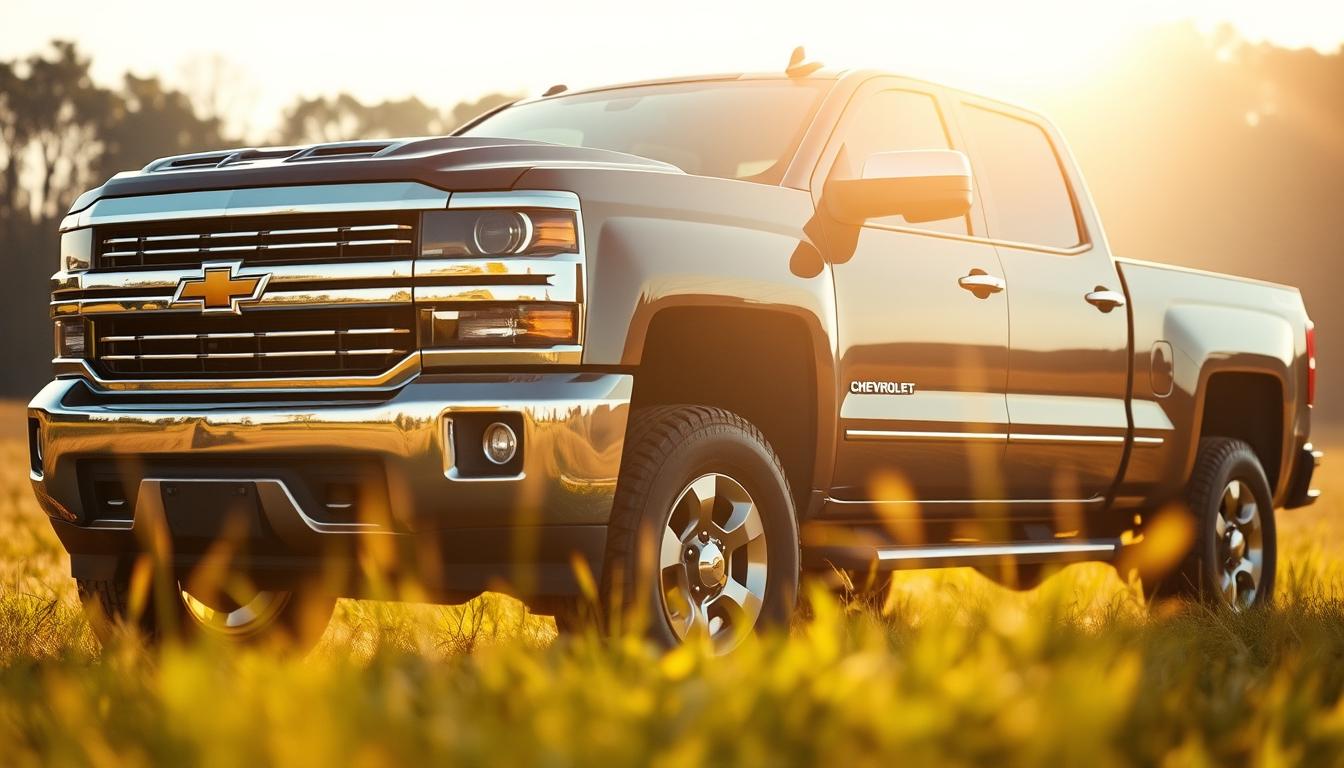
The 6.6L V8 L8T is Chevrolet’s dedicated heavy-duty gasoline engine. Unlike the light-duty engines found in the Silverado 1500, this iron-block workhorse prioritizes durability over fuel saving.
Quick Specs:
- Horsepower: 401 hp @ 5200 rpm
- Torque: 464 lb-ft @ 4000 rpm
- Block Material: Cast Iron (Built for heat and stress)
- Fuel Type: Regular Unleaded (87 Octane) or E85 FlexFuel
The Reliability Advantage: No AFM/DFM
This is the biggest selling point for long-term owners. Unlike the 5.3L and 6.2L engines, the 6.6L Gas does NOT use Active Fuel Management (AFM) or Dynamic Fuel Management (DFM).
- What this means: It runs on all 8 cylinders, 100% of the time. While this hurts MPG slightly, it eliminates the notorious lifter failures associated with cylinder deactivation. It is a simple, brute-force engine designed to last.
Transmission Evolution: 6-Speed vs. 10-Speed
Your fuel economy and towing experience depend heavily on the model year:
- 2020–2023 Models (6-Speed 6L90): These trucks feel strong but rev high on the highway, leading to lower MPG (12-14 mpg highway).
- 2024+ Models (10-Speed Allison): The game changer. The new Allison transmission keeps RPMs lower at cruising speeds, improving highway MPG and offering much smoother towing performance on steep grades.
Intended Use: Who is this for?
This setup is the “Sweet Spot” for drivers who need a 2500HD/3500HD but want to avoid the $9,500 premium and complex emissions systems (DEF fluid) of the Duramax Diesel. It is perfect for:
- Towing trailers under 12,000 lbs occasionally.
- Daily driving and light commercial work.
- Hauling slide-in truck campers.
Here’s a quick look at the key specs and drivetrain options that affect fuel use and performance.
| Attribute | Typical Value | Effect on Chevrolet 6.6 Gas Engine MPG |
|---|---|---|
| Displacement / Configuration | 6.6L L8T V8 gasoline | Strong midrange power; moderate fuel use under load |
| Power / Torque | ≈401 hp / 464 lb‑ft | Good towing without diesel torque; MPG drops under heavy towing |
| Primary Transmission | 10‑speed Allison automatic | Smoother shifts and better highway mpg compared to older boxes |
| Driveline Options | RWD or 4WD; multiple axle ratios | 4WD and lower gear ratios reduce chevy 6.6 gas mpg; taller gears help highway mileage |
| Typical Models | Silverado 2500HD, Silverado 3500HD | Silverado 2500HD specs tend to favor slightly better fuel efficiency than 3500HD under like loads |
Real-World MPG Expectations: What Owners Actually See
The 6.6L L8T V8 in Silverado 2500/3500 trucks offers a good balance between power and fuel efficiency. Real-world fuel economy varies based on load, terrain, and driving style. This section explores typical owner reports, controlled runs, and why EPA values are limited for heavy-duty pickups.
Real-world MPG ranges reported by owners and dealers
Dealership loops and owner forums often mention mixed-driving returns between 13 and 17 mpg for the 6.6L L8T gas V8. Monument Chevrolet and several dealer road tests show mid-teens averages near 16–17 mpg for 2500 models without towing and with light payloads. Owner reports indicate lower figures when 4WD is used or when trucks carry heavy payloads.
Average mixed-driving and highway MPG estimates
Independent controlled-route runs and highway cruises often yield slightly better numbers than stop-and-go use. For steady highway speeds, mid-teens mpg is typical. Expect lower figures while towing, in urban traffic, or with aggressive acceleration. Using realistic ranges helps drivers set expectations for chevy 6.6 gas mpg instead of relying on single-point claims.
Why EPA ratings are limited for heavy-duty trucks?
The Environmental Protection Agency generally does not publish standard mpg ratings for 2500/3500 heavy-duty pickups. Manufacturers provide towing and performance specs, but EPA test cycles focus on light-duty vehicles. Consumers must lean on dealer testing, owner data, and media road tests to interpret Chevy gas mileage ratings for real use.
How to interpret real-world data?
- Use ranges instead of one figure; report mixed, highway, and towing numbers.
- Adjust expectations for payload, trailer drag, and 4WD operation.
- Look for consistent patterns across owner reports and dealer tests before changing driving habits or upgrades aimed at improving Chevy 6.6 mpg.
Comparing Gas vs Duramax Diesel: Fuel Economy and Performance Tradeoffs
Choosing between a gas 6.6L V8 and a Duramax diesel engine affects fuel economy, towing, and costs. People compare Chevy Silverado 6.6 gas mileage to diesel performance to find the best fit. This section explains MPG differences, towing benefits, and costs over time.
Typical gas MPG vs diesel MPG in Silverado 2500/3500 models
The Chevrolet 6.6 gas engine gets about 13–17 MPG in everyday driving. The 6.6L Duramax diesel, on the other hand, can reach 18–21+ MPG on long drives.
Diesel engines are better for long trips and steady speeds. But in city driving, the difference is smaller.
Towing efficiency: when diesel saves fuel under load?
Diesel engines have strong low-end torque and run at lower RPMs while towing. This makes them more efficient on steep hills and during long hauls.
For those who tow heavy loads, diesel engines are a clear winner. They use less fuel than gas engines in towing scenarios.
Upfront cost, fuel price differences, and long-term ownership economics
Diesel models cost more to buy and sometimes to repair. Diesel fuel prices can also be higher than gasoline. These factors impact short-term costs.
But diesel trucks hold their value better and can save money over time. They are a good choice for those who tow often or drive long distances.
| Aspect | 6.6L Gas V8 | 6.6L Duramax Diesel |
|---|---|---|
| Real‑world mixed MPG | 13–17 mpg | 18–21+ mpg |
| Towing efficiency | Good for light to moderate towing | Superior for heavy, sustained towing |
| Torque characteristics | High peak torque, higher RPMs under load | High low‑end torque, lower RPMs under load |
| Upfront cost | Lower purchase price | Higher purchase price |
| Fuel price sensitivity | Less sensitive if gasoline is cheaper | More sensitive to diesel price swings |
| Long‑term value | Good for light users | Better for high‑mileage and heavy‑towing owners |
Chevy Silverado 6.6 gas mileage by model and driving condition
The 6.6L V8 in Chevrolet heavy-duty pickups shows predictable patterns across city, highway, and mixed routes. Drivers should plan around typical figures. Real-world data and dealer reports offer useful baselines for trip planning and ownership costs.
Expected city, highway, and mixed results for Silverado 2500HD and 3500HD
For Silverado 2500HD models with the 6.6L gas V8, city and mixed driving generally fall between 13 and 16 mpg. Highway cruising under light load often yields 15 to 18 mpg. Silverado 3500 mpg estimates trend slightly lower when payload or towing is present, dropping into the low to mid-teens.
Effect of cab, bed length, and 4WD on fuel economy
Cab size and bed length change weight and aerodynamic profile. Crew cabs and long beds add mass and frontal area, cutting highway numbers by a point or two. Choosing 4WD adds mechanical drag and marginally reduces chevy 6.6 gas mpg versus RWD, especialy in stop-and-go traffic.
Examples of real-world test runs and dealership-reported figures
Dealership reports for gas 2500 trucks often show mixed driving near 16–17 mpg on balanced routes. Independent controlled comparisons illustrate the gap between gas and diesel results when conditions match. Use these sample figures as planning anchors, not guarantees.
- Typical city/mixed: ~13–16 mpg for 2500/3500 under normal use.
- Highway: ~15–18 mpg with light loads and steady speed.
- Towing/heavy payload: mid-teens down to low teens, depending on weight and grade.
These ranges reflect common driving scenarios. They are helpful when estimating fuel stops and lifetime fuel costs for Chevy Silverado 6.6 gas mileage and related ownership planning.
Factors that most influence Chevrolet 6.6 gas engine mpg
The Chevrolet 6.6L gas V8 is great for towing and heavy work. But, many things affect how much fuel it uses. Knowing these helps improve the truck’s gas mileage.
Driving habits and speed management
Driving fast and changing lanes a lot uses a lot of gas. Driving smoothly saves fuel. This is because it doesn’t put too much strain on the engine.
Driving over 65 mph on the highway makes it harder to move through the air. This lowers your gas mileage. Using cruise control helps keep the speed steady, which is better for gas.
Load, towing, and payload impacts on fuel use
Carrying heavy loads or towing trailers uses more gas. The more weight and drag, the more gas you’ll use. A heavy bed or a big trailer will lower your gas mileage.
Choosing lighter cargo and using a trailer that’s not too big helps. Also, don’t carry things you don’t need in the truck bed. This makes your truck more fuel-efficient when you’re hauling stuff.
Vehicle aerodynamics, weight, and wheel/tire selection
Things like open beds and roof racks make it harder to move through the air. This hurts your gas mileage. Using a tonneau cover can help a bit.
Big wheels and off-road tires make it harder for the truck to roll. Choosing smaller, more fuel-efficient tires and keeping them at the right pressure helps. This is good for your truck’s gas mileage.
Other things like axle ratio, how often you use 4WD, and extra accessories like air conditioning also matter. Making small changes in these areas can help a lot when trying to get better gas mileage in your Chevy Silverado 6.6.
Maintenance and tuning strategies for improving Chevy gas mileage ratings
Regular maintenance keeps the 6.6L engine running smoothly. Use the right oil, change air filters, and replace spark plugs to keep combustion efficient. Dealerships like Monument Chevrolet say following service schedules is key to maintaining Chevy’s gas mileage ratings.
Proper tire care also helps. Keep tires at the right pressure and rotate them regularly. If your truck pulls or tires wear unevenly, get your wheels aligned. This improves fuel efficiency and saves on tire costs.
Small changes can make a big difference. A hard tonneau cover, secure cargo, and removing unused roof racks reduce drag. These tweaks can help save fuel.
ECU and PCM tuning can be hit or miss. Mild adjustments can improve efficiency for heavy loads or towing. But aggressive tunes might boost power but lower mpg. Always check with a trusted shop before tuning.
Aftermarket parts can also impact efficiency. Low-rolling-resistance tires and efficient exhausts are good. But high-flow intakes or headers might need careful tuning to avoid worse fuel economy. Consider the trade-off between power and fuel costs.
- Follow scheduled oil, filter, and spark plug intervals.
- Maintain recommended tire pressure and check alignment regularly.
- Use aerodynamic covers and reduce unnecessary weight.
- Seek mild ECU tuning for shift and fueling optimization only from trusted shops.
Practical tips for optimizing gas mileage in Chevy 6.6 trucks
Small changes in driving habits can greatly improve gas mileage in Chevy 6.6 trucks. Use cruise control on flat highways to keep a steady speed. When stopping, accelerate slowly and coast down when it’s safe to do so.
Anticipate traffic and ease off the gas early to avoid braking and fuel waste. This helps save gas.
Keep your speed in check on highways. Going over 60 mph uses more fuel. A speed of 65 mph often offers the best balance between speed and fuel efficiency. For mixed driving, combine steady highway driving with smooth city driving to achieve the best gas mileage.
Choosing the right equipment can also make a difference. Installing a tonneau cover reduces bed turbulence. Remove roof racks, cargo boxes, and unused steps when not in use. Avoid oversized off-road tires if you want better gas mileage; lighter, low-rolling-resistance tires and the right wheels are better.
Secure and balance cargo to reduce drag and prevent uneven tire wear. Keep the payload close to the recommended range and avoid extra weight from gear left in the bed. For towing, use streamlined, covered trailers and follow trailer tongue-weight guidelines for better stability and efficiency.
Regular maintenance supports MPG gains. Keep tire pressure at the recommended level, follow oil and filter schedules, and replace spark plugs on time. A well-tuned truck with correct alignment and fresh filters will maintain better gas mileage, closer to the upper end of the typical Chevy Silverado 6.6 gas mileage range.
Plan your routes to combine errands and avoid peak traffic times. Short, frequent trips use more fuel because the engine takes longer to warm up. Group stops and choose flatter roads when possible to maximize gas mileage in Chevy 6.6 trucks.
Below is a quick reference comparing common choices and their typical impact on chevy 6.6 gas mpg. Use it to decide which changes fit your daily use and towing needs.
| Change | Expected MPG Impact | When to Use |
|---|---|---|
| Use cruise control on highways | +1–2 mpg on steady routes | Long, flat interstate drives |
| Install tonneau cover | +0.5–1.5 mpg depending on speed | Daily driving without open bed loads |
| Remove roof rack/box | +0.5–2 mpg at highway speeds | When not actively carrying cargo |
| Switch to low-rolling-resistance tires | +0.5–1 mpg | Prioritize fuel economy over aggressive off-road grip |
| Reduce payload by 200–500 lbs | +0.5–1.5 mpg depending on load | Everyday hauling and lighter work tasks |
| Streamline trailer (covered) | +1–3 mpg vs open trailer | Towing long distances at highway speeds |
| ECU tune for economy (mild) | +0.5–1.5 mpg with cautious settings | Owners wanting modest gains without sacrificing reliability |
Fuel economy while towing: expectations and optimization for 6.6 gas engines
Towing a trailer changes how much fuel a heavy-duty pickup uses. Drivers with a Chevy 6.6 gas engine will see fuel use go up. This is because of the trailer’s weight, wind resistance, and the road’s slope.
Typically, a Chevy 6.6 gas engine gets around mid-teens MPG in mixed driving. But, adding a trailer can drop that number by several MPG.
Mileage loss estimates when towing typical loads and trailers
Light trailers with good aerodynamics might cut chevy 6.6 gas mpg by 2–4 MPG on the highway. But, boxy or open trailers increase drag, cutting MPG by 6 or more. Heavy fifth-wheels and car haulers can make highway MPG drop to the low teens or below.
Short, hilly runs and frequent stop-and-go towing cause bigger drops than steady highway driving.
Best practices for towing to minimize fuel consumption
Use the right towing mode and gear selection to keep the engine efficient. Maintain steady speeds to get better MPG. A small speed reduction on the highway can make a big difference.
Keep tires inflated to the recommended pressure for both truck and trailer. Use weight-distribution hitches to stabilize the rig and reduce roll and yaw.
Streamline the trailer whenever possible. An enclosed, properly faired trailer cuts drag compared with flatbeds or exposed loads. Remove unnecessary roof racks and cargo from the truck. Check wheel bearings and suspension for binding, and keep the engine tuned per Chevrolet service intervals to protect Chevy gas mileage ratings.
When choosing diesel makes more sense for heavy towing?
Frequent heavy towing, long interstate runs, or commercial duty favor diesel. Duramax diesels offer higher torque at low RPM and better efficiency under load. This often means lower fuel spend and reduced drivetrain strain compared with gas.
Compare expected annual miles, tow frequency, and fuel price projections. If projections show consistent heavy towing, diesel can outperform gas on lifetime operating cost despite higher purchase price. For intermittent towing, optimizing driving technique and load management helps preserve fuel economy for 6.6 gas Chevy truck without switching powertrains.
| Scenario | Typical chevy 6.6 gas mpg | Expected mpg while towing | Key recommendation |
|---|---|---|---|
| Light utility trailer, highway | 13–16 MPG | 9–13 MPG | Use cruise, reduce speed to improve mpg |
| Enclosed camper, mixed driving | 13–16 MPG | 8–12 MPG | Streamline trailer, check tire pressure |
| Fifth‑wheel heavy load, long haul | 13–16 MPG | 6–10 MPG | Consider diesel for frequent use |
| Car hauler or open deck | 13–16 MPG | 7–11 MPG | Use weight distribution hitch and fairings |
Performance tradeoffs: horsepower, torque, and how they relate to mpg

The 6.6L V8 engine has 401 horsepower and 464 lb-ft of torque. This power makes the Silverado fast and strong for towing. But, it also means more fuel is used when the engine works hard.
More horsepower means more fuel used, in simple terms. When you need quick power for towing, you’ll use more gas. This is true for heavy acceleration or steep hills.
Gear ratios and how the transmission shifts are key. The Allison 10-speed automatic helps keep the engine running efficiently. Choosing the right axle ratio is also important. It affects how well the truck does on the highway and when towing.
Think about these tradeoffs when setting up your truck:
- Choose an axle ratio that fits your use. Frequent towing favors numerically higher ratios. Long-haul driving favors taller ratios for better chevy 6.6 gas mpg.
- Allison transmissions optimize shifts for load. Match transmission programming to towing needs for smoother power delivery and improved Chevrolet 6.6 gas engine mpg under stress.
- Gear selection matters for payload. Heavy payloads or trailers increase fuel consumption. Lighter loads let the engine operate closer to its peak efficiency.
Decide what’s more important to you: peak performance or better fuel efficiency. The gas 6.6 is great for occasional heavy work. But, for constant heavy towing, a diesel engine or different gear setup might be better for long-term savings and better Chevy Silverado 6.6 gas mileage.
6.6 Gas engine efficiency strategies and technology features
Modern Chevy heavy-duty trucks combine hardware and software to save fuel without losing power. To improve chevy 6.6 gas mpg, focus on three key areas: transmission, aerodynamics, and weight management. Small tweaks can lead to big improvements in real-world driving.
Available tech that improves efficiency
Advanced multi-ratio transmissions, like 10-speed units and Allison automatics, lower engine RPM on highways. This helps achieve better Chevy gas mileage ratings on long trips.
Engine tuning and management systems optimize fuel delivery and shift points. Some gasoline families use cylinder deactivation or variable valve timing in lighter applications. In HD trucks, the transmission and calibration are key for better mpg.
Tire monitoring and vehicle weight reduction
Tire pressure monitoring systems keep tires at the right pressure. Properly inflated tires reduce rolling resistance, improving chevy 6.6 gas mpg and extending tire life.
Removing unused equipment, choosing lighter wheels, and using lower-rolling-resistance tires reduce curb weight and drag. Even small weight drops help when operating near the vehicle’s payload limits.
Dealership and manufacturer improvements across model years
Recent model-year upgrades include refined aerodynamics, lighter materials, and revised transmission tuning. Dealers like Monument Chevrolet advise on correct config choices and timely maintenance to preserve gains.
Software updates from the factory can tune shift logic and fuel maps for real-world use. Owners who follow maintenance schedules and adopt 6.6 gas engine efficiency strategies will see consistent Chevy gas mileage ratings over time.
Conclusion
The 6.6L Chevy gasoline V8 offers strong performance and good fuel economy. It has about 401 hp and 464 lb-ft. Drivers can expect mid-teens mpg in mixed driving.
Actual Chevy Silverado 6.6 gas mileage varies. It depends on the model, cab, drivetrain, towing load, and driving style. So, expect a 13–17 mpg range in most cases.
Choosing between the gas 6.6 and a Duramax diesel depends on your needs. The gas engine is cheaper upfront and easier to maintain. It’s good for those who tow occasionally and want a lower purchase price.
For frequent heavy towing and long highway runs, diesel is better. It offers better long-term fuel efficiency and may save on lifetime fuel costs.
To improve Chevy 6.6 mpg, follow some practical steps. Keep up with maintenance, check tire pressure and alignment, and reduce aerodynamic drag. Also, drive smoothly and anticipate turns.
Small changes in load management and gear selection can also help. These habits will improve fuel efficiency for 6.6 gas Chevy truck owners.
With these tips, drivers can make a smart choice. Regular care and smart driving will get the best Chevy gas mileage ratings. This will improve Chevy 6.6 mpg over time.
FAQ
What real-world mpg can owners expect from the Chevy 6.6L gasoline V8 in Silverado 2500HD/3500HD?
Most owners see around 13–17 mpg in mixed driving. On highways, it can hit 15–18 mpg. But, heavy towing or full payloads drop it to the low teens.
Dealers and owners often report about 16–17 mpg for gas 2500HD trucks in mixed use.
Why doesn’t the EPA provide official mpg ratings for most heavy‑duty 2500/3500 trucks?
The EPA doesn’t publish mpg ratings for heavy-duty trucks. This is because their testing and rules are different from light-duty vehicles. Buyers must look at manufacturer specs, dealer tests, and owner reports for a realistic mpg range.
How does the gasoline 6.6L V8 compare to the 6.6L Duramax diesel for fuel economy?
The gas 6.6L V8 gets mid-teens mpg in mixed use. The Duramax diesel usually does better, hitting high teens to 20+ mpg on highways and under load. Diesel’s torque and lower rpm make it better for towing.
What setup choices most affect Chevy Silverado 6.6 gas mileage?
Drivetrain, axle ratio, cab and bed size, trim level weight, and wheel/tire selection all matter. 4WD, taller cabs, heavier trim packages, and oversized tires lower mpg. Choosing RWD, moderate axle ratios, and aerodynamic options helps save fuel.
How much does towing reduce mpg for the 6.6 gas engine and how can owners minimize the loss?
Towing can lower mpg by several points, into the low teens or lower. To minimize loss, reduce speed, maintain tire pressures, use proper hitching, and streamline the trailer. Diesel engines usually stay efficient under heavy towing.
Which maintenance and simple upgrades help improve or preserve Chevy 6.6 gas mpg?
Regular services like oil changes, air filter replacements, and spark plug changes keep the engine efficient. Proper tire inflation and alignment, removing unnecessary weight, and using aerodynamic accessories like tonneau covers also help. ECU tuning might slightly improve mpg, but it’s not guaranteed and could affect warranty and emissions.
Should I choose the 6.6 gas engine or the Duramax diesel based on fuel economy and ownership costs?
Go for the 6.6 gas V8 if you want a lower purchase price and simpler maintenance. It’s best for occasional towing or local hauling. Choose Duramax diesel for frequent heavy towing, long highway miles, and long-term fuel savings. Diesel might cost more upfront and in maintenance, but it’s better for heavy users.