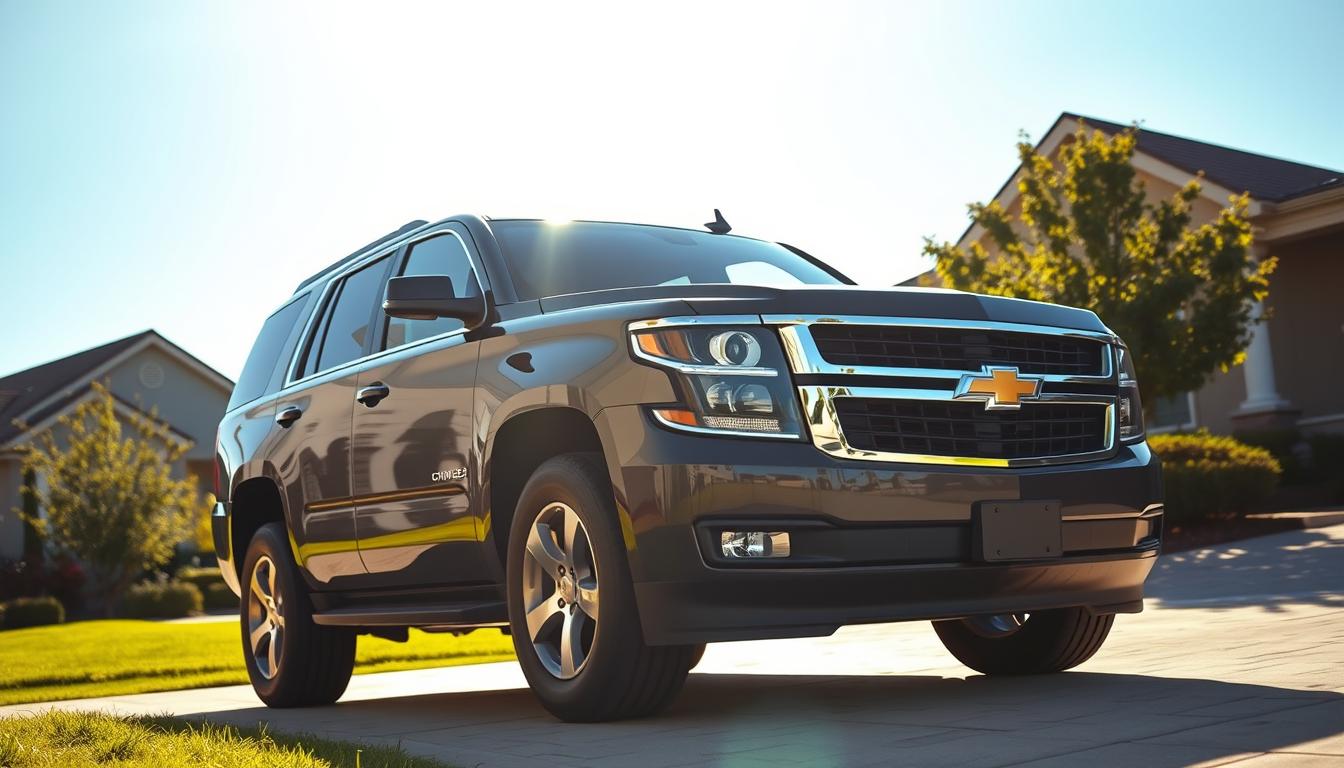
Best Years for Chevy Tahoe: Safest and Most Reliable Generations
The Chevy Tahoe is a legend for a reason: massive V8 power, room for the whole family, and a reputation for cracking 200,000 miles with ease.
But let’s be real—not every Tahoe is bulletproof. While some model years run forever, others are plagued by transmission failures and electrical gremlins.
We analyzed reliability data from Consumer Reports, J.D. Power, and service records from Monument Chevrolet to separate the winners from the lemons. From the classic models of the 2000s to the modern 2021s, here are the best Chevy Tahoe years you can trust.
Overview of Chevy Tahoe Generations and Reliability Trends
The Chevy Tahoe has seen many changes from 1995 to now. Each new generation brought new engines, tech, and common issues. This helps buyers find the most reliable years for a Chevy Tahoe.
Generational timeline and key redesigns
The first generation (1995–1999) was known for its toughness and simple design. The second generation (2000–2006) had a softer ride and more electronics. The third generation (2007–2014) introduced a new platform and more safety features.
The fourth generation (2015–2020) brought fresh styling and better infotainment. The latest generation (2021+) added independent rear suspension and advanced driver aids.
How generation changes affected reliability and common problem areas?
Big redesigns often lead to early-service issues. The 2007, 2015, and 2021 models had recalls or complaints as new systems were tested. Updates between redesigns usually fixed problems and improved the interior.
Problem areas changed over time. Early 2000s Tahoes had head gasket and oil issues. Late 2000s models had cracked dashboards and electrical problems. Mid-2010s models faced HVAC and brake issues. The modern Tahoe has fewer mechanical problems but more complex electronics and suspension.
Why model-year selection matters for used Tahoe buyers?
Model years can be very different. Scores from Consumer Reports and J.D. Power show this. Choosing the top rated years can lower repair risks. The most reliable years also reduce the chance of big repairs.
Certified pre-owned coverage or a remaining factory warranty can help with newer models. This makes them good choices when budget and peace of mind are important.
Best years for Chevy Tahoe
The list below shows model years that are less trouble and offer good value over time. It groups top picks from older and newer models. It explains why these years are more reliable. You’ll find a quick guide to the best Chevy Tahoe years and tips on finding the right one for you.
Top picks by generation focus on years with fewer complaints, higher owner satisfaction, and consistent service records. The second generation is recommended for 2000 and 2001, known for lasting long when well-maintained. The third generation’s favorites are 2009–2011 and 2014, with fewer major issues.
For the fourth generation, 2020 is a standout with high marks from Consumer Reports and J.D. Power. Early modern models, 2021–2022, also show promise with updated ride and safety tech.
These years score better due to measurable metrics. They have fewer complaints on CarComplaints and NHTSA entries. They also have higher Consumer Reports reliability ratings and J.D. Power quality scores. Many of these years are after a redesign, when manufacturers fix early production faults.
Mileage, maintenance history, and trim level affect a model year’s performance. A 2001 Tahoe with 220,000 miles and complete service records can outscore a low-mileage 2007. Trims for heavy towing or with optional air suspension often have higher repair risks and costs. Look beyond the calendar year when deciding the Chevy Tahoe best year to buy; documented maintenance and current mileage matter more than badge year alone.
| Generation | Recommended Years | Why it ranks well |
|---|---|---|
| Second (2000–2006) | 2000, 2001 | Strong owner satisfaction, durable 5.3L V8 examples, high miles achievable with routine service |
| Third (2007–2014) | 2009–2011, 2014 | Fewer major complaints, improved ride and electronics, 2014 shows tightened quality control |
| Fourth (2015–2020) | 2020 | Top Consumer Reports reliability score, strong J.D. Power quality rating, mature production run |
| Modern (2021+) | 2021–2022 | New independent rear suspension, improved comfort and safety tech, limited long-term data but low complaint volume |
Second-generation Tahoe (2000–2006): Reliable years versus problem years
The second-generation Chevrolet Tahoe has both reliable and problematic models. If you’re looking for the most reliable years, consider owner reports, Consumer Reports scores, and common issues. This will help you make a smart choice.
Most reliable second-gen picks: 2000 and 2001
The 2000 and 2001 Tahoes are top choices for reliability. They have strong longevity, reaching 200k–250k miles with regular care. Most issues are age-related, like HVAC wear and fading interior trim, not major mechanical problems.
Years to avoid within the generation
Some years in this generation are best avoided. The 2002 Tahoe has a low reliability rating and frequent engine, transmission, and oil-leak issues. The 2004 model has over 700 NHTSA complaints about cooling and gasket problems, with recalls for coolant loss and head gasket issues. The 2005 Tahoe has reports of transmission failures and broken interior accessories. These reasons make 2002, 2004, and 2005 less desirable.
Repair costs and long-term ownership notes
Cooling system failures in mid-generation Tahoes can lead to expensive head gasket repairs. Transmission and engine rebuilds also increase costs. For older models, expect to spend on radiator, hoses, and thermostat replacements.
Pre-purchase checks and risk mitigation
- Confirm cooling system integrity with a pressure test and coolant dye check.
- Measure oil consumption and inspect for leaks or sludge.
- Request maintenance records showing timing of radiator, water pump, and transmission service.
When comparing prices, look for a balance between cost and maintenance predictability. A well-maintained 2000 or 2001 Tahoe can save money in the long run.
Third-generation Tahoe (2007–2014): Improvements and trouble spots
The third-generation Chevy Tahoe offered a smoother ride and better interiors. But, it had a mixed reliability record. If you’re looking for the best model years, you’ll notice big differences between early and late models. This section will cover common issues, the best years, and what to check before buying.
Early models, like 2007 and some 2008 Tahoes, had many problems. Owners reported cracked dashboards, low oil pressure warnings, and issues with the transmission and electrical systems. CarComplaints showed high complaint numbers and recalls for 2007, warning buyers.
From 2009 to 2011, the Tahoe got better. Owners loved the ride and the engines were more reliable. These years were reliable and are among the best for long-term ownership. The 2014 model also did well, with fewer complaints and a high J.D. Power score.
When checking a 2007–2014 Tahoe, look for dashboard cracks and any repairs. Check the oil history and if low oil pressure warnings were fixed. Also, ask for maintenance records and any recalls that were done.
Check the vehicle’s history for repairs to fuel pumps, instrument clusters, and electrical modules. Make sure any dash replacements used factory parts and that airbag systems were not damaged. These steps help you find the best value when choosing a Chevy Tahoe.
Fourth-generation Tahoe (2015–2020): Which years performed best?
The 2015 redesign brought a fresh look and new technology to the Tahoe line. Early responses from owners and reliability trackers were mixed. This mix is key when looking at Chevy Tahoe recommended model years for used buyers.
Why the 2015 launch drew heavy criticism?
The fourth-generation Tahoe arrived in 2015 with several early faults. CarComplaints recorded over 900 reports and the model faced 14 recalls. Common issues included HVAC system breakdowns, interior electrical problems, lighting faults, and brake/ABS complaints.
Consumer Reports gave 2015–2017 low reliability scores near 1.0 out of 5.0. These ratings lowered buyer confidence, making a buyer’s market for imperfect examples. Shoppers should expect open recall items and possible system repairs.
Why 2020 stands out among later years?
By 2020, the Tahoe showed significant improvement. Consumer Reports awarded a perfect 5.0/5.0 reliability score for that year. J.D. Power gave 2020 an 83/100 quality and reliability rating. Owners praised the V8 power and composed ride.
Buyers looking for Chevy Tahoe top rated years often choose 2020. It’s a strong choice on lists of best years for Chevy Tahoe. It’s also recommended in many guides for those who want newer tech and fewer surprises.
Recurring 2015–2017 issues and resale impact
Early fourth-gen models often need HVAC repairs, electrical fixes, and recall item remediation. These service needs lower resale values for 2015–2017. Sellers often price these units lower to reflect repair risk.
Buyers can use this gap to negotiate. Expect lower asking prices for problem-year Tahoes, but budget for repairs if service records do not show completed fixes. For a balance of cost and reliability, compare 2017–2019 examples against the standout 2020 picks when considering chevy tahoe recommended model years or deciding among the best years for chevy tahoe.
Modern Tahoe (2021 and later): New tech, independent rear suspension, and reliability outlook
The 2021 Tahoe got a big update. It improved ride, space, and towing. The new independent rear suspension made it smoother and roomier.
It also came with new tech and a better infotainment system. A diesel option was added for better fuel use. These changes make the modern Tahoe a top choice for many.
So far, owners and dealers report fewer mechanical issues. Most problems are with software and occasional electrical issues. But, major engine or transmission problems are rare.
GM will keep updating the software. These updates are important for the Tahoe’s long-term reliability. Keeping an eye on service bulletins can help buyers make a better choice.
Warranty status is key for these advanced systems. Many 2021-2022 Tahoes have factory warranties or qualify for GM’s Certified Pre-Owned program. This program offers inspections and warranties, reducing repair costs.
Certified Pre-Owned Tahoes are great for those wanting modern features without the worry of high repair costs. They offer a balance of new tech and lower risk. This makes them a smart choice for those looking for the best Tahoe years.
When looking at availability and price, remember to consider software updates. These updates can affect the total cost of ownership. This helps buyers find the right Tahoe year for their needs.
Common mechanical and electrical issues across Tahoe model years
The Chevy Tahoe has common problems across its years. Knowing these issues helps buyers choose the most reliable years. This guide is useful when checking service records and test drives.
Engine problems and excessive oil consumption: when they occur and why?
Pre-2010 Tahoes and some mid-2000s models use a lot of oil. Owners often see blue smoke at start-up or hear ticking and knocking sounds.
Worn valve seals, piston-ring wear, and old V8 engines cause these issues. Regular oil checks and tests can show wear before buying.
Transmission and drivetrain issues and red flags on test drives
Early 2000s and late-2000s Tahoes often have transmission problems. Symptoms include delayed engagement, harsh shifts, and fluid leaks.
Look for hard shifts, slipping, and strange noises during upshifts on a test drive. A history of frequent fluid changes or rebuilds is a warning sign.
AC, coolant, fuel pump, and brake system complaints — repair scope and typical costs
Mid-2000s Tahoes and 2015 models sometimes have air conditioning failures. Replacing the compressor or condenser can cost a few hundred to over a thousand dollars.
Coolant leaks and overheating in early–mid 2000s models often come from radiators, hoses, or head gaskets. Repairs can range from swapping hoses and radiators to engine-head work.
Fuel pump failures in late-2000s models cause stalling, hard starts, and power loss. Replacing the in-tank pump is a moderate cost but essential for reliability.
Brake complaints, including ABS faults around 2015, can involve pad and rotor replacements or module repairs. ABS module work or sensors can increase repair costs.
Electrical faults and dashboard/instrument cluster problems — typical diagnostics
Late-2000s Tahoes often have cracked dashboards and failing instrument clusters. Owners may see flickering gauges, dead backlighting, or infotainment errors.
Diagnostics include module scans, battery and charging checks, and wiring inspections. Fixes can be simple or complex, like replacing a control module or the dash assembly.
When choosing the best Chevy Tahoe years, consider known mechanical issues and repair costs. A thorough pre-purchase inspection can help avoid surprise expenses and find the right model year for long-term ownership.
Reliability data sources and how to interpret ratings for the Tahoe

Choosing the right Tahoe means reading multiple data streams. Each source uses different methods and serves a distinct purpose. A clear cross-check helps identify Chevy Tahoe recommended model years and Chevy Tahoe top rated years without relying on a single metric.
Consumer Reports pulls aggregated owner surveys. The focus is long-term reliability and owner satisfaction. Use CR to spot models that age well and to compare durability trends across generations.
J.D. Power measures initial quality and long-term dependability. Their scores are helpful when pairing early problem flags with eventual fixes. J.D. Power can confirm Chevy Tahoe top rated years noted by other outlets.
CarComplaints.com lists raw complaint counts and common failures by model year. This site highlights recurring issues and patterns that might not yet show up in survey averages. High complaint spikes point to years that need closer inspection.
NHTSA reports official complaints and recalls tied to safety defects. Use NHTSA to verify whether large recall campaigns or safety advisories affect a specific year. Recall history is vital when weighing best years for Chevy Tahoe purchases.
Combine owner satisfaction scores with complaint totals for a fuller picture. Low complaint counts plus strong satisfaction ratings tend to flag dependable choices. If satisfaction looks good but complaints are high, dig into the nature and severity of those complaints.
Vehicle history providers such as CarFax and AutoCheck add context on accidents, title status, and service records. Prioritize documented maintenance, evidence of completed recalls, and a clean title when vetting chevy tahoe recommended model years.
Always order an independent pre-purchase inspection focused on the Tahoe’s known weak points. Ask the mechanic to check engine oil consumption, transmission health, suspension components, and the electrical system. Pair that report with CarFax items to create a risk profile for the specific vehicle.
Use this layered approach to filter chevy tahoe top rated years from riskier options. Cross-referencing surveys, complaint logs, recall data, and vehicle history reduces uncertainty and highlights the best years for chevy tahoe for your needs.
How to evaluate a used Tahoe regardless of model year?
When buying a used Tahoe, it’s important to be thorough. Start by reviewing the paperwork. Then, do a hands-on inspection. This approach helps avoid surprises and finds the right Tahoe for you.
Pre-purchase inspection checklist
- Engine: look for smoke, oil leaks, and signs of excessive oil consumption. Ask for a compression test when cylinders show uneven idle or smoke.
- Cooling system: pressure-test the radiator, inspect hoses, and check for past overheating. Coolant loss often hides head gasket or hose issues.
- Transmission: check fluid color and smell. Perform a road test to confirm smooth shifts and scan for transmission codes.
- Suspension and brakes: inspect shocks, struts, bushings, pads, and rotors. Note any ABS warnings on the dash.
- Electrical: test the instrument cluster, HVAC controls, infotainment, and all lights for intermittent faults.
- Body and interior: check the dash for cracks, look for water stains or mold, and inspect the frame for damage or rust.
Service history, recalls, and TSBs to request
- Maintenance records: request oil-change logs, transmission service, and major repairs. Consistent service lowers long-term risk.
- Recall completion: verify recall repairs are documented. Unfixed recalls can affect safety systems and resale value.
- Technical Service Bulletins (TSBs): ask for TSBs related to transmission, HVAC, ABS, and engine oil consumption. TSB fixes show known problems were addressed.
- Major repairs: seek records of timing, head work, and module replacements. Evidence of professional repairs reduces unknowns.
Test-drive checklist: symptoms to watch for
- Shifting: watch for hard shifts, slipping, or lag during acceleration. These are red flags on many model years and affect which chevy tahoe best model years you should consider.
- Leaks: inspect under the vehicle after a short drive. Look for oil, coolant, or transmission fluid puddles.
- HVAC: verify A/C cools and the heater works. Known A/C issues show up on several model years.
- Noises: listen for knocking, whining from the fuel pump, or clunks from suspension. Unusual sounds often indicate pending repairs.
- Instrumentation: confirm gauges are steady and warning lights do not flicker or misread during the drive.
Use this checklist to compare candidates and narrow down the best years for chevy tahoe for your budget. Solid documentation, a clean test drive, and a professional inspection raise confidence when choosing the chevy tahoe best year to buy.
Price versus reliability: finding the best value Tahoe model years
Finding a Tahoe that balances price and reliability means matching expected costs to your budget. The Chevy Tahoe top performing years offer the best mix of reliability and modern features. Buyers should consider upfront price, maintenance, and resale value when choosing a model year.
Older second-generation Tahoes are the cheapest reliable options. Early 2000–2001 models can be found for low thousands. They are perfect for budget buyers who can handle higher mileage maintenance.
Mid-range shoppers often prefer third-generation models from 2009–2014. These models offer a balance between affordability and fewer known faults. Newer fourth-generation 2020 models and modern 2021+ Tahoes command premium prices. They reduce immediate repair risk and may have factory support.
Annual maintenance costs increase with age. Older Vans and SUVs often need more than routine service. For some second-gen Tahoes, plan for $700 or more a year, depending on miles and condition.
Problem-year models can have higher costs for repairs. Knowing typical failures for each year helps set a realistic budget. Use documented issues as negotiation leverage. Pointing out known recalls, open TSBs, or common failures can lower the asking price.
Below is a quick reference to expected price bands and what to budget for repairs by year group. These ranges reflect typical US used-market values and common maintenance realities.
| Model Year Range | Typical Price Range (US) | Reliability Notes | Budget for Annual Maintenance |
|---|---|---|---|
| 2000–2001 (second-gen) | $2,000–$6,000 | Cheap, simple tech, watch engine and suspension wear | $700–$1,200 |
| 2009–2014 (third-gen) | $8,000–$18,000 | Good balance of features and reliability; strong service records | $500–$900 |
| 2015–2019 (fourth-gen early) | $18,000–$35,000 | Some model-year problems in early fourth-gen; check HVAC and electronics | $600–$1,200 |
| 2020 and 2021+ (newer/modern) | $35,000–$70,000+ | Premium pricing, improved tech, lower immediate risk | $300–$700 (warranty dependent) |
Remember to compare comparable trim and mileage when evaluating prices. The chevy tahoe top rated years typically hold value better, but they can cost more up front. Budget-minded buyers seeking the best years for chevy tahoe should weigh total ownership cost, not just the sticker price.
When negotiating, calculate a target price that factors in likely repairs. Show estimates from mechanics for anticipated fixes. Ask for a reduction if the vehicle has open recalls, recent diagnostic trouble codes, or incomplete service records. These tactics often yield a fair discount and improve long-term value.
Recommended Chevy Tahoe model years by buyer need (family, towing, low cost of ownership)
Choosing the right Tahoe depends on how it will be used. A family-focused buyer values safety, comfort, and reliable systems. A towing-focused buyer wants strong engine performance, cooling, and factory tow packages. A budget-conscious buyer seeks low purchase price with proven longevity. Below are targeted year recommendations and practical notes for each need.
Best years for family buyers who want reliability and safety features
For families, prioritize 2014 and 2020. The 2014 model offers a roomy interior, straightforward HVAC and restraint systems, and a track record for durability. The 2020 Tahoe adds modern safety tech and a refined ride that improves passenger comfort.
Buyers considering 2021 and newer gain advanced ADAS features and the independent rear suspension. Those models benefit from improved crash-avoidance tech. Choose certified pre-owned or warranty-covered examples to limit exposure to early-adoption glitches.
Best years for towing and heavy-duty use with strong engine/towing ratings
When towing, look to post-redesign platforms from 2015 onward. These chassis updates raised tow capacity and improved chassis stiffness. Avoid early 2015–2017 units unless they show a full service history and no outstanding cooling or drivetrain complaints.
For maximum payload and longevity, 2020 and later V8 or diesel-equipped Tahoes combine modern cooling, stronger tow ratings, and refined drivetrains. Verify the presence of factory tow packages, upgraded cooling components, and intact transmission service records before purchase.
Best budget-friendly reliable years for low purchase price and good longevity
Older but dependable picks include 2000–2001 second-generation Tahoes and 2009–2011 third-generation units. These model years are known among owners for simple, durable powertrains and lower market prices.
Budget buyers must insist on a documented maintenance history and a thorough pre-purchase inspection. Focus on oil consumption records and transmission service to reduce the chance of surprise repairs.
| Buyer Need | Recommended Years | Key Reasons | What to Verify |
|---|---|---|---|
| Family comfort and safety | 2014, 2020, 2021+ | Interior comfort, modern safety tech, high reliability scores | Airbag history, ADAS calibration, HVAC function |
| Towing and heavy use | 2015+, 2020 V8/diesel | Higher tow ratings, stronger cooling, improved chassis | Tow package, transmission service, cooling system condition |
| Budget-friendly reliability | 2000–2001, 2009–2011 | Lower purchase price, proven longevity, simpler tech | Maintenance records, oil consumption, transmission health |
Use these chevy tahoe recommended model years as a starting point. Balance the Chevy Tahoe best year to buy with verified service records and a solid inspection. That approach narrows choices to Chevy Tahoe most reliable years that match real ownership needs.
Conclusion
Choosing the best Chevy Tahoe years is about finding the right match for your needs. The top years are 2000, 2001, 2009–2011, 2014, and 2020. These years have high Consumer Reports and J.D. Power scores and fewer complaints.
These years also show strong real-world longevity. If you’re looking for value and reliability, start with these years.
But, there are years to avoid or approach with caution. The 2002, 2004, 2005, 2007, and early 2015–2017 models have many complaints and recalls. They pose a higher risk for owners.
When choosing, use this list to narrow your options. Focus on inspections and service records in known trouble areas.
When buying, match the Tahoe year to your needs. Budget-conscious buyers might prefer older Tahoes with good maintenance records. Families and those who tow will like 2014, 2020, or 2021+ models for safety and towing updates.
Always check the service history, confirm any recalls or TSB work, and get an independent inspection before buying.
With proper care, many Tahoes can go over 200,000 miles. Choosing from the best years can help avoid early repairs and boost satisfaction. Use the tips above to focus on inspections and negotiate confidently.
FAQ
Which Chevy Tahoe model years are the most reliable?
The most reliable years are 2000 and 2001, 2009–2011, and 2014. Also, the 2020 model is a standout. These years have fewer complaints and higher ratings from Consumer Reports and J.D. Power. Owners also report they last long if well taken care of.
What years should I avoid when shopping used for a Chevy Tahoe?
Be careful with 2002, 2004, 2005, 2007, and 2015–2017. These years have many complaints and recalls. Issues include transmission problems, coolant leaks, and dashboard cracks.
How do redesigns affect Tahoe reliability and which redesign years had the biggest issues?
Redesigns can lead to early problems and recalls. The 2007 and 2015 redesigns had many complaints. But, updates from 2009 to 2014 and after 2016 improved reliability. The 2021 redesign is complex but shows early promise.
What specific problems should I inspect for on older Tahoe models?
Check for head gasket and coolant leaks in the early 2000s. The late 2000s had dashboard and electrical issues. The mid-2010s saw A/C and brake problems. Always test the cooling system, check oil, scan for codes, and inspect the dashboard.
Does mileage or trim level change which model year is the “best” buy?
Yes, high mileage can be a problem if not maintained. Trims with extra features can cost more over time. Look for a good service history and recall completion, regardless of year or trim.
Are 2021 and newer Tahoes worth the premium given limited long‑term data?
2021+ Tahoes offer better ride and space. They have promising reports but less data. Buying CPO or with warranty reduces risks from new tech.
What should a pre‑purchase inspection focus on for any Tahoe year?
Check the engine, cooling system, and transmission. Inspect the suspension, brakes, and electrical systems. Also, check the dashboard and service records. Make sure all recalls are completed before buying.