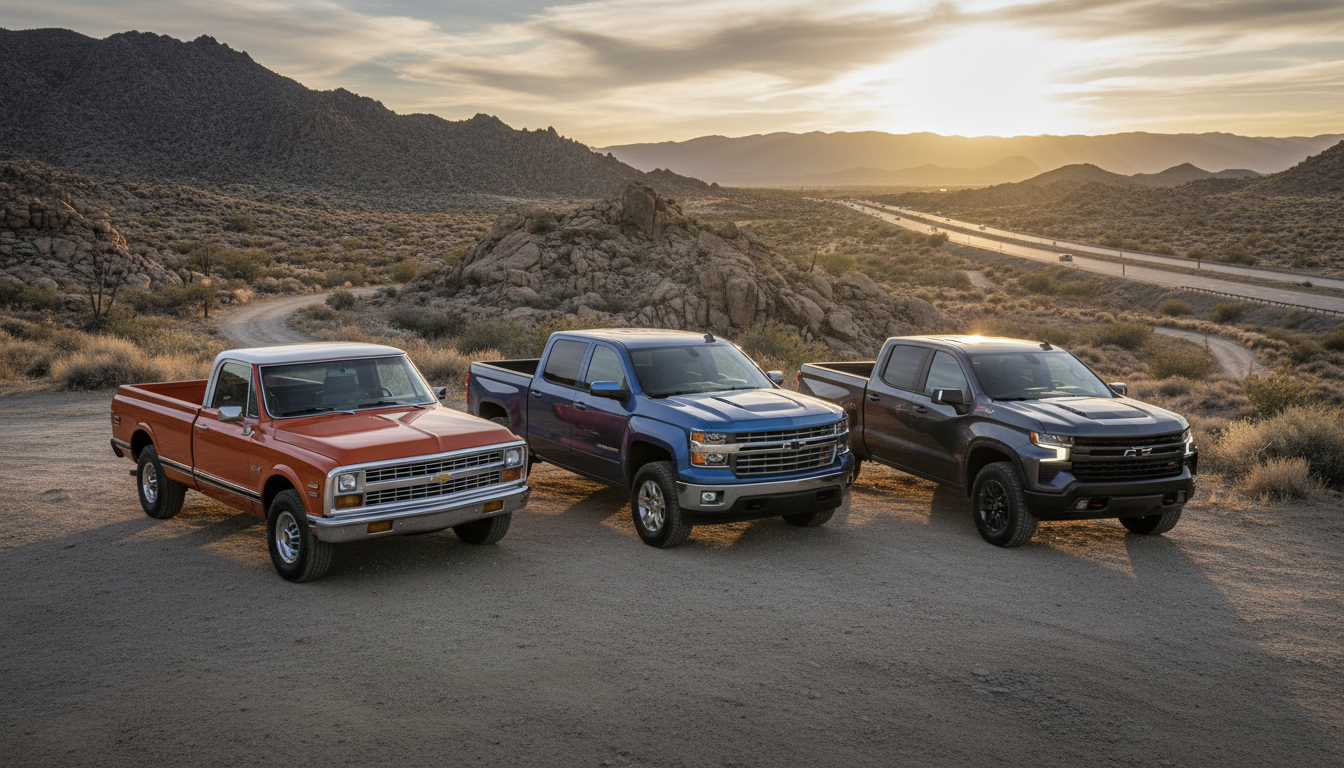
The Best Chevy Silverado Years to Buy
We aims to help U.S. shoppers spot the most dependable used truck options and avoid costly surprises. Match real-world needs to model choices by assessing maintenance patterns and long-term reliability.
Not every model is perfect. It separates standout ranges from higher-risk ones using complaint trends, recall volume, and service history. You will get practical signals to judge a used chevy silverado before they sign.
Coverage includes key generations (GMT800, GMT900, K2XX, T1XX) so you can see how engineering changes affect durability and repair costs. It previews what to watch for on a test drive, which documents to request, and common repairs that flip a good deal into an expensive mistake.
Help shoppers choose a used chevy silverado that fits daily commute, towing, hauling, or work use with predictable ownership costs and strong value.
How to Use This Buyer’s Guide to Shop Smarter for a Used Chevy Silverado?
Use patterns in complaints and recalls to separate lower-risk trucks. The focus is on reliability history and repeat owner reports, not price alone.
What “best” means here?
Best in this guide means a model year with fewer repeat failures, lower-severity complaints, and a recall record that a second owner can manage. Check the VIN for open recalls and review service history before you buy.
Quick note on the 1500 vs other models
The Silverado 1500 half-ton is the most common used target. Heavy-duty models use different engines and transmissions, which change repair costs and longevity.
- Use complaints and recalls as risk flags: single reports are noise; patterns across owners matter.
- Cross-check reliability history with the specific vehicle maintenance and past repairs change outcomes.
- Shortlist safer model years first, then filter by service records, mileage, and a pre-purchase inspection. This way you shop smarter for a used chevy.
| Model | Typical Issues | What to Verify |
|---|---|---|
| Silverado 1500 | AFM/DFM, electronics | Service history, VIN recalls |
| HD models | Transmission, diesel maintenance | Engine records, towing use |
| Trim-dependent | Infotainment, 4WD hardware | Option list, module updates |
Best Chevy Silverado Years That Stand Out for Reliability and Value
Certain model runs stand out because they balance simple mechanics with proven longevity. These picks lean toward trucks that offer predictable service costs and fewer high‑severity complaints.
Late GMT800 favorites: 1999–2006
Why they rank well: simpler electronics, proven V8 drivetrains, and a long track record in hard use. Independents know these platforms, and parts are cheap and common.
Value comes from predictability. Rust control and routine oil service keep ownership costs manageable.
Late GMT900 sweet spot: 2011–2013
These model runs arrived after early AFM issues were better understood. They offer newer comfort without taking on the highest early‑production risks.
Late K2XX pick: 2018
By the end of the generation, many production bugs were ironed out. Reports show fewer issues, so 2018 often balances modern features with solid reliability.
- Shortlist years commonly cited by shoppers: 2012, 2013, 2017, 2018 — they blend features, resale stability, and lower complaint volume.
- Match power and performance to use: stronger engines tow better, but maintenance habits matter more than badges.
- Always verify service records, fluid change history, and that known trouble items were fixed before buying.
| Model Range | Strength | What to Verify |
|---|---|---|
| Late GMT800 | Proven V8s, simple systems | Rust, brake and suspension wear |
| 2011–2013 GMT900 | Improved AFM handling, newer comfort | AFM service history, oil change records |
| 2018 K2XX | Refined late‑cycle build, fewer reports | Electronics updates, A/C function |
Chevy Silverado Model Years to Avoid Based on Common Problems and Repair Risk
Some model runs show repeating faults that raise repair risk and long‑term ownership costs.
Early GMT900: 2007–2011
These model years often surface for oil consumption and lifter noise. Reports link the symptoms to AFM/DFM systems that can mask deeper engine faults.
Owners note that unchecked oil use and ticking lifters may lead to expensive repairs. Check service records for AFM fixes and oil‑consumption repairs.
Early K2XX trouble: 2014–2016
Mid‑2010s trucks show repeat A/C condenser leaks and transmission shudder or harsh shifts. These issues are common in complaint logs and can be costly out of warranty.
2014, in particular, had many recalls and electrical complaints. Demand proof that recall work and transmission service were completed.
Early T1XX concerns: 2019–2021
Newer trucks carry DFM lifter failures and isolated engine bearing reports. Those engine issues raise the repair‑risk profile quickly when untreated.
2019 drew several major recalls covering shifting, visibility, and stability systems. Confirm recall completion before you buy.
- Why these model years avoid: recurring problems especially with engine or transmission cost more than one‑off fixes and can affect safety systems. On a test drive, treat warning lights, odd steering feel, or inconsistent braking as safety flags not minor annoyances.
- Practical takeaway: these model years aren’t automatic rejects, but demand recall completion proof, full service invoices, and a stricter pre‑purchase inspection.
| Range | Common problems | What to verify |
|---|---|---|
| 2007–2011 | Oil consumption, lifter noise | AFM service, oil change history |
| 2014–2016 | A/C leaks, transmission shudder | Recall work, transmission service |
| 2019–2021 | DFM lifter failures, engine bearing issues | Engine inspection, recall completion |
Reliability by Generation: How Silverado Engineering Changes by Model Year
Each platform brings tradeoffs: simpler hardware or more tech, and those choices change ownership risk.
GMT800: Easier V8 service
The GMT800 runs with fewer modules and simpler wiring. That reduces diagnostic time and parts cost.
For a silverado 1500, older engines and basic systems often mean cheaper, faster repairs.
GMT900: AFM and transmission can make or break ownership
AFM operation and automatic transmission behavior define long-term comfort. Ask for AFM service history and transmission records.
K2XX: More tech, more complaint hotspots
Late-generation comfort adds A/C, steering assistance, and electronics. Those systems increase complexity and reported issues.
T1XX: New materials, early bugs
Early T1XX models show software-controlled lifter and bearing concerns. Updates and revised parts often fix these after initial runs.
- Smart shopping tip: identify the generation, then ask targeted questions about known weak points.
- Later-in-cycle benefit: late model revisions usually include updates that improve reliability.
| Generation | Strength | Common issues |
|---|---|---|
| GMT800 | Simple V8s | Rust, wear items |
| GMT900 | Improved comfort | AFM, transmission |
| K2XX / T1XX | More tech | A/C, steering, electrical, lifters |
Recurring Chevy Silverado Problems to Know Before You Buy
Many common ownership headaches are easy to spot if you know which symptoms to watch for on a test drive. Below are the repeat issues that show up in owner reports and inspection notes.
AFM/DFM lifter failures and oil consumption
Symptoms: ticking at cold start, rough idle, blue smoke, or low oil level between changes.
Ask for: oil-change records and any lifter/cam repairs or engine invoices.
Transmission shudder and harsh shifts
Shudder or slamming can appear at light throttle, steady cruise, or during low-speed stop-and-go. A transmission fluid service history matters here.
A/C condenser leaks and cooling weakness
Weak cooling at idle or inconsistent vents often means a condenser leak. Repeated recharges are a red flag for unresolved leak issues.
Electrical glitches
Look for screen blackouts, battery drain, random warning lights, or shutdowns. Ask for a stored-code scan even if the dash looks clear.
Steering, stability, and safety checks
On a test drive verify smooth steering, no pull, and no ESC/Stabilitrak warnings. Check braking feel, headlight reach, and LATCH access for child seats.
Quick buyer tip: translate symptoms into questions and service requests drivers notice sounds, smells, and feel before codes appear.
| Issue | Common Sign | What to Request |
|---|---|---|
| AFM/DFM lifters | Ticking, oil loss | Oil logs, engine repairs |
| Transmission | Shudder, harsh shift | Fluid history, road-test |
| Electrical / A/C | Black screen, weak A/C | Code scan, A/C service records |
Choosing the Right Engine and Drivetrain for Your Needs
Pick an engine and drivetrain that match daily habits commuting, towing, or heavy jobsite duty demand different setups.
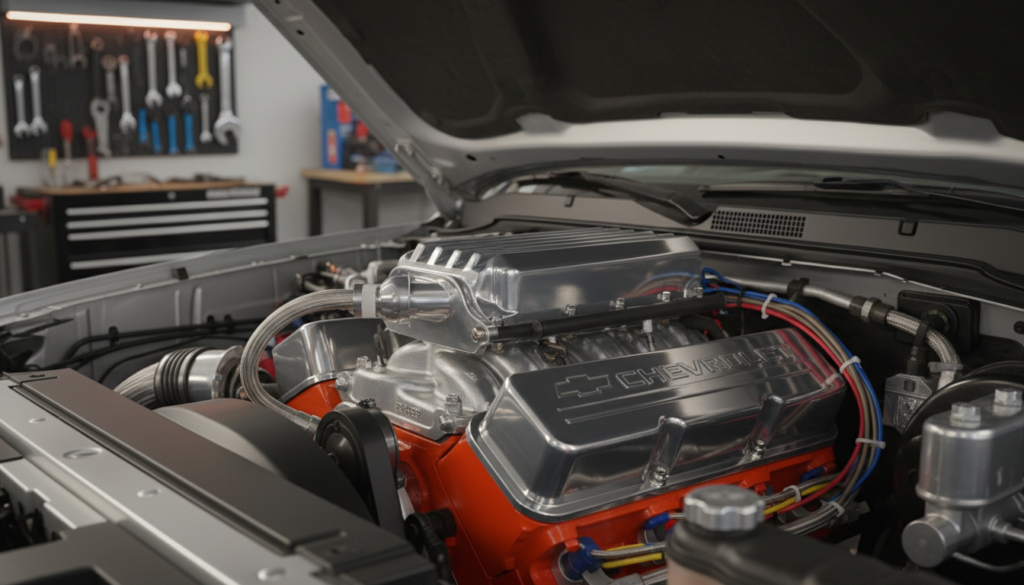
Gas vs diesel ownership tradeoffs
Diesel delivers strong torque and towing efficiency but can cost more to maintain. Higher-mileage diesel trucks deserve a coolant check for oil or fuel contamination in the overflow. This flags expensive oil‑cooler or head issues.
Gas engines usually cost less to repair and are easier to service for routine work and commuting.
Matching power to purpose
Daily driving favors smooth shifts, low running costs, and predictable service intervals. Towing and hauling need sustained torque, cooling capacity, and transmission stability under load.
What to verify on 4WD systems?
Test engagement, listen for odd noises, and confirm transfer-case software updates. A 2015-era recall noted a transfer-case glitch that could leave a truck in neutral; confirm recall completion on affected models.
Quick checklist: coolant inspection for diesels, towing road‑test, 4WD engage/disengage test, and recall/VIN verification.
| Use | Recommended setup | What to verify |
|---|---|---|
| Commuting | Gas engine, 2WD | Shift smoothness, fuel economy |
| Towing/Hauling | Diesel or high-torque gas, heavy cooling | Transmission service, cooling system |
| Work sites/All-weather | 4WD, durable drivetrain | 4WD operation, transfer-case software |
Used Silverado 1500 Test Drive and Inspection Checklist
A solid used truck check starts with paperwork, then proceeds to sound, sight, and feel checks.
Before you drive
Run a VIN recall check and get proof recall work is closed. Review service records for steady maintenance, not long gaps.
Confirm ownership history. Fewer owners can help, but the key is documentation showing known fixes were done.
Cold-start checks
Listen for a lifter tick at startup. Watch for blue or heavy smoke from the exhaust.
Check oil level and condition. Dark, gritty oil or low level signals neglect or internal wear.
On-road feel
Plan a meaningful test drive about 15–20 minutes with mixed speeds.
Evaluate transmission shift quality under light and moderate throttle. Note vibration at cruise speed and how steering responds.
Test braking for firm, even feel and no pull.
Cabin and electronics
Verify A/C cools continuously. Watch the infotainment screen for flicker or blackouts.
Scan for intermittent sensors and warning lights. Ask for a recorded code scan if possible.
Undercarriage and body
Inspect rust‑prone spots: rocker panels, frame rails, and bed mounts. Check brake lines and visible hoses for corrosion.
Look under for leaks around the transmission, engine, and axles.
Warranty and coverage reminders
Check remaining warranty and emissions coverage. Federal emissions may apply up to 8 years/80,000 miles on some components.
Knowing what warranty remains can change whether a higher‑mile model is smart in today’s market.
| Check | What to look for | Action |
|---|---|---|
| VIN/Recalls | Open recalls, completed repairs | Get paperwork, confirm closure |
| Cold start | Lifter tick, exhaust smoke, oil level | Reject if clear signs of neglect |
| Road test | Shift quality, vibration, steering | Note issues for mechanic review |
| Electronics | A/C, screen, warning lights | Request code scan and proof of fixes |
| Underbody | Rust, brake lines, leaks, frame | Inspect closely or get lift inspection |
Conclusion
A smart used pickup buy starts by spotting repeat faults and confirming documented fixes.
Don’t chase a single model year. Instead, avoid repeat-problem runs and choose the best‑maintained vehicle you can verify.
Late‑cycle models often benefit from fixes and refinements, so they make stronger candidates in the used market. Model ranges with heavy complaint or recall histories demand closer scrutiny.
Final decision flow: pick a safe range, match engine and drivetrain to your needs, then let test-drive notes, service records, and a pre‑purchase inspection decide between individual trucks.
Do a recall check, drive for feel, and get a PPI. That combination reduces risk and helps you buy with confidence.
FAQ
Which model years are commonly recommended for reliability and lower ownership cost?
Several era-specific picks tend to show better reliability and value: late GMT800 trucks from 1999–2006 for their simpler V8s; select GMT900 examples around 2011–2013 after early AFM fixes; and K2XX-era examples like 2018 that blend updated features with fewer widespread complaints. Focus on examples with full service records and a clean vehicle history report.
What model years should buyers avoid due to recurring mechanical problems?
Years with frequent owner complaints include early GMT900 models (2007–2011) for oil consumption and lifter noise, K2XX early years (2014–2016) for A/C and transmission issues, and some early T1XX examples (2019–2021) linked to DFM lifter failures and bearing concerns. Look up recall history and common service bulletins before committing.
What are the most common engine and lifter issues, and how do I spot them during a test drive?
AFM/DFM systems can cause lifter ticking and excess oil use. Check for a loud tick at cold start, blue exhaust smoke, and oil level drops between services. Request cold-start video or perform a cold-start inspection. Also review maintenance receipts for oil-change frequency and any lifter or cam repairs.
How important is the transmission in choosing a reliable example, and what symptoms indicate trouble?
Very important. Problem signs include harsh or delayed shifts, shudder during acceleration, slipping, and “slamming” gear changes. On the road, test across full RPM range with light and heavy throttle, and note any hard shifts or hesitation. Verify transmission service history and any TSB work performed.
Which engine and drivetrain choices make the most sense for towing or heavy-duty use?
For towing and heavy hauling, choose a durable V8 or a diesel option where available, paired with a heavy-duty suspension and a rated tow package. Diesel offers better torque and longevity under load but carries higher maintenance costs. Confirm gross vehicle weight rating (GVWR) and inspect cooling, brakes, and transmission cooling systems.
What should be on my inspection checklist before buying a used 1500 model?
Key checks: VIN recall lookup and service records; cold-start observation for lifter or smoke issues; transmission shift quality during varied loads; A/C and infotainment behavior; undercarriage rust, brake-line condition, and frame integrity; and evidence of timely oil changes. A pre-purchase inspection by an independent diesel- or truck-savvy tech is highly recommended.
Are there recurring electrical, A/C, or steering problems to watch for in mid‑2010s trucks?
Yes. Mid‑2010s trucks have higher reports of A/C condenser leaks, infotainment black screens, battery drain, and intermittent warning lights. Steering complaints can include looseness or stability-system faults. During a test drive, test systems multiple times and inspect underhood components for corrosion or loose connectors.