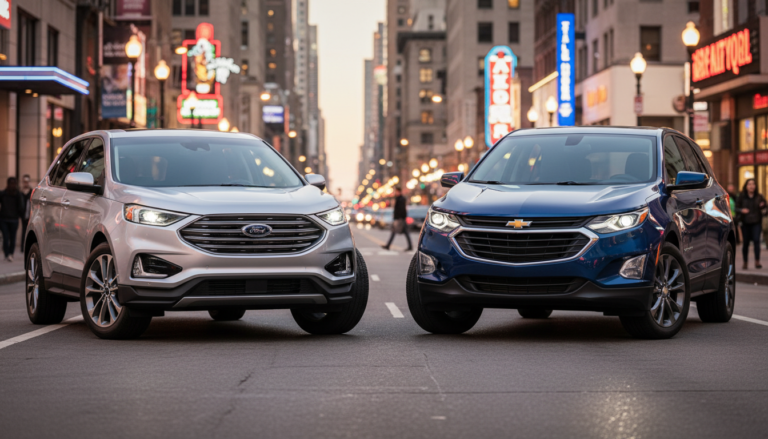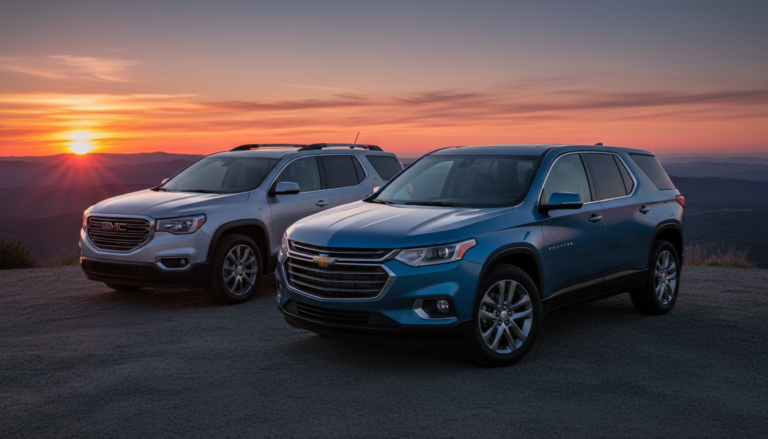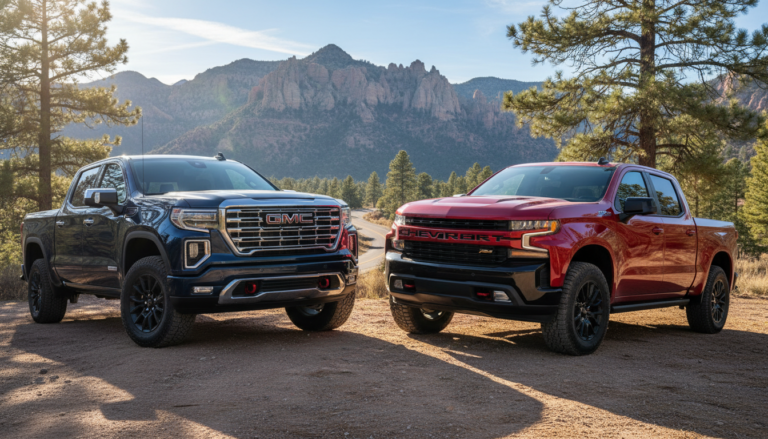
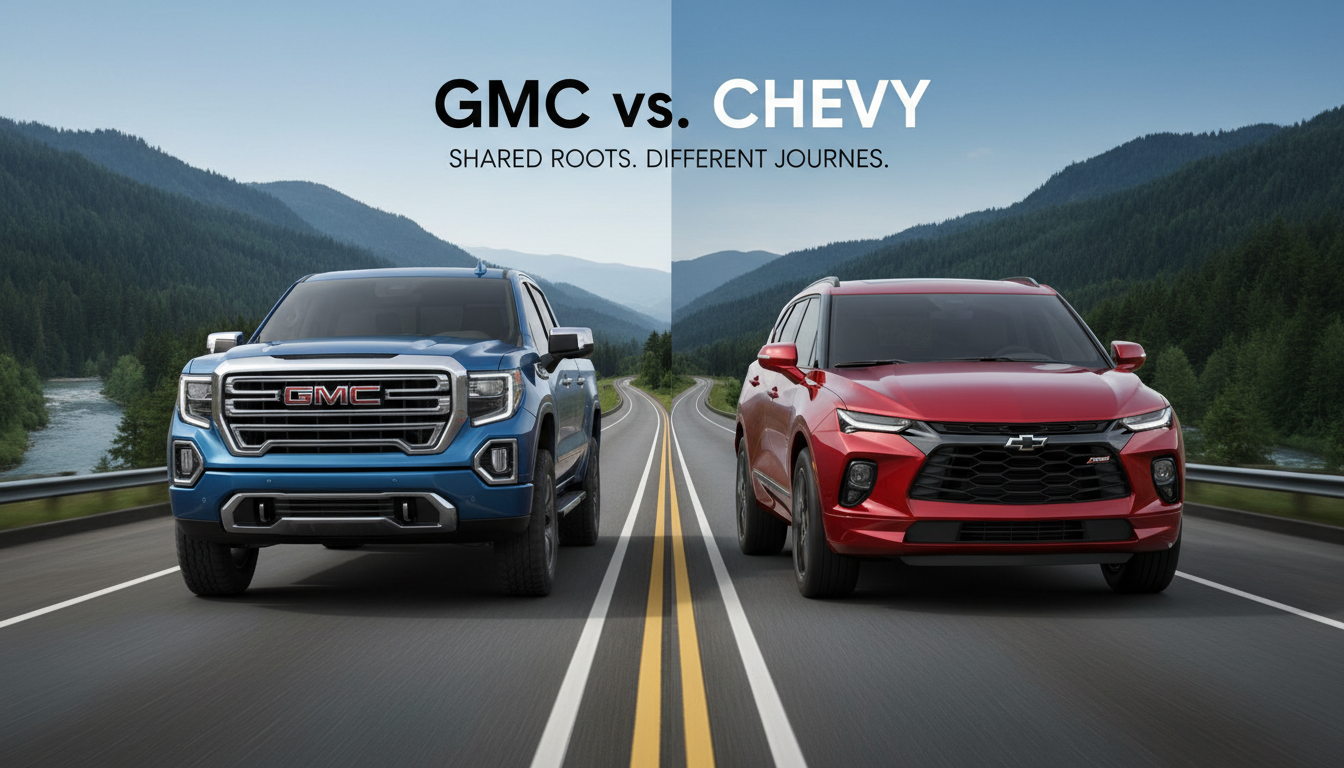
Are GMC and Chevy the Same? The Truth Behind Both Brands
Are gmc and chevy the same? Both sit under General Motors, but that fact hides lots of nuance. This intro explains why shoppers often compare these two brands in today’s U.S. truck market.
Many pickups and SUVs share platforms, engines, and assembly lines. That shared engineering makes gmc chevy models look and feel close on paper. Still, buyers notice real differences when they test drive.
It will use three lenses: shared platforms and drivetrains, brand positioning mainstream versus premium utility and trim-level features that shape driving feel. You will learn how each brand targets budgets, comfort, and intended use like work, family, or towing.
Expect practical tips for current shopping, plus a brief history to explain how these two brands evolved into distinct truck and SUV options in today’s market.
What GMC and Chevy share today under General Motors?
Both labels sit inside General Motors, yet they target different buyers with distinct badges and trim plans. A short, clear view helps shoppers decide fast.
Same parent company, different divisions
General Motors owns both divisions. That corporate link explains shared strategy while allowing brand identity to diverge. Think of them as two brands that borrow common resources but aim at different buyers.
Why vehicles look and feel similar?
Shared platforms, powertrains, and factory assembly lines produce similar core layouts. This makes related models handle and tow similarly when equipped alike.
Where “mechanically identical” is true and where it’s not?
Many trucks are mechanically close at a chassis level. Differences arrive in interior materials, trim strategy like Denali or AT4, and unique bed or tailgate tech. That split shapes driver experience and perceived value today.
- Quick mental model: Chevrolet targets broad value; GMC targets premium utility.
- Real-world overlap: comparable towing ratings, similar maintenance items.
| Shared | Distinct | Why it matters |
|---|---|---|
| Platform, engines | Interior trim | Cost, comfort, resale |
| Assembly lines | Trim packages | Market position |
Brand history and how two brands became one corporate family?
Looking back at key years helps explain how distinct truck names became corporate siblings.
Early timeline highlights
GM began in 1908 under William C. Durant. Chevrolet started in 1911. GM Truck Company formed in 1911, then took the GMC Trucks name by 1912.
Consolidation over time
Chevrolet joined GM in 1918 via a controlling interest. GM’s purchase of gmc trucks unfolded across years, finishing by 1943. The company later shortened the name gmc to a single-word brand in 1998.
Why products looked alike, then split?
Through much of the 1960s differences were cosmetic, such as dual versus quad headlights. By 1973 those cues largely vanished.
- Commercial focus pushed one brand toward tougher specs.
- Trim strategy pushed the other toward wider consumer appeal.
| Year | Event | Impact |
|---|---|---|
| 1908 | GM founded | Corporate base formed |
| 1911–1912 | Chevrolet started; GMC Trucks named | Separate name plates existed |
| 1918–1943 | Consolidation into GM | Brands under one company |
At shopping time, these history points explain why modern buyers see style, trim, and equipment differences more than mechanical divides. That helps when choosing between a premium-leaning brand or a value-focused name gmc chevrolet comparison.
Are gmc and chevy the same when it comes to platforms and drivetrains?
Underneath their bodywork, several pickup models use a common structural skeleton. In simple terms, a platform is the shared frame, mounting points, and hardpoints that hold engines, suspension, and cabins together.
Shared foundations let GM cut costs. The sierra 1500 and chevrolet silverado often ride on that same base. That explains why many metrics tow ratings, payload, and basic handling track closely when trucks match specs.
Why drivetrains feel similar/
Engines, transmissions, and 4WD systems usually come from one parts family. When a gmc sierra uses the identical V8 and gearbox as a chevrolet silverado, acceleration and towing feel alike.
Where differences matter?
Tuning, trim levels, unique hardware, and feature packs change day-to-day usability. Since 2019, styling and tech packaging moved both models apart, so badge choice affects perceived comfort and feature set.
- Shopping tip: Compare like-for-like configurations engine, drivetrain, bed length, and trim before assuming one truck drives better than another.
| Topic | Shared | Distinct |
|---|---|---|
| Structure | Platform/frame | Grille, lights |
| Powertrain | Engine families | Tuning, calibration |
| Experience | Towing baseline | Interior feel |
Lineup differences: cars vs trucks, SUVs, and vans
Lineup choices reveal how each brand targets different buyer needs across cars, trucks, and utility vehicles.
Chevrolet’s wider range: sedans, sports cars, more categories
One brand offers a noticeable wider range of cars and performance options. Examples include the Malibu for commuters and Camaro or Corvette for performance fans.
That brand also sells multiple SUV sizes for families and compact crossovers that serve city drivers. This helps shoppers find a car or SUV at many price points.
GMC’s focus: trucks and SUVs only, positioned as premium utility
gmc offers mostly trucks and rugged SUVs with upscale trims. Fewer models mean more attention to towing, interior finish, and heavy-duty options.
What this means for shoppers?
A commuter seeking a compact daily driver will likely land in the broader catalog. Buyers who need a refined pickup for work or towing may prefer the premium truck lineup.
Electric direction
On electric vehicles, gmc offers headline products like the Hummer EV and Sierra EV Denali. The other label spreads EVs across several segments: compact, midsize, and full-size pickup options.
- Shopping note: When two GM vehicles share size or class, compare trim, price, and features to find the best fit.
| Focus | Typical models | Who benefits |
|---|---|---|
| Wider range | Malibu, Camaro, multiple SUVs | Commuters, performance buyers |
| Premium utility | Sierra, Hummer, heavy-duty SUVs | Towing-focused buyers |
| EV approach | Equinox EV, Silverado EV, Hummer EV | Shoppers at many price points |
Design and interior: “Is GMC just fancy Chevy?”
Exterior cues and interior finish often tell buyers more than engine specs do. A premium badge usually signals styling choices, not new underpinnings.
Exterior styling cues
Grille patterns and lighting signatures give a bolder presence. Look for squared-off fronts, larger grille textures, and unique LED signatures that create an aggressive stance.
These details change how a pickup reads in a parking lot. They also affect resale perception for some buyers.
Cabin materials and comfort
Inside, upgraded touchpoints matter. Expect leather, contrast stitching, and metallic or wood-like trim that raise perceived comfort.
Luxury touches improve long-drive comfort and reduce road noise. That makes cabin quality a tangible advantage for buyers who value quiet and refinement.
Trim-level reality
Entry-level models from one brand often match mid-level equipment from its sibling. In practice, a base badge may include features that require stepping up trims on the other label.
Compare trims side-by-side with a checklist of features seating, infotainment, driver aids to avoid overgeneralizing. If comfort and premium finishes matter, higher cost often reflects real value.
- Quick rule: match trim-to-trim, not badge-to-badge, when judging value.
| Area | Typical premium cues | Why it matters |
|---|---|---|
| Exterior | Bold grille, LED signature | Stronger curb appeal |
| Interior | Leather, upscale trim | Comfort on long trips |
| Trim logic | Base vs mid-level parity | Shopping requires comparison |
Features and trim strategy that separate GMC trucks from Chevrolet trucks
Trim choices drive real-world differences in comfort, capability, and price. A buyer who compares trims finds why two models on a shared frame feel distinct.
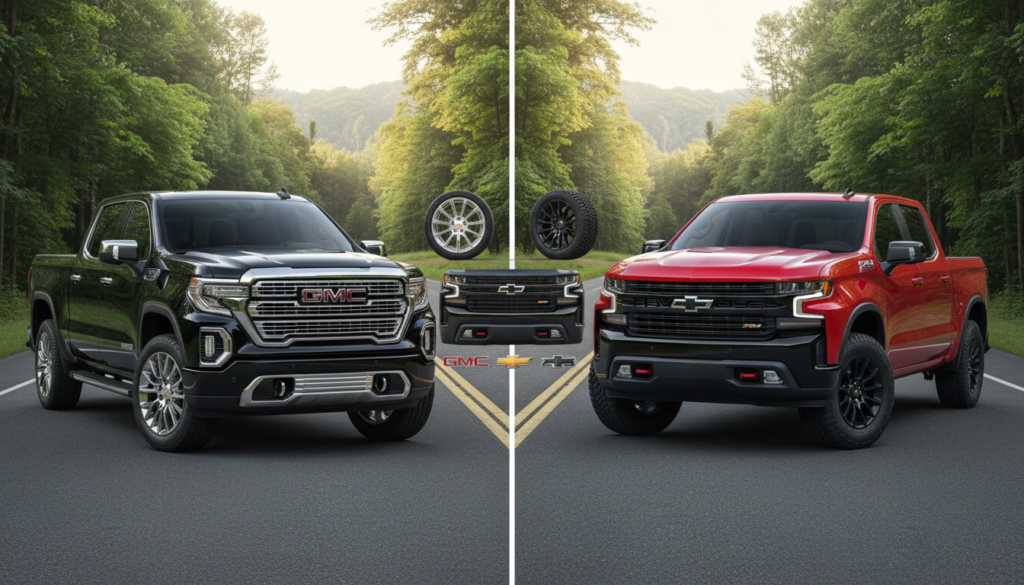
Premium and off-road identities
Denali focuses on luxury touches: soft leather, refined trim, and quieter cabins. AT4 targets off-road use with tuned shocks, skid plates, and chunky tires.
Performance and value counterparts
Silverado ZR2 is an off-road halo for customers who want aggressive hardware. Work-to-play trims fill value slots for fleets and weekend users.
Tailgate and bed tech
MultiPro versus MultiFlex matters for daily bed use. Both add steps and surfaces, but placement and load features differ in small, practical ways.
Model-specific perks and bundles
CarbonPro bed on a sierra 1500 illustrates premium materials that cut weight and resist dents. Option bundles often unlock driver aids, larger screens, and upgraded audio.
- Buyer checklist: tailgate, bed material, seating surfaces, driver-assist suite, off-road hardware.
| Area | GMC trim focus | Chevrolet trim focus |
|---|---|---|
| Luxury | Denali level interior | High-end cloth or leather |
| Off-road | AT4 tuned suspension | ZR2 performance hardware |
| Bed tech | MultiPro functions | MultiFlex panels |
| Special | CarbonPro bed example | Value-oriented packages |
Price and value: why GMC usually costs more than Chevy?
MSRP often shows clear intent: one pickup sits above its sibling in dealer price lists. For many shoppers, the gap between a sierra 1500 and a comparable silverado starts at sticker price and grows with options.
MSRP positioning with a familiar comparison
The sierra 1500 typically carries a higher starting MSRP. That placement lets the company position one brand as premium on the market.
What buyers pay for in concrete terms?
Expect more standard premium equipment, upgraded cabin materials, and trim packs that bundle comfort and tech. That reduces the need to add costly options later.
Quality-control inspections and pricing
Extra inspections add labor time. More checks at final assembly raise production cost, which manufacturers pass to dealers and buyers via higher MSRP.
- Value beyond sticker: resale expectations, daily comfort, and included items can justify a higher outlay.
- Budget tip: compare out-the-door cost after matching towing package, driver aids, leather seats, and audio.
| Area | Typical difference | Why it matters |
|---|---|---|
| MSRP | sierra 1500 higher | Premium positioning |
| Standard equipment | More bundled features | Less need for options |
| Quality checks | Extra inspections | Higher labor cost |
Price does not automatically equal better long-term reliability. Buyers should separate premium feel from proven durability when judging value. The next section explains how toughness and reliability hold up in real use.
Reliability, durability, and “truck toughness” claims
Work-site needs shaped early component choices that still show up in today’s pickups.
Commercial roots explain why a brand first pitched durability. Contracts with builders and fleets pushed engineers toward heavier brakes, beefier axles, and tougher suspension parts.
Components that matter translate to owner benefits. Stronger brakes improve stop stability when towing. Tuned suspension keeps control on rough roads. Robust transmissions resist heat under load. Axle choices affect long‑term wear and payload handling.
Real-world reliability checklist
- Verify service history for regular oil, filter, and transmission checks.
- Match past use: fleet or construction use raises wear risk versus personal use.
- Compare similarly equipped models when judging longevity trim changes add stress.
Test-drive cues reveal hidden issues. Note brake feel, shift smoothness, suspension control, and any cabin rattles. Small drawbacks often predict bigger repair bills later.
| Area | What to inspect | Why it matters |
|---|---|---|
| Brakes | Pad wear, rotor condition, pedal firmness | Safety under load |
| Suspension | Shock leaks, odd noises, alignment | Ride comfort, tire life |
| Transmission | Shift quality, fluid service records | Towing reliability, repair cost |
| Axles | Seals, differential noise, gear ratio | Payload durability, drivetrain stress |
Reality check: badge alone does not guarantee long life. Model year, engine choice, and upkeep usually predict outcomes better than label. For shoppers focused on longevity, check records and match a model and trim to intended use.
Brand note: mention of gmc chevrolet reflects historical ties within general motors and how those ties affect component sharing across some models and vehicles.
Conclusion
In short, badge choice often reflects buyer priorities more than raw engineering. For many shoppers, gmc chevy links explain shared parts while brand cues show intent. These two brands sit under general motors, yet they aim at different buyers.
One label offers a wider line, value focus, and broad appeal. The other leans premium with Denali and AT4 trims. Compare chevy gmc and gmc chevrolet pairings for exact models before deciding.
Where real differences matter: interior finish, standard equipment, and unique bed or tailgate options. That single difference can change daily usefulness for a vehicle owner.
Decision rule: pick broad range when budget and choice matter; pick premium when comfort and bundled features matter. Then build two side-by-side spec sheets, check price against needs, and decide using facts from general motors sibling platforms and features across vehicles.
FAQ
What is the main relationship between GMC and Chevrolet today?
Both brands are divisions of General Motors. They often share platforms, engines, and assembly lines, which cuts development cost and speeds production. Each brand keeps a separate identity: Chevrolet covers a wider range of cars, crossovers, trucks and performance models, while GMC focuses on trucks and SUVs positioned toward a more premium, utility-oriented buyer.
Do Sierra and Silverado use the same mechanical parts and drivetrains?
In many cases yes. Sierra 1500 and Silverado use common platforms and powertrains, so riding and towing characteristics can match closely. Automakers may still fit different suspension tuning, axle ratios, or cooling packages, so real-world behavior can differ by trim and option.
Why does GMC usually cost more than Chevrolet for similar models?
GMC trims often include higher-grade interior materials, additional standard features, and unique trims such as Denali or AT4. Dealers also position pricing to reflect a premium image, which raises MSRP even when basic underpinnings match Chevrolet models.
Is GMC just a fancier version of Chevrolet?
Not exactly. Some GMC trims effectively upscale comparable Chevrolet variants through better cabin finishes, exclusive features, and different suspension or towing options. Still, core engineering and many components remain shared, so the distinction is largely in packaging and brand positioning.
How did both brands end up under the same company historically?
General Motors formed in 1908 and grew by acquiring or creating multiple marques. Chevrolet launched in 1911 and became part of GM structure soon after; GMC began as a truck maker in 1912 and consolidated into the GM family over time. That corporate history explains overlapping product strategies today.
Which brand should a buyer choose for towing and work use?
Choose based on trim and options rather than badge alone. Both Sierra and Silverado offer heavy-duty configurations, strong towing packages, and commercial-grade components. For buyers who want factory-premium comfort with work-capable hardware, GMC’s higher trims may suit; value-focused buyers often prefer Chevrolet.
How do electric and off-road models differ between the two brands?
Both brands are expanding EVs and off-road variants. GMC markets high-profile EV trucks like the Hummer EV and Sierra EV with premium tech and unique branding. Chevrolet offers a broader EV lineup across segments. Off-road hardware and performance models (ZR2, AT4, etc.) vary by tuning and exclusive equipment rather than core architecture.