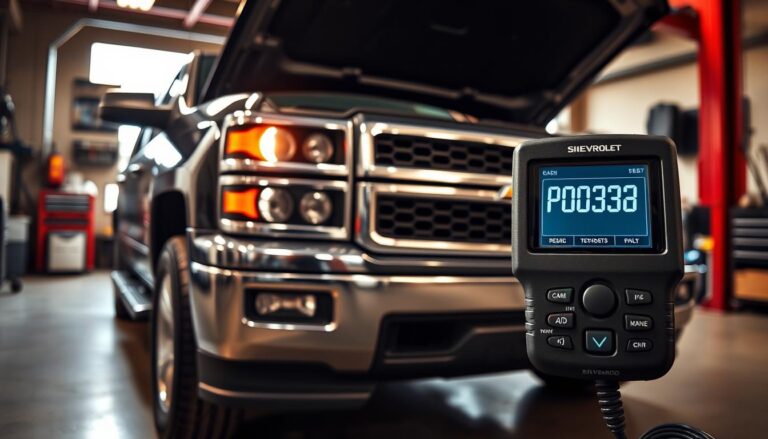
Engine Power Is Reduced Chevy Malibu: How to Reset & Fix?
Seeing the ‘Engine Power is Reduced’ message on your Chevy Malibu dashboard can be terrifying. It often happens when you need power the most—merging onto a highway or climbing a hill—forcing the car into ‘Limp Mode’ where it struggles to exceed 30 MPH.
First, Don’t Panic. This is a safety feature, not a death sentence for your engine. The car’s computer (ECM) has detected a data mismatch—usually in the airflow or throttle system and is limiting power to prevent damage.
The Usual Suspects by Model Year:
- 2013–2015 Models: Often plagued by a faulty Accelerator Pedal Position (APP) sensor or wiring issues. GM addressed some of this with Special Coverage N182188250, but many cars still face throttle body glitches.
- 2016–2022 Models: If you hear a hissing sound, the culprit is likely a cracked Charge Air Cooler (CAC) outlet tube. When this plastic pipe bursts, the turbo loses pressure, triggering codes like P0101 or P1101.
Whether you are dealing with a simple dirty sensor or a blown intake hose, this guide helps you decode the symptoms, check the P-codes yourself, and decide if it’s a DIY fix or a dealer visit.
Understanding the Warning: What “Engine Power Reduced” Means?
The “Engine Power Reduced” message means your car’s engine control unit (ECU) found a problem. It’s cutting power to avoid more damage. The ECU checks many sensors like throttle position and fuel pressure.
When it sees something off, it reduces torque and throttle. This helps protect important engine parts.
How the vehicle’s computer responds to detected faults?
The ECU logs trouble codes and turns on the Check Engine Light. It might show a message on the dashboard and save data for mechanics. Some problems cause power loss right away, while others wait for confirmation.
Common dashboard warnings like the Service ESC Chevy Silverado light often point to simple sensor failures rather than major engine trouble.
Why the system limits engine output to protect components?
By limiting torque, the system reduces stress on parts. This helps avoid damage to things like turbochargers and fuel pumps. It keeps your car safe and prevents expensive repairs.
Differences between a temporary limp mode and persistent power reduction
Limp mode is a short-term fix that limits the throttle. It helps you get to a safe place or a repair shop. If the problem comes back after a reset, it’s a sign of a bigger issue.
For engine problems, simple resets might help. But, they don’t replace a proper diagnosis. Use diagnostic tools to read codes and find the right fix. If power loss keeps happening, use an OBD-II scan and inspections to find the cause.
Engine power is reduced Chevy Malibu
The “Engine Power Reduced” message on a Chevrolet Malibu means the powertrain control module has cut engine power. This is to protect the engine. Drivers should remember when this message pops up, what they were doing, and any sounds or issues with driving.
Writing down fault codes helps a mechanic find the problem quickly. This makes fixing the car faster.
Common model years affected and reported patterns
GM had a recall for 2013–2015 Malibu models. The fix was a software update. This was to stop cars from going into limp mode unexpectedly. Over 300,000 cars were affected.
For 2018–2022 Malibus, owners have seen engine problems. These are linked to the charge air cooler outlet tube and parts related to it. Fixes have been for sensor wiring and tubing issues.
Typical driving scenarios when the message appears
The warning often shows when you press the gas hard. This is during merging, passing, or going up hills. Sudden gas pedal use can make the module cut power.
It can also show at idle or during slow driving. This is when sensors pick up odd readings. Knowing the exact situation helps figure out if it’s a load issue or something else.
Dashboard indications often seen with this message
Common signs include “Engine Power Reduced” on the screen. Or a shorter “Reduced Power” message with the Check Engine Light/MIL. You might also notice the car doesn’t respond as well to the gas pedal.
Some can’t reach high speeds or keep up with acceleration. If the car stalls, misfires, or makes strange noises, write it down. This helps the mechanic diagnose the problem better.
Common Causes of Reduced Engine Power in Chevy Malibu
The Chevy Malibu can enter a reduced-power state for several reasons. Drivers see this message when accelerating or merging. This section lists common mechanical and electrical faults, explains how they limit power, and suggests fixes and tests.
Most issues come from airflow, fuel delivery, ignition, and sensor circuits. Each problem can cause a limp mode or ongoing power loss. Knowing these causes helps owners and technicians focus on the right repairs.
Throttle body contamination or mechanical failure
Build-up on the throttle plate or bore limits airflow and confuses the electronic throttle control. Sticking linkage or worn actuators cause erratic throttle response. Cleaning the throttle body often fixes the issue. Severe wear or damaged motor assemblies need replacement.
Faulty accelerator pedal position sensor and related wiring
Intermittent connections, corrosion, or damaged harnesses at the accelerator pedal position sensor can cause reduced power. General Motors has special coverage for this issue on some Malibus. Checking connectors and repairing wiring often solves the problem without needing to replace other parts.
Mass airflow sensor (MAF) errors and intake airflow problems
A dirty or failing MAF misreports intake air to the engine control module. This leads to incorrect fuel trims, rough running, and power loss. A clogged air filter or intake leaks make symptoms worse. Cleaning the sensor or replacing a failed MAF usually fixes the issue.
Fuel delivery issues: weak pump, clogged filter, injectors
Low fuel pressure from a weak high-pressure pump or clogged filter limits fuel during load. Faulty injectors that stick or leak cause uneven fueling and misfires. Technical service bulletins have linked fuel pump failures to reduced-power complaints on some model years. Testing pressure, flow, and injector function helps find the cause.
Ignition troubles: spark plugs, coils, misfires
Worn spark plugs and failing ignition coils produce misfires and reduced cylinder output. Persistent misfires can trigger diagnostic trouble codes that force the engine into a limp state. Replacing worn plugs and faulty coils returns combustion stability and often ends the power restriction.
Electrical issues underlie many of these failures. Corroded grounds, loose terminals, damaged harnesses, and blown fuses can interrupt sensor circuits or the throttle control pathway. A careful visual inspection of connectors and grounds helps catch these subtle causes early.
| Fault Area | Likely Symptom | Quick Check | Common Fix |
|---|---|---|---|
| Throttle body | Hesitation, stuck throttle plate, throttle-related DTCs | Visual inspection, throttle relearn test | Cleaning or throttle body replacement |
| Accelerator pedal sensor & wiring | Intermittent power loss, wiring DTCs | Wiggle test at pedal, connector check | Repair wiring, replace pedal sensor |
| MAF / intake | P0101-type codes, rough idle, poor throttle response | Inspect intake, clean MAF, check air filter | MAF cleaning or replacement, fix intake leaks |
| Fuel delivery | Loss under load, low fuel pressure, misfires | Fuel pressure test, injector balance check | Fuel pump or filter replacement, injector service |
| Ignition | Misfire codes, rough running, power drop | Inspect plugs and coils, perform compression/spark tests | Replace plugs, coils, correct timing issues |
| Electrical grounds & harness | Intermittent faults, multiple unrelated codes | Check battery ground, harness for corrosion | Clean/repair grounds, replace damaged wiring |
Knowing these common causes of reduced engine power helps narrow down troubleshooting steps. For Chevy Malibu engine problems, start with simple visual checks and basic sensor cleaning. If the fault persists, follow staged diagnostic tests to find the solution with minimal parts replacement.
Symptoms and How to Recognize Engine Performance Issues?
Drivers often notice a big drop in how well their car runs. At first, the signs might be small. But if your car hesitates or takes too long to speed up, it’s a sign to check.
Sluggish or hesitant acceleration and loss of top speed
When your car doesn’t speed up fast enough, it’s a problem. It might not get to highway speed or lose power when you need it most. This is common when merging or going up hills.
Stalling, rough idle, and increased emissions
A rough idle or stalling in traffic means something’s wrong with how your car burns fuel. If you feel vibrations or smell raw fuel, it’s a warning. These signs can also mean your car uses more fuel and emits more smoke.
Associated warning lights and error messages to watch for
Dashboard lights can tell you a lot. Look for “Engine Power Reduced” or “Reduced Power” messages, along with the Check Engine Light. You might also see alerts about fuel pressure or turbo issues. Codes like P0101, P1101, P0172, P0299, and P0506 can help figure out what’s wrong.
When you notice problems, write down the speed, how hard you were pressing the gas, and where you were driving. Using an OBD-II scanner to get codes can help fix the issue faster.
Diagnostic Tips for Chevy Malibu Engine Problems
Start with a clear process. First, scan stored and pending data with a quality OBD-II reader. Record freeze-frame values and note if codes repeat on a test drive. Keeping a simple log helps later and when you talk to a technician.
Using an OBD-II scanner
Read both active and pending DTCs, then review freeze-frame data. Common OBD-II codes for Chevy Malibu owners include P0101 (MAF performance), P1101 (MAF circuit), P0172 (system too rich), P0299 (underboost), and P0506 (idle speed). Pedal and throttle-related codes can show sensor or wiring faults. Clearing codes and driving helps with intermittent issues.
Visual Inspections
Inspect the throttle body for carbon build-up and the mass airflow sensor for oil or dirt. Check the air filter and intake tract for obstructions. Look at vacuum hoses, intake clamps, and the CAC outlet tube area for leaks or cracks.
Examine wiring, connectors, and grounds for corrosion, bent pins, or loose clips. This is important at the accelerator pedal sensor connector.
Simple electrical and sensor checks
Use a multimeter to check sensor supply voltages and reference signals. Test wiring continuity to the accelerator pedal position sensor and throttle position sensor. Measure fuel pump voltage at the connector during key-on and while cranking.
Check ignition coil resistance and inspect spark plugs for wear or fouling. Basic checks often help find electrical faults.
Document each result and compare against factory specs when possible. When live-data interpretation or pressure testing is needed, recommend dealer-level diagnostics. Clear notes and recorded data shorten shop time and clarify if troubleshooting engine power loss needs simple repair or advanced service.
Troubleshooting Engine Power Loss: Step-by-Step Home Checks
Start with simple, safe checks before calling a shop. These chevy malibu home checks can reveal common faults that trigger a reduced-power message. Work in a well-ventilated area, wear eye protection, and keep a basic tool set and an OBD-II reader handy.
Read and clear codes safely
Use an OBD-II scanner to record stored trouble codes and freeze-frame data. Note the codes, then clear them and perform a controlled test drive. If the engine power reduced warning returns immediately or under load, the issue persists and needs deeper diagnosis. This step is the first of any effective troubleshooting engine power loss routine.
Throttle body cleaning
Remove the intake ducting to access the throttle plate. With the battery connected and engine off, open the plate by hand or follow the OEM procedure. Spray throttle-body cleaner on carbon buildup and wipe away deposits. Reassemble and perform an idle relearn if required. Cleaning often solves airflow-related faults, but replace the throttle body if the plate sticks or the sensor fails.
Air filter, MAF, and intake checks
Inspect the air filter for heavy debris and replace if dirty. Gently clean the MAF sensor with dedicated MAF cleaner; avoid touching the sensing wires. Inspect the intake tract and CAC outlet tube for cracks, collapse, or leaks, specially on model years known for intercooler pipe issues. These chevy malibu home checks reduce false airflow readings that can lead to reduced engine power.
Fuel system checks you can perform
On key-on, listen for a short fuel pump prime from the rear of the car. Look for visible fuel leaks at fittings and hoses. Use quality fuel; many tech notes advise E10/E15 over E85 for some Malibu engines. Replace an accessible external fuel filter if clogged. Avoid testing the high-pressure fuel pump at home; that requires shop tools and caution.
| Check | What to do at home | What it rules out |
|---|---|---|
| OBD-II codes | Record codes, clear, test drive | Intermittent vs persistent faults |
| Throttle body | Clean carbon, inspect plate movement | Contamination vs mechanical failure |
| Air filter & MAF | Replace filter, clean MAF with cleaner | Restricted airflow, bad sensor readings |
| Intake/CAC tubing | Inspect for cracks, collapse, loose clamps | Boost leaks or air metering errors |
| Fuel supply | Listen for pump prime, check for leaks | Obvious fuel delivery problems |
Safety and limits
Disconnect the battery only when recommended by the vehicle manual. Follow OEM relearn steps after throttle work. Avoid attempting high-pressure fuel service or internal pump diagnostics. When basic checks do not reveal the cause, these troubleshooting engine power loss steps show when a pro is needed.
Next step guidance
If home checks point to a persistent fault, document what you found and share codes plus observations with a technician. Clear notes speed resolution and guide how to fix reduced engine power effectively.
When to Visit a Dealership or Certified Technician?
Some problems need special tools and updates to fix right. It’s smart to collect fault codes and notes on when the “Engine Power Reduced” message shows up. This helps when talking to service staff.
Deciding when to take your car in depends on how bad the problem is and what it needs to fix. A technician can tell if it’s just a simple reset or if it’s something more serious that needs dealer help.
Signs the problem needs professional diagnostics or dealer-level repair
If the “Engine Power Reduced” message keeps coming back, it’s time to get help. Sudden stalling or losing power on the highway is also a big warning sign. Codes related to the throttle or fuel pressure need quick action.
Wiring problems, water damage, or issues that keep coming back are best left to a certified tech. If the repair needs special tools or parts, a dealership is the best place to go.
Why dealers can apply software updates, TSB fixes, or special coverage?
Dealerships get updates and fixes directly from Chevrolet. They have the right tools and parts to fix your car right.
TSBs help dealers fix problems like reduced power. They also offer special coverage for certain repairs, which can save you money.
How to check recalls, TSBs, and special coverage using your VIN?
Use your VIN to check for recalls and special coverage. The VIN shows if your car is part of a recall or if you’re eligible for coverage.
Dealers can check if a TSB or special coverage applies to your car. Keep repair records and error codes handy to make the process faster and clearer.
| Situation | Recommended Action | Why a Dealer Might Be Needed |
|---|---|---|
| Repeated “Engine Power Reduced” after resets | Schedule diagnostic appointment | Requires deeper fault tracing and manufacturer tools |
| Codes for throttle control or fuel pressure | Immediate dealer or certified shop visit | May need calibrated replacement parts and software |
| Intermittent wiring or connector faults | Professional electrical diagnosis | Pinpoint testing and connector replacements follow OEM specs |
| Recall or special coverage possibility | Ask dealer to check recalls using VIN | Dealership can apply campaign repairs and document coverage |
| Recommended TSB repair | Request dealer to reference chevy malibu TSBs | TSBs provide step-by-step dealer procedures and parts lists |
Repairs, Software Updates, and Service Bulletins
If your car’s power seems off, there’s a fix. Dealers start with software checks and ECU updates. These steps help with issues from the 2013–2015 recall and later updates.
Recall and TSB history
General Motors recalled the 2013–2015 Chevy Malibu to fix a power issue. NHTSA bulletins and TSBs like 20-NA-212 guide techs. TSB 18-NA-072 helps with fuel pump and system checks when power drops.
Common dealer repairs
Repairs can be simple or complex. Techs might update software or replace parts. They could fix the throttle or the pedal sensor.
They also clean or replace air sensors. For newer models, they fix the Charge Air Cooler to stop leaks.
Labor scope and coverage
Time for repairs varies. Simple checks take less than an hour. But, replacing parts can take longer.
Some repairs might be covered by warranty or recall. Always ask for a written estimate before starting work.
| Service Type | Common Action | Typical Time | Coverage Notes |
|---|---|---|---|
| Software Update | ECU reprogram / refl ash | 0.7–1.5 hours | Often covered under recalls or TSB directives for eligible VINs |
| Throttle System | Throttle body or TPS replacement | 1.5–3.0 hours | May be covered if defect links to bulletin or special coverage |
| Pedal Sensor & Harness | Accelerator pedal sensor or connector repair | 1.0–2.5 hours | Special coverage N182188250 can apply for qualifying cases |
| Fuel System | HP fuel pump inspection / replacement per TSB 18-NA-072 | 2.0–4.6 hours | Coverage varies; follow TSB guidance for diagnostic validation |
| Charge Air Cooler | CAC outlet tube repair or replacement | 1.0–3.5 hours | Applicable to affected 2018–2022 models with documented failures |
Preventive Maintenance to Avoid Future Reduced Engine Power Warnings
Regular care keeps your Chevy Malibu running well and lowers the chance of an “engine power reduced” message. Small checks and scheduled services catch issues before they force limp mode. The advice below focuses on parts and habits that matter most for long-term reliability.
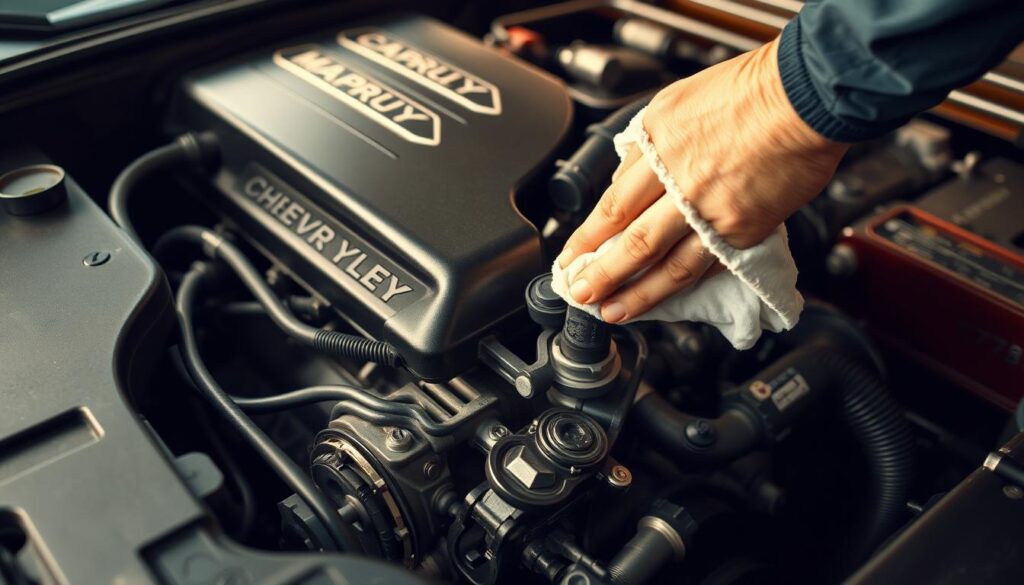
Regular filter, ignition, and sensor service prevents the common causes of power loss. Replace the air filter as the owner’s schedule suggests. Change fuel filters where applicable. Install new spark plugs and inspect ignition coils when mileage or misfire codes suggest wear.
Throttle body and MAF sensor care reduces erratic throttle response. Periodic throttle cleaning and a visual MAF check cut carbon buildup that can trigger reduced power. Inspect intake hoses and clamps for leaks or cracks during each service visit.
Keep electrical connectors clean and secure. Corrosion or loose pedal-harness plugs can send bad signals to the ECU. A quick visual inspection of wiring at the throttle body, accelerator pedal, and MAF saves diagnostic time later.
GM issues and technical service bulletins sometimes require software fixes. Owners should keep software and recalls up to date so the vehicle runs with the latest calibrations. Tech updates can stop unwanted power-reduction events when they target ECU logic or sensor handling.
Fuel choices impact injector and pump longevity. Follow manufacturer fuel quality recommendations and prefer Top Tier gasoline where possible. Avoid using E85 in models not designed for it, as it can increase deposits and stress fuel pumps.
Use targeted fuel-system cleaning when deposits affect performance. Quality additives or a professional cleaning cycle help preserve high-pressure pumps and keep injectors flowing. After cleaning, monitor fuel-trim numbers to confirm the system is responding correctly.
If reduced-power events or codes recur, document the conditions and mileage. That history helps technicians and supports any applicable special coverage or TSB remedies. Prompt attention to small symptoms reduces the risk of larger repairs later.
| Preventive Task | Recommended Interval | Benefit |
|---|---|---|
| Air filter replacement | Every 12,000–30,000 miles (check driving conditions) | Improves airflow; prevents MAF contamination and power loss |
| Spark plugs and ignition check | Every 60,000–100,000 miles depending on plug type | Reduces misfires that can trigger limp modes |
| Throttle body and MAF inspection/cleaning | At major service intervals or when throttle response degrades | Prevents throttle contamination and inaccurate airflow readings |
| Fuel-system cleaning or quality additive use | Annually or as recommended after signs of deposit buildup | Protects high-pressure pumps and keeps injectors clean |
| Visual electrical connector check | Each oil change or during diagnostics | Identifies corrosion or loose plugs that cause sensor errors |
| Software updates and recall checks | At dealer service visits or when notified | Ensures ECU fixes and TSB patches are applied to prevent faults |
Conclusion
The “engine power is reduced chevy malibu” message is a safety feature from the ECU. It happens when there are issues with sensors, the throttle body, or fuel delivery. It’s a sign to take action and fix the problem.
When you see this message, start by getting and saving OBD-II codes. Then, check the air filter, clean the throttle body, and inspect the MAF and connectors. These steps help you figure out what’s wrong and talk to a mechanic.
If the problem doesn’t go away, a GM dealer or certified mechanic can help. They can update software and fix issues that others can’t. Always check for recalls and keep repair records.
By following these steps and getting professional help, you can fix engine problems. Regular maintenance and inspections also help avoid future issues. Working with skilled technicians ensures your Chevy Malibu runs smoothly.
FAQ
What does the “Engine Power Reduced” message mean on a Chevy Malibu?
This message means the car’s computer has found a problem. It might be due to sensor errors, throttle issues, or fuel problems. The car might go into a safe mode to protect itself.
When should I be worried and stop driving immediately?
If driving becomes dangerous, like not keeping up with traffic, stop right away. Try turning off and on the ignition to clear some issues. But, if the problem keeps coming back, you need a professional to check it.
Which Chevy Malibu model years are most commonly affected?
Many 2013–2015 Malibus had a software recall. Owners of 2018–2022 models also face issues. There are fixes for these problems in Technical Service Bulletins (TSBs).
What common dashboard lights and codes accompany the reduced-power message?
You’ll see the Check Engine Light and get codes like P0101 or P0299. These codes help mechanics find the problem.
What basic checks can I do at home before visiting a shop?
Check when the message shows up and get OBD-II codes. Look for a clogged air filter and check hoses for leaks. Cleaning the throttle body and observing the fuel pump can also help.
Can clearing the codes fix the problem?
Clearing codes might show if the problem is temporary. But, if the message comes back, you need a deeper look. Don’t think clearing codes will fix it for good.
How does throttle-body contamination cause reduced engine power?
Dirt and carbon can block airflow and confuse the throttle. Cleaning the throttle body often fixes this. If not, you might need to replace it.
Could a faulty accelerator pedal sensor or wiring cause this message?
Yes, problems with the pedal sensor or wiring can cause this. GM has special coverage for these issues. It shows how common they are.
How do MAF and intake air problems contribute to power loss?
A dirty MAF sensor can misread airflow, leading to poor fuel trims. Cleaning or replacing the MAF and fixing intake leaks can solve this.
What fuel-system issues should be considered?
Weak fuel pumps, clogged filters, or dirty injectors can limit fuel flow. TSB 18-NA-072 outlines how to inspect the fuel system. Using the right fuel quality is also important.
When should I take the car to a dealer instead of an independent shop?
Take it to a dealer for software updates or special repairs. Dealers have the tools and knowledge for these jobs. They also handle warranty issues.
How can I check for recalls, TSBs, or special coverage for my Malibu?
Use Chevrolet’s recall lookup with your VIN or talk to a dealer. The NHTSA and GM service bulletin archives list TSBs for fixes.
What typical repairs fix the “Engine Power Reduced” condition?
Repairs include ECU updates, cleaning or replacing the throttle body, and fixing the MAF sensor. You might also need to replace the fuel pump or the CAC outlet tube. The cost and coverage vary.
Are there preventive maintenance steps to avoid this problem?
Regular maintenance helps: change filters, spark plugs, and ignition parts as needed. Clean the throttle body and MAF sensor. Keep the electrical system clean and use the right fuel. Keep the ECU software updated.
What should I document before taking the car in for diagnosis?
Note the exact message, driving conditions, and any sounds or misfires. Bring OBD-II codes and previous repair records. Ask the service advisor about TSBs or special coverage for your VIN.